Starting a project that needs tough, reliable equipment? Picking the right Heavy Duty Wire Mesh Belt is a pretty big deal. Honestly, this guide is here to make that decision a lot easier by walking you through the main things you should think about. These belts are pretty common across different industries—whether it’s manufacturing, food processing, or somewhere in between—thanks to their strength, durability, and versatility. Knowing the right specs—like what material it’s made from, how it’s designed, and what your operation needs—can really make a difference in how long your project runs smoothly and efficiently.
Today’s industrial world moves fast, and performance truly matters. So, it’s super important to pick a Heavy Duty Wire Mesh Belt that doesn’t just fit your project’s needs but also keeps things running without a hitch. This intro sets the stage for diving into what really counts—like load capacity, heat resistance, and how much maintenance is involved. By keeping these things in mind, project managers and decision-makers can make smarter choices, helping boost productivity and cut down on downtime and costs. Let’s get into the nitty-gritty and explore what makes an ideal Heavy Duty Wire Mesh Belt for your specific project.
Understanding Heavy Duty Wire Mesh Belts: An Overview
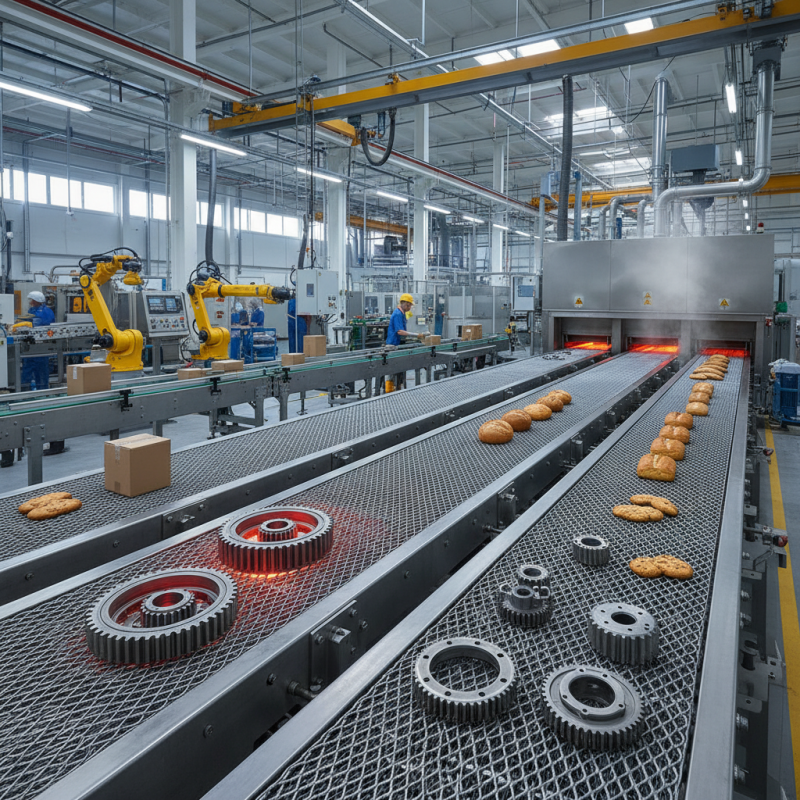
Heavy duty wire Mesh Belts play a crucial role in various industrial applications, offeringstrength, resilience, and versatility. These belts are engineered to handle heavy loads and endure extreme conditions, making them suitable for sectors such as food processing, materials handling, and manufacturing. According to industry reports, the demand for heavy duty wire mesh belts is projected to grow at a CAGR of 6% through 2025, largely driven by advancements in manufacturing technologies and an increasing focus on sustainable practices.
When selecting a heavy duty wire mesh belt, it's vital to consider factors such as material, weave style, and thickness. Stainless steel is favored for its corrosion resistance and durability, while carbon steel offers strength at a lower cost. The weave style, whether it be plain, double, or reinforced, affects the belt's flexibility and load capacity. A report by the Conveyor Equipment Manufacturers Association indicates that the right choice of wire mesh can increase operational efficiency by up to 15%, highlighting the importance of understanding your project's specific requirements.
Tips: Always assess the belt's load-bearing capacity in relation to your operational needs. Additionally, consider the environment in which the belt will be used; for instance, applications involving high temperatures or chemicals may require specialized materials. Finally, ensure that installation and maintenance guidelines are followed to maximize the longevity and performance of your wire mesh belt.
Key Factors to Consider When Selecting Wire Mesh Belts
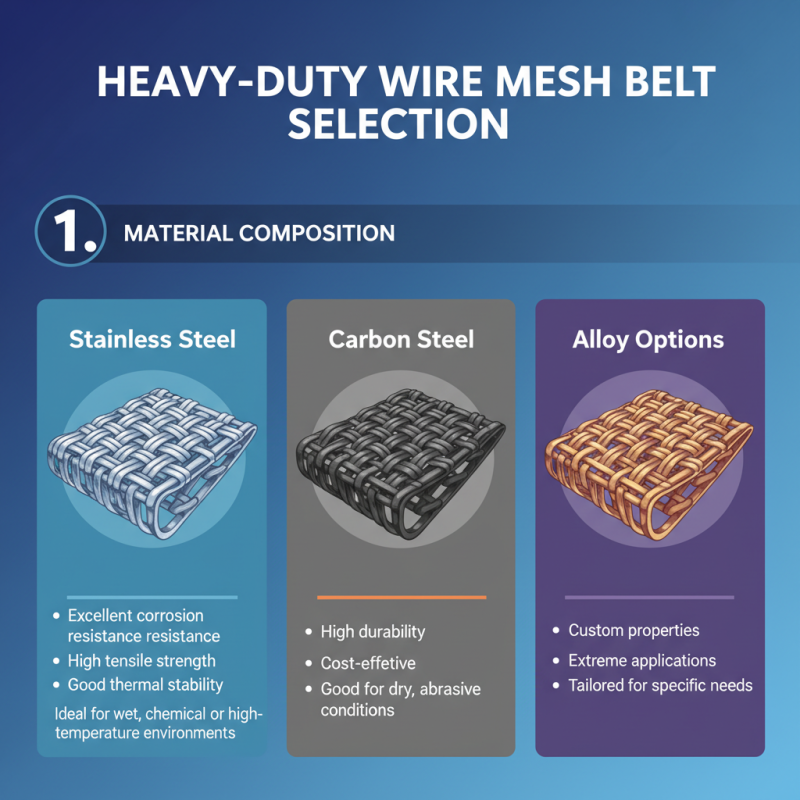
When selecting a heavy duty wire mesh belt for your project, several key factors must be considered to ensure optimal performance and durability. First, it's essential to assess the material composition of the wire mesh. Different materials such as stainless steel, carbon steel, or alloy options offer varying levels of corrosion resistance, tensile strength, and thermal stability. The choice of material should align with the specific environmental conditions and operational requirements of your application, ensuring longevity and reducing the need for frequent replacements.
Another critical factor is the mesh size and opening configuration. The dimensions of the openings in the mesh significantly influence the belt’s carrying capacity and the types of materials it can handle. Smaller openings may prevent small items from falling through but could impact airflow and drainage, while larger openings provide better drainage but may not support smaller components effectively. Additionally, consider the belt's width and length to ensure it fits seamlessly within your existing setup, facilitating efficient operation. Ultimately, evaluating these elements will aid in selecting a wire mesh belt that meets the demands of your project while maintaining high efficiency and reliability.
Types of Heavy Duty Wire Mesh Belts for Various Applications
When selecting a heavy duty wire mesh belt for your project, understanding the various types available is crucial for ensuring optimal performance in specific applications. Heavy duty wire mesh belts are commonly designed to handle rigorous environments, making them ideal for industries such as food processing, materials handling, and industrial manufacturing. The three primary types include flat wire belts, twisted wire belts, and crimped wire belts, each offering unique features tailored to different operational needs.
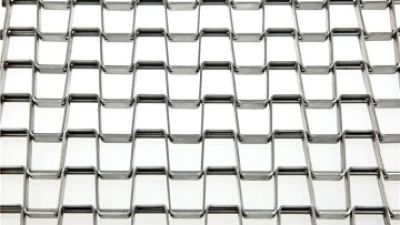
Flat wire belts provide a smooth surface, allowing for efficient product handling while minimizing friction. They are particularly well-suited for conveying heavy loads over long distances, making them a popular choice in factories and assembly lines. Twisted wire belts, on the other hand, are more flexible and can accommodate a variety of surfaces and shapes, providing superior support for items that are irregularly shaped. This adaptability makes twisted wire belts a preferred option in applications like baking and cooling systems. Lastly, crimped wire belts possess increased strength and durability, making them ideal for handling abrasive materials or heavy-duty applications, such as in quarrying or mining industries. By understanding these types, you can better align your choice of wire mesh belts with the specific requirements of your project.
Material Options: Steel vs. Stainless Steel Wire Mesh Belts
When it comes to choosing the right heavy-duty wire mesh belt for your project, one of the most crucial decisions involves selecting the appropriate material. The two primary options are steel and stainless steel wire mesh belts. Steel wire mesh belts are known for their strength and durability, making them ideal for applications that involve heavy loads or high-impact environments. However, they are susceptible to rust and corrosion, which can limit their lifespan, especially in moist or abrasive conditions.
On the other hand, stainless steel wire mesh belts offer superior resistance to rust and corrosion due to their alloying elements, such as chromium and nickel. This makes them an excellent choice for projects involving food processing or chemical handling, where hygiene and material integrity are essential. Moreover, stainless steel can withstand high temperatures and harsh environments, ensuring longevity and reliability for demanding applications.
Tips: When selecting between steel and stainless steel, consider the specific environment in which the wire mesh belt will be used. If your project involves exposure to moisture or corrosive substances, stainless steel may be worth the investment. Additionally, evaluate factors such as load capacity, heat resistance, and maintenance requirements to ensure you choose the best option for your needs.
Sizing and Dimensions: Ensuring the Right Fit for Your Project
When selecting a heavy-duty wire mesh belt for your project, understanding the sizing and dimensions is crucial to ensure optimal performance. The belt must fit seamlessly with your machinery to avoid issues such as wear and tear or inefficient operation. Start by assessing the design of your equipment to determine the required width and length of the belt. Additionally, consider the thickness of the wire mesh, as this will impact both durability and flexibility. A precise fit prevents slippage and enhances the longevity of the belt, reducing the need for frequent replacements.
Tips: Always measure the dimensions of your conveyor system accurately, allowing for any additional spacing or necessary components like rollers or guides. If you're working with a custom application, consulting with mesh specialists can help you determine the precise specifications needed for your project.
The type of material used in the wire mesh belt also plays a significant role in its dimensions. Different materials have varying tensile strengths and flexibility, which can affect how the belt performs under load. Ensure you take into account the weight and type of materials you’ll be transporting, as this will help dictate the correct sizing for your wire mesh belt.
Tips: For heavy loads, opting for a denser mesh might provide added support, whereas lighter applications may benefit from a more flexible design, enhancing maneuverability.
Maintenance Tips for Longevity of Wire Mesh Belts
When selecting a heavy-duty wire mesh belt for your industrial application, maintenance should never be overlooked. Regular upkeep is critical to ensuring the longevity and efficiency of these belts, which play a pivotal role in various manufacturing and processing environments. According to the Material Handling Industry report, an estimated 30% of conveyor maintenance costs stem from improper belt care. This figure underscores the necessity of implementing disciplined maintenance practices.
To maintain optimal performance, it is essential to conduct frequent inspections of the wire mesh belts. Check for signs of wear, corrosion, or misalignment, as these issues can lead to decreased efficiency and higher replacement costs. A proactive approach to cleaning is equally crucial; debris often accumulates in the mesh, hindering airflow and heat dissipation. Studies indicate that belts that undergo regular cleaning can outlast those that don’t by up to 50%. Using appropriate cleaning agents that won't damage the mesh can significantly enhance the belt's lifespan.
In addition to inspection and cleaning, lubrication serves as another vital aspect of maintenance. Properly lubricating pivot points and drive components can reduce friction, which is a leading cause of wear and tear. The Conveyor Equipment Manufacturers Association recommends lubricating the drive system regularly to maintain operational efficiency. By adhering to these maintenance tips, industries can maximize the operational life of their heavy-duty wire mesh belts, ultimately leading to reduced costs and increased productivity.
Common Mistakes to Avoid When Choosing Wire Mesh Belts
When selecting a heavy-duty wire mesh belt for your project, avoiding common pitfalls can make a significant difference in functionality and efficiency. One frequent mistake is not thoroughly assessing the specific needs of your operation. It's crucial to consider factors such as load capacity, temperature resistance, and the type of materials the belt will handle. Neglecting these details can lead to premature wear and failure, causing costly downtime.
Another common error is disregarding the environment in which the wire mesh belt will be used. For instance, using a belt that isn't resistant to corrosion or high temperatures in a harsh environment can lead to rapid degradation. Additionally, choosing the wrong weave pattern or mesh size can impact the belt's performance and the quality of the end product. Always ensure that the belt configuration aligns with the project's specifications and environmental conditions to achieve optimal performance.
2025 Guide: Heavy Duty Wire Mesh Belt Selection Mistakes
The Versatility and Advantages of Flat Wire Belts in Industrial Applications
Flat wire belts have become increasingly popular in various industrial applications due to their unique versatility and advantages. These belts provide exceptional durability, making them suitable for demanding environments such as high-temperature furnaces where temperatures can reach up to 800°C. The ability to withstand extreme conditions, combined with a low-profile design, allows for efficient handling of small parts, which is crucial in industries like electronics assembly and packaging.
According to industry reports, flat wire belts are favored in food processing due to their hygienic properties. Food-grade variants made from 316L stainless steel not only comply with FDA regulations but also facilitate easy cleaning, reducing the risk of contamination. Furthermore, these belts can be engineered to have anti-static properties, an essential feature for electronic applications to prevent dust accumulation and ensure smooth operation of sensitive components.
Corrosion resistance is another significant advantage, especially with marine-grade 316Ti options available for environments exposed to harsh solvents and chemicals. The custom-width capabilities of flat wire belts allow for tailored solutions, improving the efficiency of production lines in various sectors. As industries continue to evolve, the demand for such specialized belts is projected to grow, enhancing their application in modern manufacturing processes.
FAQS
: Heavy duty wire mesh belts are used in various industrial applications, including food processing, materials handling, and manufacturing, where they handle heavy loads and endure extreme conditions.
Important factors include the material, weave style, and thickness of the belt, as these determine its strength, flexibility, and load capacity.
Common materials include stainless steel, known for its corrosion resistance and durability, and carbon steel, which offers strength at a lower cost.
Choosing the right wire mesh can increase operational efficiency by up to 15%, making it crucial to understand the specific requirements of your project.
The main types include flat wire belts, twisted wire belts, and crimped wire belts, each designed for specific operational needs and environments.
Flat wire belts provide a smooth surface for efficient product handling and are well-suited for conveying heavy loads over long distances.
Twisted wire belts are more flexible and can accommodate various surfaces and shapes, making them ideal for supporting irregularly shaped items.
Crimped wire belts are strong and durable, making them suitable for handling abrasive materials or in heavy-duty applications, such as quarrying or mining.
Consider factors like high temperatures or chemical exposure, which may necessitate specialized materials for optimal performance.
Following proper installation and maintenance guidelines is essential to maximize the belt's life and efficiency.
Conclusion
Choosing the right Heavy Duty Wire Mesh Belt is crucial for the success of your project. This guide provides a comprehensive overview, starting with an understanding of heavy duty wire mesh belts, which are essential for various industrial applications. Key factors to consider include the specific needs of your project, including the type of materials being processed and the environment in which the belt will operate.
Different types of heavy duty wire mesh belts exist to cater to diverse applications, and selecting between materials like steel and stainless steel can significantly impact performance and durability. Proper sizing and dimensions are vital to ensure a perfect fit, while maintenance tips can help extend the lifespan of the belts. Lastly, this guide highlights common mistakes to avoid, ensuring that you make an informed decision in selecting the right heavy duty wire mesh belt for your operational needs.