Leave Your Message
Industrial Belting is heading into 2026 with a lot more pressure around efficiency, traceability, and safer ways to handle materials. These days, conveyor systems are doing work in food processing, logistics, mining, packaging, recycling, and automated warehouses—pretty much everywhere, really. And each one of those applications needs its own mix of strength, flexibility, grip, hygiene, and chemical resistance.
Honestly, choosing the right belting really comes down to your operating conditions—not whatever the marketing copy says. Modular plastic belts can make cleaning and maintenance a lot easier. For packaging and lighter-duty conveying, PVC and polyurethane belts often do the trick. Rubber belts? Still a solid choice for heavy loads, steep inclines, and abrasive stuff. And when it comes to high-temperature processes, Steel Belts are built for that. Timing belts, meanwhile, help keep product movement precise in automated equipment. Also, some facilities might need flame-resistant or oil-resistant constructions. Honestly, the small details are what get you. Belt width has to match the conveyor frame—no way around that. Pulley diameter? It affects how quickly the belt fatigues. And if a belt's going to get hit with washdown water, you'll want materials that can take it plus sealed components. Before buying, write down temperature, load weight, speed, tracking accuracy—all of it. This comes from practical experience, not some universal formula.
Still, let's be honest—"best" isn't a perfect word. A high-performance belt can just burn money if it's going into a low-demand application. On the flip side, go cheaper and you might end up with downtime all the time. To pick something reliable, you really need supplier docs, some application testing, and maintenance records. Independent certifications can help boost your confidence, sure, but they don't take the place of looking at your specific site. So, this guide takes a look at the top Industrial Belting types you'll see in 2026. It breaks down where each one really shines, where it tends to fall short, and what buyers should be asking before they go ahead with installation.
What Are the 2026 Best Industrial Belting Types?
A high-performance industrial belt in 2026 must do more than move products. It should match the conveyor’s load, speed, temperature, and working environment. Common choices include reinforced rubber, polyurethane, modular plastic, and steel-cord belts. Each type serves a different purpose. There is no universal winner.
Modern belts increasingly support condition monitoring through embedded markers, speed sensors, or visual wear indicators. However, technology alone does not prove performance. A reliable belt should resist abrasion, chemical exposure, stretching, and edge damage. It should also track steadily across pulleys. During practical plant inspections, small alignment errors often cause larger failures than expected. Maintenance access matters too. A belt that is difficult to clean or repair can increase downtime, even when its materials appear advanced.
Tips: Record belt temperature, surface wear, tracking movement, and splice condition during every inspection. Compare readings over time, not just after a failure. Choose the belt cover according to the actual material being carried. Oil, sharp gravel, frozen packages, and hot metal create very different demands. Keep spare components protected from sunlight and moisture. No belt is perfect. A lower-cost option may work better in a clean, moderate-duty line, while a premium construction can be wasteful there. Recheck your assumptions after seasonal changes, production increases, or repeated emergency stops.
A practical comparison of major industrial belt categories using typical engineering characteristics. Actual performance depends on belt construction, operating temperature, load, pulley geometry, speed, and maintenance conditions.
| Industrial Belt Type | Typical Construction | Typical Operating Temperature | Strength and Load Capability | Speed Capability | Key Performance Advantages | Main Limitations | Typical 2026 Applications | Overall Fit for High-Performance Use |
|---|---|---|---|---|---|---|---|---|
| Steel-Cord Conveyor Belt | Rubber cover with longitudinal steel cords and reinforced bonding layers | Approximately -40°C to 80°C; higher-temperature compounds are available for specialized service | Very high tensile strength and long conveying distances with relatively low elongation | Commonly suitable for high-capacity, long-distance conveying; speed depends on belt width and system design | High carrying capacity, low stretch, good impact resistance, and reduced take-up movement | Higher initial cost; damaged cords require specialized inspection and repair; limited suitability for very small pulleys | Mining, bulk Material Handling, ports, power generation, and large-scale processing plants | Excellent for heavy-duty conveying |
| Textile-Reinforced Conveyor Belt | Rubber covers reinforced with polyester, nylon, or blended fabric plies | Approximately -30°C to 80°C, depending on rubber grade and material temperature | Medium to high tensile strength with flexible longitudinal performance | Suitable for low, medium, and many high-speed conveying systems | Flexible, versatile, repairable, and available in many cover grades for abrasion, oil, heat, and flame resistance | More elongation than steel-cord belts; very hot, sharp, or highly abrasive materials may require specialized covers | Aggregate, cement, recycling, logistics, agriculture, and general manufacturing | Excellent all-purpose option |
| Modular Plastic Conveyor Belt | Interlocking molded plastic modules connected with hinge rods | Approximately -40°C to 110°C, depending on polymer type and load conditions | Moderate load capacity; strength is influenced by module design, sprocket engagement, and belt width | Generally suitable for low to medium speeds, including curves and incline systems | Easy replacement of individual modules, positive sprocket drive, washdown capability, and flexible layouts | Higher friction and noise than some fabric belts; plastic properties can change with temperature and chemicals | Food processing, beverage packaging, parcel handling, and hygienic production lines | Excellent for cleanable and flexible systems |
| Thermoplastic Conveyor Belt | Polyurethane or PVC top cover with polyester fabric reinforcement | Typically -30°C to 90°C; polyurethane grades are often selected for demanding cleanliness and wear conditions | Low to medium tensile strength with good dimensional stability for general conveying | Suitable for medium to high speeds when correctly tensioned and tracked | Low noise, good chemical resistance, clean surfaces, strong tracking options, and broad profile selection | Not ideal for very high-temperature materials or extreme impact loading; splice quality is critical | Packaging, electronics, airports, warehousing, food handling, and light manufacturing | Excellent for clean and precise conveying |
| Positive-Drive PU Belt | Toothed polyurethane belt driven by sprockets or profiled pulleys | Typically -30°C to 80°C, with specialized compounds extending the usable range | Medium load capability with accurate torque transmission and limited tracking drift | Suitable for controlled medium and high-speed applications | Reduced slip, accurate indexing, improved sanitation options, and reliable tracking in demanding layouts | Requires correct sprocket alignment and tension; not suitable for every high-impact bulk application | Food packaging, bottling, case handling, inspection, and automated production equipment | Excellent for synchronized automation |
| Timing Belt | Toothed polyurethane or rubber belt reinforced with fiberglass, polyester, or aramid cords | Typically -30°C to 100°C, depending on compound and reinforcement | High torque transmission with precise pitch control and very low positional slip | Often capable of high rotational and linear speeds when properly tensioned | Accurate synchronization, low maintenance, no lubrication requirement, and efficient power transfer | Tooth wear or misalignment can cause failure; unsuitable tension or small pulley diameter reduces service life | Robotics, automated machinery, packaging, indexing systems, and motion-control equipment | Excellent for precision motion |
| V-Belt | Rubber or elastomer body with tensile cords and molded trapezoidal sides | Typically -30°C to 80°C; special constructions support broader temperature ranges | Medium to high power capacity depending on section, pulley size, and belt arrangement | Suitable for common industrial drive speeds; high-speed performance requires accurate alignment | Cost-effective, widely available, shock-absorbing, and tolerant of moderate misalignment | Slip and heat generation can occur; requires correct tension and periodic inspection | Pumps, fans, compressors, conveyors, agricultural equipment, and machine drives | Very good for economical power transmission |
| Polyurethane Round Belt | Elastic thermoplastic polyurethane cord joined by thermal welding | Typically -30°C to 80°C, depending on hardness and formulation | Low to medium load capability for light conveying and accumulation | Suitable for low and medium-speed conveying systems | Quick installation, flexible routing, clean operation, and simple field splicing | Limited load and temperature capability; tension must be controlled to prevent overstretching | Roller conveyors, accumulation lines, small packaging systems, and material transfer equipment | Very good for light-duty flexibility |
| PTFE-Coated Fabric Belt | Glass or aramid fabric coated with fluoropolymer resin | Approximately -70°C to 260°C for suitable grades; actual continuous limits depend on belt construction | Low to medium mechanical load capability; designed primarily for thermal and release performance | Usually used at low to medium speeds | Excellent non-stick behavior, low friction, chemical resistance, and broad temperature tolerance | Higher cost, lower puncture resistance, and limited suitability for heavy impact or high-tension conveying | Heat sealing, drying ovens, composite processing, textile finishing, and food release applications | Excellent for high-temperature processing |
| Wire-Mesh Metal Belt | Stainless steel or heat-resistant alloy wire formed into balanced weave or chain-driven mesh | Commonly suitable from below 0°C to 500°C or more, depending on alloy and design | Medium to high load capability with strong resistance to heat and dimensional change | Generally low to medium speed, depending on mesh type and furnace design | High-temperature resistance, airflow through the belt, cleanability, and strong dimensional stability | Heavier and noisier than polymer belts; requires correct sprocket, support, and tension design | Heat treatment, baking, sintering, washing, coating, and industrial drying systems | Excellent for thermal processing |
| Steel Plate or Hinged-Steel Belt | Overlapping steel plates joined with hinges, pins, or chains | Typically -20°C to 400°C, depending on steel grade, lubricant, and operating environment | Very high resistance to impact, sharp scrap, and concentrated loads | Generally low to medium speed | Exceptional durability against metal chips, hot parts, and heavy impact loading | Heavy, noisy, and less energy-efficient; requires robust drive and support structures | Machine-tool chip removal, metal stamping, forging, foundries, and scrap handling | Excellent for severe mechanical abuse |
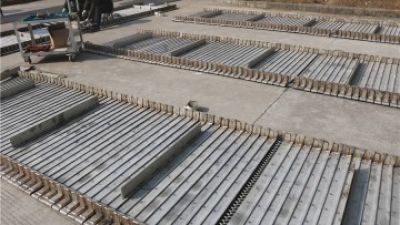
High-temperature stainless steel dry ash conveyor belts provide a dependable solution for industrial material handling in demanding environments. Designed to move dry ash safely and continuously, these belts combine heat-resistant stainless steel construction with strong welded joints and reinforced edges. Their durable structure helps maintain stable performance in cement plants, boiler systems, power plants, and incinerator facilities where elevated temperatures, abrasive particles, and heavy loads are common.
A range of configurations is available to match different operating requirements. Corrosion-resistant mesh belts suit humid or chemically challenging conditions, while heavy-duty abrasion-proof systems are engineered for power generation and mining applications. Galvanized steel conveyor mesh offers high capacity for large-scale transport, and heat-treated belts provide extended service life under repeated thermal stress. Anti-clogging designs support efficient ash flow, reducing interruptions and maintenance demands. For harsh working environments, reinforced alloy steel spiral belts deliver additional strength and flexibility.
Customizable welded wire belts can be adapted to various layouts, widths, and conveying distances. Low-maintenance structures are suitable for foundries and other facilities that require reliable daily operation. Enhanced airflow designs improve material movement and cooling, while reinforced edges help prevent deformation during long-term use. These practical features make stainless steel dry ash conveyor belts a durable and efficient choice for modern industrial handling systems.
Reinforced rubber belts suit aggregate, metal, and general material-handling systems. Their performance depends on the compound, carcass, and splice quality.
Choose wear-resistant rubber for sharp aggregate or rough metal pieces. It helps reduce cuts, gouges, and early surface damage.
Usually not. Heat-resistant rubber may perform poorly around oil, while oil-resistant rubber may have different temperature limits.
Measure load, speed, temperature, pulley diameter, belt tension, and impact level. Small details matter.
No. A thick cover can add weight and reduce flexibility around small pulleys. More material does not always mean longer service.
Uneven tension, poor storage, wrong cleaning chemicals, or misalignment can cause early failure. A belt may rub the frame within days.
Flat belts suit fast, smooth conveying. V-belts suit compact power transfer. Timing belts support synchronized movement.
Select materials that tolerate moisture, oils, chemicals, heat, and repeated cleaning. Wire mesh belts can support airflow and drainage.
Test a small section when downtime is costly. Record tracking, stretching, cracking, and wear during the first month.
Check edge damage, cover cracks, splice separation, and tracking behavior. Also ask operators about spills and jams. Their observations may expose hidden problems.
In 2026, high-performance Industrial Belting is defined by more than strength alone. The right belt must deliver reliable load handling, resistance to abrasion, heat, oils, moisture, and chemicals, while also supporting energy efficiency, easy maintenance, and consistent production. Belt materials strongly influence performance: rubber belts are well suited to demanding manufacturing and bulk-material applications, while PVC and PU belts can offer cleaner surfaces, greater flexibility, and improved resistance for lighter-duty or specialized conveying tasks.
Modular plastic belts provide excellent hygiene, drainage, and configuration flexibility, making them valuable where frequent cleaning and precise product handling are important. Steel cord belts are designed for exceptionally long conveying distances and high tensile loads, whereas fabric belts provide practical versatility for moderate loads and varied layouts. Selecting the best industrial belting type requires evaluating material weight, operating temperature, conveying speed, belt length, sanitation needs, impact exposure, and maintenance expectations. A balanced selection process helps improve uptime, product safety, and long-term operating value.