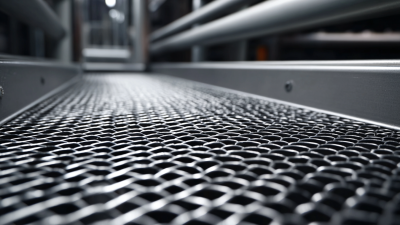
The furnace industry is really changing these days, thanks to some pretty exciting tech advancements. One standout innovation is the Furnace Mesh Belt, which helps boost efficiency in thermal processes—a real game-changer. I was reading a recent report by Grand View Research, and it turns out the global furnace market hit about $21 billion in 2022. That’s quite a jump, showing just how much things are growing. But, here’s the thing—investing in new equipment isn’t always a guarantee for success. Companies really need to choose their suppliers carefully to avoid surprises.
When it comes to Furnace Mesh Belts, quality is everything. Small differences in materials, thickness, or design can make a big impact on how well they perform. A report from Research and Markets pointed out that picking the wrong belt could lead to major operational issues—something many manufacturers have unfortunately learned the hard way. It’s easy to overlook important specs sometimes, and that can cost a lot in downtime and repairs.
There are trusted suppliers out there, like Kanta, offering top-notch Furnace Mesh Belts that are built to last and perform reliably. They’re tuned to meet industry needs and keep things running smoothly. Still, buyers should be cautious—sometimes product lines aren’t perfectly consistent, so doing your homework and digging a little deeper pays off. The market’s pretty competitive, and staying on top of the latest tech and trends is key. Bottom line: understanding the ins and outs of Furnace Mesh Belt technology isn’t just helpful—it’s essential if you want to stay ahead of the game.
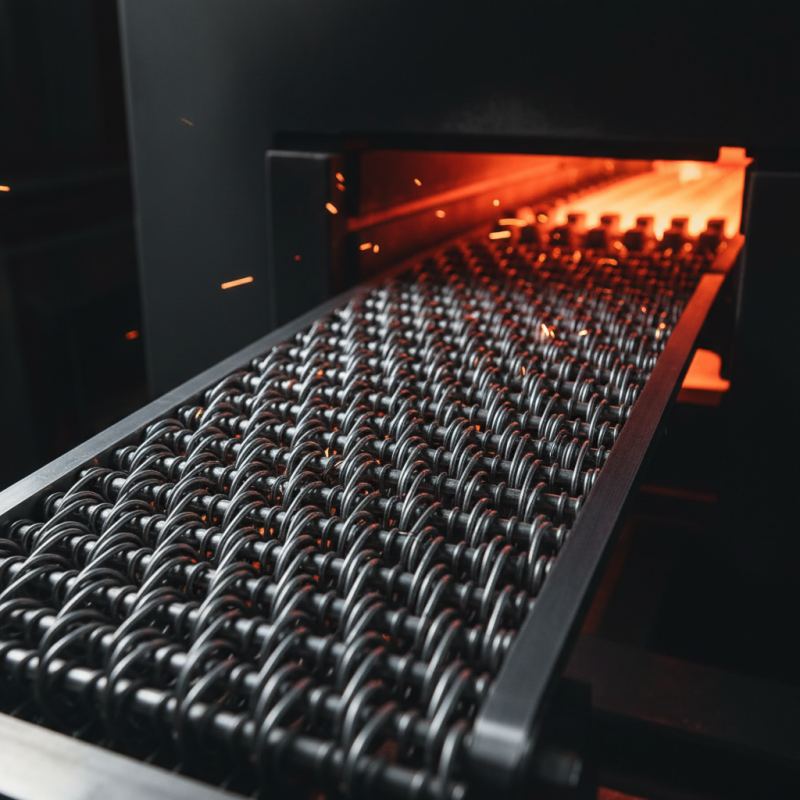
Overview of ODM Furnace Mesh Belt Industry Trends in 2026
The ODM furnace mesh belt industry is set to experience significant changes by 2026. Reports indicate an expected growth rate of approximately 7.5% annually. This trend is driven by increased demand across various sectors like manufacturing and food processing. These industries require durable and efficient transport solutions for high-temperature environments.
While innovations in materials are ongoing, challenges remain. Many manufacturers grapple with quality consistency. Data shows that around 20% of producers struggle to meet industry standards consistently. This inconsistency often impacts the overall user experience, leading to operational delays and increased costs. The push for improved quality is essential as consumers seek reliable products.
By 2026, sustainability will become a pivotal factor. A study projects that 50% of consumers will prioritize eco-friendly materials. As a result, manufacturers must adapt their production processes. Meeting this demand could involve significant investment. However, the long-term benefits outweigh the upfront costs. The industry's success hinges on balancing innovation with sustainability.
Key Features to Consider When Choosing High-Quality Furnace Mesh Belts
When selecting high-quality furnace mesh belts, several key features should be evaluated. The materials used are critical. High-strength alloys withstand intense heat and wear. According to a recent industry report, mesh belts made from stainless steel offer superior longevity. They resist corrosion and maintain structural integrity over time.
Another vital consideration is belt design. A properly designed mesh allows optimal air circulation. This feature is essential for even heat distribution. Uneven heating can lead to product defects. Moreover, the mesh size impacts the performance. Larger openings can facilitate faster cooling but may compromise structural strength.
In terms of maintenance, ease of cleaning is often overlooked. Belts that trap debris increase operational costs. Regular cleaning extends the belt's lifespan. It's also important to gauge the belt's load capacity. Too much weight can lead to mechanical failures, a costly oversight. Regular assessments of wear and tear are crucial for long-term performance. Implementing a robust maintenance schedule is necessary.
2026 Best ODM High Quality Furnace Mesh Belt Products Review
| Model | Material | Temperature Range (°C) | Belt Width (mm) | Max Load Capacity (kg/m²) | Key Features |
| FMB-2000 | Stainless Steel | 1200 | 1000 | 300 | Corrosion Resistant, High Durability |
| FMB-3000 | Inconel | 1500 | 800 | 350 | High Temperature Stability, Rust Resistant |
| FMB-4000 | Mild Steel | 800 | 1200 | 250 | Cost-Effective, Good Thermal Conductivity |
| FMB-5000 | Nickel Alloy | 1300 | 900 | 400 | Excellent Strength, Resistant to Oxidation |
Top ODM Manufacturers Renowned for High-Quality Products
In the furnace industry, selecting the right ODM manufacturer is essential for ensuring high-quality Furnace Mesh Belt products. A recent industry report indicated that over 70% of companies prioritize durability and heat resistance in their materials. Many ODM manufacturers now focus on deploying advanced materials, which directly impacts efficiency and lifespan.
Yet, challenges remain. Not all manufacturers adhere to the same quality standards. Inconsistent production methods can lead to varied performance levels in products, which raises concerns for potential buyers. The lack of transparency in certain ODMs makes it hard to gauge reliability.
Additionally, customer feedback often highlights issues regarding delivery times and communication. Efficiency can be hindered by delays, especially in urgent projects. Finding manufacturers that balance quality control with timely delivery is crucial. Adopting stringent quality assessment protocols is necessary to navigate these complexities in the pursuit of quality furnace mesh belts.
Comparative Analysis of Leading Furnace Mesh Belt Models in 2026
Furnace mesh belts are critical in industrial heating processes. Their performance varies widely among different models. In a recent comparative analysis, data from industry reports indicate that material durability and heat resistance are essential factors. The most effective furnace mesh belts can withstand high temperatures without warping or deteriorating.
Tip: When selecting a furnace mesh belt, consider the maximum operating temperature. Ensure it aligns with your specific application requirements.
Some leading models stand out in their build quality and thermal efficiency. However, a number of belts struggle with maintaining consistent heat distribution. This inconsistency can impact production efficiency. Although some manufacturers tout over 95% thermal efficiency, real-world performance may fall short.
Tip: Regular maintenance of furnace mesh belts can enhance lifespan and performance. Inspect for wear and tear periodically. Keep in mind that even the best products may need adjustments over time.
Investing in quality may yield significant benefits, but it’s not without risks. Some users report challenges with compatibility and installation. It's crucial to assess these factors thoroughly. Your choices today will shape operational efficiency for years to come.
User Reviews and Feedback on ODM Furnace Mesh Belt Performance
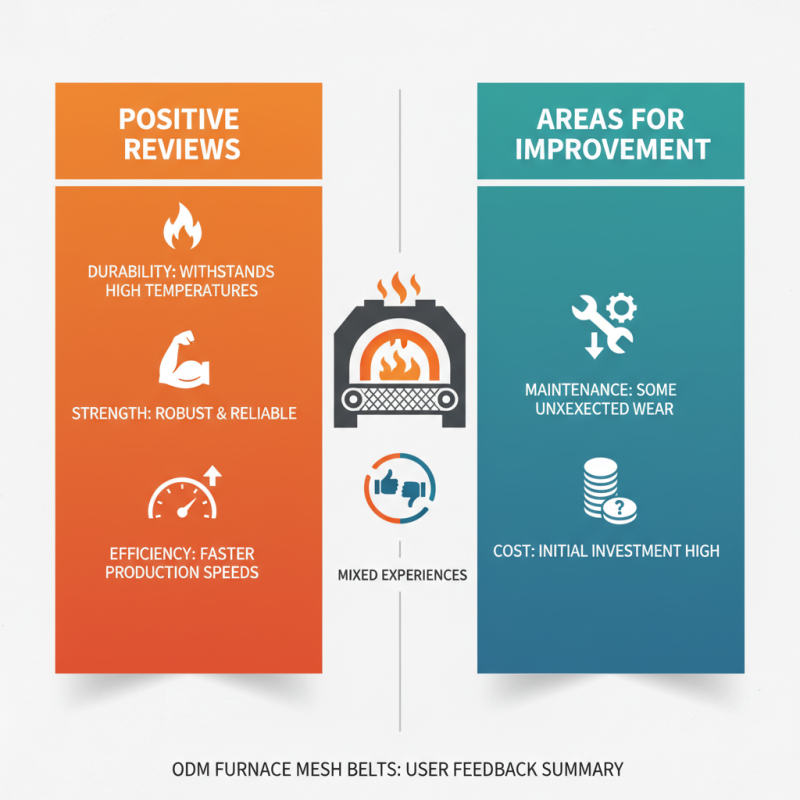
User reviews for ODM furnace mesh belts reveal a mixed bag of experiences. Many users have praised the durability of the products. They mention that these belts withstand high temperatures. It's crucial for those operating in demanding environments. Some users report a noticeable improvement in efficiency. The integration of Mesh Belt Conveyor Furnaces has ramped up production speeds.
However, others express concerns about wear and tear. A few users noticed quicker degradation under extreme conditions. It raises questions about long-term performance. Some feedback highlighted difficulty in maintenance, which can lead to downtime. Efforts to clean and replace parts were not always straightforward.
While the functionality impresses many, reflections on these drawbacks are essential. Users emphasize the balance between quality and operational challenges. Their experiences underscore that even top-rated products may have imperfections. Overall, the journey with ODM furnace mesh belts offers valuable insights into real-world applications and performance.
Factors Affecting the Longevity and Durability of Furnace Mesh Belts
When assessing the durability of furnace mesh belts, several factors come into play. One significant aspect is material selection. High-quality stainless steel often provides better heat resistance and corrosion protection. Reports indicate that stainless steel can withstand temperatures exceeding 1000°C. However, not all stainless steel is created equal. Variability in alloy compositions can lead to unexpected failures under extreme conditions.
Another critical factor is the belt design. The mesh configuration impacts airflow and thermal distribution within the sintering furnace. Poorly designed belts may lead to uneven heating, resulting in mechanical stress. This stress can reduce the lifespan of the furnace mesh belt. Industry studies have shown that optimized mesh designs can enhance durability by as much as 30%. Maintaining proper alignment and tension is also essential. Even small deviations can cause premature wear.
Environmental conditions alongside operational practices heavily influence longevity. Contaminants in the workspace can degrade the belt's integrity. Additionally, unnecessary cycling of temperatures can lead to thermal fatigue. Regular inspection and maintenance can mitigate these risks. Proper cleaning protocols help reduce buildup that contributes to wear and damage. Ultimately, a holistic approach is needed to ensure the longevity of Sintering Furnace Mesh Belts.
Cost-Benefit Analysis of Investing in High-Quality ODM Furnace Mesh Belts
Investing in high-quality ODM furnace mesh belts can significantly enhance operational efficiency. A Continuous Mesh Belt Furnace requires durable materials to withstand high temperatures. Low-quality belts often lead to frequent replacements and increased downtime. This can adversely affect productivity and profitability. Costly repairs may present another hurdle.
Price isn't everything when considering these belts. A cost-benefit analysis reveals that high-quality products can save money in the long term. Reliability is key in high-temperature applications. A sturdy mesh belt minimizes maintenance needs. Reduced disruptions lead to smoother operations. However, it’s essential to assess vendor claims critically. Some manufacturers may exaggerate durability.
Consider the specific needs of your applications. Sometimes, the cheapest option can become expensive over time. Performance and lifespan play crucial roles in overall costs. Balancing these factors can be tricky. Regular evaluations can improve decision-making. Ensuring the right investment is worth the time and effort. Quality products contribute positively to production efficiency.
Optimizing Material Handling Efficiency: Insights from Industry Reports on Spiral Conveyor Belt Performance and Applications
In the modern food processing and packaging industries, optimizing material handling efficiency has become imperative for enhancing productivity and ensuring food safety. Recent industry reports indicate that the use of specialized Spiral Conveyor belts significantly impacts operational performance. For instance, food-grade spiral freezer belts constructed from 316L stainless steel not only comply with FDA regulations but also exhibit superior durability and corrosion resistance, making them ideal for rigorous processing environments. This has led to a reported increase in operational throughput by up to 25%, particularly in high-temperature and hygiene-sensitive applications.
Moreover, low-temperature spiral conveyor belts rated to withstand temperatures as low as -40°C have emerged as essential components in the freezing of baked goods and other temperature-sensitive products. These belts facilitate consistent product flow through freezing tunnels, ensuring uniform temperature distribution and reducing the risk of product damage. Industry reports highlight that implementing energy-efficient spiral conveyor systems for frozen foods can lead to energy savings of approximately 30%, contributing to greener operations.
In addition, the advent of hygienic spiral freezer mesh belts tailored for Individually Quick Frozen (IQF) processing underscores the importance of optimizing product quality while ensuring operational efficiency. These belts address the challenges posed by sticky goods, such as those used in seafood processing, by integrating anti-stick materials that simplify cleaning protocols and reduce downtime. Custom-diameter spiral belts also offer the flexibility needed for compact freezer designs, further enhancing their applicability across diverse food processing setups. By leveraging these advancements, companies can optimize their material handling processes while maintaining high standards of food safety and efficiency.
FAQS
: The product aims to improve daily convenience for users. It simplifies tasks and enhances efficiency.
Store in a cool, dry place. Avoid direct sunlight and extreme temperatures.
Some users report difficulty in setup. Others mention it takes time to learn all features.
Regular cleaning is recommended. Clean it weekly to maintain optimal performance.
It is designed for general use. However, some features may be complex for beginners.
Check the user manual first. If issues persist, contact support for assistance.
It is built to use less energy. However, usage patterns can affect overall efficiency.
Most accessories are included. Some optional add-ons may enhance functionality, but they are not necessary.
It is made with sturdy materials. However, rough handling may lead to damage over time.
Review the return policy. It usually allows returns within a specific timeframe.
Conclusion
The article "2026 Best ODM High Quality Furnace Mesh Belt Products Review" provides a comprehensive overview of the trends shaping the ODM furnace mesh belt industry in 2026. It highlights essential features to consider when selecting high-quality furnace mesh belts, emphasizing aspects like material durability, heat resistance, and design efficiency. The review also includes a comparative analysis of leading furnace mesh belt models, incorporating user feedback to assess performance and satisfaction.
Additionally, the article delves into the factors impacting the longevity and durability of furnace mesh belts, offering insights on how to optimize their lifespan. A cost-benefit analysis further underscores the value of investing in high-quality ODM furnace mesh belts, illustrating how they can enhance operational efficiency and reduce long-term costs. Overall, this review serves as a valuable guide for businesses seeking to make informed decisions on furnace mesh belt procurement in the evolving market landscape.