Leave Your Message
Picking the right Wire Mesh Net manufacturer in 2026? It’s not just about price tags or fancy websites. Global buyers need stuff that holds up: dependable material, accurate openings, steady production, and support that actually answers when you call or email. A good supplier should be able to walk you through wire grade, mesh count, aperture tolerance, surface treatment, roll dimensions, and packaging—without hand-wavy promises. Honestly, the details are what make or break it.
As wire-mesh specialist Michael J. Sullivan puts it, “A mesh is only as reliable as its wire, opening, and inspection record.” That still rings true. You might see neatly stacked galvanized rolls in a warehouse, but hidden variation can mess with filtration, fencing, screening, or industrial separation. This guide looks at manufacturers through a practical lens: production capability, quality controls, export experience, customization, lead times, and documented testing. It also asks whether they communicate clearly when specs change.
A solid shortlist might include names like Banker Wire, TWP Inc., Darby Wire, YKM Group, and Dorstener Drahtwerke. They don’t all do the same thing, of course. Some lean into architectural mesh. Others are stronger in welded panels, woven screens, or high-strength industrial cloth. Before you place a big order, ask for current samples, mill certificates, inspection reports, and packing photos. Those little checks can save you from some very expensive surprises.
No ranking is ever perfect. Supplier performance can shift by plant, order size, and destination. That’s worth keeping in mind. Freight conditions, regional standards, and project tolerances all play a role too. So treat this 2026 overview as a practical starting point—not a replacement for technical verification. Careful buyers will compare evidence, ask the awkward questions, and confirm every critical dimension in writing.
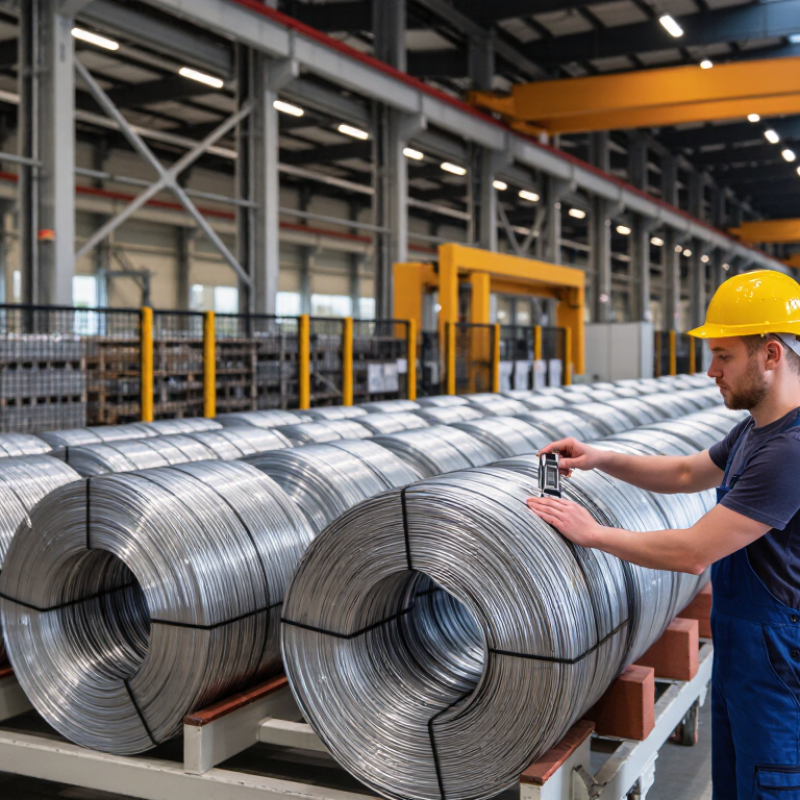
In 2026, global buyers are comparing Wire Mesh Nets by performance, not appearance alone.Steel Wire Net remains common for security fencing, machine guards, storage cages, and construction reinforcement. Its strength depends on wire diameter, tensile grade, opening size, and welding quality. A small opening improves containment but may increase weight and material cost.
Welded mesh offers stable panels and clean rectangular openings. Woven Mesh provides flexibility for filtration, screening, and ventilation. Expanded metal creates a rigid surface with useful airflow and lower waste.
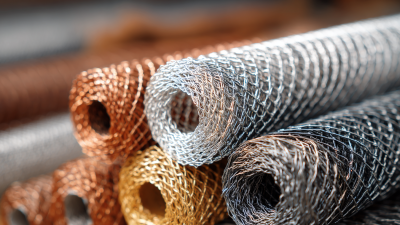
Stainless steel suits humid processing areas, while galvanized steel supports outdoor use with practical corrosion resistance. Aluminum is lighter, but it may deform under heavy impact. Choose carefully.
Industrial buyers should request test data, coating thickness, dimensional tolerances, and batch traceability. A supplier’s production records reveal more than polished photographs. Sampling also matters. I have seen mesh that looked precise but failed after repeated loading because its welds were inconsistent. That detail is easy to miss.
Application conditions should guide the specification. Quarries need abrasion resistance and secure fastening. Food-processing facilities require cleanable surfaces and suitable corrosion resistance. Agricultural screens need controlled openings and reliable weather performance. Installation errors can still undermine excellent material, especially when panels lack adequate support or drainage. Shipping dimensions, packaging protection, and replacement availability deserve equal attention for international projects.
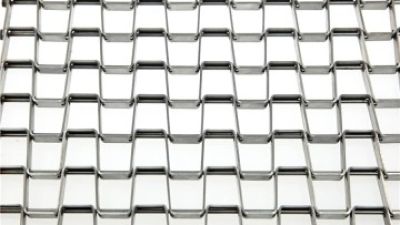
Flat wire belt solutions are designed for reliable conveying, processing, cooling, drying, washing, and sorting across demanding production environments. Their balanced mesh structure provides open airflow, effective drainage, smooth product transfer, and stable tracking. Food manufacturers can choose a Food-Grade Flat Wire Belt made from 316L stainless steel with FDA-compliant construction, or a Hygienic Flat Wire Belt with EHEDG certification for applications requiring easy cleaning and reduced contamination risks. A Non-Stick Flat Wire Belt is suitable for bakery and confectionery lines where product release is essential.
Material and operating conditions should guide belt selection. For thermal processing, a High-Temperature Flat Wire Furnace Belt rated up to 800°C can support furnace and heat-treatment operations. Marine and chemical environments may benefit from a Corrosion-Resistant Flat Wire Belt manufactured with marine-grade 316Ti. Electronics assembly lines can use an Anti-Static Flat Wire Belt to help control electrostatic discharge, while heavy stamping operations require a Heavy-Duty Flat Wire Belt capable of handling impact and concentrated loads.
Belt dimensions, wire diameter, pitch, opening size, edge style, and drive configuration should match the product and conveyor layout. A Low-Profile Flat Wire Conveyor works well for small parts handling where compact equipment is needed. Packaging lines may require Custom-Width Flat Wire Mesh for precise integration with existing machinery. For accurate product positioning, a Precision Alignment Flat Wire Conveyor System can improve tracking and reduce lateral movement during transfer. Selection should also consider load capacity, speed, temperature, cleaning procedures, allowable tension, and available installation space.
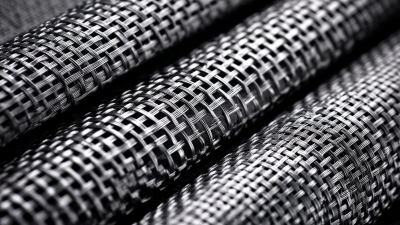
Woven mesh crosses longitudinal and transverse wires. It suits filtration, screening, and architectural panels. Welded mesh joins wires at every intersection. It creates rigid panels with predictable spacing. Small distortions can complicate installation.
Crimping shapes wires before assembly. This improves stability during heavy screening. It often suits quarry and industrial applications. Check opening size, wire shape, and fit. The result is not always perfect.
A sheet is slit and stretched. This creates diamond-shaped openings. The method can reduce material waste. It also provides useful strength at lower weight. Inspect flatness and strand width carefully.
ASTM A1064 supports requirements for steel wire and welded reinforcement. EN 10223-4 addresses steel wire fabric for fencing applications. ISO 4783-1 helps define industrial screen apertures and wire arrangements. Confirm revision dates and acceptance limits. Standards can overlap.
Request material certificates and batch inspection records. Ask for coating measurements and dimensional reports. Weld-shear tests can reveal weak joints. Mill certificates alone are insufficient. Request samples from regular production.
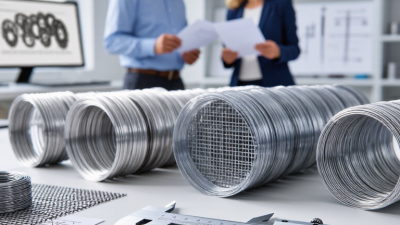
Measure wire diameter, aperture size, roll width, and flatness. A small aperture error may disrupt filtration. It may also affect airflow or material transfer. Check calibration dates and sampling methods. Use a ruler, caliper, and flat worktable.
Confirm the stainless steel grade or coating type. Request surface preparation details and coating thickness. Salt-spray testing can provide useful comparison data. However, laboratory hours cannot perfectly predict outdoor service. Real conditions remain messier.
Compare three-year shipment trends using international trade records. Request recent packing photos and container-loading details. Review a sample invoice before placing a large order. Independent testing may be sensible for demanding applications. Handling can expose hidden weaknesses.
In 2026, selecting the right Wire Mesh Net requires a clear understanding of mesh types, materials, and industrial applications. Products may be woven, welded, crimped, or formed from expanded metal, with performance determined by mesh size, wire diameter, tensile strength, opening accuracy, and structural stability. Material selection should also reflect operating conditions, including load demands, moisture, chemicals, temperature, and expected service life. Different designs support filtration, screening, fencing, construction, agriculture, mining, and general industrial use.
For global buyers, reliable manufacturers should be evaluated through internationally recognized benchmarks such as ASTM A1064, EN 10223-4, and ISO 4783-1, together with documented testing and quality-control procedures. Important comparison factors include production capacity, certifications, dimensional tolerance, corrosion resistance, minimum order quantity, lead time, packaging, and export experience. A dependable supplier should provide transparent technical data, consistent batch quality, traceable inspections, and practical communication throughout the ordering process. These criteria help buyers balance performance, compliance, cost, and delivery reliability when choosing products for international projects.