You know, in the fast-changing world of manufacturing these days, everyone’s always looking for ways to be more efficient and get more done. One of the coolest tech upgrades lately is the use of Mesh Belts. Honestly, they can boost productivity by up to 30% in a bunch of different industrial processes—pretty impressive, right? If you’ve checked out reports from industry groups like the International Materials Handling Institute, you’ll see that Wire Mesh Belts are super versatile and tough, making them the go-to choice for everything from food processing to auto assembly lines.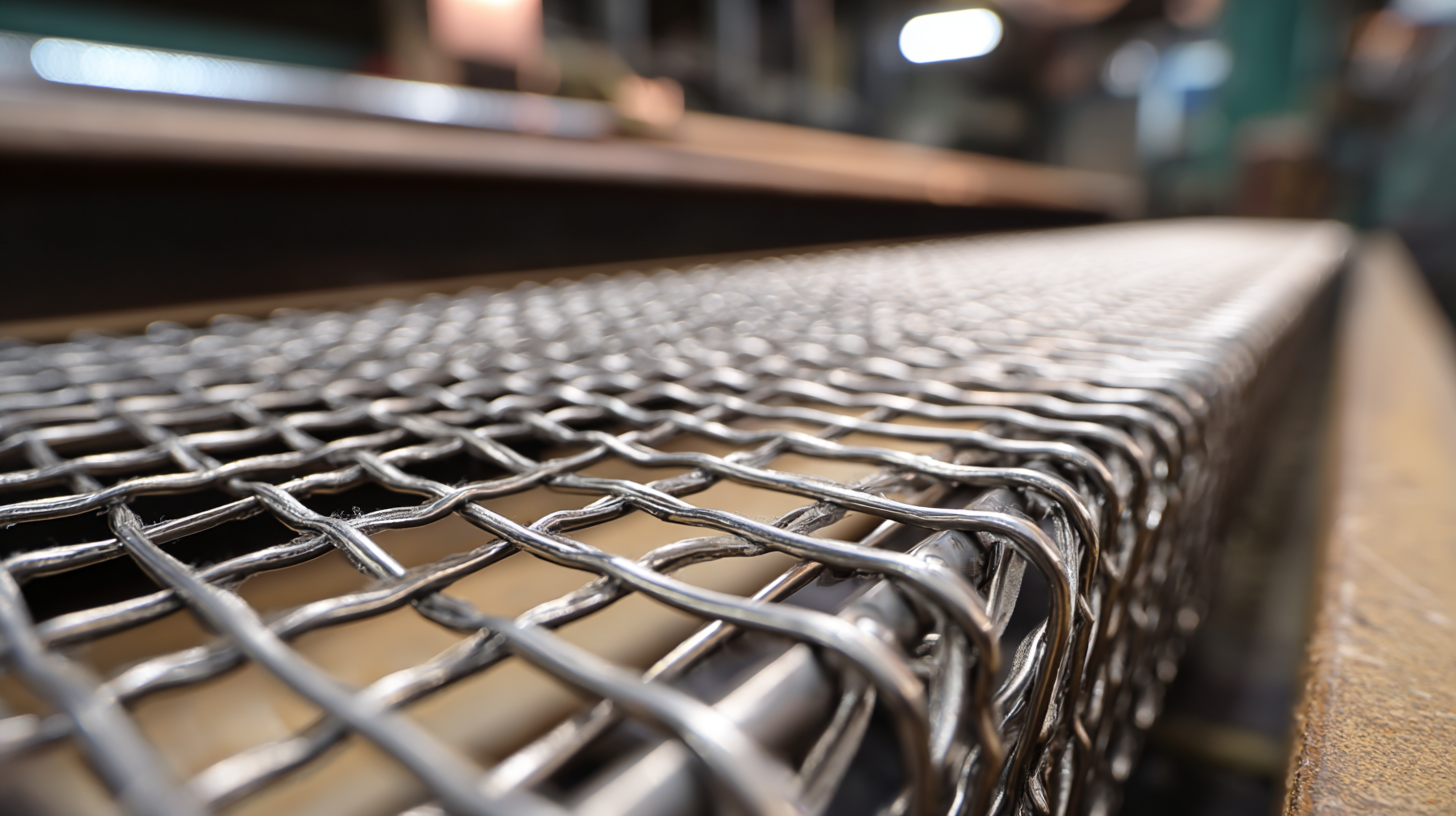 Here in China, JIANGSU HUADA Metal Mesh Belt CO., LTD. is really leading the charge in this space. They've been at it for a while, providing highly precise wire mesh belts and chain-driven systems to over 20 countries around the world. And with ISO 9001 and CE certifications for their factories, HUADA really sets the bar high when it comes to quality and innovation. They're definitely helping manufacturers hit their goals more smoothly and effectively.
Benefits of Mesh Belts in Manufacturing Efficiency
Mesh belts have really become a game-changer in manufacturing. They come with a ton of benefits that noticeably boost efficiency. One of the biggest perks is how they help with airflow and cooling — which is kind of a big deal, especially in industries like food processing or electronics, where keeping temperatures in check is super important. The open design means better ventilation, so products stay top quality and the risk of overheating gets cut down during production.
Plus, mesh belts can make things move a lot faster. Because they have a smooth surface and are pretty lightweight, handling and transporting materials becomes quicker. This can actually lead to a pretty impressive jump in productivity — some companies see up to a 30% boost! Less friction and a reliable surface mean shorter lead times and more efficient batches overall. Basically, manufacturers can keep up with demand better and spend less time stuck in downtime, which is a win-win all around.
How Mesh Belts Enhance Product Quality and Consistency
You know, mesh belts are really gaining recognition for how much they can influence product quality and consistency in manufacturing. They provide a smooth, even surface that helps move products smoothly through different stages of production. Plus, they do a great job of spreading heat evenly and reducing the chance of damaging delicate items, like baked goods. Because of that, your products not only look better but also keep their shape and freshness from start to finish. Honestly, that kind of attention to detail really builds customer trust and makes people more satisfied with what they’re getting.
And it’s not just that—there’s always new stuff happening with mesh belts, especially at trade shows where brands showcase their latest innovations. They’re now designed to handle a bunch of different manufacturing needs, all while making sure hygiene stays top-notch. Using lighter materials and smarter design tech helps with better airflow and easier cleaning, which is super important in baking and sweets industries. As manufacturers try to make their processes more efficient and their products better, it’s clear that mesh belts are becoming a crucial part of the game—and I think that’s pretty exciting.
The Role of Mesh Belts in Reducing Downtime and Maintenance
In the fast-paced world of manufacturing, staying efficient and reliable is pretty much everything. One of the biggest game-changers for reducing downtime? Mesh belts. According to a report from the International Journal of Production Research, using mesh belts in different manufacturing processes can boost operational efficiency by around 30%. That’s mainly because they’re tough and well-designed—distributing loads better and making cleaning a breeze, which means less time stuck fixing stuff and more time moving forward.
Plus, mesh belts are built to last. They’re durable and mean fewer maintenance headaches. A recent piece in Manufacturing Technology Insights mentioned that companies that switched over to mesh belts saw about a 25% cut in maintenance costs. That’s a huge deal, especially when unexpected breakdowns can really hit the bottom line. By jumping on the mesh belt bandwagon, manufacturers don’t just get more out of their day-to-day ops—they also make maintenance simpler and more predictable, letting them focus on what truly matters: growing and making more profit.
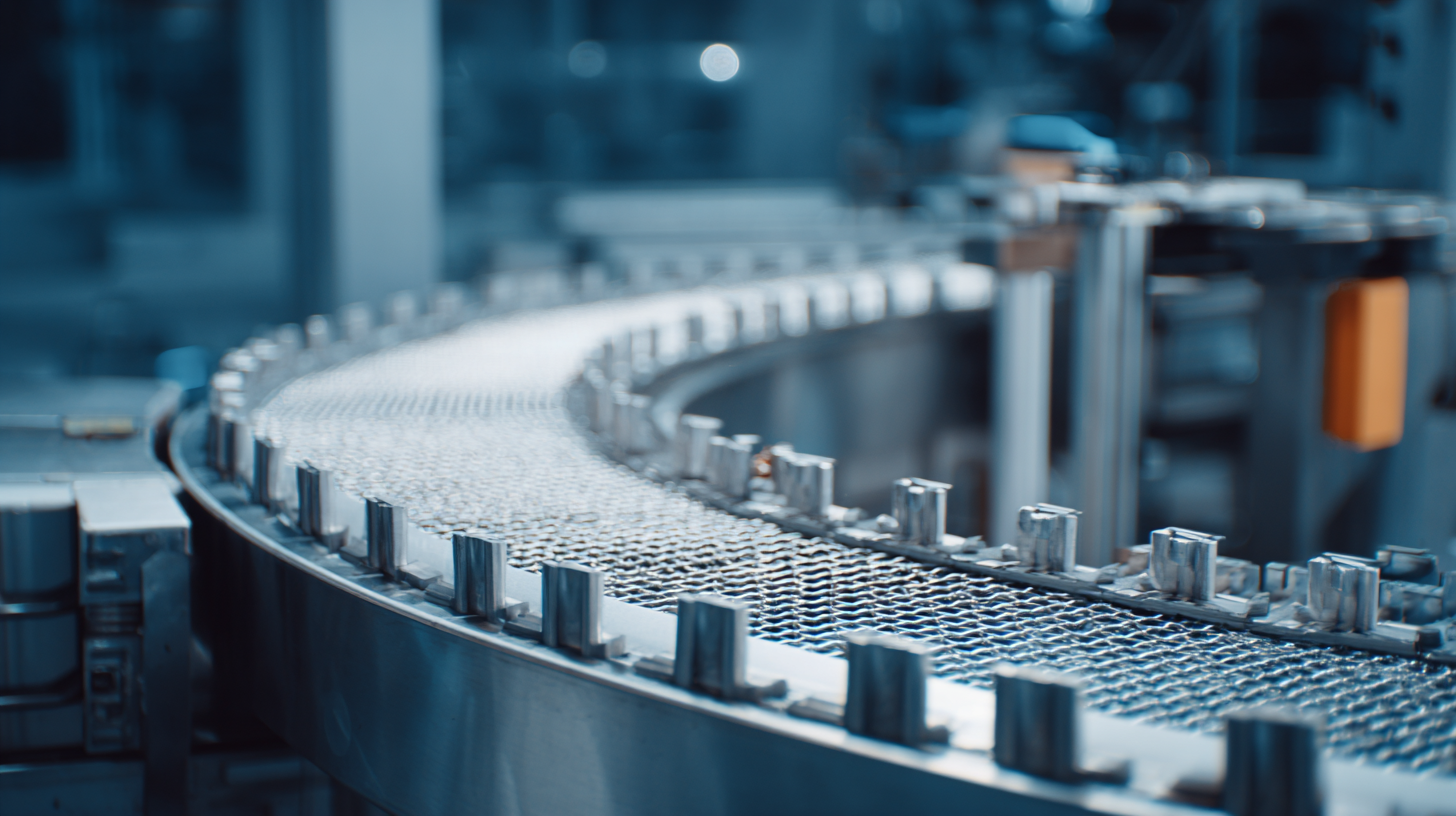
Cost Savings Through the Use of Mesh Belts in Production
Ya know, incorporating mesh belts into manufacturing processes has really shown some pretty impressive cost-saving benefits, boosting overall efficiency by around 30%. As companies are constantly tightening their belts and really trying to squeeze out every bit of productivity, switching over to smarter conveyor systems like mesh belts becomes a total game-changer. I read in a recent industry report that using these belts effectively can cut down operational costs by making workflows smoother and cutting down on material waste — which is a big deal for businesses trying to stay profitable, especially when market conditions aren’t exactly stable.
Plus, it's not just one or two sectors jumping on this bandwagon. Leading companies in areas like agriculture and manufacturing are also leaning into digital solutions and eco-friendly practices, which makes components like mesh belts super popular now. For instance, a study from the Manufacturing Industry Research Council mentioned that firms using modular setups, including mesh belts, saw their processing times drop by about 20%, all while better allocating resources. So, as businesses are looking to stay resilient and grow sustainably, investing in mesh belts isn’t just about saving a buck right now — it’s also a smart move for the long haul, helping them stay competitive in what’s becoming an increasingly tough economy.
Comparing Mesh Belts to Traditional Conveyor Systems
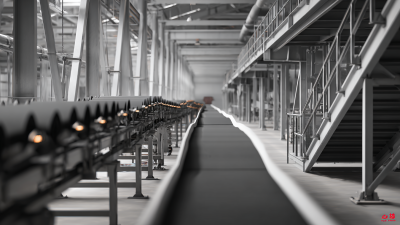
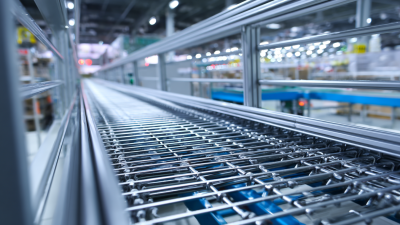
When you compare mesh belts to those old-school conveyor systems, you'll notice a bunch of advantages that really show how efficient mesh tech can be in manufacturing. You see, traditional conveyors often use solid materials, which can cause issues like product pile-ups and poor airflow. On the other hand, mesh belts are designed with an open, airy structure—this means better ventilation and more even heating or cooling for whatever you're processing. Not only does this help improve the quality of your products, but it also cuts down cycle times, so things move faster overall.
Plus, mesh belts are super flexible when it comes to handling all kinds of materials and different product sizes. Old-school conveyors? They can get pretty tricky with odd shapes or sizes, often leading to downtime for adjustments and maintenance. Mesh belts, however, can easily adapt to changing needs, making the whole operation smoother. They keep the tension and alignment steady too, so performance stays reliable. All in all, switching to mesh belts can boost efficiency by up to 30%, making them a real game-changer for modern manufacturing setups.
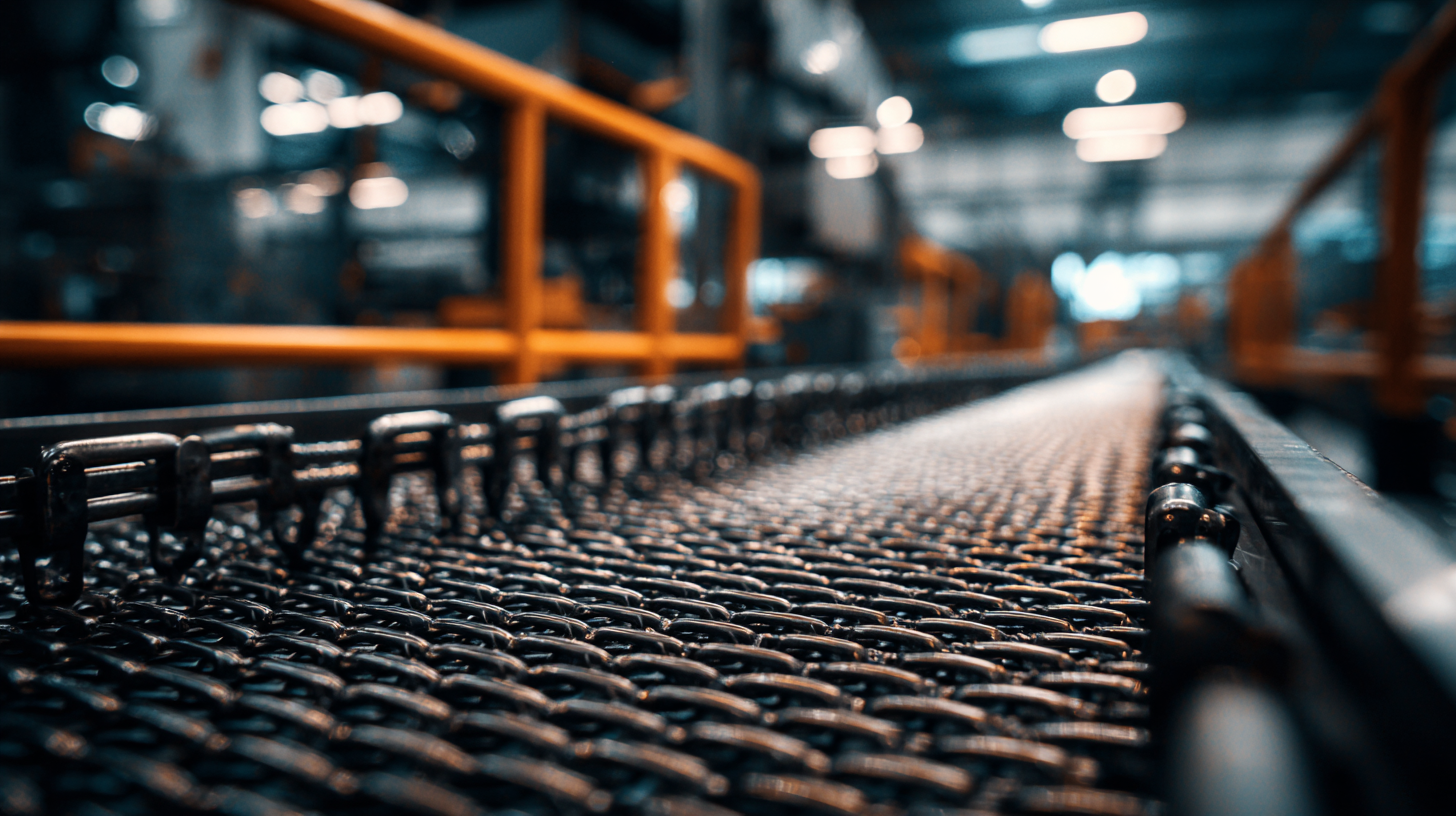
Innovative Applications of Mesh Belts in Various Industries
Mesh belts have really become a go-to solution across a bunch of different industries. They’re super versatile and come in handy in all sorts of ways to make work more efficient and boost productivity. For instance, in food processing, you’ll often see mesh belts carrying delicate stuff like baked goods or fruits. They’re great because they prevent damage, while also allowing good airflow for cooling or drying. Plus, their ability to handle different temps and stay easy to clean makes them pretty much essential for keeping food fresh and safe.
But it’s not just food—mesh belts are also really making a difference in manufacturing and material handling. They’re used on assembly lines to move parts smoothly along the process, helping things run without a hitch. In the car industry, for example, mesh belts transport heavy car parts, which is a big deal for keeping things moving without unnecessary delays. And in textile factories, they help move fabric rolls around quickly, making it easier to switch up production and cut down on lead times. Because of all these varied uses, it’s clear that mesh belts are becoming more and more important in the world of modern manufacturing.
FAQS
: Mesh belts offer better airflow and cooling, increased production speed, and improved product quality and consistency, leading to enhanced overall efficiency in manufacturing processes.
The open design of mesh belts allows for optimal ventilation, ensuring that products maintain their quality and reducing the risk of overheating during processing.
Mesh belts enable faster material handling and transportation, which can result in up to a 30% boost in efficiency, shortening lead times and enhancing productivity.
Mesh belts provide a smooth, uniform surface that minimizes product damage during handling and facilitates even heat distribution, ensuring the integrity of sensitive items like baked goods.
Mesh belts are designed with lightweight materials and advanced technology that improves airflow and cleaning efficiency, which is crucial for maintaining hygiene in industries such as baking and confectionery.
Mesh belts are utilized in food processing for transporting delicate items, in assembly lines for seamless component transport, in the automotive sector for moving heavy parts, and in textile manufacturing for supporting fabric rolls.
In the automotive sector, mesh belts assist in the transport of heavy parts, minimizing downtime and improving output rates during production.
Mesh belts support the movement of fabric rolls, allowing for quick changes in production setups and reducing lead times in textile manufacturing processes.
Conclusion
In the world of manufacturing, Mesh Belts really make a difference when it comes to boosting efficiency—sometimes by as much as 30%. They're designed in a way that not only helps things run smoothly but also really improves the quality and consistency of the products. Using Mesh Belts can cut down on downtime and maintenance headaches, which means everything keeps running without a hitch. Plus, when you look at the costs, they’re pretty attractive compared to the old-school conveyor systems — saving money while upgrading your operation.
And honestly, the beauty of Mesh Belts is how versatile they are. You see them popping up in all kinds of industries, proving just how essential they’ve become in modern manufacturing scenes. As a leader in this field, JIANGSU HUADA METAL MESH BELT CO., LTD. offers top-notch, carefully engineered wire mesh belts that meet strict ISO 9001 and CE standards. That commitment to quality means companies worldwide can count on their Mesh Belts to keep their production running smoothly and efficiently.