You know, in today's fast-paced world of manufacturing and logistics, having reliable and efficient conveyor belts is super important—like, more than ever before! A report from MarketsandMarkets says that the global conveyor belt market is on track to hit a whopping USD 7.64 billion by 2025, thanks to the rise of automation in all sorts of industries. Now, if you're looking for quality, JIANGSU HUADA METAL MESH BELT CO., LTD., a pioneering Metal Conveyor belt manufacturer in China, absolutely stands out with their precision-engineered wire mesh belts and chain-driven systems. They’ve got ISO 9001 and CE certifications, which is no small feat, and they’re already serving customers in over 20 countries across five continents. That’s pretty impressive, right? If you're in the market for the best conveyor belt solutions, teaming up with someone like HUADA could really boost your operational efficiency and safety. Trust me, you definitely want a reliable partner in this industry!
Understanding the Essential Role of Conveyor Belts in Modern Industry
In today’s fast-paced world, conveyor belts are super important for keeping businesses running smoothly and efficiently. A report from Market Research Future even suggests that the global conveyor systems market could grow by about 4.5% each year between 2021 and 2027. That's a pretty big deal, right? It really shows how much we’re relying on these indispensable tools. From manufacturing to packaging and even distribution, these belts help with moving materials around, which cuts down on delays and can lower labor costs, too.
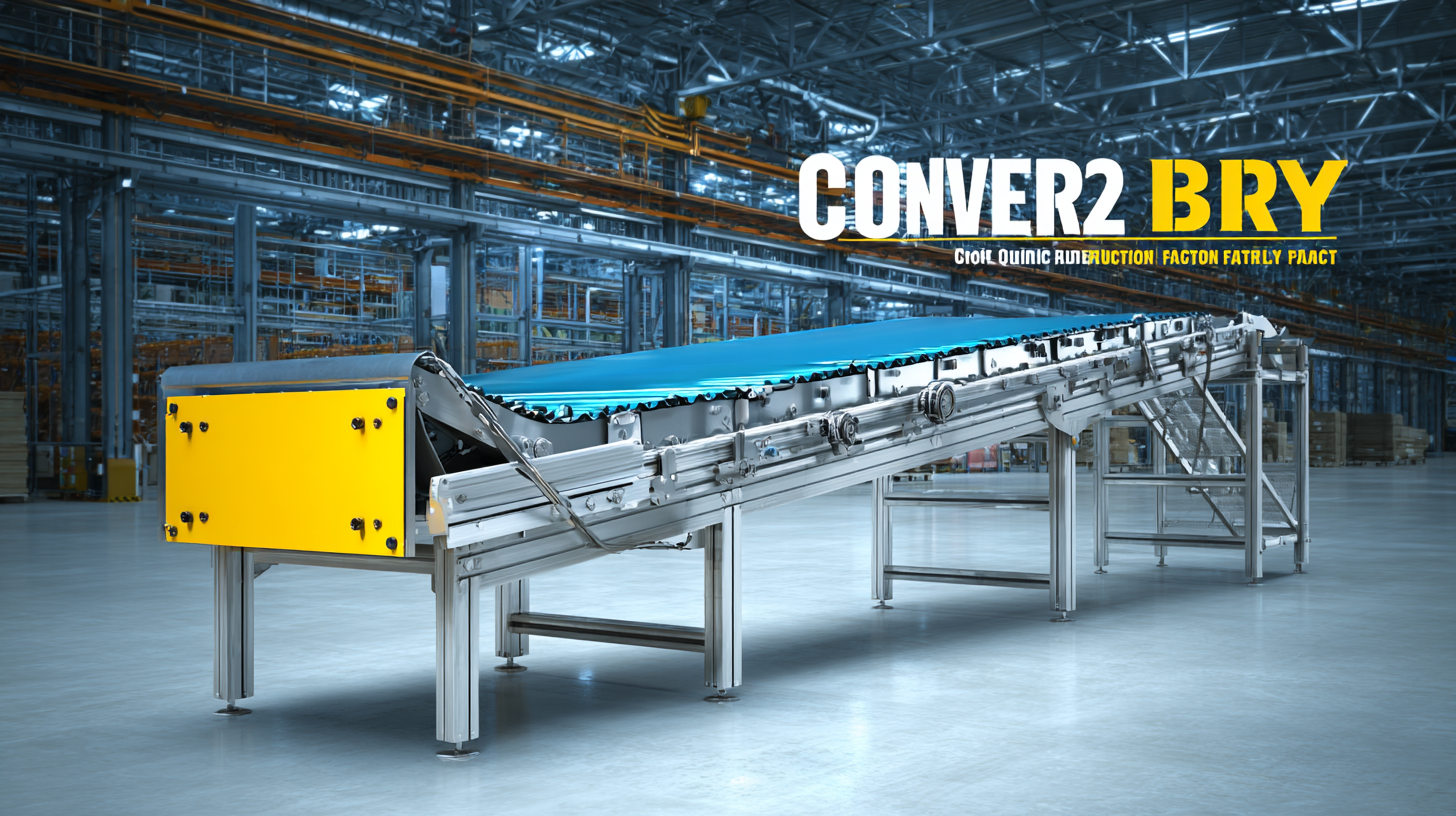
Now, when you’re picking out a conveyor belt, it’s really important to think about the material and design that fits your specific needs. For instance, a study by Research and Markets has found that modular belts are gaining traction, especially in the food processing sector where cleanliness and adaptability are key. As more industries look to automate their processes, putting money into high-quality conveyor belts from reputable brands is a smart move if you want durability and top-notch performance.
A few quick tips:
1. Keeping up with regular maintenance on your conveyor belts can really help them last longer and keep everything running smoothly.
2. Make sure to choose the right type of belt depending on the materials you’re working with and the environment it’s in. This will help you get the best performance.
3. Stay in the loop with the latest trends and innovations in the industry so you can make smart choices about possibly upgrading your conveyor systems.
Key Features That Define the Best Conveyor Belts: Durability, Efficiency, and Cost-effectiveness
So, when you’re picking out a conveyor belt, there are three big things to keep in mind: durability, efficiency, and cost-effectiveness. First off, durability is key, especially in industrial environments where these systems have to handle heavy loads all day long. The best conveyor belts are made from top-notch materials that can really take a beating, which means they last longer and you won’t have to shell out cash for replacements every few months. This is a win-win, saving you money in the long haul and keeping everything running smoothly without a lot of interruptions.
Now, let’s talk about efficiency. This is another super important quality of a great conveyor belt. A well-crafted belt can really streamline the whole Material Handling process, cutting down on friction and energy use while still operating seamlessly. Things like advanced surface textures and custom designs can make a huge difference, allowing for quicker movement of goods. And don’t forget, cost-effectiveness goes hand-in-hand with durability and efficiency. Sure, investing in a high-quality conveyor belt from a top factory in China might seem pricey at first, but the savings on maintenance and energy use over time really make it a smart choice. Keeping these features in mind means you’ll be set up with the best conveyor systems out there.
Analyzing the Manufacturing Process: From Material Selection to Quality Control
You know, when it comes to making really top-notch conveyor belts, the way they're manufactured is super important! If we break it down—from picking the right materials to keeping a close eye on quality—there are a bunch of key factors that really shape the final product. It’s not just about grabbing the best raw materials; it’s also about figuring out how those materials will handle the stress they'll face in real-world situations. Nowadays, we can use cool tools like Process Analytical Technologies (PAT) to make sure everything meets tough standards before we even get to the production stage. This real-time monitoring lets us tweak things on the fly, which is perfect for the industry's move towards smart manufacturing powered by big data.
And let’s not forget, quality control is really the heart of making great stuff! We need to implement strategies that really ramp up how we spot defects. Drawing from new tech like Bayesian decision analysis can help improve our in-line measurement tools, which means that every single part of the conveyor belt-making process gets the careful check-up it deserves. Plus, by continuously optimizing the manufacturing process with feedback loops backed by big data, factories can really push towards zero-defect manufacturing strategies. Integrating advanced analytics doesn’t just boost efficiency; it also builds customer trust in the final product. It's no wonder that conveyor belts from China’s top factory are setting the standard for quality and reliability!
Unmatched Quality and Trust The Best Conveyor Belt from China's Leading Factory
| Dimension | Material Type | Manufacturing Process | Quality Control Method | Lead Time (Days) |
| 1000 mm x 50 m | TPU | Extrusion and Vulcanization | Visual Inspection and Tensile Testing | 20 |
| 1200 mm x 100 m | PVC | Lamination and Cutting | Batch Sampling and Elongation Test | 15 |
| 800 mm x 75 m | Rubber | Molding and Curing | X-ray and Hardness Testing | 25 |
| 1500 mm x 90 m | Silicone | Coating and Splicing | In-line Inspection and Fatigue Testing | 30 |
Comparative Study of Conveyor Belt Types: PVC, Rubber, and Metal Mesh
So, when you’re diving into the world of conveyor belts, picking the right one for your specific application is pretty darn important. There are three big players in the game—PVC, rubber, and metal mesh—and each one has its own quirks that make it suited for different industries. PVC conveyor belts are lightweight and super flexible, which is why they’re such a hit in the food processing and packaging sectors where keeping things clean is a must. They also hold up well against oils and chemicals, which means they last a long time, and let’s be honest, nobody enjoys a lengthy cleaning job, right? The low maintenance aspect definitely tips the scales in their favor.
Then you’ve got rubber conveyor belts. These guys are the workhorses of the bunch, built tough for all those heavy-duty jobs—think construction sites, mining, and moving bulk materials around. With their high tensile strength, they can handle some serious loads and thrive in really rough conditions. Plus, if you’re after a quieter operation, rubber belts actually help cut down on noise and vibrations, making everything a bit more pleasant for those working nearby.
Last but not least, we can’t forget about metal mesh conveyor belts. They’re a game-changer when it comes to handling high temperatures or needing that extra airflow, especially in the chemical or food industries. Their strong design can support hefty items while still allowing for great ventilation. In the end, the best conveyor belt for you really boils down to what exactly your operation needs—after all, efficiency and reliability are key in any processing line.
Evaluating the Supply Chain: Why Choosing a Leading Chinese Factory Adds Value
So, when you're looking at the whole supply chain thing, picking a top-notch factory in China for your conveyor belts can really ramp up your operational efficiency and boost product quality. Lately, we've seen a big rise in using deep learning and machine learning in supply chain management, and honestly, it's pretty exciting. These techy tools give great insights into how to choose suppliers and manage your inventory better. It's like giving leading manufacturers superpowers to fine-tune their processes, trim down production costs, and make their supply chains way more reliable.
Plus, let’s not forget about how China’s manufacturing clout isn’t just staying home; it’s shaking up trade relationships and creating investment opportunities all over the globe. With foreign investors eager to tap into China's resources, partnering up with the best factories out there helps keep things sustainable and ethical. This approach tackles global supply chain issues head-on while also resonating with consumers who care about responsible manufacturing. So, by focusing on building partnerships with reputable Chinese factories, businesses can really snag a competitive edge through better product quality, a burst of innovation, and a supply chain that can weather the storms.
Conveyor Belt Production Capacity Comparison
Industry Trends: Innovations and Technology in Conveyor Belt Manufacturing
You know, the conveyor belt industry is really shaking things up these days with some pretty exciting innovations and tech advancements. It's driving a whole lot of growth and investment. Check this out: recent forecasts suggest that the global toasting machine market is set to jump from $4.26 billion in 2025 all the way up to a whopping $6.54 billion by 2032. That’s a solid compound annual growth rate (CAGR) of about 6.33%! This surge pretty much shows that there’s a growing need for top-notch conveyor systems across different sectors like packaging, food processing, and materials handling.
One major thing that’s been happening is the acquisition of a U.S. conveyor belt manufacturer by a big global player. This strategic move is all about boosting their presence in the agricultural sector, and it highlights a trend of consolidation in the industry. Companies are really focusing on enhancing their operational capabilities and expanding their market reach. Plus, with new manufacturing tech and innovative materials coming into play, conveyor belts are becoming crucial for boosting production efficiency and keeping supply chains running smoothly. As these trends evolve, it’s becoming super important for manufacturers to prioritize top-quality products and build trust if they want to stay ahead in this competitive landscape.