In today's fast-paced manufacturing world, efficiency is key. Conveyor Furnaces have emerged as essential tools for various heating solutions. Experts emphasize their importance. John Smith, a well-known specialist in thermal processing at Industrial Heating Corp, states, "The right Conveyor Furnace can drastically reduce production time while ensuring uniform heating."
With the advancements in technology, the design and functionality of Furnace Conveyors are continuously evolving. They are built to enhance energy efficiency and provide consistent heat distribution. This ensures high-quality output, which is critical in manufacturing. However, not all systems deliver the promised performance, and sometimes, businesses overlook the nuances of proper operation.
Despite their advantages, there are challenges. Misalignment in temperature control can lead to inconsistent results. Adjustments in airflow and material movement are often necessary. Investing in a quality Conveyor Furnace is crucial, but maintenance and understanding are equally important. As the industry grows, manufacturers must remain open to learning and adapting. The quest for efficiency in heating solutions is a journey, not just a destination.
Understanding Conveyor Furnaces and Their Applications
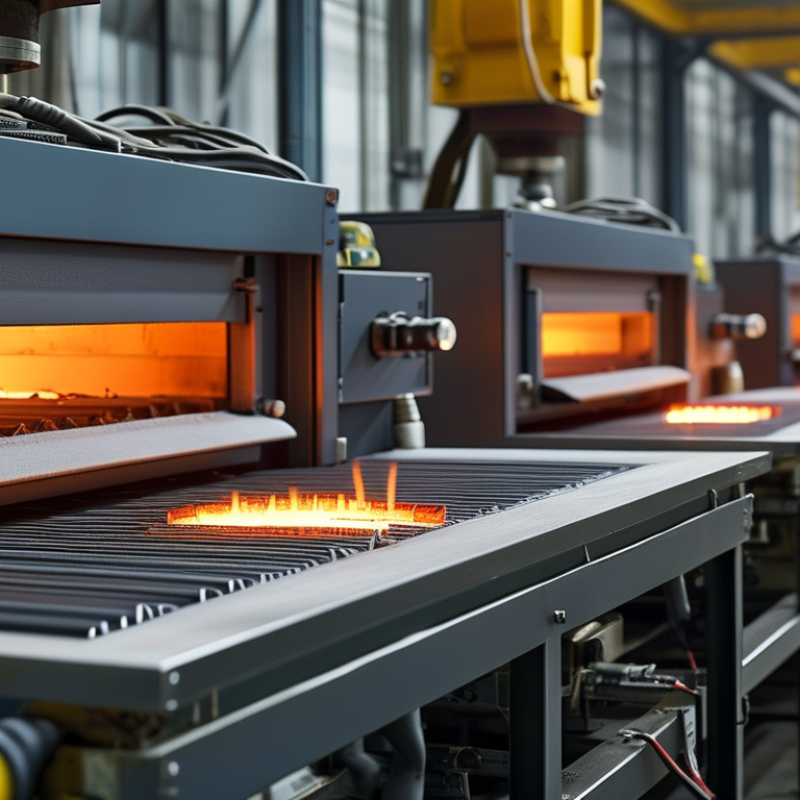
Conveyor furnaces are pivotal in various industrial applications. They provide uniform heating, which is essential for processes like annealing, brazing, and sintering. Understanding these furnaces helps optimize their usage. They operate by moving materials through a heated chamber, ensuring consistent temperature control. This design is vital for quality and efficiency.
Tips for using conveyor furnaces effectively include maintaining the correct temperature settings. Overheating can lead to material degradation, affecting the final product. Regular maintenance checks can prevent unexpected breakdowns. Inspect the heating elements and conveyance system for wear and tear.
Consider the material flow rate as well. An uneven flow can result in inadequate heating. Adjusting the speed of the conveyor can optimize heating efficiency. Pay attention to the types of materials being processed. Different materials may require specific heating profiles for the best results. Understanding these factors can lead to improved productivity and reduced waste.
Key Features to Look for in a Conveyor Furnace
When selecting a Conveyor Furnace, several key features significantly impact performance. Temperature control is crucial. Precise monitoring ensures consistent heating, preventing defects in materials. Multiple heating zones can cater to various production needs. This flexibility allows for processes that require different temperatures within the same cycle.
Another important aspect is energy efficiency. A conveyor furnace should use minimal energy while delivering optimal results. Look for insulation quality and advanced heating technologies. These contribute to lower operational costs, enhancing the overall effectiveness of your facility.
Reliability cannot be overlooked. A durable design can withstand high temperatures and long operational hours. Routine maintenance will be necessary, but a robust conveyor furnace should minimize downtime. Investing time in understanding your specific requirements will lead to better decisions, resulting in enhanced production quality and efficiency.
Types of Conveyor Furnaces and Their Heating Methods
Conveyor furnaces are essential in industrial heating. They come in various types, each designed for specific purposes. The main heating methods include resistance, induction, and infrared. Each method has its unique benefits.
Resistance heating is common in many applications. It uses electrical currents for heating. This method ensures uniform temperature distribution. However, it may not be as energy-efficient as others.
Induction heating, on the other hand, is faster and more efficient. It heats the materials directly through electromagnetic fields. Yet, this method requires careful monitoring to avoid overheating.
Infrared heating is another method worth mentioning. It transfers heat via infrared rays. This method is excellent for quick heating and can be energy-efficient. However, it may not penetrate thick materials effectively. Choosing the right conveyor furnace involves understanding these methods. Each has its strengths and weaknesses. Proper selection can lead to significant energy savings and improved efficiency in production.
Energy Efficiency Considerations for Conveyor Furnaces
When selecting a conveyor furnace, energy efficiency is a critical factor. Research shows that approximately 30% of industrial energy is wasted due to poor heating technologies. A well-designed Furnace Conveyor Belt can significantly reduce operational costs by optimizing heat distribution. Efficient designs incorporate advanced insulation and energy recovery systems, which can save up to 20% in energy consumption compared to older models.
Data from the U.S. Department of Energy highlights that energy-efficient conveyor furnaces may have payback periods of less than three years. This is vital for manufacturers aiming to enhance their bottom line while also adhering to environmental regulations. Moreover, using fluctuating power rates for operation helps maximize energy savings. However, many facilities still rely on outdated systems, leading to excessive energy waste.
Monitoring energy use is essential for improvement. Regular audits can identify inefficiencies in your current conveyor furnace operations. It's easy to overlook the hidden costs associated with energy losses. Proper training for operators and maintenance staff can lead to better handling of communication. Addressing these areas may not only fulfill energy efficiency goals but also foster a culture of sustainability in the manufacturing sector.
Maintenance Tips for Optimal Performance of Conveyor Furnaces
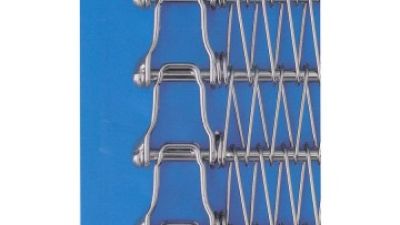
Regular maintenance is essential for the optimal performance of a Mesh Belt Conveyor Furnace. This equipment is vital for applications like heat treating and sintering. Check the heating elements and ensure they are clean and intact. Dirty or damaged elements can lead to uneven heating and affect product quality.
Additionally, inspecting the conveyor belt for wear and tear should be a routine task. A damaged mesh can impact the material flow and create bottlenecks. Periodically lubricate the moving parts to prevent friction and extend the furnace’s lifespan. Tracking the operating temperatures is crucial. Too high or too low temperatures could cause product defects.
Finally, maintain a detailed log of maintenance activities. This can help identify patterns and prevent unexpected breakdowns. Addressing small issues earlycan save on costly repairs later. A proactive approach ensures that your Mesh Belt Conveyor Furnace operatesefficiently and reliably, ultimately supporting your business goals.
Cost Analysis: Investing in a Conveyor Furnace
Investing in a conveyor furnace can be a significant financial commitment. A well-designed Sintering Furnace Conveyor Belt can improve heating efficiency drastically. This results in better product quality and reduced energy costs over time. However, understanding the initial investment versus long-term savings is crucial.
Many businesses overlook the potential return on investment (ROI) when selecting a heating solution. Quality matters, and while cheaper options exist, they may not deliver the same efficiency. A conveyor furnace's operating costs, maintenance, and energy consumption should be evaluated carefully. Customers often report unexpected expenses related to lower-end models, leading to regrets.
Moreover, the lifespan of a furnace is another factor to consider. An investment in a quality Sintering Furnace Conveyor Belt often leads to longer operational timelines. This translates to fewer disruptions and a steadier production rate. Conducting a thorough cost analysis can highlight these aspects. It's wise to compare features, evaluate performance, and anticipate potential needs for future upgrades.
Industry Case Studies Highlighting Successful Conveyor Furnace Use
In recent years, numerous industries have adopted conveyor furnaces for efficient heating solutions. These systems streamline heating processes and improve product consistency. For instance, a case study in the automotive sector revealed that a conveyor furnace reduced cycle time by over 30%. This significant improvement allowed manufacturers to meet rising demand without sacrificing quality.
Moreover, in the food processing industry, conveyor furnaces have proven advantageous for eliminating bacteria in rendered oils. A study indicated a 50% reduction in contamination rates, underscoring the effectiveness of controlled heating environments. However, implementing these systems requires careful planning. Historically, some companies have faced challenges with energy consumption due to improper calibration.
Tips: Regular maintenance is vital. Schedule inspections to ensure optimal performance. Training staff on equipment usage can prevent errors. Additionally, monitor energy usage to identify potential inefficiencies.
While conveyor furnaces present various benefits, they are not without their pitfalls. Some facilities report uneven heating as a significant issue. Proper installation and real-time monitoring are crucial for success. Conducting pilot runs can help in fine-tuning the system before full-scale implementation. This approach minimizes risks and enhances productivity.
Efficient Food Processing: Choosing the Right Food-Grade Spiral Conveyor Belts from China Factory Suppliers
When selecting food-grade spiral conveyor belts, it's crucial to consider the specific needs of your food processing operations. Leading suppliers from China offer a range of options tailored for efficiency and compliance with food safety standards. One standout option is the Food-Grade Spiral Freezer Belt made from 316L stainless steel, which meets FDA regulations and provides durability under various freezing conditions. Perfect for applications that require high hygiene standards, these belts ensure that food products remain uncontaminated during processing.
For operations dealing with frozen seafood or individual quick freezing (IQF) processes, options like anti-stick spiral conveyors and hygienic spiral mesh belts become essential. These products are designed to minimize product loss and ensure seamless handling of frozen goods, even at extremely low temperatures, down to -40°C. Additionally, the corrosion-resistant spiral freezing belts, crafted from marine-grade materials, highlight the importance of longevity, especially in high-capacity vegetable IQF lines.
Moreover, the innovation in design extends to features such as quick-release mechanisms for easy cleaning and energy-efficient conveyor systems that enhance overall productivity. Suppliers in China are focused on providing custom-diameter spiral belts that are ideal for compact freezer designs, ensuring that food processing operations can be tailored to specific requirements. By choosing the right food-grade spiral conveyor belts, businesses can significantly improve their operational efficiency while adhering to the highest food safety standards.
FAQS
: A conveyor furnace improves heating efficiency, leading to better product quality and reduced energy costs.
Understanding initial investments versus long-term savings helps avoid financial regrets and ensures better ROI.
Cheaper options may result in unexpected expenses and lower efficiency, causing long-term regrets.
Investing in quality often leads to longer operational timelines and reduces production disruptions.
In the automotive industry, one case study showed a 30% reduction in cycle time using a conveyor furnace.
Companies may face energy consumption issues due to improper calibration and uneven heating.
Regular inspections ensure optimal performance and help identify potential inefficiencies early.
Proper training on equipment prevents errors and enhances overall productivity.
Conducting pilot runs helps fine-tune systems and minimizes risks in performance.
Some facilities report uneven heating, which requires careful installation and real-time monitoring for success.
Conclusion
The article "Best Conveyor Furnace for Efficient Heating Solutions?" provides a comprehensive overview of conveyor furnaces and their various applications in industrial settings. It begins with an explanation of what conveyor furnaces are and explores the key features one should consider when choosing the right model, including heating methods and energy efficiency. The article emphasizes the importance of selecting the appropriate type of conveyor furnace for specific heating needs, as well as the economic aspects involved in investing in such equipment.
Moreover, it addresses maintenance tips essential for ensuring the optimal performance of conveyor furnaces, alongside a cost analysis that highlights the long-term benefits of these systems. Finally, the article presents industry case studies that showcase successful implementations of conveyor furnaces, illustrating their effectiveness and efficiency in real-world scenarios. Overall, this piece serves as a valuable guide for industries looking to enhance their heating solutions through conveyor furnace technology.