Leave Your Message
0%

In today’s fast-changing world of industrial manufacturing, the need for efficient heating solutions is more important than ever. Conveyor Furnaces, in particular, have really become a go-to option for many companies. As industry expert Robert McKinney from HeatWave Technologies puts it, “A well-designed conveyor furnace can really boost your production efficiency.” That’s a pretty clear nudge for buyers around the globe to focus on finding the best options out there.

Now, I get it — the tech behind conveyor furnaces can seem pretty overwhelming at first. But honestly, picking the right one is crucial if you want things to run smoothly. When you’re shopping around, it’s smart to look not just at the price but also at stuff like energy efficiency, how evenly it heats, and how much maintenance it needs. Sometimes folks overlook these details and end up making costly mistakes later on.

Buying a conveyor furnace isn’t just about making a purchase — it’s a strategic move. You’ve got to think about the long-term benefits versus the upfront costs. A badly chosen furnace can cause all sorts of headaches — wasted resources, inefficiencies, and unnecessary downtime. So, as you navigated this sometimes tricky market, knowing what features matter most could really make or break your production success.
Best Conveyor Furnace Options for Global Buyers?

Types of Conveyor Furnaces Available in the Market

Best Conveyor Furnace Options for Global Buyers?

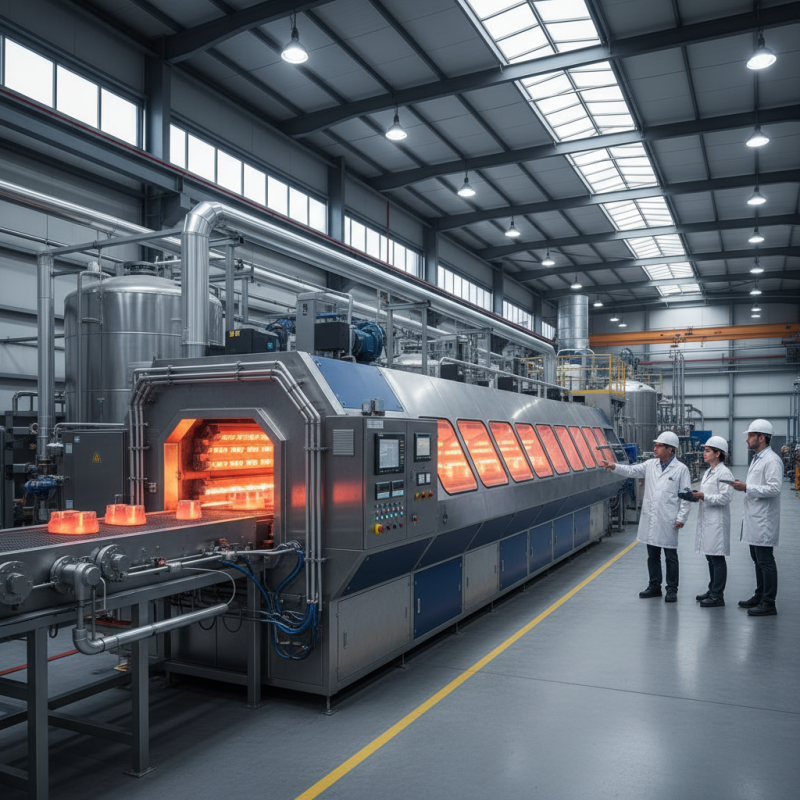
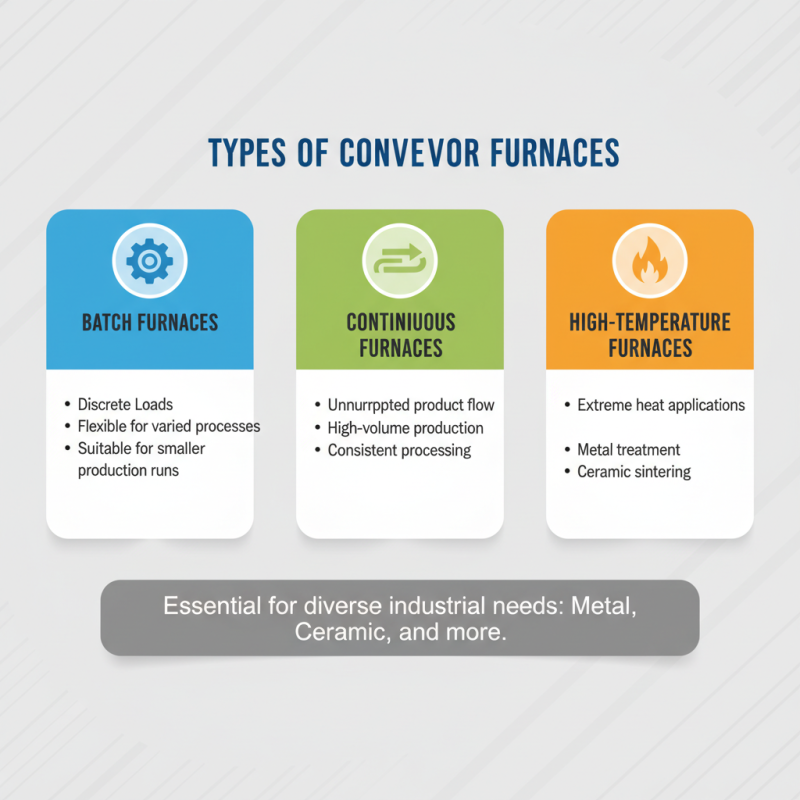
Conveyor Furnaces are essential in various industrial applications, including metal treatment and ceramic sintering. In the market, there are several types of conveyor furnaces available to meet diverse needs. The most common types include batch furnaces, continuous furnaces, and high-temperature furnaces. Each type serves distinct operational requirements and efficiencies.

Batch conveyor furnaces are suitable for small production runs. They allow flexibility in processing different materials. Continuous conveyor furnaces are more efficient for mass production, offering lower cycle times. High-temperature conveyor furnaces are designed for specialized applications requiring extreme heat. According to the latest industry report, the demand for continuous conveyor systems is expected to grow by 5% annually.

**Tips:** When selecting a conveyor furnace, consider your production volume. Smaller operations may benefit from batch systems. Larger facilities often achieve better efficiency with continuous types. Evaluate the materials you handle as well; different furnaces are designed for specific temperature ranges.

The market is evolving with advancements in technology, which can improve energy efficiency. Some companies are developing smarter systems that integrate real-time monitoring. Yet, not all furnaces adapt swiftly to changing manufacturing demands. Knowing the various options helps companies make informed decisions, optimizing their production processes.

Key Features to Consider When Choosing a Conveyor Furnace

When selecting a conveyor furnace, key features play a critical role in achieving optimal performance. First, consider the temperature uniformity. Research shows that furnaces with a temperature deviation of less than ±5°C enhance the overall quality of thermal processes. Maintaining a consistent temperature profile is essential to ensure uniform heating or cooling of materials, which contributes to product quality.

Another significant feature is the energy efficiency of the furnace. According to the U.S. Department of Energy, industrial processes consume 32% of the total energy in the U.S., with furnaces being a major contributor. Efficient conveyor furnaces can reduce energy consumption by up to 30%, leading to cost savings and a smaller carbon footprint. Buyers should evaluate furnace designs that incorporate insulation materials and advanced heating technologies to maximize energy efficiency.

Lastly, the scalability of the furnace is crucial for businesses anticipating growth or changes in production needs. Models that offer adjustable conveyor speeds and modular designs can accommodate a variety of materials and processes. A flexible system enables companies to respond to market demands swiftly. However, users must reflect on the balance between initial investment and long-term operational costs. Engaging with industry reports can provide insights into the best practices for selecting the right conveyor furnace.

Best Conveyor Furnace Options for Global Buyers

Feature Option A Option B Option C
Temperature Range (°C) 500-1000 400-900 600-1200
Heating Method Radiant Convection Induction
Energy Efficiency (%) 85 90 92
Max Load Capacity (kg/h) 100 150 200
Control System Manual Semi-Automatic Fully Automatic

Comparative Analysis of Leading Conveyor Furnace Brands

When evaluating conveyor furnace options, it's vital to consider various brands. Each brand offers unique features and capabilities. For example, some may excel in temperature uniformity. Others might focus on energy efficiency. These factors can significantly impact your production process.

User feedback plays a crucial role in determining reliability. Many users report varying levels of satisfaction. Some brands are noted for their robust construction. This can lead to fewer breakdowns over time. Other brands may struggle with service support. This is crucial for minimizing downtime.

Cost is another aspect to consider. While some brands may present a lower initial investment, maintenance costs can add up. Long-lasting options could prove more economical in the long run. Researching warranty options is also essential. It reflects the manufacturer's confidence in their product. Ultimately, thorough research and user experiences can guide your decision.

Applications of Conveyor Furnaces in Various Industries

Conveyor furnaces serve critical roles across various industries. Their applications are diverse, from metal processing to glass manufacturing. According to a recent market report, the global conveyor furnace market is projected to grow at a CAGR of 6.5% from 2023 to 2030. This growth sparks interest in their efficiency and versatility.

In the automotive sector, manufacturers use conveyor furnaces to treat metal components. Heat Treatment enhances strength and wear resistance. Specific processes, like hardening, require precise temperature control achieved by aFurnace Conveyor Belt. This precision is vital, as any temperature fluctuation can compromise product integrity.

The electronics industry also relies on conveyor furnaces. They are essential for soldering and assembly processes. During manufacturing, defects can occur if the temperature is inconsistent. Data suggests that maintaining stability during production can reduce defects by up to 30%. Nonetheless, balancing efficiency and quality remains a challenge. Industries must constantly assess their processes to improve performance and minimize waste.

Best Conveyor Furnace Options for Global Buyers

This chart displays the applications of conveyor furnaces across various industries, highlighting the demand in each sector.

Cost Factors Influencing Conveyor Furnace Purchases

When considering the best conveyor furnace options, understanding cost factors is crucial. The purchase price can vary significantly based on several aspects. According to industry reports, the initial investment for a conveyor furnace can range from $50,000 to over $150,000. Factors such as furnace size, materials used, and technology directly impact this cost.

Energy efficiency is another important cost driver. High-efficiency models may have a higher upfront cost. However, they can reduce operational expenses significantly over time. Research indicates that businesses can lower their energy bills by 20-30% with these systems. This long-term savings often outweighs the initial investment.

Tips: Always assess the total cost of ownership (TCO) before making a decision. Consider maintenance expenses and energy consumption as part of your evaluation. Additionally, benchmarks from similar industries can provide valuable insights. Evaluate the lifespan and warranty options for the equipment. Choosing the right conveyor furnace involves looking beyond the purchase price. It's about finding the balance between quality and long-term benefits.

Maintenance and Safety Considerations for Conveyor Furnaces

When considering the maintenance and safety of conveyor furnaces, several key factors come into play. Regular checks on the electrical components are crucial. Ensure connections are tight and look for signs of wear. Unattended issues can escalate quickly.

Proper training for operators is essential. A well-informed team can spot potential hazards early. Regular safety drills can enhance awareness and keep everyone prepared. Ultimately, an informed workforce reduces the likelihood of accidents.

Tips: Always conduct routine inspections. Look for irregularities in the heating process. If the Mesh Belt Conveyor Furnace shows abnormal fluctuations, investigate immediately. Document all findings to maintain a reliable maintenance log. This helps in tracking issues over time. Familiarize yourself with safety protocols. Simple precautions can prevent serious incidents. Always use personal protective equipment when around operating equipment.

Global Trends in Conveyor Furnace Technology and Innovation

Best Conveyor Furnace Options for Global Buyers?

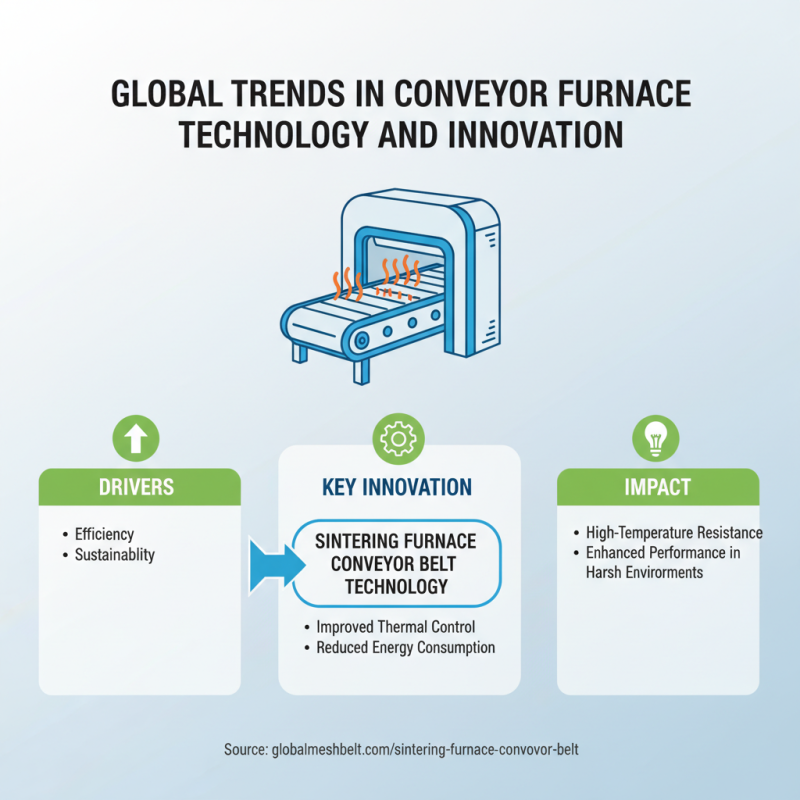
In recent years, the conveyor furnace industry has seen significant advancements. These innovations are driven by the need for efficiency and sustainability. A focus on the Sintering Furnace Conveyor Belt technology is reshaping how materials are processed. Manufacturers are adopting new designs that allow for better thermal control and reduced energy consumption. These belts are engineered to withstand high temperatures and harsh environments, creating opportunities for improved performance.

Equally important are the emerging trends in automation and IoT integration. Many companies are now investing in smart conveyor systems. These systems monitor and adjust processing conditions in real-time. However, there are challenges. Some manufacturers struggle with the initial costs and complexities of upgrading existing systems. There are instances where businesses may hesitate to adopt new technology, fearing disruptions to their operations. The balance between innovation and reliability remains a crucial focal point.

In the quest for global competitiveness, adaptability is key. Companies must understand the shifting landscape of conveyor furnace technology. A strong emphasis on research and development is essential for staying ahead. Continuous improvement is often met with resistance. However, those who embrace change will likely lead the market. As trends evolve, the Sintering Furnace Conveyor Belt will continue to play a pivotal role in this sector's future.

Enhancing Efficiency in Material Handling: The Rise of Spiral Conveyor Belts in Warehouse Automation

In recent years, the demand for efficient material handling solutions has surged as warehouses strive to optimize their operations. The rise of spiral Conveyor Belts has significantly transformed warehouse automation, particularly in sectors requiring rapid and efficient product flow. According to industry studies, the adoption of spiral conveyors has resulted in a reduction of floor space usage by up to 33% compared to traditional conveying systems, making them an attractive option for maximizing storage and processing areas.

Spiral conveyor systems offer versatile solutions tailored to specific needs, particularly within food handling. For instance, the Food-Grade Spiral Freezer Belt, designed with 316L stainless steel and FDA compliance, is engineered to maintain hygienic conditions essential for food processing. Similarly, low-temperature spiral conveyor belts can operate efficiently at temperatures as low as -40°C, making them ideal for frozen food applications. These innovations not only enhance operational efficiency but also contribute to better product quality through consistent temperature control during processing.

Furthermore, advancements such as the energy-efficient spiral conveyor systems demonstrate a commitment to sustainability. The ability to reduce energy costs while improving throughput is particularly crucial in the frozen foods industry, where maintaining optimal conditions is paramount. Customized solutions, like the quick-release spiral freezer belts, facilitate easy cleaning and maintenance, ensuring that companies can adhere to stringent hygiene standards without sacrificing operational efficiency. As the industry evolves, the integration of these advanced spiral conveyor technologies will continue to play a pivotal role in enhancing efficiency within material handling and warehouse automation.

FAQS

: What is temperature uniformity, and why is it important in conveyor furnaces?

: Temperature uniformity refers to maintaining a consistent temperature profile. It ensures even heating or cooling, impacting product quality.

How can energy efficiency affect operational costs in conveyor furnaces?

Energy-efficient furnaces can reduce energy usage by up to 30%. This leads to significant cost savings and a smaller carbon footprint.

Why is scalability an important feature for businesses?

Scalability allows businesses to adjust their furnace for growth and changing production needs. Flexibility is key to responding to market demands.

What should I consider about brand reliability when choosing a conveyor furnace?

User feedback is crucial for assessing reliability. Reviews indicate satisfaction levels and potential issues with service support.

How can maintenance costs impact the overall cost of a conveyor furnace?

Lower initial investment may seem appealing, but high maintenance costs can add up. Long-lasting options might be more economical in the long run.

What are recent trends in conveyor furnace technology?

Innovations focus on efficiency and sustainability. Automation and IoT integration improve monitoring and processing, though costs can be a concern.

What are common barriers to adopting new conveyor furnace technology?

Initial costs and complexities are common barriers. Businesses may hesitate, fearing disruptions to their existing operations.

How do warranty options play a role in choosing a conveyor furnace?

Warranties reflect the manufacturer's confidence in their product. They can provide insight into potential long-term reliability and support.

Why might companies resist continuous improvement in conveyor technology?

Resistance often stems from fear of change and potential operational disruptions. Balancing innovation with reliability is essential for success.

What role does research and development play in the future of conveyor furnaces?

Research and development drive competitiveness. Companies investing in R&D are better positioned to adapt to evolving technology trends.

Conclusion

The article titled "Best Conveyor Furnace Options for Global Buyers?" provides an insightful overview of conveyor furnaces, exploring various types available in the market. It highlights key features that buyers should consider, such as energy efficiency, temperature control, and footprint size. Additionally, the article conducts a comparative analysis of leading brands, offering a clearer understanding of the options available to potential buyers.

Furthermore, the applications of conveyor furnaces in diverse industries are examined, emphasizing their versatility and importance in manufacturing processes. Cost factors influencing purchases are discussed, providing valuable insights for budget-conscious buyers. The article also addresses maintenance and safety considerations crucial for long-term operation. Lastly, it delves into global trends in technology and innovation within the conveyor furnace sector, underscoring the ongoing advancements that are shaping the future of industrial heating solutions.

Aria

Aria

Aria is a dedicated marketing professional at Jiangsu Huada Metal Mesh Belt Co., Ltd., a pioneering manufacturer of metal conveyor belts in China. With a deep expertise in the industry, Aria is committed to showcasing the precision-engineered wire mesh belts and chain-driven systems that the......
Previous China Best Discount High-Quality Furnace Mesh Belt Manufacturer Options?