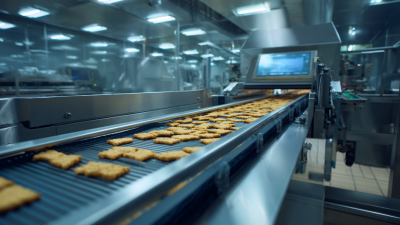
In the fast-paced world of food production, having a good Food Conveyor Belt is pretty much a game-changer. Honestly, each type of conveyor belt plays an important role in making sure food items move smoothly through all the different stages—nothing gets stuck or overlooked. Big names like Flexlink and Mk Aluminum have come up with some pretty innovative solutions that help boost efficiency and keep food safety front and center.
When it comes to choosing the right conveyor belt, things can get overwhelming for global buyers. There’s quite a bit to think about—material, design, what exactly you need it for. What's perfect for one operation might totally flop in another. Plus, with health regulations tightening up and consumer preferences shifting, picking the right belt can really make a difference in how smoothly things run and how dependable your setup is.
Looking back at different conveyor systems I’ve worked with, I realize how each has its own quirks. Some are seriously durable, while others might struggle to meet hygiene standards. Doing your homework before making a decision is so important—to avoid costly mistakes. When you understand what went wrong before, it helps you make smarter choices down the line. Finding the perfect Food Conveyor Belt? Yeah, it’s more of a journey than a quick fix, but with a little learning along the way, you'll get there.
Types of Food Conveyor Belts: An Overview for Global Buyers
Food Conveyor Belts are essential infood processing and packaging. They facilitate efficient movement of products through various stages. There are several types of food conveyor belts, each designed for specific applications and materials. Common types include modular plastic belts, wire Mesh Belts, and rubber belts. According to a 2022 market research report, the global food conveyor belt market is projected to reach $8 billion by 2026.
Modular plastic belts are popular for their flexibility and durability. They can be easily customized for different food products. Wire mesh belts, on the other hand, are ideal for high-temperature applications. Their open structure allows for optimal airflow. In contrast, rubber belts are often used for transporting bulk materials but may not be as hygienic.
Even with advancements, challenges remain. Some belts can’t handle extreme conditions or may degrade over time. Choosing the right type is critical for maintaining food safety and operational efficiency. Research highlights the need for ongoing improvements in material technology and maintenance practices to address these issues. The right conveyor belt improves productivity but requires careful consideration and regular evaluation.
Key Features to Consider When Choosing Food Conveyor Belts
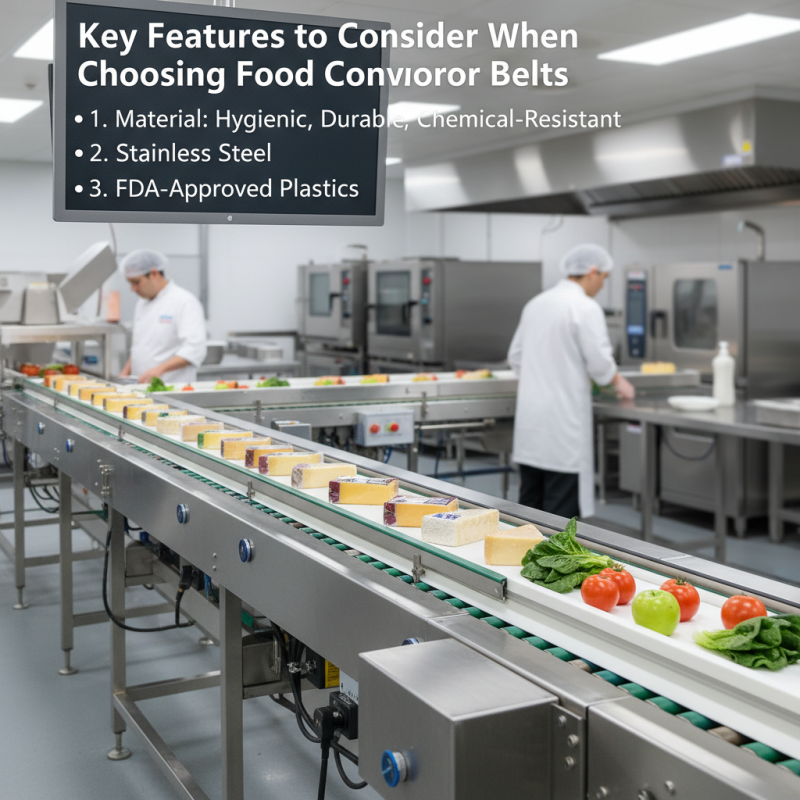
When selecting food conveyor belts, several key features warrant careful consideration. Material choice is paramount. The belt must be hygienic, durable, and resistant to various chemicals. Common materials include stainless steel and FDA-approved plastics. These contribute to the safety and efficiency of food transport. A belt that cannot withstand the rigors of a busy kitchen may become a liability.
Tip: Always evaluate the belt's surface texture. A textured surface can prevent food from slipping, ensuring that Food On Conveyor Belt systems stays securely in place. Smooth surfaces may facilitate easier cleaning but might not provide the same grip.
Another vital aspect is belt width and length. Conveyor belts should accommodate the size of the products they carry. An ill-fitted belt can lead to operational inefficiencies and increased maintenance issues. Seek belts that can adapt to various product shapes and sizes without compromising flow.
Tip: Regularly inspect belt alignment. Misalignment can affect both efficiency and safety. This can lead to food on the conveyor belt spilling or getting damaged, causing downtime and food waste.
Choosing the right food conveyor belt involves balancing material, texture, and size. Each factor plays a role in creating a reliable and effective transportation system for food products. Be mindful of the potential shortcomings of each feature while making your decision.
Popular Materials Used in Food Conveyor Belts and Their Benefits
When selecting materials for food conveyor belts, several options prove to be popular among businesses. One widely used material is PVC. It offers excellent resistance to grease and oils. This makes it ideal for applications in food processing. PVC is also cost-effective, which benefits many small to mid-sized operations. However, it may wear out over time, requiring periodic replacements.
Another preferred material is polyurethane, known for its durability and flexibility. It provides superior resistance to cuts and abrasions, extending the belt's lifespan. Many food manufacturers appreciate its ability to handle different temperatures and surfaces. That said, polyurethane can be more expensive than PVC. Evaluating your budget and processing needs is essential.
In addition to these materials, stainless steel is another option. It often incorporates in sanitation-focused environments. Its antimicrobial properties are advantageous in preventing microbial growth. Nevertheless, its metal composition can lead to scratches and dents over time. Ultimately, selecting the right Food Grade Conveyor Belt requires careful consideration of your specific needs and operational challenges. Balancing cost, durability, and safety will ensure an effective choice.
Applications of Food Conveyor Belts Across Different Industries
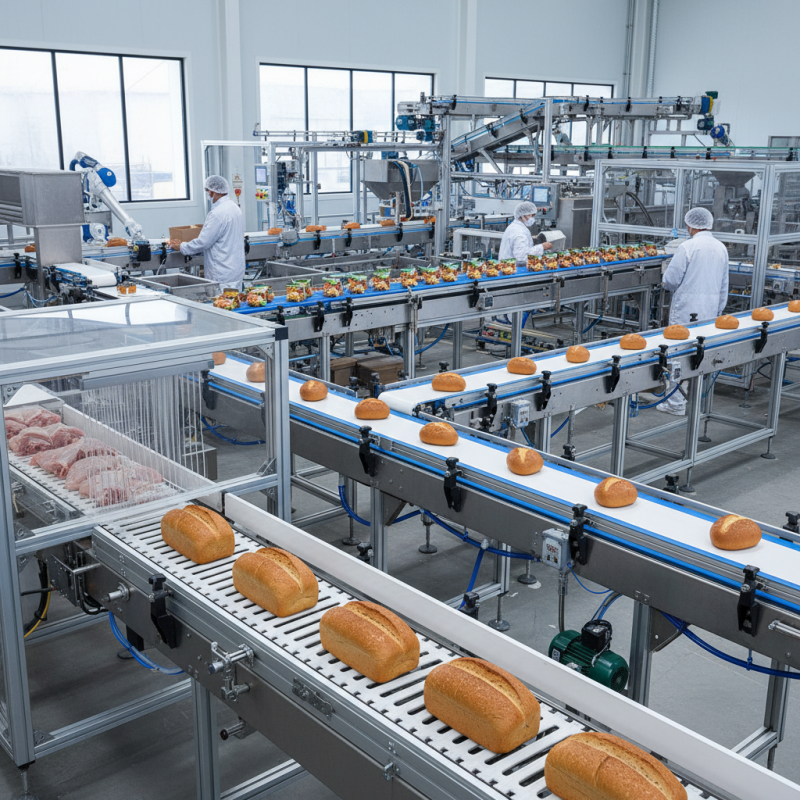
Food conveyor belts play a crucial role across various industries, particularly in the food sector. These specialized conveyor systems are designed to handle food products safely and efficiently. In a bakery, for instance, a Food Industry Conveyor Belt can transport dough from mixing to baking. The design ensures minimal contamination and easy cleaning, which is vital for food safety.
In the meat processing industry, these belts are integrated with features that allow for quick disassembly. This enables effective sanitization, reducing the risk of bacteria buildup. Workers can pay close attention to the belt’s condition, which sometimes requires unplanned maintenance. Additionally, in beverage production, conveyor belts streamline the movement of bottles through filling, labeling, and packing. This process can be challenging, as maintaining the right speed is essential for efficiency.
Not every solution fits every application, leading to the need for careful evaluation. Selecting the right food industry conveyor belt is key. However, there can be oversights in assessing material compatibility or capacity. It's essential to conduct regular reviews to ensure optimum performance and safety standards. Mistakes in this area can lead to delays and increased costs, highlighting the importance of thorough planning and monitoring.
Comparative Analysis of Belt Designs: Pros and Cons
When exploring the various types of food conveyor belts, it’s essential to weigh their pros and cons. One common type is the modular belt. These belts are straightforward to repair, which reduces downtime in production environments. However, the gaps between modules can trap food particles, raising concerns about hygiene. Maintaining cleanliness becomes a crucial ongoing task.
Another popular option is the flat belt. These belts offer versatility and are suitable for various food types. They have a smooth surface that allows easy product movement. Yet, they may not handle heavy loads well, and can wear out faster than other designs. Users often report that the cost of replacements adds up over time.
Lastly, the wire mesh belt is known for excellent heat resistance. It’s ideal for baking and frying operations. However, its construction can lead to increased rattling and noise levels. This noise can be a nuisance in busy production areas. Evaluating these aspects helps identify the right conveyor belt for specific needs.
2026 Best Food Conveyor Belt Types for Global Buyers
This chart compares various types of food conveyor belts as of 2026 based on a rating system evaluating their pros and cons. Higher ratings indicate better overall performance and advantages suitable for food handling applications.
Sourcing Food Conveyor Belts: Tips for International Buyers
When sourcing food conveyor belts, international buyers must consider several crucial factors. The global conveyor belt market was valued at over $3.7 billion in 2020 and is expected to grow at a CAGR of 4.5% through 2026. This data underlines the importance of selecting the right type of conveyor belt for food processing. Food Freezing Conveyor Belts, specifically designed for low-temperature applications, are critical in maintaining product quality during processing.
Buyers should analyze material choices. Common materials include PVC, polyurethane, and silicone. The choice impacts durability and temperature resistance. A high-quality Food Freezing Conveyor Belt must endure harsh conditions without degrading. Additionally, certification standards such as FDA and USDA approval are vital for safety compliance. Sourcing from reputable manufacturers can minimize risks associated with product contamination.
Understanding supplier reliability is another important aspect. Conduct thorough background checks. Look for suppliers with a solid track record and client references. This practice helps ensure that you’re investing in a quality product. Pay attention to customer reviews, industry awards, and technical support availability. A reliable supplier can help navigate challenges, such as the evolving nature of food processing technology.
Future Trends in Food Conveyor Belt Technology and Innovation
The food conveyor belt industry is entering a transformative phase. Innovations in automation and materials are reshaping production lines. Advanced sensors and IoT integration are poised to enhance efficiency. According to a recent market analysis, over 50% of food manufacturers now prioritize conveyor belt technology upgrades. This shift is driven by the need for faster and safer production processes.
A noteworthy trend is the adoption of eco-friendly materials. Companies aim to reduce their carbon footprints without compromising durability. Research indicates that 30% of food industry stakeholders are considering biodegradable options for their conveyor systems. Despite these advancements, challenges remain. The initial costs for upgrading to these new systems can be prohibitive. Many businesses grapple with cost-benefit analyses, weighing short-term expenses against long-term savings.
Automation is another critical focus. Robots and smart technologies are increasingly utilized for sorting and packaging. Experts predict that by 2026, automated systems could improve food handling efficiency by 20%. However, integrating such technologies requires careful planning and training. Employees must adapt to new systems, which can create a learning curve. Balancing efficiency gains with workforce training could be a point of reflection for many organizations in the industry.
FAQS
: Food conveyor belts transport food products safely and efficiently across various industries, especially in food processing.
Cleaning minimizes contamination risks and ensures food safety, particularly in environments like bakeries and meat processing.
Conveyor belts in meat processing allow for easy disassembly and sanitization, reducing bacteria buildup and improving hygiene.
Maintaining the right speed for movement during filling and packing is challenging but critical for efficiency in beverage production.
Buyers need to analyze material compatibility, durability, and safety certifications like FDA and USDA for compliance.
Common materials include PVC, polyurethane, and silicone, each affecting durability and resistance to temperature.
Supplier reliability is crucial. Conducting background checks can ensure you’re investing in quality products from solid manufacturers.
Oversights in material compatibility can lead to performance issues, delays, and increased costs, highlighting the need for thorough planning.
Regular reviews are essential to maintain safety standards and ensure optimum performance, preventing potential disruptions in operations.
Sourcing from reputable manufacturers with good track records helps minimize contamination risks and ensures quality in food processing.
Conclusion
The article "2026 Best Food Conveyor Belt Types for Global Buyers" provides a comprehensive overview of food conveyor belts, emphasizing their critical role across various industries. It outlines different types of food conveyor belts, highlighting key features that buyers should consider when making a selection, such as durability, hygiene standards, and design efficiency. The article also discusses popular materials used in the manufacturing of these belts, detailing their respective benefits, and examines their diverse applications in processing, packaging, and transportation.
Additionally, a comparative analysis of different belt designs is presented, illustrating their advantages and disadvantages to aid buyers in making informed choices. The article concludes with practical sourcing tips for international buyers and explores future trends in food conveyor belt technology and innovation, underscoring the importance of adapting to evolving market demands. Overall, this guide serves as an essential resource for global buyers looking to invest in efficient and effective food conveyor belts.