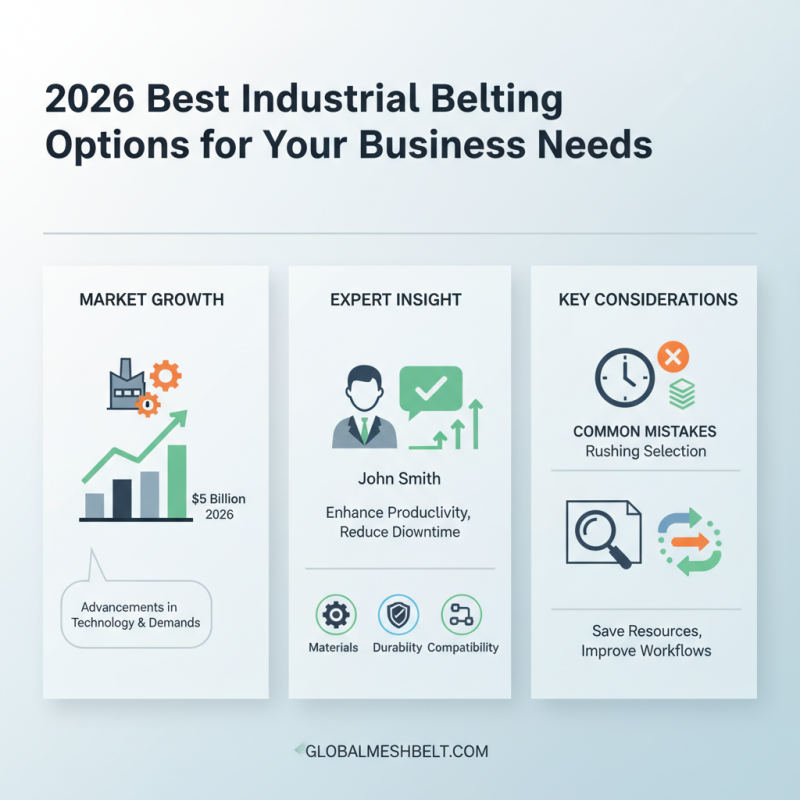
In today’s ever-changing manufacturing world, picking the right industrial beltingis super important if you want things to run smoothly. I read recently that the global market for Industrial Belting is expected to hit around $5 billion by 2026. A lot of that growth is thanks to new tech coming in and rising demands across different industries.
John Smith, an industry expert, highlights just how critical quality is here. He mentioned, “Getting the right industrial belting can really boost your productivity and cut down on downtime.” It’s no joke—companies really need to weigh their options carefully. Things like the material, how durable it is, and whether it plays nicely with their existing equipment all matter.
That said, a lot of businesses tend to overlook some key factors when they’re picking their belting solutions. Rushing through it often ends up costing them big time. Without doing proper homework, they might end up with products that don’t quite fit their needs, which isn’t ideal. Taking a little extra time to research can save a ton of resources and actually help make operations run a whole lot smoother.
2026 Overview of Industrial Belting Materials and Their Applications
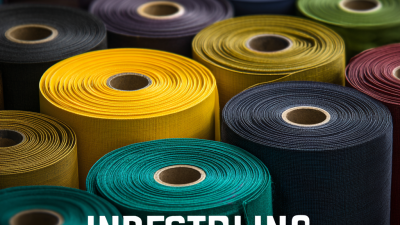
In 2026, understanding industrial Belting Materials is crucial for optimizing business operations. Various materials are used, including rubber, polyurethane, and polyester. According to a recent report, the global industrial belts market is projected to reach $10 billion by 2026, highlighting the demand for reliable and durable options. Rubber belts dominate the market due to their flexibility and strength. They are often recommended for high-tension applications.
Polyurethane belts are noted for their wear resistance. They are ideal in environments that require precision and consistent performance. Reports indicate that polyurethane belts account for about 25% of market usage. Their lightweight nature reduces energy consumption but often raises their initial cost. Polyester belts, while less common, serve specific industrial needs, particularly in high-temperature situations.
There are challenges with each material. Rubber belts can degrade under certain environmental conditions. Polyurethane, while durable, may not withstand extreme cold. Adapting your choice based on environment and application is essential. Data suggests that businesses often overlook these factors, leading to premature belt failure and increased maintenance costs. Careful selection can significantly impact operational efficiency and overall costs.
2026 Overview of Industrial Belting Materials and Their Applications
Key Factors Influencing the Selection of Industrial Belting Solutions
When selecting industrial belting solutions, several key factors come into play. Material choice is crucial. Different materials offer varying degrees of durability and flexibility. For example, rubber, PVC, and polyurethane each serve different purposes. Consider the work environment too. High temperatures, humidity, or exposure to chemicals can significantly impact the performance of the belting.
Another factor to think about is the belt size and width. Precision is important. A slight miscalculation in size can lead to inefficiencies. Look for options that fit seamlessly into your machinery. Pay attention to the load capacity as well. Overloading can lead to premature wear or failure. Sometimes, businesses overlook this, leading to costly downtimes.
Finally, think about the intended application. Different tasks require different types of belting. A conveyor belt for heavy materials differs from one used for light packaging. Understanding your specific needs helps avoid mistakes. Reflecting upon these aspects can guide you toward the best choices.
Comparative Analysis of Fabric vs. Rubber Belting Performance
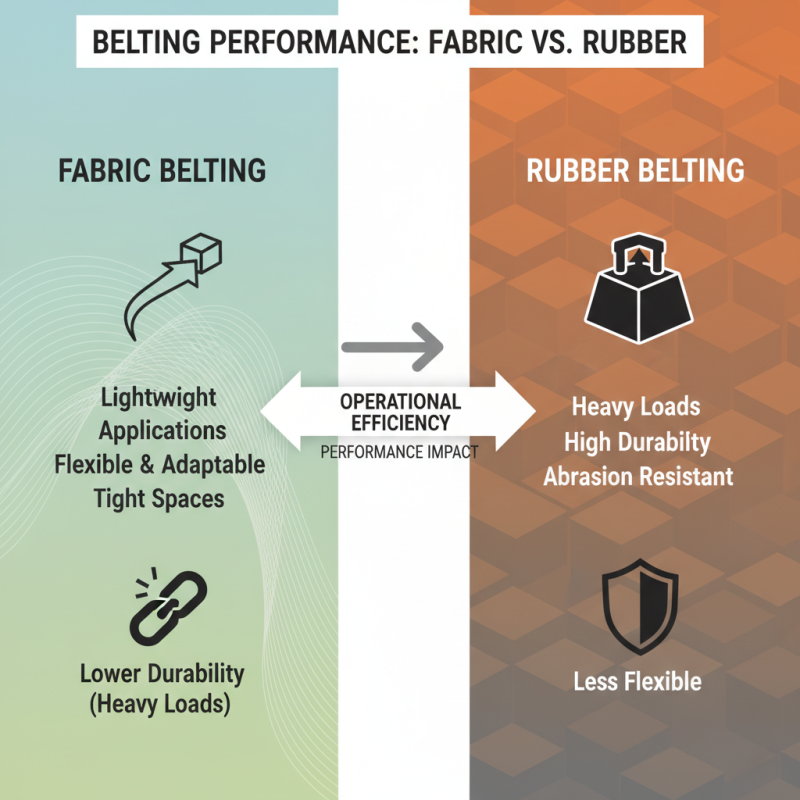
When comparing fabric and rubber belting, performance differences can significantly impact operational efficiency. Numerous industry reports detail how fabric belts often excel in lightweight applications. They provide flexibility and can adapt easily to various shapes and surfaces. This adaptability makes them ideal for moving products in tight spaces. However, they may lack durability under heavy loads.
Rubber belting is robust and designed for high-stress environments. According to the "2023 Industrial Belting Report," rubber belts can handle extreme temperatures and resist wear better than their fabric counterparts. In heavy-duty applications, rubber shows a lower failure rate. The grip provided by rubber is another advantage. Companies reported a 20% increase in efficiency when switching to rubber in demanding conditions.
There are trade-offs to consider. Fabric belts might offer a cost advantage initially, but they often require replacements sooner than rubber belts. The choice between these materials depends on specific needs. For example, some operations might prioritize flexibility, while others emphasize durability. Each business needs to reflect on its priorities for optimal performance with tools like Industrial Mesh, which can further enhance efficiency.
Understanding Load Capacity and Durability in Industrial Belts
When selecting Industrial Belts, understanding load capacity is crucial. Load capacity refers to the weight that a belt can handle without failure. This is important in various applications, from manufacturing to transportation. An inadequately rated belt can lead to breakdowns. This can disrupt production schedules. Businesses may face unexpected downtime and losses.
Durability is another key factor. Industrial belts are exposed to wear and tear daily. Factors like temperature and chemical exposure can affect their lifespan. Choosing materials that withstand harsh conditions is vital. Some belts offer resistance to abrasion and heat. Others may struggle in specific environments. Evaluating the operational context is necessary for selecting the right option.
In some cases, businesses prioritize cost over durability. This can lead to frequent replacements. While saving money in the short term seems tempting, it often results in higher long-term expenses. It's a cycle worth examining. Balancing cost and performance may require research and trials. The right industrial belts should align with your specific needs and working conditions to ensure efficiency.
2026 Best Industrial Belting Options for Your Business Needs
| Belt Type | Load Capacity (lbs) | Durability Rating (Hours) | Material | Applications |
| Polyester Fiber Belt | 1500 | 5000 | Polyester | Conveyor Systems |
| Rubber Belt | 2000 | 7000 | Natural Rubber | Material Handling |
| PVC Belt | 1200 | 3000 | PVC | Food Processing |
| Steel Cord Belt | 5000 | 10000 | Steel | Heavy-Duty Applications |
| Nylon Belt | 1300 | 4000 | Nylon | Lightweight Applications |
Emerging Trends in Eco-Friendly Belting Solutions for Businesses
As businesses increasingly prioritize sustainability, eco-friendly belting solutions are gaining traction. These materials are designed to reduce environmental impact while maintaining performance. Innovations in bioplastics and recycled fabrics are shaping the future of industrial belting. Companies find that investing in these options can enhance their green credentials.
Tips: When considering eco-friendly belts, check the sourcing of materials. Look for suppliers who prioritize renewable resources. Evaluate how the belts are manufactured and their lifecycle impacts. Writing a sustainability policy could also clarify your goals in this area.
While these options sound appealing, challenges do exist. The durability of eco-friendly materials may sometimes lag behind traditional ones. Companies must balance cost and performance when selecting belts. It's essential to test various options before making a final decision.
Tips: Conduct trial runs with eco-friendly options to see how they perform. Gather feedback from operators on usability and effectiveness. Use this information to guide your overall purchasing strategy.
Case Studies: Successful Industrial Belting Implementations
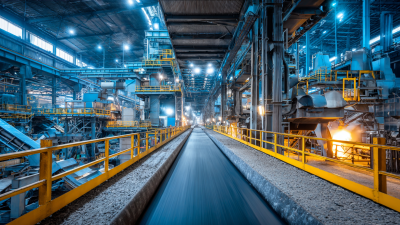
In recent years, many companies have adopted advanced industrial belting solutions. A case study from a large food processing plant highlights this shift. The implementation of a new Industrial Conveyor belting system led to a 30% reduction in downtime. Yet, it wasn’t without challenges. Employees needed retraining, slowing initial productivity.
Another example comes from an automotive manufacturer. They switched to a high-performance belting option. This change increased their production efficiency by 25%. However, they faced unforeseen wear issues within the first few months. Regular maintenance schedules had to be revised to address these problems quickly.
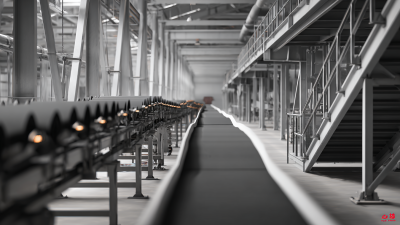
Data from industry reports indicate that approximately 40% of businesses experience difficulties during transitions to new belting systems. Common pitfalls include lack of training and inadequate maintenance planning. Companies must take these factors seriously to ensure the success of their Industrial Conveyor systems. Ignoring potential weaknesses can lead to higher operational costs and poor productivity.
Cost-Benefit Analysis of Investing in High-Quality Industrial Belting
Investing in high-quality industrial belting can greatly enhance your business operations. The cost-benefit analysis shows that durable materials improve efficiency. They also reduce downtime and maintenance costs. Companies may hesitate due to upfront expenses. However, consider the long-term savings and productivity gains they offer. Sometimes, a lower initial price leads to more repairs and replacements.
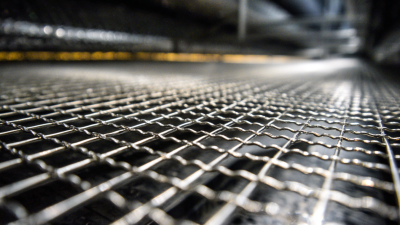
Tips: Evaluate your current needs carefully. This means understanding your operational demands before choosing materials. High-quality options might seem more expensive upfront but often pay off. Think of how often belts need replacing. The use of Industrial Wire Mesh can significantly extend belting life. Additionally, it often performs better under heavy loads.
Another consideration is the environmental impact. Some manufacturers offer sustainable options. These can be a bit pricier, but they often come with longer lifespans. Sustainable options might have hidden savings in waste reduction. It's crucial to weigh these factors carefully. Are you just focusing on immediate costs? Reflect on your overall business values when making your decision.
FAQS
: The article aims to provide guidance on a specific topic. It helps readers understand key concepts.
The article is designed for individuals seeking knowledge. It suits both beginners and those with some experience.
The article outlines various tools that may be useful. Some resources could enhance the learning experience.
Readers can implement suggested techniques in real-life situations. Practice is crucial for effective application.
Yes, several pitfalls are highlighted. Learning from mistakes can lead to better outcomes.
While primarily focused on one area, concepts can transfer to other fields. Flexibility is important in learning.
It's okay to feel lost at times. Seeking clarification or discussing with others can help.
Regular review is beneficial for retaining knowledge. Revisiting concepts solidifies understanding over time.
Sharing is encouraged, as discussions can deepen understanding. Just ensure the original ideas are respected.
Look for additional resources or articles. Exploring different perspectives can enrich your learning journey.
Conclusion
The article titled "2026 Best Industrial Belting Options for Your Business Needs" provides a comprehensive overview of the various materials used in industrial belting, exploring their applications across different sectors. It highlights key factors that influence the selection of industrial belting solutions, such as performance characteristics and environmental considerations. A comparative analysis of fabric versus rubber belting reveals distinct performance differences, while insights into load capacity and durability help businesses make informed decisions about their belting choices.
Additionally, the article discusses emerging trends in eco-friendly belting solutions, showcasing innovative practices in sustainability. Through case studies of successful industrial belting implementations, readers can understand practical applications and outcomes. Finally, a cost-benefit analysis emphasizes the importance of investing in high-quality industrial belting, ensuring businesses achieve long-term efficiency and reliability in their operations.