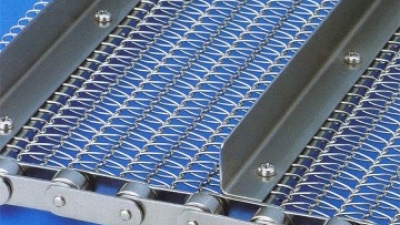
In the fast-paced world of food tech, the Oven Mesh Belt plays a pretty crucial role in making sure your baking and cooking turn out just right. As more folks are craving top-notch food production, it’s no surprise that Metal Mesh Belts are flying off the shelves—there’s been a real boom. A recent report from the Global Food Processing Equipment Market points out that the bakery industry’s growth has pushed up the use of fancy conveyor systems, including Oven Mesh Belts, by about 8%. Leading the charge is JIANGSU HUADA METAL MESH BELT CO., LTD., which has really positioned itself as a big player, delivering precision-crafted wire mesh belts to over 20 countries worldwide.
Dr. John Baker, a real expert in the field, stresses just how important reliable Oven Mesh Belts are in today’s food processing scene. He says, “The efficiency and success of a baking line really depend on the quality of the conveyor system.” And with factories holding ISO 9001 and CE certifications, HUADA is all about maintaining top standards—making sure each product not only meets industry expectations but actually goes above and beyond. As we dig into the Top 10 Best Oven Mesh Belts for perfect baking and cooking, we want to give you some useful ideas on what to look for—something that offers reliability, durability, and those great results we’re all after.
The Importance of Oven Mesh Belts in Industrial Cooking Processes
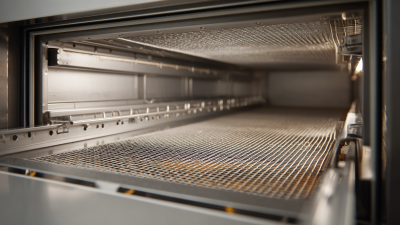
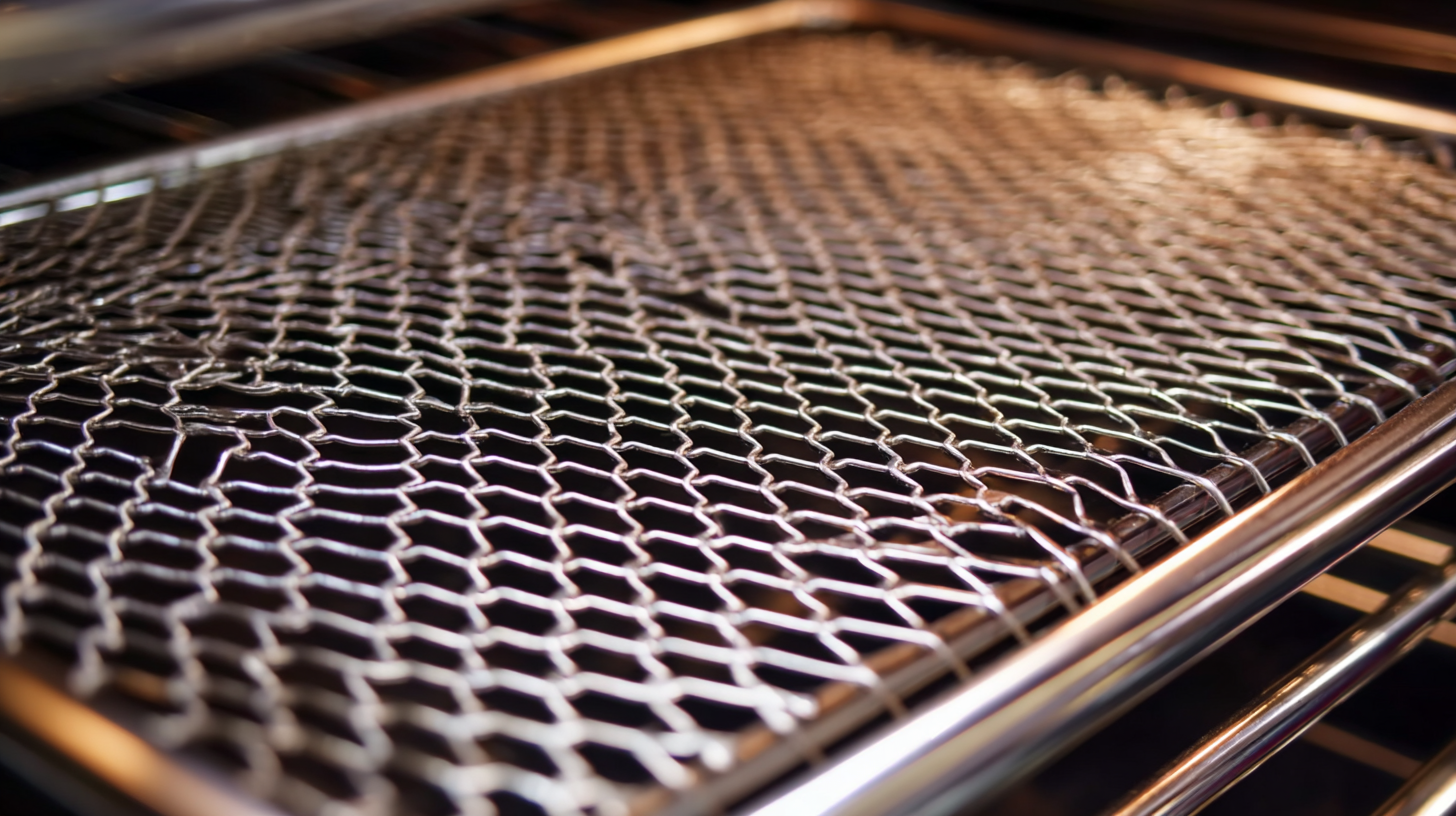
Oven mesh belts play a crucial role in industrial cooking processes, serving as the backbone of efficient food production. Their design allows for optimal airflow and heat distribution, which is essential for achieving consistent cooking and baking results. Unlike traditional solid conveyor belts, mesh belts minimize the contact area with food, reducing the risk of sticking and overcooking. This characteristic is especially important in high-temperature environments where food items must be transformed rapidly and uniformly.
Moreover, the versatility of oven mesh belts accommodates a wide range of food products, from pastries to frozen goods. They are constructed from durable materials that can withstand extreme temperatures while maintaining structural integrity. This durability ensures they can handle the continuous wear and tear often seen in industrial settings, providing a reliable solution for high-volume production. The ability to maintain consistent cooking times and temperatures ultimately contributes to better product quality and higher customer satisfaction, underscoring the importance of selecting the right mesh belt for specific baking and cooking applications.
Key Features to Look for in High-Performance Oven Mesh Belts
When choosing the best oven mesh belts for optimal cooking and baking performance, it's crucial to understand the key features that contribute to their efficiency and durability. According to a recent market analysis by Grand View Research, the global mesh conveyor belt market is expected to grow at a compound annual growth rate (CAGR) of 4.5% through 2027, indicating a rising demand for high-performance materials. One of the essential features to consider is the material composition. High-grade nylon or polyester offer superior resistance to heat and abrasion, ensuring longevity and consistent performance under high-temperature conditions.
Another critical aspect is the belt's weave type, which affects air circulation and cooking efficiency. The Open Mesh design, for example, enhances airflow and allows for even baking, as highlighted in a study by the Food Processing Institute. Belts with larger openings can reduce moisture retention, which is particularly beneficial for baking applications that require a crisp finish. Additionally, examining the tensile strength and load capacity is vital, as belts that can withstand heavier loads are less likely to stretch or warp, leading to improved performance over time.
When investing in oven mesh belts, focusing on these features can significantly enhance the quality of your cooking and baking endeavors.
Comparative Analysis of Material Durability in Top Oven Mesh Belts
When selecting the best oven mesh belts, material durability plays a pivotal role in ensuring optimal cooking and baking performance. According to a recent industry report by the Food Processing Equipment Association, high-quality mesh belts should withstand temperatures exceeding 500°F without degradation. The most durable oven mesh belts are typically made from materials like nylon and PTFE (polytetrafluoroethylene), both of which demonstrate exceptional resistance to heat and chemicals. For instance, PTFE mesh belts can maintain their integrity even after prolonged exposure to high temperatures, making them ideal for industrial baking applications where longevity is crucial.
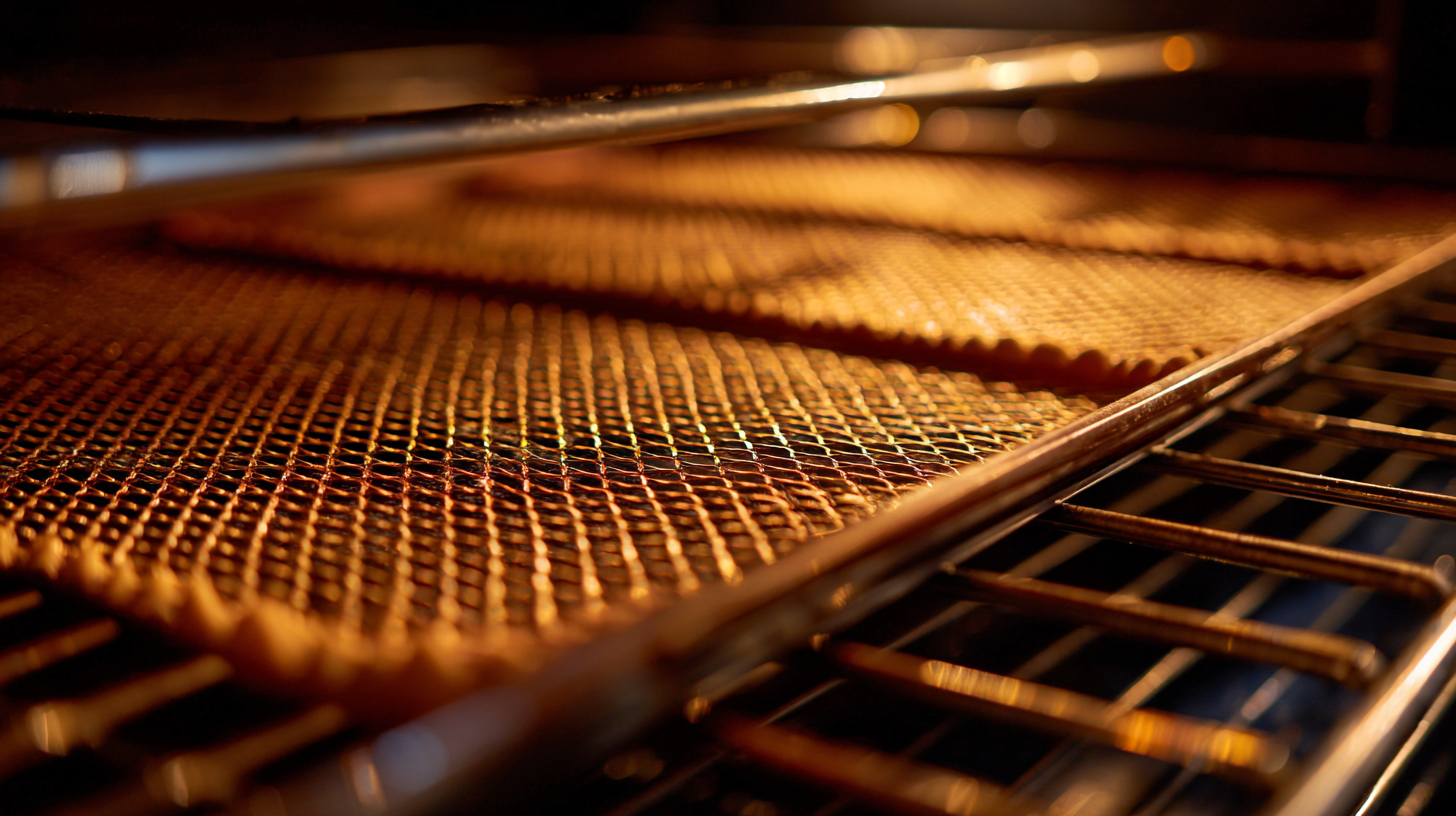
In addition to heat resistance, abrasion resistance is another critical factor. A study published in the Journal of Food Engineering highlighted that belts made from woven stainless steel offer superior durability compared to their nylon counterparts, particularly in environments where frequent material contact occurs. Furthermore, the ANSI/ISEA 105-2016 standard outlines specific durability benchmarks, recommending that belts undergo rigorous testing for wear and tear to meet industry standards. By utilizing these advanced materials and adhering to established performance metrics, manufacturers can produce oven mesh belts that not only enhance cooking efficiency but also ensure sustainability in high-demand environments.
Impact of Mesh Belt Design on Heat Distribution and Cooking Efficiency
The design of mesh belts in ovens significantly influences heat distribution, ultimately impacting cooking efficiency. Unlike traditional solid surfaces, mesh belts provide a greater surface area for heat transfer, allowing for more uniform cooking. Their open structure facilitates better airflow around food items, reducing hot spots and ensuring that every part of the dish is evenly exposed to heat. In commercial settings, where precision and consistency are paramount, using a high-quality mesh belt can mean the difference between perfectly baked goods and unevenly cooked dishes.
Additionally, the material and weave of the mesh belt play a crucial role in its performance. For instance, belts made from materials with high thermal conductivity can enhance heat transfer, while certain weaves may be designed to retain more heat, thereby increasing cooking efficiency. Choosing the right mesh belt not only improves cooking times but also aids in energy conservation as optimal designs require less energy to achieve desired cooking results. As culinary professionals continue to seek ways to refine their processes, understanding the impact of mesh belt design on heating methods remains essential for achieving perfect cooking and baking performance.
Impact of Mesh Belt Design on Cooking Efficiency
User Reviews: Real-World Performance of Leading Oven Mesh Belts
When it comes to achieving the perfect cooking and baking results, the right oven mesh belt can make all the difference. User reviews indicate that these belts not only enhance cooking performance but also improve the quality of the finished product. Many users praise their durability and the consistent heat distribution they provide, which helps to ensure even cooking. For instance, a popular brand received high marks for its ability to maintain optimal temperatures, leading to perfectly baked breads and pastries.
Tip: When selecting an oven mesh belt, consider the material and temperature resistance. Look for belts that are made from high-quality materials like stainless steel, as they offer better durability and performance at high temperatures. Another user tip is to always check the size compatibility with your oven, ensuring a snug fit for optimal performance.
Additionally, many users have shared their experiences about how these belts have reduced cooking time. This is particularly beneficial for commercial kitchens where efficiency is key. By allowing for better airflow and heat circulation, mesh belts not only cut down on cooking times but also enhance the texture of baked goods, making them crispier and more appealing.
Tip: To extend the life of your oven mesh belt, regular cleaning is essential. Use a soft brush or cloth to remove any residues after each use, which prevents buildup and maintains performance over time.
Top 10 Best Oven Mesh Belts for Perfect Cooking and Baking Performance - User Reviews
| Model | Material | Max Temperature (°C) | Width (cm) | Length (m) | User Rating (out of 5) | Comments |
| Model A | PTFE Coated | 260 | 30 | 50 | 4.7 | Excellent for even baking. |
| Model B | Fiberglass | 280 | 40 | 60 | 4.5 | Durable and reliable. |
| Model C | Silicone | 230 | 25 | 55 | 4.2 | Good for delicate pastries. |
| Model D | Nylon | 240 | 35 | 48 | 4.0 | Good for multiple uses. |
| Model E | Tefflon | 300 | 32 | 70 | 4.8 | Unmatched non-stick surface. |
| Model F | Aramid Fiber | 250 | 36 | 60 | 4.6 | Highly resistant to wear. |
| Model G | Polyester | 220 | 28 | 65 | 4.4 | Affordable option for light use. |
| Model H | Composite | 290 | 30 | 75 | 4.9 | Best performance under extreme conditions. |
| Model I | Heat-Resistant Fabric | 260 | 34 | 68 | 4.3 | Easy to clean and maintain. |
| Model J | Carbon Fiber | 300 | 38 | 80 | 4.7 | Ultra-lightweight with high durability. |
Cost-Benefit Analysis: Investing in Quality Oven Mesh Belts for Longevity
 When evaluating kitchen equipment, the decision to invest in high-quality oven mesh belts is paramount for chefs and bakers aiming for optimal cooking and baking performance. While cheaper alternatives may seem attractive initially, they often compromise on durability and effectiveness. Investing in superior oven mesh belts means fewer replacements and maintenance issues over time, ultimately saving money in the long run. A robust mesh belt designed with high-quality materials not only withstands high temperatures but also ensures an even cooking process, enhancing the final results of your culinary creations.
Additionally, a proper cost-benefit analysis reveals that the upfront investment in quality oven mesh belts translates to significant performance gains. The consistent airflow and heat distribution provided by these belts can lead to reduced cooking times and improved food texture, making them invaluable tools in any kitchen. By choosing a reliable oven mesh belt, you’re not just enhancing efficiency but also elevating the quality of your baked goods. Thus, the decision to prioritize quality over price is supported not merely by immediate savings but by the long-term benefits they bring in culinary excellence.
Understanding Chain Drive Belts: Essential Features, Benefits, and Top Recommendations for Optimal Performance
Understanding Chain Drive Belts is crucial for ensuring optimal performance in various industrial applications. These belts are essential components in many systems, providing reliable power transmission and material handling solutions. When choosing a chain drive belt, key features such as construction material, torque capabilities, and maintenance needs should be considered. For instance, an Industrial Chain Drive Conveyor Belt made from alloy steel construction offers durability for heavy-duty operations, while a High-Torque Chain Drive Belt is best suited for heavy material handling, enabling efficient movement of large loads.
Moreover, advancements in engineering have led to the development of specialized chain drive belts like Corrosion-Resistant Chain Drive Belts made from 316L stainless steel, which are ideal for environments that require resistance to harsh chemicals. Similarly, Low-Maintenance Chain Drive Belts with self-lubricating links reduce operational costs by minimizing downtime for maintenance. For high-speed applications such as automotive assembly lines, High-Speed Chain Drive Belts ensure smooth and efficient operations. Lastly, for industries handling food products, Food-Grade Chain Drive Belts that meet FDA and EHEDG certifications ensure compliance with health and safety regulations while maintaining performance standards.
FAQS
: Oven mesh belts serve as the backbone of efficient food production, allowing for optimal airflow and heat distribution, which is essential for achieving consistent cooking and baking results.
Unlike traditional solid conveyor belts, mesh belts minimize the contact area with food, reducing the risk of sticking and overcooking, especially in high-temperature environments.
Oven mesh belts are versatile and can accommodate a wide range of food products, including pastries and frozen goods.
Oven mesh belts are constructed from durable materials that can withstand extreme temperatures while maintaining structural integrity, ensuring reliability in high-volume production.
The design of mesh belts influences heat distribution, providing a greater surface area for heat transfer, facilitating better airflow, and reducing hot spots for uniform cooking.
Choosing the right mesh belt improves cooking times, enhances product quality, and contributes to higher customer satisfaction by ensuring consistent cooking results.
Belts made from materials with high thermal conductivity can enhance heat transfer, while specific weaves may retain more heat, thereby increasing cooking efficiency.
A high-quality mesh belt can lead to precision and consistency in cooking, making the difference between perfectly baked goods and unevenly cooked dishes.
Optimal designs of mesh belts require less energy to achieve desired cooking results, thus aiding in energy conservation.
Conclusion
Oven mesh belts play a crucial role in industrial cooking processes, significantly enhancing cooking and baking performance. When selecting high-performance oven mesh belts, key features such as material durability and design are paramount. A comparative analysis reveals that the choice of materials affects the longevity and effectiveness of these belts, while thoughtful design contributes to optimal heat distribution, leading to improved cooking efficiency.
User reviews highlight the real-world performance of leading oven mesh belts, emphasizing the benefits of investing in quality products for long-term advantage. Companies like JIANGSU HUADA METAL MESH BELT CO., LTD. exemplify excellence in this domain, delivering precision-engineered wire mesh belts recognized for their durability and efficiency, backed by ISO 9001 and CE certification. Prioritizing the right oven mesh belt can greatly impact the success of industrial cooking operations.