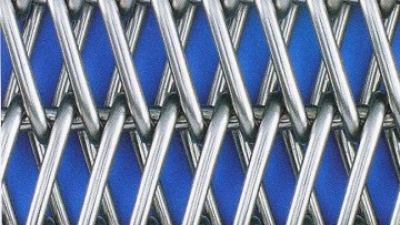
In the busy world of industrial manufacturing, squeezing out the best in efficiency isn't just important—it's essential, especially when it comes to high-temperature processes like running continuous furnaces. Those fancy Continuous Furnace Mesh Belts are actually pretty crucial—they make sure everything moves smoothly through the heating stages, which directly affects how productive you are and the quality of your finished products. Here at JIANGSU HUADA METAL MESH BELT CO., LTD., we take pride in being one of China’s leading Metal Conveyor belt manufacturers. We get how vital it is to have precision-crafted solutions; that’s why all our production facilities are ISO 9001 and CE certified. We supply top-tier wire mesh belts and chain-driven systems to over 20 countries on five different continents. In this post, I’ll run through seven of the best tips for maximizing efficiency with Continuous Furnace Mesh Belts. Our goal? To help you make the most out of your operations and see real results in your manufacturing efforts.
Understanding the Role of Continuous Furnace Mesh Belts in Industrial Efficiency
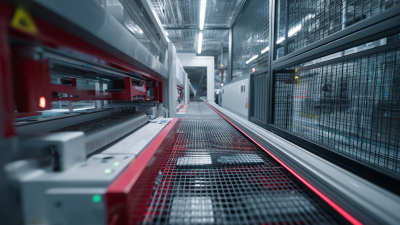
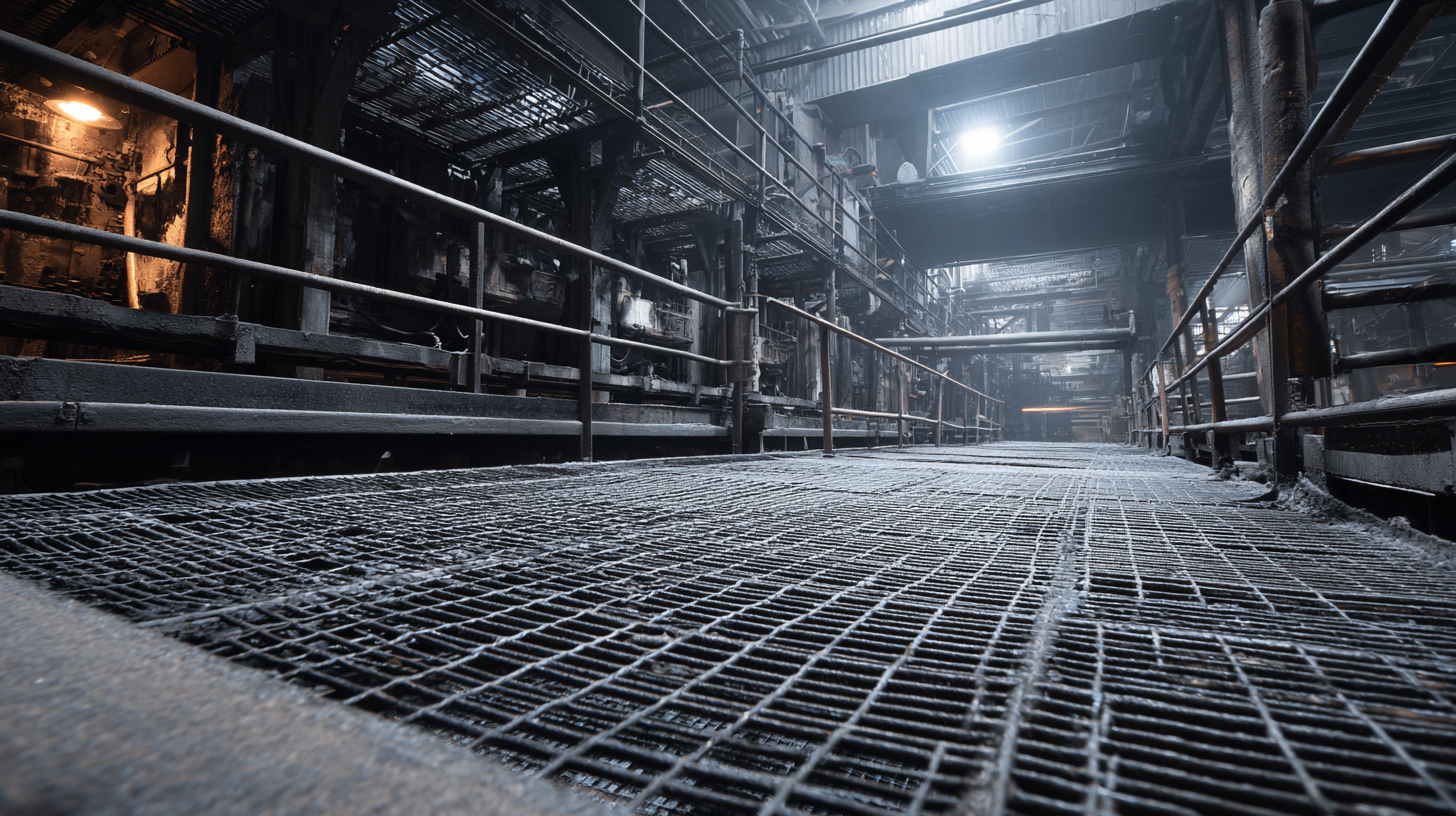
Continuous Furnace Mesh Belts actually play a pretty crucial role when it comes to streamlining industrial processes—think heat treatment, baking, and drying. They’re designed to keep temperatures steady and make sure heat is spread evenly as the material moves through. Because they have better heat conductivity and can resist warping under high temps, these belts really boost manufacturing efficiency. When you install them into your production line, things tend to run smoother, with less downtime and less material waste. And that means you get more products out faster, which is a big win.
But here’s the thing—how you design and take care of these belts really matters. Getting the tension right and making sure they’re aligned properly is super important to prevent slipping and to keep the material moving nice and steady. Otherwise, product quality can suffer. Also, regular cleaning and inspections are key—they help avoid contamination and gear breakdowns, which keeps everything running smoothly. If manufacturers pay attention to these little details, they can really unlock the full potential of these belts, leading to better productivity and saving some cash in the long run.
Key Factors to Consider When Selecting the Right Mesh Belt
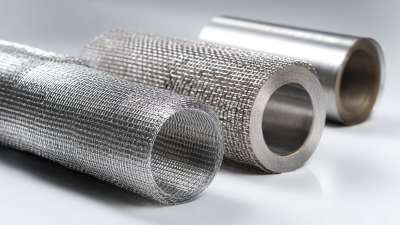
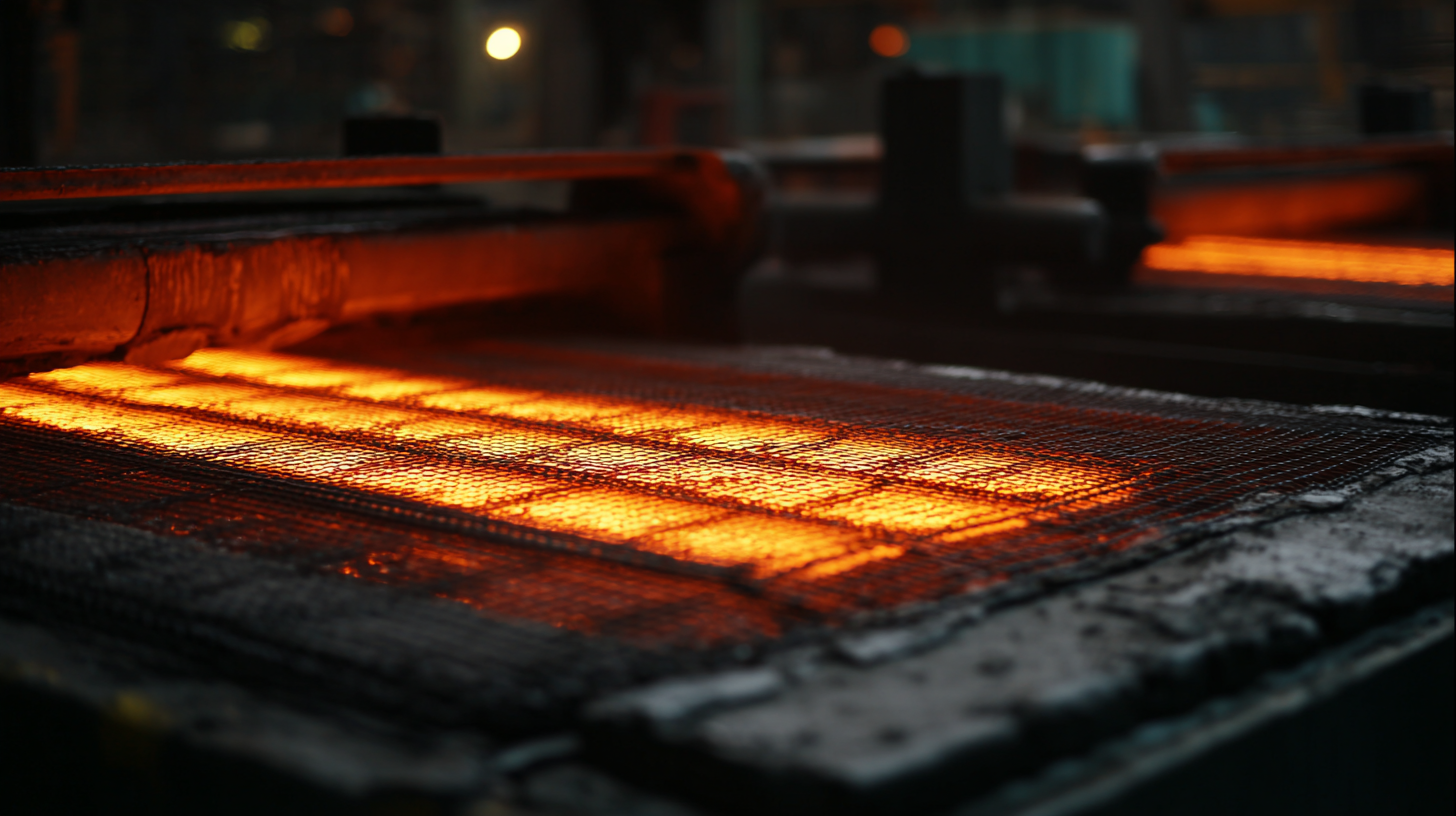
When you're trying to pick the right mesh belt for continuous furnace work, there are a few key things you really want to keep in mind to keep everything running smoothly. First off, the material it's made from is super important. Mesh belts can be crafted from different stuff—like stainless steel, carbon steel, or fancy high-temperature alloys. The material you go with isn’t just about durability; it also really impacts how well the belt handles heat and resists rust or corrosion. Picking the right one can mean your belt lasts longer and your furnace performs better overall.
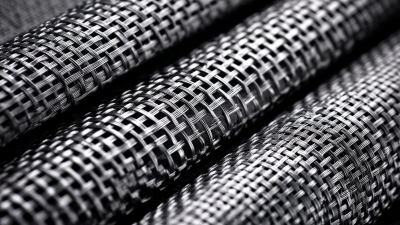
Now, don’t forget about the belt design and the mesh size either. These things matter a lot because they influence how air flows around the product and how heat gets distributed inside the furnace. Getting the right mesh size is key—it helps with good airflow and even heating, which is crucial to avoid problems like overheating or uneven baking. Also, think about how thick and stiff the belt should be to suit what you're producing. Those factors affect how much weight the belt can handle and how flexible it is during operation. Putting some thought into all these details really pays off—I mean, it makes your process more efficient and can even cut down your operating costs in the long run.
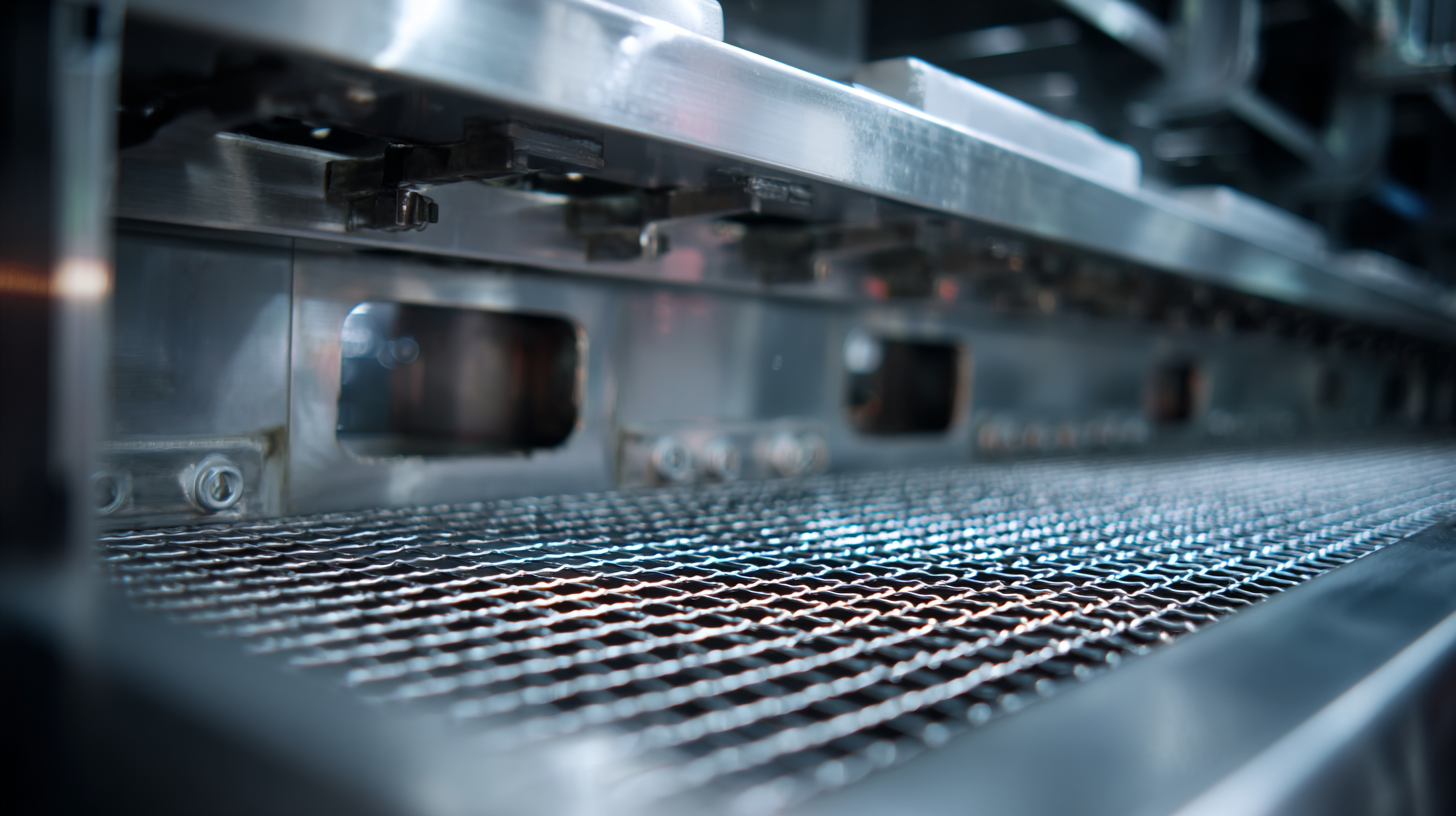
Best Maintenance Practices to Extend the Life of Your Mesh Belts
Making sure you get the most out of your continuous furnace mesh belts is super important if you want your industrial operations to run smoothly. I read in a report from the Industrial Fabric Association International (IFAI) that with good maintenance, these belts can last up to 30% longer. Regularly checking them out and fixing any small problems right away can really prevent those minor issues from turning into big, costly failures. Also, don't forget about lubrication! Keeping the bearings and belt edges well-lubricated helps cut down on friction, which means less wear and tear—and fewer unexpected downtimes.
And there's more. Keeping the furnace at the right temperature is a game-changer. Overheating can actually pretty quickly ruin the mesh material. The American Society of Mechanical Engineers (ASME) found that belts which stay within their ideal temperature range tend to last about 25% longer and work way better. So, if you stick to these maintenance tips, not only will your operation run more efficiently, but you’ll also save a good chunk of money—less frequent replacements and fewer production hiccups, all adding up in the long run.
7 Best Practices for Maximizing Efficiency with Continuous Furnace Mesh Belts
This bar chart illustrates the efficiency impact of various maintenance practices on continuous furnace mesh belts. Each practice shows a different level of effectiveness in extending the lifecycle and performance of the belts.
Optimizing Temperature Settings for Enhanced Performance
Getting the temperature settings just right on your continuous furnace mesh belts is super important if you want things to run smoothly and efficiently. I read somewhere, like in a study by the American Society for Metals, that messing up the temperature control can actually cause serious material damage and bump up your costs. So, keeping the temperature dialed in doesn’t just help protect the quality of what you’re working with—it also helps you save energy, cutting down on those pesky operational expenses. When you set the right temp, you can really boost how much you produce and cut down on downtime, which is a win all around.
Quick tip: Make it a habit to regularly calibrate your furnace’s temperature controls. Even a tiny mismatch can throw off your entire process—and your product quality. Checking those sensors often can save you from surprise breakdowns and keep everything running smoothly.
And hey, it’s not just about hitting the right temperature; understanding how long your materials stay in that heat—dwell time—is just as crucial. The Industrial Heating Equipment Association points out that leaving stuff in high temperatures a bit longer can change the material’s mechanical properties, sometimes in ways you don’t see until later on. So, tweaking those settings carefully can really improve your heat treatment results.
Another handy tip—think about adding monitoring systems that give you real-time updates on temperature swings and how your materials are behaving. Being proactive like this means you can quickly adjust if something’s off, helping you keep everything within your ideal range and, ultimately, producing a better product.
Implementing Regular Inspections for Early Problem Detection
Keeping up with regular inspections is super important if you want your continuous furnace mesh belts to run smoothly. Honestly, catching problems early can save you a ton of headaches and money down the line—no one wants unexpected downtime or costly repairs, right? By planning routine checks on the belts, operators can keep an eye on wear and tear, making sure everything’s working just as it should. It’s all about being proactive—this way, you not only give your equipment a longer life, but you also boost overall productivity.
When inspecting, it’s smart to focus on the usual suspects: belt alignment, tension, and the surface condition. If you see any signs of wear or something looks off, jot it down and fix it sooner rather than later. Oh, and having trained team members do these checks really helps—they catch things you might miss otherwise. Building a habit of regular monitoring honestly makes a huge difference in how well your furnace operates. In the end, these practices help keep everything running reliably, cut costs, and make sure your furnace belts stay in top shape for the long haul.
Training Your Team on Effective Mesh Belt Operations and Safety
Getting your team well-trained on mesh belt operations really makes a big difference when it comes to running continuous furnace systems smoothly. When your folks know what they're doing, you'll see fewer mistakes and less downtime—that means the whole operation runs more seamlessly. Kick things off by putting together a solid training plan that mixes both the theory behind it and some hands-on practice. Make sure everyone understands the different types of mesh belts out there and when to use each one—picking the right material for each job is key, after all.
And don’t forget, safety should be at the forefront of everything. It’s super important that everyone gets why there are hazards linked to mesh belt work. Regular safety drills are a good way to keep everyone sharp on proper handling and emergency steps. Building a safety-minded culture not only helps prevent accidents but also boosts confidence, so employees feel more comfortable and capable on the job. Periodic check-ins and refresher courses are also helpful—they keep safety and performance top-notch and encourage everyone to keep improving together as a team.
Enhance Your Fitness Journey: Discover the Benefits of the Double Balance Belt
Embarking on a fitness journey can be both exciting and challenging, and one key component that can significantly enhance your experience is the use of a high-quality double balance belt. This innovative equipment is designed to provide superior support and stability, allowing you to focus on your workouts without the distractions of discomfort or imbalance. Whether you’re lifting weights or practicing yoga, the double balance belt ensures that you maintain proper posture and alignment, helping to prevent injuries and improve overall performance.
The benefits of incorporating a double balance belt into your fitness routine are numerous. For instance, the Heavy-Load Double Layer Balance Weave Conveyor System is particularly useful for those engaged in intense training sessions, as it can withstand significant stress while maintaining structural integrity. Additionally, the Abrasion-Resistant Double Balance Belt for Mining Operations demonstrates the belt’s versatility across various environments, proving that it’s built to last. If you’re looking for something food-grade compliant, the Food-Grade Double Balance Weave Mesh ensures you can maintain high hygiene standards while engaging in outdoor activities or meal prep.
Choosing the right double balance belt tailored to your specific needs can make all the difference in how you progress in your fitness journey. From the Corrosion-Resistant Double Balance Weave for marine-grade applications to the Precision Double Layer Balance Belt for automotive stamping, there's a range of options available to suit your preferences and conditions. With the right support, you can elevate not only your performance but also your overall enjoyment of each workout session.
FAQS
: Optimizing temperature settings is crucial as it enhances overall performance, increases efficiency, preserves material integrity, improves energy consumption, and reduces operational costs.
Improper temperature regulation can lead to significant material degradation and increased production costs.
Regular calibration ensures that sensors are accurate, which prevents slight deviations that could affect output quality and helps sustain optimal conditions.
Understanding this relationship is vital because longer exposure to higher temperatures can change the mechanical properties of materials, potentially impacting production quality later on.
Implementing monitoring systems that provide real-time data on temperature fluctuations and material properties allows for swift adjustments, enhancing product quality.
Regular inspections help identify potential issues before they escalate, extend equipment lifespan, and enhance overall productivity by ensuring all components are functioning optimally.
Inspections should focus on key areas such as belt alignment, tension, and surface integrity, with documentation of any wear or malfunction.
Involving trained personnel allows for a more thorough evaluation, leading to early problem detection and timely adjustments.
Fostering a culture of regular monitoring leads to significant improvements in furnace operations, greater efficiency, and reduced costs in the long run.
Neglecting regular inspections can result in costly repairs, unexpected downtime, and a decline in equipment performance.
Conclusion
When you're diving into the world of industrial efficiency, understanding how Continuous Furnace Mesh Belts fit into the picture is a total game-changer. These belts are pretty much the unsung heroes in many manufacturing setups—they help handle materials smoothly and keep the temperature just right. Picking the right mesh belt isn’t just about size; you also wanna think about things like what it's made of, how much weight it can handle, and what your specific process needs.
Taking good care of your belts is key to making them last. Regular check-ups can spot potential problems early on, and setting the right temperatures really helps keep things running smoothly. Plus, training your team on proper operation and safety is a no-brainer—it makes everything safer and more efficient. If you follow these simple tips, your business will be rolling along more productively and with fewer hiccups.