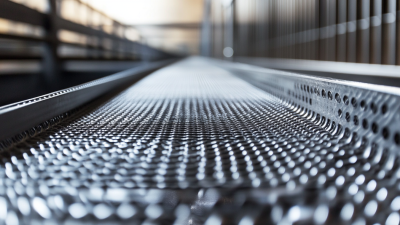
You know, in the ever-changing world of industrial operations, having reliable Material Handling solutionsis more important than ever. Take Wire Belts, for example — they're used in loads of different industries and really show off their durability and versatility. I came across a report fromMarketsandMarkets that predicts the global conveyor system market is going to jump from around $7.2 billion in 2020 to nearly $10 billion by 2025. That just goes to show how vital things like wire belts are in today’s manufacturing and logistics.
Oh, and by the way, JIANGSU HUADA Metal Mesh Belt CO., LTD., a leading manufacturer in China, has made a name for itself by supplying precision-made Wire Mesh belts and chain-driven systems to over20 countries. They’re pretty serious about quality, holding ISO 9001 and CE certifications, which means they follow strict standards to keep things reliable and efficient in all sorts of industrial setups.
Benefits of Wire Belts in Different Industrial Settings
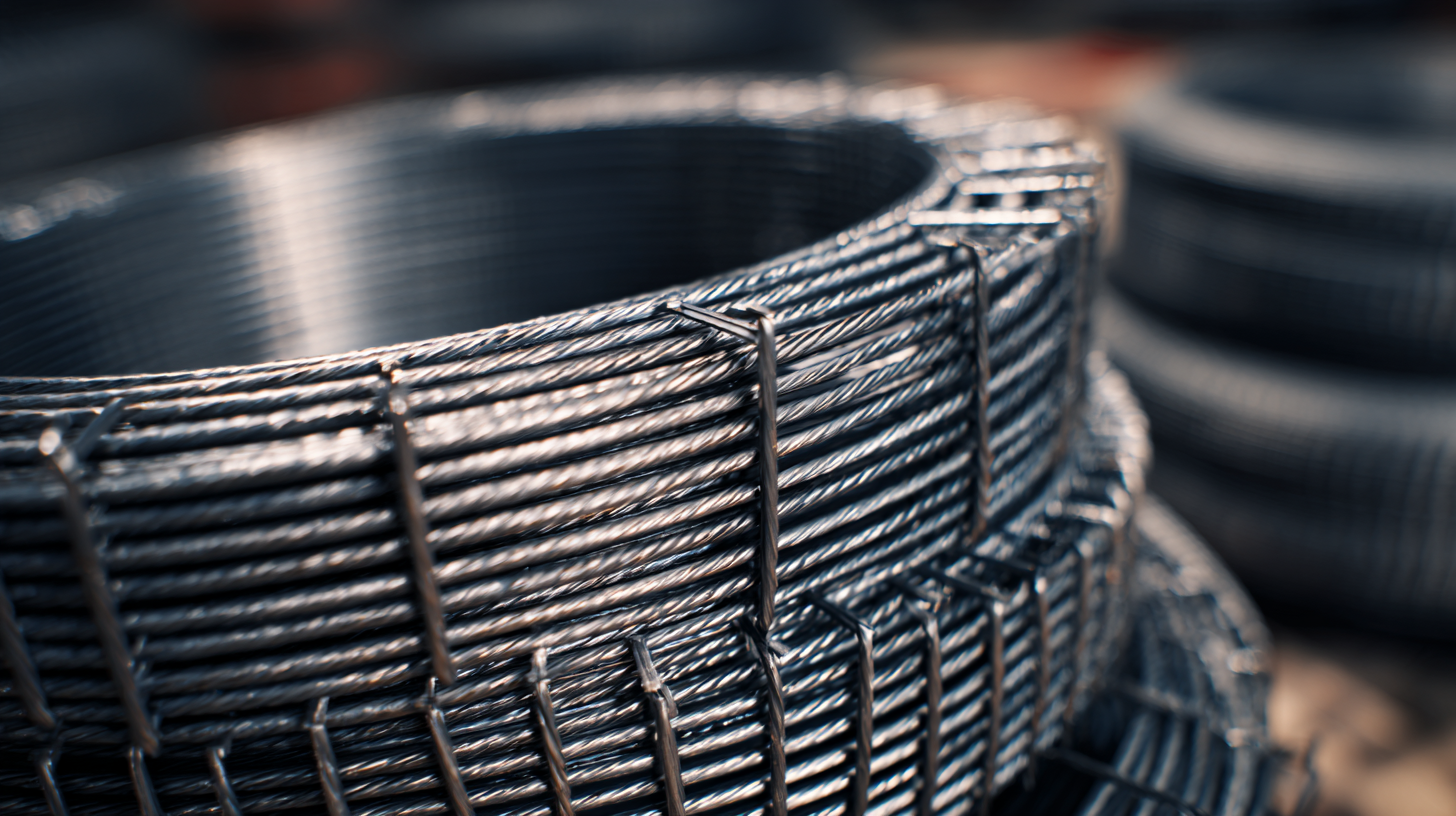
Wire belts have really become a go-to in lots of industrial settings because they’re so versatile and efficient, you know? One of the big perks of using them is how well they can handle products of all shapes and sizes. They’re perfect for stuff like food processing, packaging, or moving materials around. The design of wire belts also helps with airflow and drainage — which is a massive plus when cleanliness or temperature control is super important. Plus, they’re pretty lightweight, so they help cut down on wear and tear on the machines, saving some bucks on maintenance over time.
Another thing I should mention — these belts are tough! Made from high-quality metals, they can handle extreme temperatures and rough processing conditions without breaking a sweat. That’s a huge deal for industries that run 24/7 and can’t afford a lot of downtime. And the best part? They’re easily customizable, so companies can get just the right fit for their specific needs. When it comes to efficiency and keeping things running smoothly, investing in wire belts really pays off — it’s all about boosting productivity and making operations more reliable overall.
10 Best Practices for Using Wire Belts in Industrial Applications
Key Factors to Consider When Selecting Wire Belts
When you're choosing wire belts for industrial use, there are quite a few important factors you really want to think about. First off, the material of the belt plays a huge role. For example, stainless steel belts are super durable and resist corrosion well — no wonder they're often the go-to in food processing plants where keeping things hygienic is a top priority. In fact, according to the FDA, properly maintained stainless steel wire belts can cut down microbial contamination by up to 90%. Pretty impressive, right?
Then, there's the design of the belt itself. Different styles, like flat wire or spiral wire, are suited for different tasks. A report from the Conveyor Equipment Manufacturers Association (CEMA) actually shows that picking the right design can boost material handling efficiency by at least 25%. Oh, and you also gotta think about the environment where the belt will be used — things like temperature swings or chemical exposure really impact how well the belt performs and holds up over time. When you take all these factors into account, it becomes easier to pick the best wire belt for your needs and really get the most out of your equipment.
Maintenance Practices to Extend the Lifespan of Wire Belts
Taking care of wire belts in industrial settings isn't just about quick fixes — it’s really about sticking to a good routine that helps them last longer. First off, regular checks are a must. Look for any signs of trouble, like frayed wires or loose connections; catching these early can save you from bigger headaches later on. Setting up a weekly or monthly inspection schedule makes it easier to spot and fix problems before they become serious. Plus, making sure the belts are properly aligned helps reduce unnecessary friction, which can wear them out faster.
Cleaning is just as important. Dust, grime, and other stuff can build up and mess with how well the belt runs—no one wants that. Having a simple cleaning routine with the right cleaner designed for wire belts keeps them in top shape. Don’t forget about lubrication, either. Regularly oiling the moving parts associated with the belt reduces friction and stops overheating, which can seriously damage the system over time. If you keep up with these small but vital maintenance steps, your wire belts will work smoother, last longer, and you’ll spend less time dealing with unexpected downtime. Trust me, it’s worth the effort!
Common Applications of Wire Belts in Manufacturing
Wire belts might not be the first thing that comes to mind, but they actually play a pretty important role in a bunch of manufacturing processes. They’re super versatile and help things run smoothly across different industries. You’ll mostly find them in food processing, pharmaceuticals, and automotive manufacturing. Funny enough, a report from Research and Markets says the global wire belt market could hit around $1.02 billion by 2026, mostly because there's growing demand for lightweight yet durable materials on production lines.
In the food industry, wire belts are kinda like unsung heroes—they’re perfect for moving products through ovens and fryers. They allow heat to transfer well and are easy to keep clean, meeting hygiene standards. Their open design means air flows through easily, which cuts down on contamination. An industry study even found that about 78% of food manufacturers say they look for equipment that boosts both safety and efficiency—that’s where wire belts really shine.
And it’s not just food—these belts are huge in the auto world too. They’re used to move parts along assembly lines, where speed and precision are everything. They help with cooling, drying, and applying coatings, making the whole process more efficient. In fact, back in 2022, the auto industry made up over 30% of the wire belt market share, showing just how important they’ve become in keeping up with today’s push for innovation and efficiency.
Troubleshooting Issues with Wire Belt Systems
Whenever you're working with wire belt systems in industrial settings, it's really important to keep an eye out for any issues. Troubleshooting stuff early on is key to keeping things running smoothly and avoiding those annoying downtimes. One of the most common headaches? Belt misalignment. If the belt starts drifting off-track, it can cause uneven wear and even mess up the whole operation. To fix this, make it a habit to regularly check the belt’s tracking, and don’t forget to tweak the drive system if needed. Making sure that rollers and pulleys are lined up just right will not only boost performance but also help your wire belt last longer.
Another issue folks often run into is debris buildup. Stuff like dust, dirt, or leftover materials can slow down the belt or, worse, contaminate your products. To tackle this, set up a routine cleaning schedule—ya know, wipe down the belt surface and clean the surrounding areas regularly. Some people even put in scraper blades or brushes along the belt path to catch debris before it becomes a problem. And don’t ignore tension! If the belt’s too loose or too tight, you might see slippage or even breakage. It's a good idea to check and adjust the tension based on what the manufacturer recommends — staying on top of this goes a long way towards keeping everything running smoothly and avoiding unexpected breakdowns.
Innovative Enhancements for Wire Belt Performance
In the world of industrial applications, wire belts have really become essential for boosting productivity and efficiency. There have been some pretty exciting improvements in their design lately, like using better materials and surface treatments, which have really boosted how well they perform. According to a recent industry report from the Conveyor Equipment Manufacturers Association, switching to advanced materials like stainless steel or special polymers can boost the lifespan of wire belts by up to 30%. That’s a big deal because it means less maintenance and less downtime in manufacturing.
Another cool thing happening is the integration of smart tech into these systems. Think sensors and IoT capabilities that let operators keep an eye on belt performance in real-time. A study from the International Journal of Advanced Manufacturing Technology shows that facilities using smart wire belts saw about a 25% jump in overall efficiency. This trend isn’t just about modernizing equipment — it also ties into the push for more sustainable practices, since these upgrades help save energy and cut back on waste over time. It’s pretty exciting to see how these innovations are shaping the future of manufacturing.
10 Best Practices for Using Wire Belts in Industrial Applications - Innovative Enhancements for Wire Belt Performance
| Best Practice | Description | Benefits |
| Proper Tensioning | Ensure belts are properly tensioned to avoid slippage and wear. | Increased longevity and improved reliability. |
| Routine Cleaning | Implement a cleaning schedule to remove buildup of debris. | Enhances hygiene and reduces risk of contamination. |
| Material Selection | Choose wire belt materials suited for specific applications. | Increases efficiency and performance under varying conditions. |
| Regular Inspections | Conduct frequent inspections to detect wear or damage. | Prevention of unexpected breakdowns and maintenance costs. |
| Correct Alignment | Ensure the belt is correctly aligned on the pulleys. | Reduces wear and extends the life of the belt. |
| Temperature Control | Monitor and maintain proper operating temperatures. | Prevents overheating and material degradation. |
| Load Management | Distribute load evenly across the belt. | Minimizes strain and prolongs belt life. |
| Lubrication | Use proper lubrication on moving parts to reduce friction. | Increases efficiency and reduces wear and tear. |
| Employee Training | Train staff on proper handling and maintenance techniques. | Ensures safe operations and optimal belt performance. |
FAQS
: Wire belts are versatile and efficient, capable of handling products of various shapes and sizes, making them ideal for food processing, packaging, and material handling. They promote excellent airflow and drainage, are lightweight, and help reduce equipment wear and tear, resulting in maintenance cost savings.
Wire belts are made from high-quality metals that withstand extreme temperatures and harsh processing conditions without compromising performance. This durability is essential for industries requiring continuous operation and minimal downtime.
Wire belts can be tailored in design and materials to suit specific applications and operational requirements, providing companies with customized solutions that enhance their manufacturing processes.
Key factors include the material composition (e.g., stainless steel for durability and corrosion resistance), belt design (e.g., flat or spiral wire), and the operational environment (temperature fluctuations or chemical exposure) to ensure optimal performance and longevity.
Stainless steel wire belts are known for their resistance to corrosion and can reduce microbial contamination by up to 90% when properly maintained, making them ideal for food processing environments.
Effective maintenance includes regular inspections for wear, ensuring proper alignment, routine cleaning to prevent debris buildup, and lubricating moving components to reduce friction and overheating.
Inspecting wire belts should ideally be done weekly or monthly to identify any signs of wear or issues before they lead to significant failures.
Cleaning wire belts is essential to prevent debris and contaminants from affecting performance and causing premature wear, thus helping maintain their functionality over time.
Choosing the right belt design can improve material handling efficiency by 25% or more, as different designs are suited for specific applications.
Regular lubrication of moving components associated with wire belts reduces friction, prevents overheating, and contributes to the overall longevity and performance of the belts.
Conclusion
In the world of industrial settings, wire belts have really become a go-to for boosting efficiency and getting things done faster. Their clever design offers some pretty clear advantages across a variety of applications, whether you're working in food processing or manufacturing. When you're choosing a wire belt, it’s important to think about things like what materials are compatible, the type of belt structure, and what your specific production line actually needs. Doing regular maintenance can go a long way in making sure these belts keep working well and last longer.
Plus, getting to know the typical uses of wire belts in manufacturing can help you really get the most out of your setup. And when issues pop up, knowing how to troubleshoot can save you a lot of headaches and keep everything running smoothly. The good news is, new innovations are constantly pushing these belts to perform even better, which is why they’re pretty much an essential part of modern industry. Here at JIANGSU HUADA METAL MESH BELT CO., LTD., we’re all about providing top-quality, precisely made wire mesh belts that cater to clients all over the world. We really take pride in helping our customers find the perfect fit for their needs.