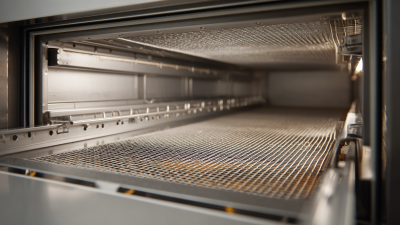
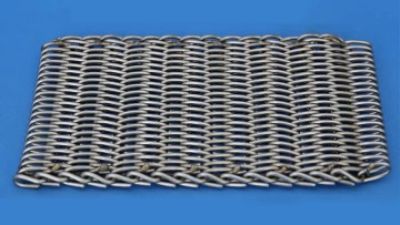
In the world of industrial cooking, the quality of a Thermal Oven Belt really can make or break your final product. Industry folks like Robert Langley over at HeatTech Industries often stress how important it is to pick the right belt. I remember he once said, “A reliable Thermal Oven Belt is pretty much the secret to consistent cooking performance.” It’s pretty much true—these belts are super essential in everything from baking to drying processes.
The thing is, how durable and heat-resistant your belt is can seriously affect your overall efficiency and the quality of what you’re producing. But here’s the catch—choosing the wrong belt can lead to all sorts of headaches, like uneven cooking or more frequent downtime. Not exactly what you want, right?
A lot of users tend to overlook those early signs of wear on their Thermal Oven Belts, thinking maintenance isn’t a big deal. Trust me, regular check-ups are a must. Each belt is a bit different, and finding the perfect fit for your oven can be tricky with so many options out there. Doing your homework and making an informed choice is key if you want to keep things running smoothly and get the most out of your setup.
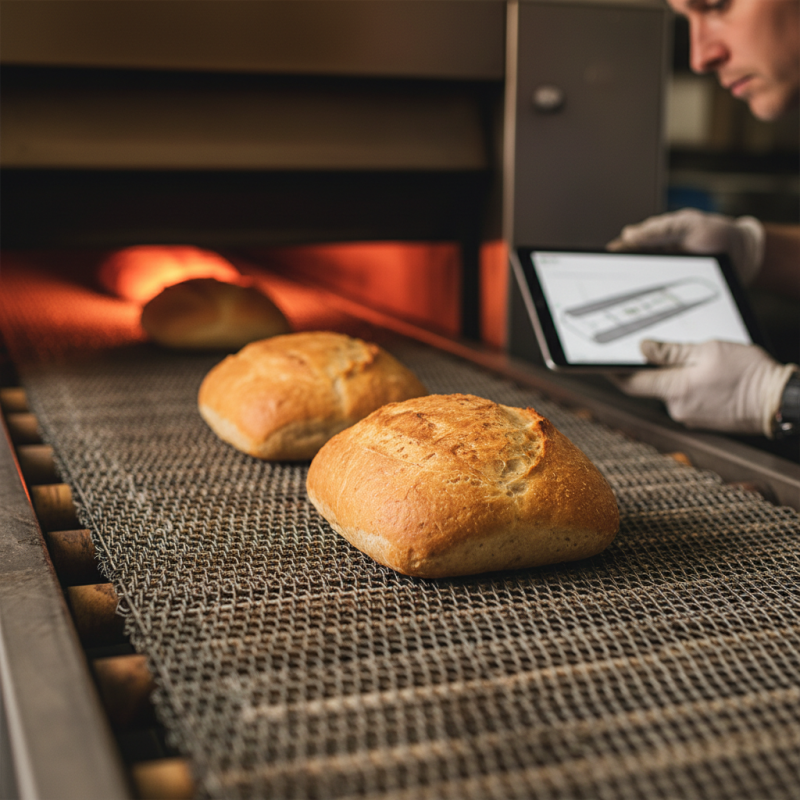
Criteria for Selecting the Best Thermal Oven Belt
When selecting the best thermal oven belt, several criteria are essential. Durability is a key factor. A long-lasting belt can handle high temperatures without compromising quality. Look for materials that resist wear and tear.
Another important aspect is the size. A belt that fits your oven perfectly will ensure better efficiency. Measure your oven accurately before making a purchase. Too loose or too tight can lead to problems. Proper fit enhances baking results.
Lastly, consider the ease of installation. A user-friendly design saves you time and effort. A complicated setup may lead to frustration. Reflect on reviews from others. Their experiences can provide insights into what works well and what doesn't.
2026 Best Thermal Oven Belt Performance Analysis
Top Brands of Thermal Oven Belts in 2026
When it comes to Thermal Oven Belts, choosing the right one is crucial for optimal performance. In 2026, a range of top brands offer various options. Many features distinguish these belts. A key aspect is durability, as these belts must withstand high temperatures and extended use. Low Thermal Expansion Weave Belt stands out for its ability to maintain stability. This ensures consistent food quality. Users often appreciate its resistance to wear and tear.
Another important consideration is the size and fit of the belt. A mismatched belt can lead to operational issues. Some users find customization helpful. It is essential to measure your oven accurately. Many thermal belts provide guidelines for selection. However, not all brands offer clear instructions. Make sure to double-check specifications. This can save you headaches later.
Performance is another vital metric. While some brands boast high efficiency, real-world use reveals mixed results. Reviews indicate that user experiences vary widely. Common concerns include slipping and misalignment. Consider these factors when purchasing. Research and read extensively before deciding. Small details can significantly influence your choice.
Features to Consider When Choosing a Thermal Oven Belt
When selecting a thermal oven belt, several features merit careful consideration. Material quality is crucial. Look for belts made from durable materials such as Teflon or silicone. These materials endure high temperatures and resist wear and tear. A well-constructed belt can last longer, saving you money in the long run. Reports show that quality belts can last up to 25% longer than standard options.
Width and length are vital specifications. Ensure that the belt fits your oven model perfectly. A misfit can lead to inefficiencies or damage. Be aware that many belts are adjustable, offering flexibility in installation. This feature may prove beneficial, especially in high-demand settings.
Tips to remember: Regular maintenance prolongs the life of the belt. Clean it often to remove residue. Also, inspect it periodically for any signs of wear. Not all thermal oven belts provide equal performance. Some may wear out quicker than expected. Always read user reviews and gather feedback. This can prevent costly mistakes. Lastly, be aware of your specific cooking needs. They will guide your choice, ensuring optimal results in your kitchen.
Comparison of Material Types for Thermal Oven Belts
When choosing the right thermal oven belt, material type plays a crucial role. Most thermal oven belts are made from silicone, PTFE, or fiberglass. Each material has its pros and cons, making the choice somewhat tricky.
Silicone belts are flexible and heat-resistant. They provide good durability, often lasting longer than other materials. However, they can be prone to scratching. PTFE belts are non-stick, making them easy to clean. This can be an advantage in busy Thermal Power Plants. Yet, they might not hold up well under extreme temperatures.
Fiberglass-based belts offer strength and resistance to wear. They are less flexible but can withstand high heat. Their rigidity may restrict some applications. It is essential to weigh these factors carefully. Not every material suits every oven type. Your choice should align with your specific needs. Sometimes, even small details can make a big difference in performance.
Maintenance Tips for Maximizing the Life of Your Oven Belt
The lifespan of your oven belt is crucial for maintaining efficiency in cooking processes. Regular maintenance can extend its life significantly, which means fewer replacements and lower costs. Reports indicate that properly maintained oven belts can last up to 20% longer. This ensures consistent heating and better food quality.
One essential maintenance tip involves regular cleaning. Residue buildup can lead to overheating, which damages the belt over time. Simple soap and water can do wonders. After cleaning, inspect the tension. A loose or overly tight belt can reduce performance. The ideal tension should allow slight flexing without sagging. Industry studies show that correct tension improves longevity.
Monitoring temperature settings is another vital aspect. Excessive heat can warp belts, impacting their function. Keeping the temperature within the manufacturer's recommendations can prevent premature wear. Many more than just a handful of users overlook this critical detail. A careful approach can save you from costly replacements. Maintaining your Belt Oven means understanding these small but impactful practices. Regular attention makes a difference.
User Reviews: Insights and Experiences with Top Thermal Oven Belts
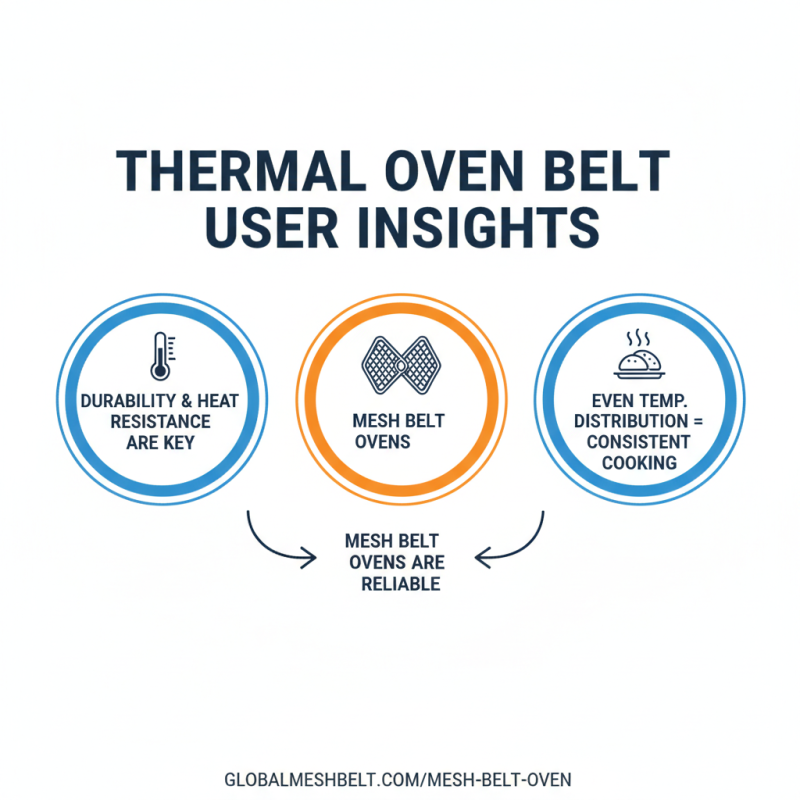
When exploring thermal oven belts, user reviews reveal a lot. Many people share their experiences with different types. Observations often mention the importance of durability and heat resistance. A reliable Mesh Belt Oven stands out in these discussions. Users appreciate its ability to distribute temperature evenly. This feature leads to consistent cooking results.
However, not all experiences are positive. Some users report issues with wear over time. They note that belts can fray or even lose flexibility. This can impact cooking performance. It is crucial to pay attention to maintenance. A user suggests regular inspections to catch wear early.
In their reviews, people also discuss the installation process. Some find it straightforward, while others struggle. This inconsistency can be frustrating. Additionally, users highlight the importance of getting the right size for their ovens. An ill-fitting belt can cause problems. Overall, user insights help potential buyers make more informed choices.
Where to Buy Thermal Oven Belts: A Comprehensive Guide
When looking for thermal oven belts, it’s essential to know where to buy them. Research shows that the global thermal oven belt market is projected to grow significantly. In 2022, the market was valued at around $1.5 billion. This growth indicates a rising demand across industries, particularly in food processing and manufacturing.
Local suppliers are a common choice. They often provide quick service and local inventory. However, their selection may be limited. Online marketplaces offer a broader variety. Reports indicate that nearly 70% of consumers prefer browsing online for niche products. This allows consumers to compare prices and specifications easily.
Consideration should be given to quality and compatibility. Not all belts are created equal. Some may wear out faster due to inferior materials. Cheaper options might lead to more frequent replacements. Pay attention to details, such as the material type and heat resistance. These factors can impact performance significantly. Take your time researching options before making a decision. It can lead to better long-term savings and efficiency.
2026 Best Thermal Oven Belt Reviews and Buying Guide
| Model | Material | Temperature Range (°F) | Width (inches) | Length (feet) | Price ($) |
| Model A | Silicone | 500 | 2 | 10 | 25.99 |
| Model B | Teflon | 600 | 3 | 15 | 35.49 |
| Model C | Fiberglass | 450 | 1.5 | 20 | 18.75 |
| Model D | PVC | 500 | 2.5 | 30 | 22.99 |
Optimizing Performance and Durability: Insights from Industry Reports on Clinch Edge Type Belts in Industrial Applications
In the realm of industrial applications, optimizing performance and durability is crucial, especially when it comes to the choice of clinch edge type belts. Recent industry reports indicate a growing demand for belts that can withstand high-load conditions and extreme temperatures. For example, the High-Temperature Powder Compacting Belt, rated for 800°C, is increasingly utilized in applications where thermal stability is paramount. Additionally, the Heavy-Duty PM Conveyor Belt with its oxidation-resistant properties plays a vital role in enhancing operational longevity, particularly in environments prone to high oxidative stress.
Moreover, the application of these belts is supported by data showing significant improvements in productivity and resistance to wear under heavy loads. The High-Capacity PM Furnace Belt, designed to handle loads of up to 5 kg/cm², exemplifies this trend by ensuring seamless operation while transferring bulky materials. This is particularly important in metal powder processing, where a stable surface sintering belt minimizes the risk of material displacement, enhancing the overall efficiency of production cycles. With the integration of belts like the Durable Thick-Mesh Belt for High-Temp Powder Transport, industries can achieve substantial gains in both performance and safety, meeting the rigors of modern production demands effectively.
FAQS
: Look for quality and durability. Check user reviews for insights. Don’t ignore price comparisons.
Use favorite lists and bookmarks. Subscribe for updates on sales. Sometimes, patience pays off with discounts.
Impulse buying often leads to regret. Skipping return policies can be risky. Always double-check sizes and specifications.
Research products thoroughly. Compare features across different sellers. Trust your instincts, even if it’s hard.
Reviews provide real user experiences. They can highlight product flaws. Balance positive and negative feedback before deciding.
Seasonal sales often offer great deals. Look for events like Black Friday. Timing can significantly impact final prices.
Conclusion
In the search for the best Thermal Oven Belt, it's essential to understand the key criteria for selection, which include durability, material quality, and performance efficiency. The guide highlights the top brands of thermal oven belts available in 2026, providing insights into their features and benefits.
Moreover, the article delves into the various material types used in thermal oven belts, comparing their pros and cons. Proper maintenance tips are offered to help users maximize the lifespan of their oven belts. To enhance decision-making, user reviews share real-life experiences, while a comprehensive guide is provided for purchasing thermal oven belts from various retailers, ensuring readers can find the best options to suit their needs.