Picking the right Wire Conveyor Belt really matters for businesses across different industries. When you choose a good belt, it can boost efficiency and last longer, saving you headaches down the line. There are quite a few types out there, each made for specific jobs, so it’s pretty important to understand your options.
When you're deciding on a wire conveyor belt, it’s smart to think about what materials it’s made of and how it’s designed. These factors can really influence how long the belt will last and how well it performs. Like, stainless Steel Belts resist rust and corrosion, but they might not be the best fit for every application. Honestly, every business needs to carefully weigh their unique needs and the challenges they face.
Looking back on past choices can be super helpful — sometimes companies go for the cheapest option and end up regretting it when they have to replace belts all the time. It’s really about finding that sweet spot between cost and quality. Picking the right wire conveyor belt isn’t just a simple decision; it’s like an investment in your operation’s success. Trust me, taking the time to choose wisely pays off in the long run.
Understanding Wire Conveyor Belts: An Overview of Types and Functions
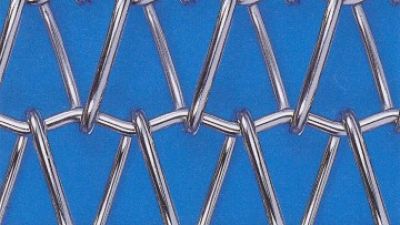
Wire conveyor belts are essential in various industries. They offer unique features that cater to different operational needs. Understanding the types and functions of these belts is crucial for businesses aiming to enhance efficiency. For instance, wire Mesh Belts are durable and allow for superior airflow and drainage, making them ideal for food processing applications. According to a report by MarketsandMarkets, the wire conveyor belt market is projected to grow significantly, reaching $40 billion by 2027.
Different wire conveyor belts serve specific functions. Link belts are versatile, allowing for easy repair and maintenance. Their modular design facilitates customization for various configurations. In contrast, spiral belts provide continuous processing and optimize space in production areas. A study published in the Journal of Manufacturing Science highlighted that using the appropriate belt can improve product quality by around 15%.
Choosing the right wire conveyor belt requires careful consideration. Each type has its advantages and potential drawbacks. Some belts may not perform optimally in situations with high humidity, leading to rust. It's vital for businesses to assess their unique conditions before selecting a belt. This decision impacts not only production efficiency, but also operational costs and safety.
Factors to Consider When Choosing a Wire Conveyor Belt for Your Business
Choosing the right wire conveyor belt is vital for operational efficiency. A key factor to assess is the material used in the wire belt. Stainless steel is popular for its strength and corrosion resistance, making it ideal for industries like food processing. According to a 2021 industry report, nearly 60% of businesses prefer stainless steel due to its durability. Yet, it may not suit all environments. In some cases, aluminum belts could be a better option for lighter applications.
Consider the belt's application and load capacity. Too often, companies misjudge the load, resulting in premature wear or failure. A study found that improper load management caused 30% of conveyor breakdowns last year. It's also essential to evaluate the belt's tensioning system. A poorly adjusted tension can lead to inefficiencies. Not all systems are created equal; Wire Belt Co offers various designs that account for different operational needs.
Lastly, think about the belt’s adaptability to your production line. A flexible belt can save time and money in reconfiguration. It's important to choose a belt that can handle changes. Some belts might work well today but require modifications tomorrow. Therefore, have a strategy in place for ongoing evaluation.
Material Composition: How It Affects Durability and Performance
When choosing a wire conveyor belt, material composition is crucial. Different materials impact durability and performance in distinct ways. Stainless steel, for instance, offers excellent corrosion resistance. This makes it suitable for food processing or chemical industries. However, not all stainless steel grades are equal. Consider which grade fits your operational environment best.
Tips: Assess your operating conditions carefully. If your process involves high temperatures or abrasive materials, select a belt with enhanced resilience. The right choice will prevent frequent replacements and maintenance interruptions.
Another option is a Flat Wire Belt. These belts are designed for flexibility while providing a strong support structure. They excel in applications that require a smooth surface. However, their performance can degrade in harsh environments. Always consider the specific needs of your application when making a decision.
Inadequate material selection can lead to unexpected downtime. Evaluate how often your belt will be exposed to wear and tear. A straightforward approach is to balance cost against longevity. This way, you ensure reliability without overspending.
Industry Applications: Matching Wire Conveyor Belts to Your Needs
Choosing the right wire conveyor belt involves understanding your industry applications. Different sectors require specific features for optimal performance. For instance, the food industry often needs sanitary belts that can withstand high temperatures. These belts are designed to resist bacteria buildup and are easy to clean.
Manufacturing and automotive sectors may prioritize strength and durability. Belts in these industries often endure heavy loads and tough conditions. They need to be robust and reliable. However, not every choice is straightforward. Balancing cost, efficiency, and longevity can be tricky. It's essential to analyze how each option might perform under varying conditions.
Another factor is the material of the wire conveyor belt itself. Stainless steel is popular due to its resistance to corrosion, but it may be too expensive for some operations. Additionally, choosing a belt that wobbles or has spacing issues can lead to installation headaches. These challenges require careful evaluation and experience to navigate effectively.
Maintenance Tips for Maximizing the Lifespan of Wire Conveyor Belts
Wire conveyor belts are essential in many industries. Proper maintenance is key to maximizing their lifespan. Frequent inspections can prevent unexpected breakdowns. Look for signs of wear or damage. Even small issues can lead to significant failures. Pay attention to the tension and alignment of the belts. A Wire Ring Belt, for example, may experience increased wear if misaligned.
Cleaning is another vital aspect of maintenance. Accumulated debris can hinder performance. Regularly remove any materials clinging to the belt. This keeps it running smoothly and efficiently. Lubricate the components as needed, but avoid over-lubrication. Too much can attract dirt and grime. Be mindful of your cleaning products; harsh chemicals may deteriorate the belt material.
Consider the environment where the Wire Ring Belt operates. Harsh temperatures or exposure to corrosive substances can shorten its lifespan. Adjust your maintenance routine based on these conditions. Document all maintenance activities. This aids in identifying patterns that may indicate underlying problems. Regular attention to these details can help enhance the reliability of your conveyor system.
What is the Best Wire Conveyor Belt for Your Business Needs? - Maintenance Tips for Maximizing the Lifespan of Wire Conveyor Belts
| Belt Type | Material Used | Typical Applications | Maintenance Tips | Expected Lifespan |
| Flat Wire Belt | Stainless Steel | Food Processing, Packaging | Regular cleaning; Lubricate pivot points | 5-10 years |
| Double Wire Belt | Carbon Steel | Heavy Duty Transport | Inspect for wear; Align tracking | 3-7 years |
| Flat Spiral Belt | Alloy Steel | Cooling, Drying | Clean grease; Check for loose links | 4-8 years |
| Plate Link Belt | Plastic | Sorting, Assembly Lines | Routine inspections; Ensure proper tension | 4-6 years |
| Wire Mesh Belt | Stainless Steel | Baking, Cooling Applications | Monitor for debris; Maintain proper speeds | 6-10 years |
Cost vs. Quality: What to Expect When Purchasing Wire Conveyor Belts
When selecting wire conveyor belts, balancing cost and quality is crucial. Data from industry reports indicate that companies often prioritize upfront costs. Yet, a lower price can lead to higher maintenance expenses over time. The average lifespan of quality wire belts is about five to ten years. In contrast, cheaper options may only last a few months.
It's important to consider the application. For high-temperature processes, specific materials are needed. A report by the Conveyor Equipment Manufacturers Association highlights that belts made of stainless steel can withstand extreme conditions. They might cost more initially, but maintenance costs are significantly lower.
Investing in a quality wire conveyor belt often pays off in the long run. Data shows that companies investing in higher-quality materials increase their operational efficiency by 20%. This improvement can lead to better throughput and reduced downtime. Balancing these factors can be challenging. A thorough assessment of needs and potential long-term savings is vital before making a purchase decision.
Future Trends in Wire Conveyor Belt Technology and Innovation
The future of wire conveyor belt technology is evolving rapidly. Industries demand greater efficiency and adaptability. New materials enhance the durability of Wire Mesh Belts. These advancements provide better resistance to corrosion and wear, increasing lifespan.
Automation is another trend shaping the wire mesh belt industry. Smart systems now integrate sensors for real-time monitoring. This technology improves operational efficiency and reduces downtime. However, implementing such systems can be challenging. Many businesses face obstacles in adopting these innovations.
Sustainability is also a significant focus. More manufacturers prioritize eco-friendly materials. This shift reflects a growing awareness of environmental impact. Yet, achieving a balance between performance and sustainability remains difficult. Companies must constantly evaluate their choices and seek reliable solutions.
Wire Conveyor Belt Material Comparison
This chart compares the durability ratings of different materials used in wire conveyor belts, showing how each material stacks up in terms of longevity and resilience. Stainless steel remains the top choice for durability.
The Ultimate Style Guide: Elevate Your Wardrobe with the Balance Weave Belt
Elevating your wardrobe extends beyond fashion; it resonates with how we incorporate functional elegance into our lives. The Balance Weave Belt stands as an embodiment of this philosophy, marrying style with practicality. Designed for versatility, this belt not only adds a refined touch to your outfit but also serves as a robust solution for various applications. Whether you're navigating a high-speed sorting system or managing small parts, the balance weave technology ensures a seamless experience.
Consider the Balanced Weave Conveyor Belt for High-Speed Sorting Systems. Its precision and efficiency make it an ideal choice for environments demanding rapid and reliable processing. For those looking at specialized uses, the Heavy-Duty Cross-Rod Weave Conveyor System offers unparalleled strength, while the Low-Profile Balance Weave Belt excels in effectively handling small components. Each product within the balance weave category is tailored to meet specific industrial needs without compromising on style or performance.
Beyond industrial applications, the Balance Weave Belt is equally significant in more delicate environments. For instance, the Food-Grade Balanced Weave Belt ensures hygienic conveying without sacrificing durability. Additionally, the Zero-Warp Balanced Weave Belt is a game-changer for glass annealing processes, showcasing how innovation can enhance both functionality and style. Embrace the opportunity to elevate not just your wardrobe but also your operational capabilities with the remarkable balance weave technology.
FAQS
: Regular inspections help identify wear or damage early. Addressing small issues prevents larger failures.
Pay attention to signs of wear, damage, or misalignment. These problems can lead to increased wear.
Remove debris regularly to ensure smooth operation. Accumulated materials can hinder performance significantly.
Yes, but avoid over-lubrication. Excess lubricant can attract dirt, which may harm the belt over time.
Harsh temperatures or corrosive substances can shorten their lifespan. Adjust maintenance routines based on these conditions.
It helps identify patterns and underlying problems. Regular documentation enhances reliability in conveyor systems.
Balance cost and quality carefully. Cheaper options may lead to higher maintenance expenses over time.
Yes, they often lead to lower maintenance costs and increased efficiency, resulting in long-term savings.
A quality belt typically lasts five to ten years, while cheaper options may only last a few months.
High-temperature processes require specific materials. Stainless steel belts may have higher upfront costs but lower maintenance needs.
Conclusion
When selecting the best wire conveyor belt for your business needs, it is crucial to understand the various types and functions available. Factors such as material composition can significantly affect a belt’s durability and performance, impacting overall productivity. Different industries require specific applications for wire conveyor belts, making it essential to match the right belt to the unique demands of your operations.
Additionally, proper maintenance practices will help maximize the lifespan of your wire conveyor belts, reducing downtime and replacement costs. While evaluating options, businesses must consider the balance between cost and quality to ensure they are making a sound investment. Lastly, staying informed about future trends in wire conveyor belt technology will help companies adapt to changing industrial requirements and enhance their operational efficiency.