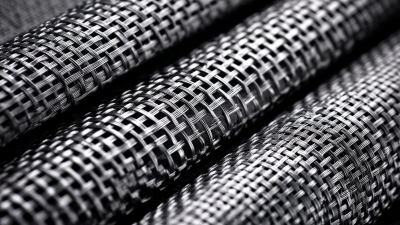
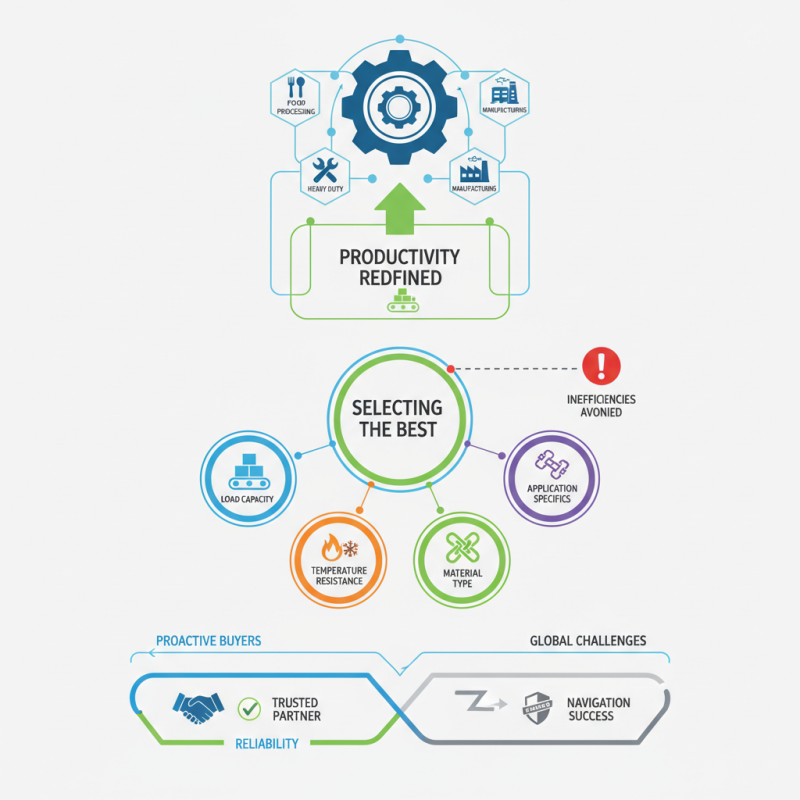
In the fast-changing world of manufacturing, picking the right materials is more important than ever. When it comes to wire mesh belts, they really stand out because of how versatile and efficient they are. I once heard industry expert John Hamilton, CEO of Hamilton Manufacturing, say, "Getting the right Wire Mesh Belt can totally change how productive you are." That really captures how big a role these belts play, whether you're dealing with food processing or heavy-duty stuff.
Choosing the best wire mesh belt isn’t just about picking anything off the shelf—it’s about understanding what you really need. Things like how much weight it needs to handle, how well it can stand up to high temperatures, and what material it’s made from should all come into play. For example, stainless Steel Belts are great if you’re working in rough environments, while plastic ones might be better for lighter, less demanding tasks. Unfortunately, some folks skip over these details, and that can lead to problems down the line.
Also, not all belts are created equal. You’ll notice big differences in quality and design depending on the manufacturer. It’s really worth doing a bit of homework on your suppliers—finding someone with a good track record can save you a lot of headaches later. Being proactive and thoughtful about your choices helps you avoid potential pitfalls. Sure, the global market has its challenges, but with the right 'wire mesh belt,' you can navigate them way more smoothly.
Advantages of Using Wire Mesh Belts in Industrial Applications
Wire mesh belts have revolutionized industrial applications with their multi-faceted advantages. These belts provide exceptional durability. They can withstand high temperatures and heavy loads, making them ideal for various environments. Wire mesh belts facilitate superior airflow and drainage. This is crucial in industries like food processing and manufacturing.
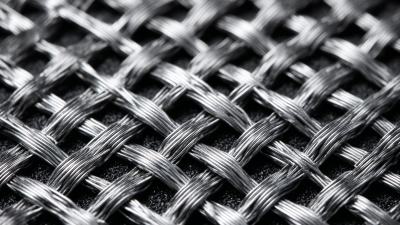
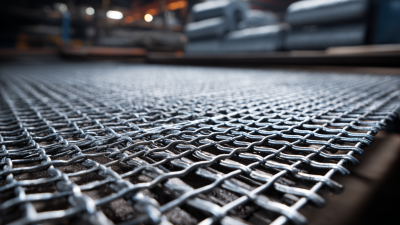
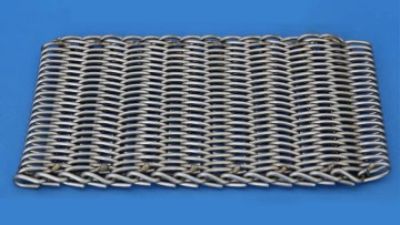
Using a Flat Wire Mesh Belt ensures a smooth surface while offering strength and stability. The design allows for easy cleaning, which is critical in maintaining hygiene standards. It also reduces maintenance time, helping operations run efficiently.
Tip: When selecting a wire mesh belt, consider the specific needs of your application. Evaluate the load capacity and the environmental conditions.
Another benefit is that wire mesh belts reduce the risk of product damage. They offer gentle handling of delicate items. However, not all belts suit every situation. Analyzing your process requirements before making a choice can prevent costly mistakes.
Tip: Always consult with experienced professionals when selecting belt materials. Their expertise can guide you to make the right decision.
Key Material Types for Wire Mesh Belts and Their Performance Metrics
Wire mesh belts are essential in various industrial applications. Choosing the right material significantly impacts performance metrics. Stainless steel is one popular option. It offers high corrosion resistance, making it suitable for food processing. However, its weight can be a downside, possibly impacting speed.
Another common material is plastic. These belts are lightweight and flexible. They excel in industries requiring easy cleaning and lower maintenance. Yet, they may not withstand high temperatures as well as metals. Users must weigh these factors according to their specific needs.
Lastly, consider carbon steel. It’s strong and durable, ideal for heavy-duty applications. However, carbon steel can rust without proper care. This poses challenges in humid environments. Evaluating the specific requirements of each project can help buyers choose the best option for their needs.
Factors Influencing the Selection of Wire Mesh Belts for Global Markets
When selecting wire mesh belts for global markets, several factors come into play. Quality, durability, and load capacity are paramount. A 2022 market analysis indicates that wire mesh belts account for 25% of material handling solutions. Their versatility makes them suitable for various industries, from food processing to material handling.
Temperature resistance is another critical factor. High-performance belts can withstand harsh conditions. Reports suggest that belts designed for extreme temperatures show improved longevity, lasting up to 40% longer than standard options. Additionally, the belt's construction material impacts its suitability for specific applications.
**Tip:** Always consider the environment in which the belt will operate. Analyzing the specific temperatures and loads can help ensure optimal performance.
Maintenance requirements also influence selection. Easy-to-clean belts reduce downtime and enhance hygiene in food industries. However, some designs may present cleaning challenges. Understanding the trade-offs can lead to more informed purchasing decisions.
**Tip:** Analyze the cleaning procedures of your production area. This assessment can guide you toward the most effective belt choice.
Finally, market trends show a growing preference for sustainable materials. Eco-friendly options are increasingly in demand, reflecting a shift in consumer priorities. Sustainable belts not only offer performance but also align with corporate social responsibility goals.
Best Wire Mesh Belt Options for Global Buyers
| Belt Type | Material | Mesh Size (mm) | Load Capacity (kg/m²) | Temperature Resistance (°C) | Application |
| Flat Wire Belt | Stainless Steel | 5 | 250 | 300 | Food Processing |
| Hexagonal Wire Belt | Galvanized Steel | 10 | 300 | 200 | Baking Industry |
| Shaker Screen Belt | Carbon Steel | 8 | 400 | 150 | Mining and Quarrying |
| Modular Plastic Belt | Plastic | 12 | 200 | 90 | Packaging |
| Round Wire Belt | Stainless Steel | 6 | 250 | 400 | Agriculture |
Comparative Analysis of Wire Mesh Belt Suppliers and Pricing Regions
When evaluating wire mesh belt suppliers, it is crucial to understand regional pricing variations. Each region offers unique advantages, influenced by local manufacturing costs and technological expertise. For instance, some areas may provide lower prices due to reduced labor costs. However, the quality of the Wire Mesh Conveyor Belt can also vary significantly. Buyers should analyze materials used and production techniques to ensure they receive value for their investment.
Different regions may emphasize different aspects of production. Some suppliers prioritize durability, while others focus on flexibility or specific applications. This variance can impact the performance of wire mesh conveyor belts in various industries, such as food processing or material handling. Buyers must conduct thorough research to discern which suppliers align best with their operational needs.
It is also essential to consider potential communication barriers with international suppliers. Language differences can lead to misunderstandings about product specifications. Buyers should reflect on their experience in dealing with overseas manufacturers. Evaluating previous partnerships can provide insight into a supplier’s reliability and responsiveness. Ultimately, making an informed choice requires careful consideration of both price and quality.
Trends and Innovations in Wire Mesh Belt Technology for 2023
Wire mesh belt technology is evolving rapidly in 2023. The latest trends show a significant shift towards materials that enhance durability and reduce maintenance costs. Industry reports indicate that lightweight alloy materials are gaining popularity. Companies are opting for these innovations due to their improved strength-to-weight ratio. This change allows for greater efficiency in manufacturing processes. According to a recent study, up to 30% of businesses report lower operational expenses with these advanced materials.
Another notable trend is the integration of smart technology into wire mesh belts. Sensors can monitor wear and tear in real-time. This technology provides valuable data, leading to predictive maintenance, which decreases downtime. A tech survey revealed that 45% of manufacturing firms are now prioritizing automation and IoT capabilities in their supply chain. Such enhancements can result in a 20% increase in production efficiency.
Despite the advancements, challenges remain. Many companies grapple with the initial costs of adopting new technologies. Additionally, there's a learning curve associated with implementing smart systems. Industry experts stress that while the benefits are clear, the transition requires careful planning and investment. Overall, the landscape for wire mesh belts is dynamic, necessitating constant adaptation from global buyers.
Environmental Impact and Sustainability of Wire Mesh Belt Manufacturing
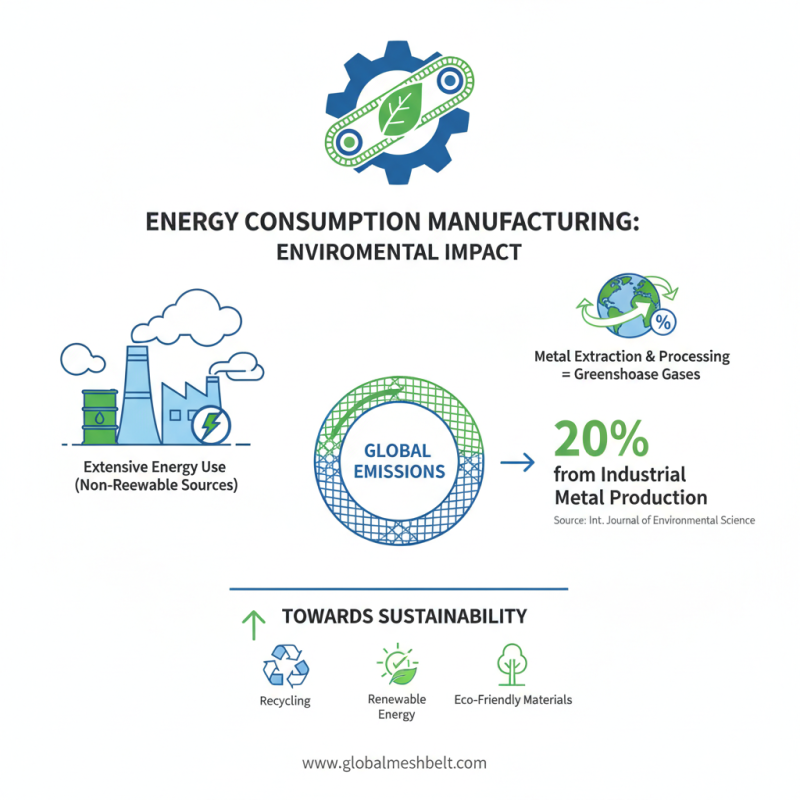
The manufacturing of Conveyor Wire Mesh Belts has significant environmental implications. Reports indicate that the production process can consume extensive energy, primarily from non-renewable sources. Metal extraction and processing, central to belt manufacturing, contribute to greenhouse gas emissions. A study from the International Journal of Environmental Science notes that industrial metal production accounts for nearly 20% of global emissions.
Manufacturers are increasingly focusing on sustainability. Recycling initiatives are essential for reducing waste. The reuse of materials not only lowers the carbon footprint but also mitigates resource depletion. Transitioning to renewable energy sources within production processes can assist in achieving emissions targets. According to industry data, switching to green energy in manufacturing can reduce emissions by up to 30%.
Tips: Consider sourcing belts made from recycled materials. Assess the supplier's commitment to sustainability. Engaging with manufacturers focused on reducing their environmental impact can lead to more responsible purchasing decisions.
Case Studies: Successful Implementations of Wire Mesh Belts in Industries
Wire mesh belts have become essential in various industries, offering improved durability and efficiency. Case studies reveal how companies have successfully implemented these belts to streamline operations. In the food processing sector, for instance, one manufacturer adopted Aisi 314 Wire Mesh Belts. These belts are known for their corrosion resistance, making them ideal for environments exposed to moisture.
Data from industry reports indicate that businesses utilizing wire mesh belts experience a 15% reduction in downtime. This improvement results from easier cleaning and maintenance compared to traditional conveyor options. Another study highlighted a pharmaceutical company that improved its production speed by 20% after switching to wire mesh technology. This transition illustrates the crucial role that advancements in material science play in operational efficiency.
However, the transition to wire mesh belts is not without challenges. Companies must consider the upfront costs and the need for proper training. Some workers initially struggled with the new equipment, revealing a gap in the workforce's technical skills. Ongoing training programs can help mitigate this issue, ensuring that the workforce is adequately prepared for the technological shift.
Maximizing Operational Efficiency: Clinical Insights on Clinch Edge Type Belt Performance in Manufacturing
In the quest for maximizing operational efficiency within manufacturing processes, the selection of the right materials handling solutions is critical. The intricacies of managing high-load applications, particularly in powder sintering and compaction, require conveyor systems that can withstand extreme conditions while delivering optimal performance. The use of high-load powder sintering belts, such as those constructed from thick-wire 314 stainless steel, ensures durability and resistance to oxidation, essential for maintaining production integrity in metal powder environments.
Furthermore, focusing on high-temperature applications, selecting a suitable high-temperature powder compacting belt rated at 800°C is vital for sustaining peak operational capacities in manufacturing lines. This belt not only endures high thermal conditions but also contributes to the efficiency of powder handling processes. Additionally, incorporating non-flake sintering belts can enhance cleanliness in PM production, significantly reducing the risk of contamination and ensuring that production standards are met.
Investing in robust systems like industrial-grade thick-wire clinch edge conveyors or heavy part transfer belts with anti-oxidation coatings can revolutionize material transfer efficiency. These solutions not only provide a stable surface for metal powder processes but also enhance corrosion resistance, thus extending the lifespan of equipment and optimizing the overall efficiency of manufacturing operations. Choosing the right belts tailored to specific operational needs can lead to improved output and reduced downtime.
FAQS
: They offer durability, withstand high temperatures, and handle heavy loads. These features suit various environments well.
They facilitate superior airflow and drainage, which is crucial in industries like food processing and manufacturing.
Easy cleaning helps maintain hygiene standards, which is critical in the food processing sector and reduces maintenance time.
Evaluate your application’s specific needs, including load capacity and environmental conditions to avoid costly mistakes.
Yes, they provide gentle handling for delicate items. However, not all belts suit every situation.
Companies report a reduction in downtime and improved production speeds after implementing wire mesh technology.
Yes, upfront costs and the need for proper training can pose challenges during the transition for workers.
Ongoing training helps bridge skill gaps, ensuring workers can effectively use new equipment for better outcomes.
Businesses report about a 15% reduction in downtime, largely due to easier cleaning and maintenance.
Yes, one case study showed a 20% production speed increase for a pharmaceutical company after making the switch.
Conclusion
The article "Best Wire Mesh Belt Options for Global Buyers?" provides a comprehensive overview of wire mesh belts and their significance in various industrial applications. It highlights the advantages of wire mesh belts, such as durability, versatility, and efficiency, making them a preferred choice across multiple sectors. The discussion on key material types dives into performance metrics that help buyers make informed decisions, while factors influencing selection emphasize market-specific considerations crucial for global buyers.
Moreover, the article presents a comparative analysis of wire mesh belt suppliers, shedding light on pricing variations across different regions. It addresses current trends and innovations within wire mesh belt technology for 2023, ensuring readers are up-to-date with advancements. Sustainability is also a key focus, examining the environmental impact of wire mesh belt manufacturing. Finally, the inclusion of case studies illustrates successful implementations, showcasing the practical benefits of wire mesh belts in real-world scenarios.