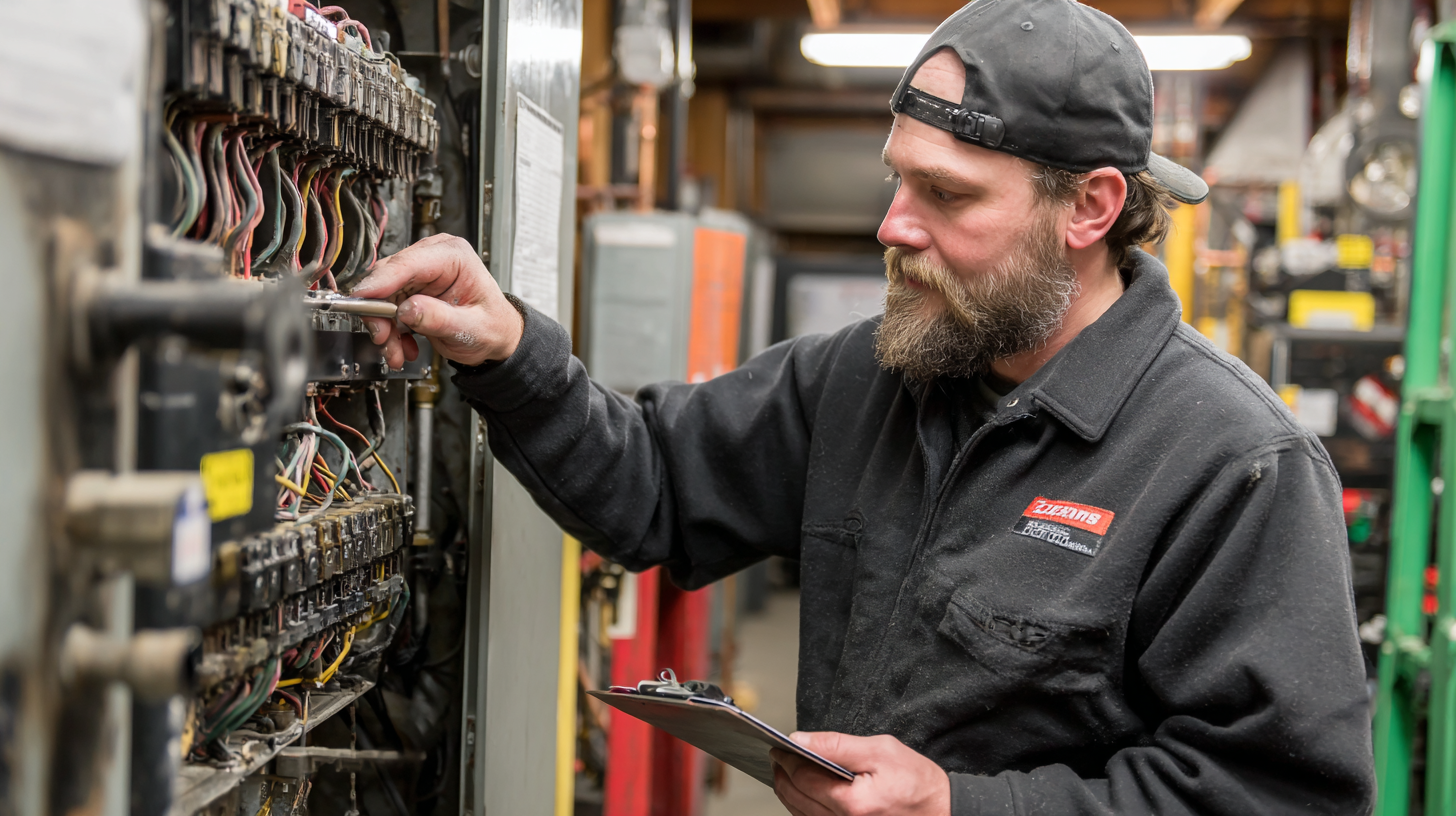
Replacing your Furnace Belt might not be the most glamorous task, but trust me, it’s super important if you want your industrial heating systems to run smoothly and last longer. You know, recent industry chatter points out that neglecting this maintenance or using worn-out belts can bump up your operating costs by up to 30%. That’s mainly because your system becomes less energy-efficient and ends up taking more downtime than it should. As someone who’s been in this field for quite a while, I can tell you that JIANGSU HUADA Metal Mesh Belt CO., LTD.really knows their stuff. They make these super precise wire Mesh Belts designed specifically for different furnace setups. With over20 years of experience and the solid backing of ISO 9001 and CE certifications, they’re helping manufacturers across more than 20 countries on five continents get the most out of their equipment. So, in this guide, I’ll walk you through a simple checklist for replacing your furnace belt successfully—trust me, doing it right can seriously boost your productivity and help you save some cash in the long run.
Understanding the Importance of Furnace Belt Replacement in Equipment Maintenance
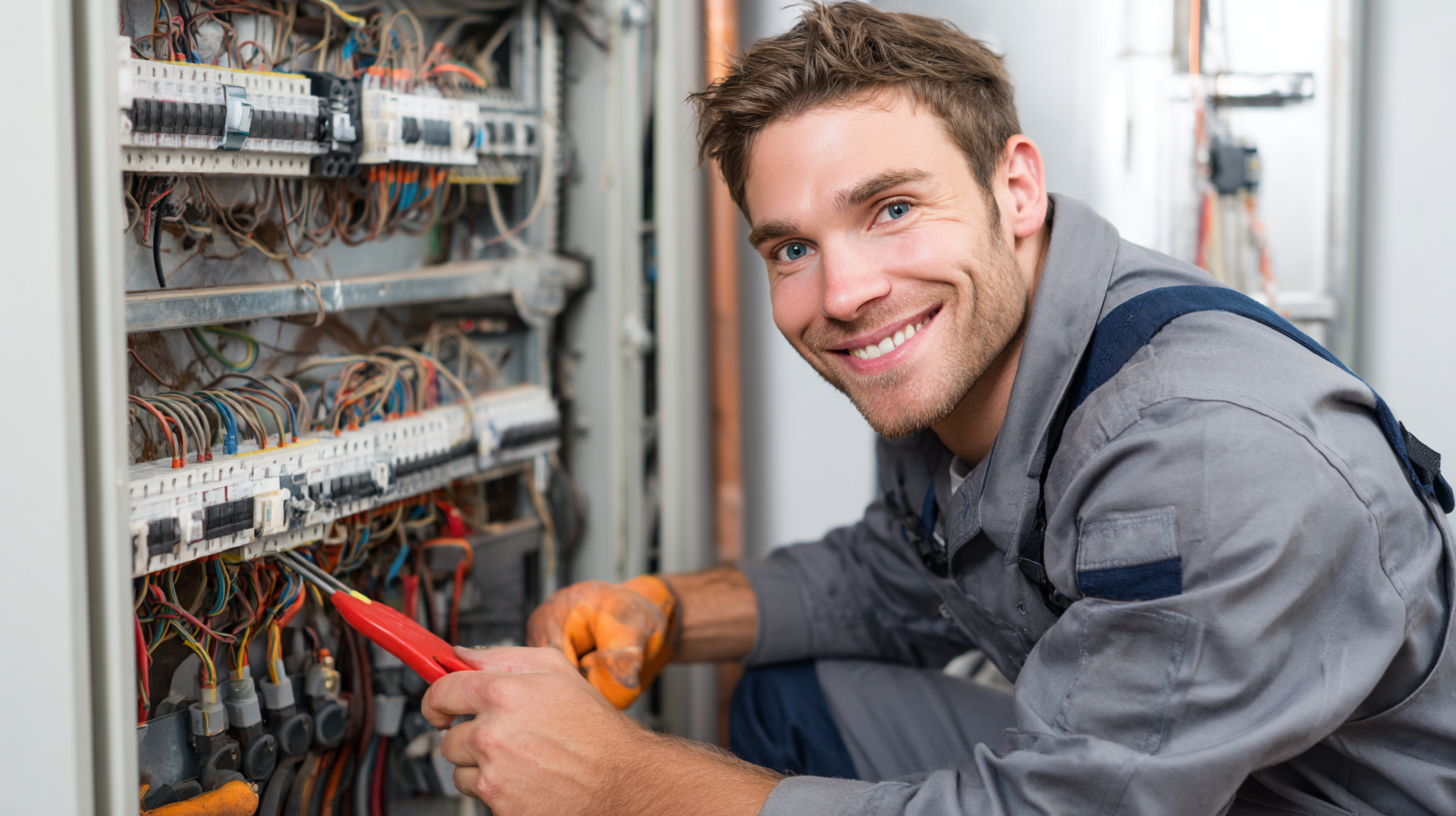
Getting your furnace belt replaced properly isn’t just a chore—it’s key to keeping your whole operation running smoothly and making sure your equipment lasts longer. Did you know that, according to MarketsandMarkets, the industrial conveyor belt market is expected to hit around $8.2 billion by 2025? A big part of that growth comes from how much companies are pushing for automation and efficiency in manufacturing. Skipping or neglecting regular belt maintenance can be a real headache—leading to increased risks, costly downtime, and lost productivity that can really add up.
Here at JIANGSU HUADA METAL MESH BELT CO., LTD., we totally get how vital high-quality belts are in industrial setups. Our wire mesh belts and chain-driven systems are built to handle high temperatures and tough environments, so you can count on them to perform reliably across various manufacturing sectors. With over 20 years of experience and certifications like ISO 9001 and CE, we’re all about providing solutions that boost your furnace’s efficiency. Remember, scheduling regular belt replacements isn’t just maintenance—it’s a smart move to prevent issues like slippage or early wear. In the end, staying on top of belt care helps your machinery run better, safer, and saves you money on downtime. Trust us, a little investment in timely replacements can go a long way in the long run.”
Essential Checklist for Successful Furnace Belt Replacement Steps to Follow
This bar chart represents the common steps involved in furnace belt replacement along with their estimated time allocation. Proper maintenance of furnace belts is crucial for efficient equipment operation.
Essential Tools and Materials Needed for a Successful Belt Replacement
When you're getting ready to replace the furnace belt, it really pays off to have all the right tools and materials in hand. Stuff like a good socket wrench set, some pliers, a torque wrench, and of course, the correct replacement belt for your specific furnace model. Oh, and don’t forget to grab a vacuum and a brush too — they’re super handy for cleaning out dust and debris around the furnace, which makes the actual work way easier and gives you better visibility.
A little tip: Before you jump in, make sure the furnace is completely turned off and unplugged. Nothing worse than dealing with electrical surprises! It’s also a good idea to lay out all your tools beforehand — kinda like setting everything up for a project — so you’re not hunting around while trying to get things done. And if you can, take a quick look at the manufacturer’s manual; it’ll walk you through the process step-by-step for your specific model, which can really save you some headaches.
One more thing — if you can rope someone in to lend a hand, it makes the whole job a lot easier. Having a buddy for support isn’t just about making the task less awkward; they can help hold things steady, pass tools, or just be there if you need a second set of hands or some advice in the middle of it all. It’s honestly a game-changer in making the process smoother and a lot less frustrating.
Step-by-Step Guide to Safely Remove the Old Furnace Belt
When you're dealing with furnace maintenance, swapping out an old belt is a pretty important step to keep everything running smoothly and make sure your system lasts longer. It's best to follow a clear, step-by-step process to do this safely. Start off by turning off the power to the furnace and gathering your tools—stuff like a screwdriver, socket set, and the new belt. Take a good look at that old belt, too. Any signs of wear or damage can really affect how well your furnace performs.
As you work through removing the belt, it’s a good idea to jot down what you’re doing—just in case you need to refer back when putting everything back together. When you're replacing it, make sure to check the alignment and tension so you don’t run into issues down the line. Surprisingly, a lot of recent industry reports show that keeping your system efficient can save you a decent chunk of money—especially in bigger operations like manufacturing—so staying on top of regular maintenance really pays off.
A couple of tips: Always throw on some protective gear—it's better to be safe than sorry. If the old belt shows weird wear patterns, you might want to look up some energy-saving tips or consult a pro for ways to boost your system’s performance. And don’t forget, scheduling regular checkups can prevent surprises and help your furnace last way longer.
Installing the New Belt: Key Techniques and Best Practices
When you're thinking about swapping out the furnace belt, sticking to some key tips and best practices can really make a big difference in how smoothly things run. At JIANGSU HUADA METAL MESH BELT CO., LTD., we’re proud to be one of the top metal conveyor belt makers, and we can’t stress enough how important precision is when it comes to installing belts. With our ISO 9001 and CE certifications, we know that a properly installed belt not only boosts performance but can also help extend the life of your equipment.
Here’s a quick tip: double-check that the new belt matches your furnace’s specs—make sure the size and material are spot on. This little step can save you a lot of headaches later on, like early wear or worse. Industry reports actually show that if installation isn’t done carefully, maintenance costs can jump by up to 40%. So, paying attention here really pays off.
Also, during installation, it’s super important to get the tension just right—neither too tight nor too loose. An off-balance belt can seriously impact how well your furnace runs. It’s a good idea to keep an eye on the tension even after you install it to avoid any surprises. Fun fact: recent studies suggest that belts installed with the right tension last about 25% longer, which means fewer disruptions and better productivity for your manufacturing processes.
Common Mistakes to Avoid When Replacing Furnace Belts
When you're thinking about replacing your furnace belts, a lot of DIY folks tend to overlook some pretty key steps—sometimes with less than ideal results like inefficient operation or even messing up their heating system. One of the biggest slip-ups? Not turning off the power before you start. Seriously, you gotta disconnect the electrical supply first—saves you from shocks or accidentally flipping the system back on while you're in there. Also, don't forget to measure the old belt before buying a new one. It’s super tempting to just grab whatever looks right, but getting the wrong size leads to an awkward fit and can mess with how well your furnace runs.
Another thing folks often forget is to check out the other parts nearby—pulleys, sheaves, all that. Look for any damage or buildup that might mess with the new belt’s performance. Skipping that step can lead to your brand-new belt failing way sooner than it should. And hey, don't overlook adjusting the belt tension either. If it’s too loose, it’ll slip; if it’s too tight, it could wear out faster or strain your motor. Paying attention to these little things can really make the whole process way smoother and help your furnace run like a champ.
Regular Maintenance Tips to Extend the Life of Your Furnace Belt
Regular upkeep really plays a big role in making your furnace belt last longer and keeping your heating system running smoothly. Honestly, one of the easiest but most effective things you can do is just give it a quick inspection now and then. Look out for anything weird like frayed edges or cracks, and listen for any odd noises when it's running. Catching these little signs early can save you from bigger headaches down the road — nobody wants to deal with costly repairs if they can nip it in the bud, right?
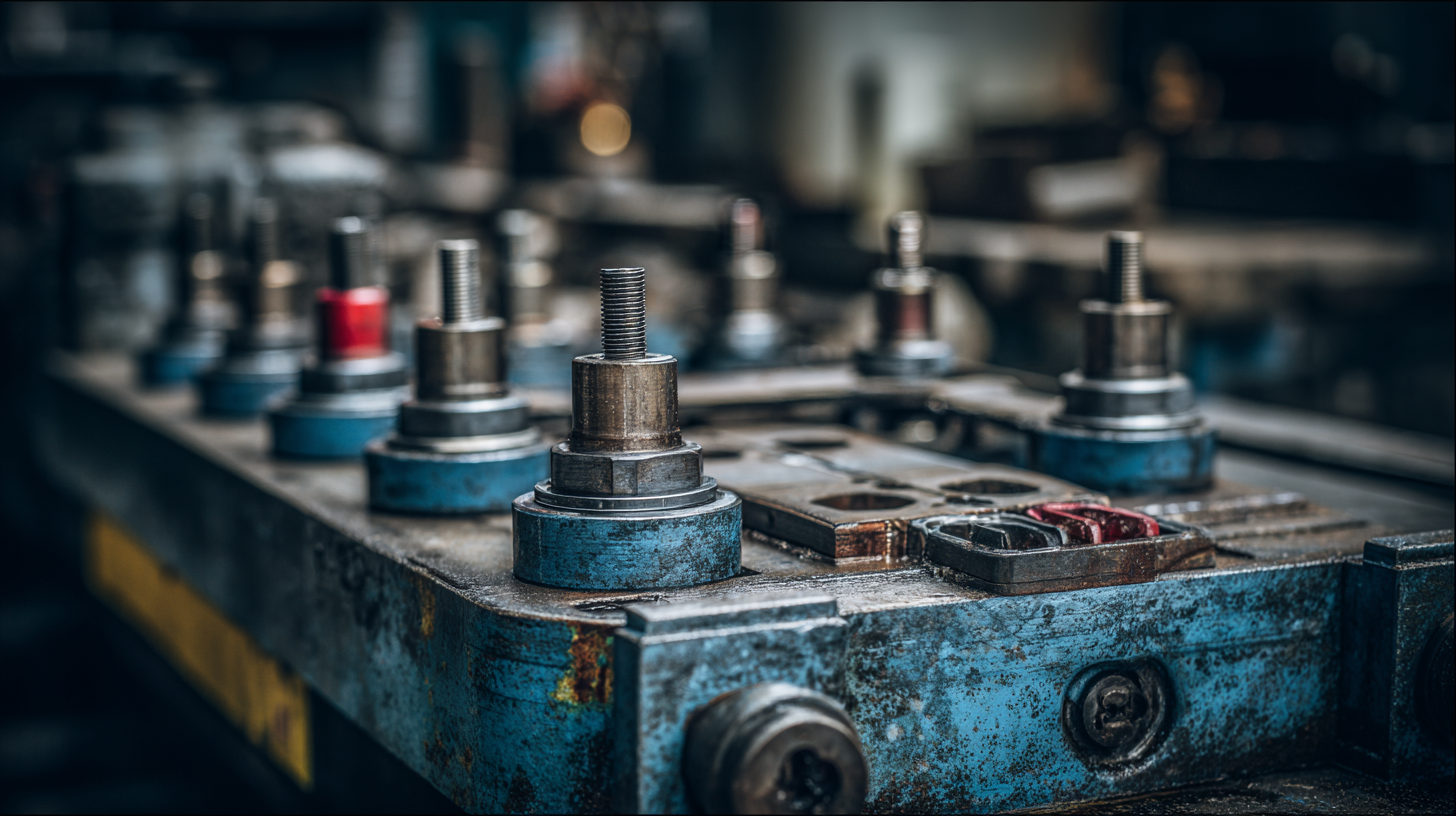
And don't forget, keeping the area around your furnace tidy is just as important. Dust and dirt love to sneak in, and that can mess with airflow or even harm the belt over time. So, regular cleaning is a must — make sure you clear out any dirt or debris. Also, if your manufacturer's instructions say so, a little lubrication on moving parts can really help reduce some of that strain on the belt and help it last longer. Trust me, making these little maintenance routines part of your habit can seriously boost how well your furnace runs and keep that belt in good shape for years to come.
Maximizing Efficiency and Safety: The Benefits of the AshPro High-Temp Belt in Your Operations
In modern industrial operations, efficiency and safety are paramount, especially when handling challenging materials such as dry ash. The AshPro High-Temp Belt is engineered with these priorities in mind, catering to various industries, including cement plants, power generation, and incineration systems. This cutting-edge belt boasts high-temperature resistance and corrosion-resistant properties, ensuring durability and reliability under extreme conditions. By integrating this technology, facilities can streamline their dry ash transport processes, thus maximizing operational efficiency while minimizing potential hazards.
The benefits of utilizing the AshPro High-Temp Belt extend beyond mere transportation. With features like heavy-duty abrasion-proof designs and customizable welded wire options, this product is tailored to withstand the rigors of mining applications and harsh environments. Additionally, the durability of heat-treated transfer belts with reinforced edges ensures that downtime due to maintenance is significantly reduced. Furthermore, this belt's low-maintenance and high-efficiency anti-clogging capabilities make it an ideal choice for boiler systems, enhancing overall productivity. By choosing the AshPro High-Temp Belt, companies not only invest in a reliable conveyance solution but also prioritize safety and operational efficiency across their operations.
FAQS
: Precision engineering is crucial for ensuring a well-installed belt, which not only enhances performance but also prolongs the equipment's lifespan.
You should verify the dimensions and material requirements of the new belt against the existing furnace specifications to minimize the risk of early wear or failure.
Improper installation can lead to a 40% increase in maintenance costs, highlighting the need for meticulous attention during the replacement process.
Maintaining correct tension is vital because an overly tight or loose belt can significantly impact the operational efficiency of the furnace.
Regular monitoring of belt tension and conducting routine inspections can help to catch potential problems early, leading to a significantly longer operational life.
Key maintenance practices include conducting routine inspections, keeping the surrounding area clean, and lubricating moving parts as recommended by the manufacturer.
Look for signs of wear such as fraying or cracking, and listen for unusual noises during operation to identify potential issues early.
Dust and dirt can accumulate around the furnace, affecting airflow and potentially damaging the belt, so it's important to keep the area clean and free of obstructions.
Regularly scheduled inspections and cleaning sessions should be part of your routine maintenance program to ensure optimal performance.
Lubricating moving parts as per the manufacturer’s recommendations reduces strain on the belt and can enhance its longevity.
Conclusion
Let’s talk about replacing your furnace belt — it might not be the most glamorous task, but trust me, it’s super important if you want your heater to work efficiently and last a long time. Once you get the hang of why it matters, you'll be better equipped to keep your system running smoothly for years to come. This guide walks you through everything you need: the right tools and parts, and a simple step-by-step on how to safely take out the old belt and put in a new one. I’ll also share some handy tips and tricks, plus a few common mistakes to dodge so the process goes as smoothly as possible.
To keep your furnace belt in good shape longer, regular maintenance is key — a little bit of upkeep can make a big difference. Oh, and by the way, here at Jiangsu Huada Metal Mesh Belt Co., Ltd., we're pretty proud to be leading the way in making metal conveyor belts. We do things by the book with ISO 9001 and CE certifications, so you know you're getting high-quality stuff. Our goal is to give you products that not only work great but also help make your furnace belt replacements and maintenance a lot easier down the line.