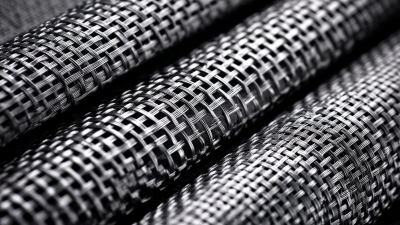
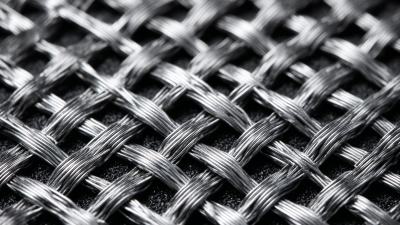
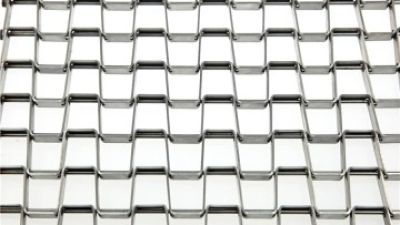
Lately, you've probably noticed that Woven Wire Mesh has really been gaining popularity across different industries. It’s pretty much a must-have for construction, filtration, and even food processing. According to some market reports, the industry’s growth rate is about 5% every year — no small feat! A lot of things are fueling this boom, like the increasing demand for more durable materials and newer, smarter manufacturing methods.
If you’re thinking about checking out the 139th Canton Fair between April 15-19, 2026, it’s a great chance for businesses to see the latest innovations in Woven Wire Mesh tech. They’ve even introduced AI-powered search tools to help buyers quickly find suppliers with CE certification — pretty neat, right? As standards get higher across the board, picking the right supplier really becomes a big deal.
That said, the marketplace can be pretty overwhelming, especially with so many options out there. Sadly, not all suppliers live up to the quality and certification standards, which can be frustrating. While woven wire mesh shows a lot of promise, you’ve gotta be careful to choose a manufacturer that really meets the requirements. Doing some diligent research is key — especially in China’s bustling wire mesh industry, where the options may seem endless.
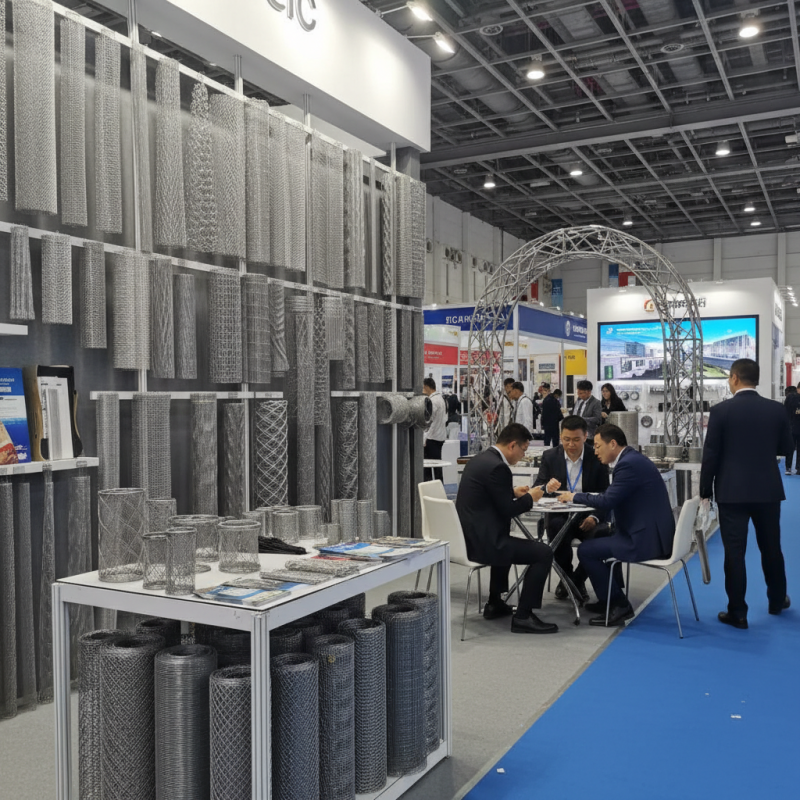
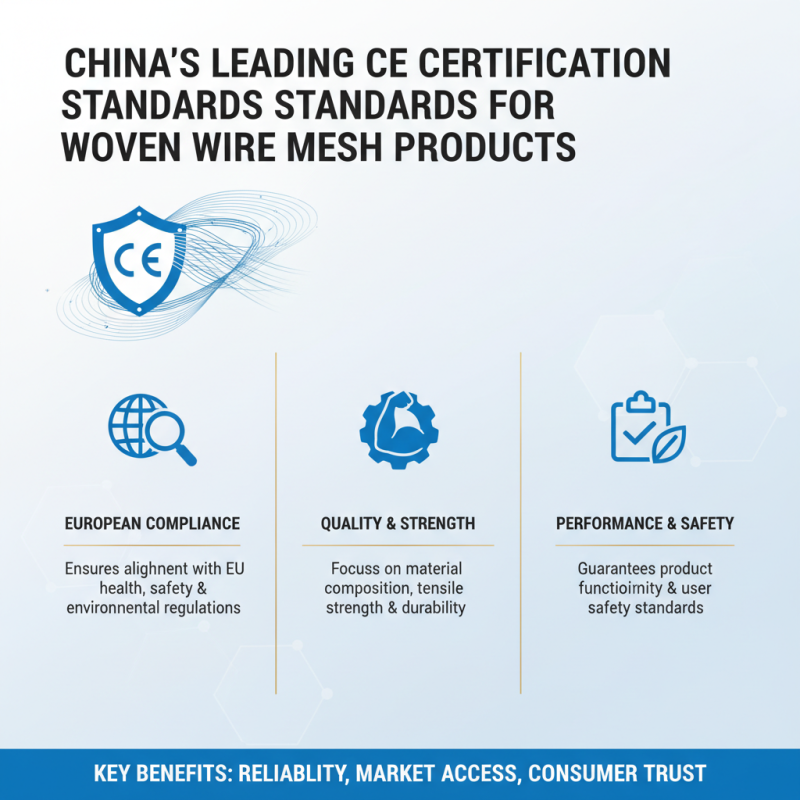
China's Leading CE Certification Standards for Woven Wire Mesh Products
Woven wire mesh plays a crucial role in various industries. It is vital to understand China's CE certification standards for these products. The certification ensures quality, safety, and compliance with European regulations. These standards focus on materials, strength, and overall performance.
For manufacturers, adhering to CE standards allows easier market access. This certification helps meet customer expectations and increases product credibility. Proper testing methods are essential. Use reliable laboratories to conduct safety assessments.
Tips: Ensure your materials are sourced from trusted suppliers. Regular audits can identify areas for improvement in compliance. Investing in training for staff on CE standards can enhance overall product quality. Remember, even minor oversights can lead to significant issues down the line. Strive for continuous improvement in quality control processes.
Key Market Trends in the Woven Wire Mesh Industry in China
The woven wire mesh industry in China is experiencing notable changes. Demand for Metal Woven Wire Mesh is on the rise. This material is sought after for various applications, such as construction, agriculture, and filtration. The shift toward sustainability is shaping market preferences. Buyers are increasingly opting for eco-friendly materials.
Innovation plays a crucial role in the industry. Manufacturers are expanding their product lines to include advanced designs. Yet, some companies still rely on outdated techniques. This can limit their competitiveness in a rapidly evolving market. Quality control remains a challenge for many suppliers, impacting overall product reliability. Focusing on efficiency can help in this area.
Understanding customer needs is essential for growth. Many suppliers are adapting to market demands. Personalized service and custom solutions are becoming standard. However, some suppliers struggle to communicate effectively. This disconnect can affect customer relationships. Continuous improvement and feedback mechanisms are vital for success.
Essential Qualities to Look for in a CE Certified Supplier
Finding a reliable CE certified supplier for Steel Woven Wire Mesh requires careful consideration. One key quality is experience. An established supplier understands industry standards and customer expectations. They should also provide a variety of mesh types. This ensures you can find a product that fits your specific needs.
Quality control processes are crucial. A good supplier should have clear procedures in place to guarantee product consistency. They often conduct regular inspections and tests. These actions help identify potential issues before they become problems. However, not all suppliers maintain strict quality checks, which can lead to subpar products.
Another important aspect is customer support. A responsive team can assist with inquiries and resolve issues quickly. It’s not enough to just sell products; a supplier should be committed to service. Look for reviews or testimonials that highlight their support. Reflecting on these details can guide your decision-making process. Choosing the right supplier is essential for achieving quality outcomes in your projects.
The Importance of CE Certification for Woven Wire Mesh Exports
CE certification is crucial for exporting woven wire mesh. It ensures that products meet the safety and environmental standards set by the European Union. For steel exporters, this certification has become a non-negotiable requirement. In 2022, approximately 30% of woven wire mesh exports to Europe were rejected due to lack of CE compliance.
The woven wire mesh market is growing rapidly. Estimated growth rates suggest it could reach $12 billion by 2026. This increase stems from various industries, especially construction and manufacturing. Stainless Steel Woven Wire Mesh is in high demand. It offers durability and corrosion resistance, making it a preferred choice.
Tips for exporters: Always check the latest CE marking guidelines. Understanding the compliance process can save time and costs. If products are not sufficiently tested, the risk is high. Risky exports can affect your reputation. CE certification isn't just red tape; it is a key to access the European market. Stay informed about updates in standards and regulations.
Top Woven Wire Mesh Applications and Their Certification Needs
Woven wire mesh is widely used in various industries. Applications include filtration, security, and construction. These meshes provide strength and durability. However, they come with specific certification requirements.
In many cases, compliance with CE certification is essential. This certification ensures that products meet health and safety standards. For instance, industrial applications often require meshes that resist corrosion. In these scenarios, the quality of materials is crucial. A failure to meet these standards can lead to product recalls.
It's essential to evaluate mesh quality before production. Sometimes, suppliers may overlook this aspect, leading to issues down the line. Additionally, not all woven wire meshes are created equal. Different applications may require different certifications. This complexity demands careful consideration from manufacturers.
Woven Wire Mesh Applications and Their CE Certification Needs
Statistical Overview of China's Woven Wire Mesh Market Growth
China's woven wire mesh market has been witnessing significant growth in recent years. The increasing demand for custom CE certification indicates a shift towards higher quality standards. Industries such as construction, agriculture, and manufacturing are key drivers. They require durable and reliable products, prompting suppliers to innovate and enhance their offerings.
Statistical data reveals a steady rise in production rates. Manufacturers are expanding their capacities to meet market needs. However, challenges persist, including fluctuating raw material prices and environmental regulations. Suppliers must adapt to these changes, focusing on sustainability while maintaining cost-effectiveness.
With the market expanding, competition intensifies. New entrants emerge, complicating supplier dynamics. Each has unique strengths and weaknesses. It is crucial to understand customer preferences and market trends. Suppliers may need to rethink their strategies regularly to stay relevant. Embracing technology and customer feedback can lead to better solutions.
Challenges Faced by Suppliers in Achieving CE Certification in China
Obtaining CE certification in China poses significant challenges for suppliers, especially in the woven wire mesh industry. Many companies struggle with understanding the complex regulations involved. The path to certification often seems daunting, filled with bureaucratic hurdles. Miscommunication with regulatory bodies can lead to misunderstandings, resulting in delays. Some suppliers also lack the technical knowledge required to meet the stringent standards set for the Woven Wire Conveyor Belt.
Tips: Start by thoroughly researching the CE marking process. Familiarize yourself with the relevant directives and standards. This foundational knowledge helps avoid costly mistakes. It's also important to collaborate with experienced consultants. They can offer insights into navigating the certification landscape.
Another common issue suppliers face is the cost of compliance. Investments in quality control and testing can be significant. However, cutting corners can be tempting. It's crucial to resist this urge, as it can lead to non-compliance and future penalties. Regular training for your team can ensure everyone remains informed about the latest practices relating to woven wire mesh. Keeping your team updated helps foster a culture of quality and compliance.
Exploring the Benefits and Applications of Flat Wire Belts in Modern Industries
Flat Wire Belts have become indispensable in modern industries, providing a versatile solution for various applications. These belts are designed to meet diverse operational needs, ensuring efficiency and reliability. A key advantage of flat wire belts is their adaptability; for instance, food-grade options made from 316L stainless steel are FDA compliant, making them ideal for food processing environments. Their hygienic properties, coupled with EHEDG certification, ensure safe handling while maintaining strict sanitary standards.
In high-temperature settings, such as furnaces, high-temperature flat wire belts can withstand extreme conditions up to 800°C, making them perfect for thermal treatments. Furthermore, anti-static versions are essential in electronics assembly, preventing electrostatic discharge that could damage sensitive components. For those dealing with small parts, low-profile flat wire conveyors offer a streamlined approach to efficient handling, while custom-width options can be tailored to specific packaging line requirements.
Corrosion-resistant variants, such as marine-grade 316Ti belts, contribute to longevity in challenging environments, while heavy-duty belts are designed for robust tasks like metal stamping. The non-stick properties of specialized belts for the bakery and confectionery sectors enhance efficiency by reducing product waste. Together, these diverse applications highlight the significant role of flat wire belts in enhancing operational effectiveness across various industries.
FAQS
: CE certification ensures products meet European safety and environmental standards, essential for exporting woven wire mesh.
Approximately 30% of woven wire mesh exports to Europe were rejected due to lack of CE compliance.
The woven wire mesh market is estimated to reach $12 billion by 2026, driven by growth in construction and manufacturing.
Suppliers struggle with complex regulations, miscommunication with authorities, and lack of technical knowledge.
Exporters should check the latest CE marking guidelines and understand the compliance process thoroughly to save time.
Investing in quality control helps avoid costly penalties and ensures compliance, even when cutting corners may seem tempting.
Regular training ensures teams are informed about the latest practices and fosters a culture of quality and compliance.
Collaborating with experienced consultants can provide valuable insights and help suppliers navigate CE certification challenges.
Conclusion
The article "China Top Custom CE Certification Woven Wire Mesh Supplier Guide" provides a comprehensive overview of the CE certification standards that govern the production of woven wire mesh products in China. It highlights the significance of CE certification for manufacturers, ensuring compliance with European safety and quality regulations, which is crucial for successful exports. The guide also covers key market trends, illustrating the growth of the woven wire mesh industry in China, and emphasizes the essential qualities to consider in a CE-certified supplier.
Furthermore, the article discusses the various applications of woven wire mesh and their specific certification needs, showcasing the versatility of the product across different sectors. Statistical insights into market growth depict the expanding demand, while the challenges faced by suppliers in achieving CE certification are explored, providing a detailed perspective on the dynamics of the woven wire mesh market in China.