In the fast-moving world of manufacturing and logistics, getting things done efficiently isn’t just a bonus — it’s pretty much the name of the game. You’ve probably heard about the Wire Mesh Conveyor Belt, right? It’s actually a pretty clever solution for moving materials smoothly and reliably. Sometimes, these things get overlooked, but honestly, they can make a real difference in how smoothly your operations run. With its smart design, it helps cut down on friction and wear-and-tear, though, of course, there are a few things to watch out for.
Lots of companies — even the big industry players — swear by these belts. They keep things moving consistently, but you’ve gotta make sure they’re compatible with what you've already got going on. If you try to force it or don’t set it up right, things can actually slow you down instead of speeding you up. Investing in a quality system like this might seem pricey at first, but if you pick the right one, it can actually save you money and hassle in the long run. Of course, it’s important to really think about what your specific needs are before pulling the trigger.
And here’s a key point — choosing the right manufacturer is a big deal. You want someone who knows their stuff when it comes to making top-notch Wire Mesh Conveyor Belts. If they’re lacking expertise, your system’s performance could suffer, which is a bummer. So, do your homework — read reviews, ask questions, and make sure you’re dealing with folks who know what they’re doing. Doing a bit of research now will pay off big time later. Bottom line? Going for a supplier that’s committed to quality and reliability will give you that extra edge in today’s super competitive market.
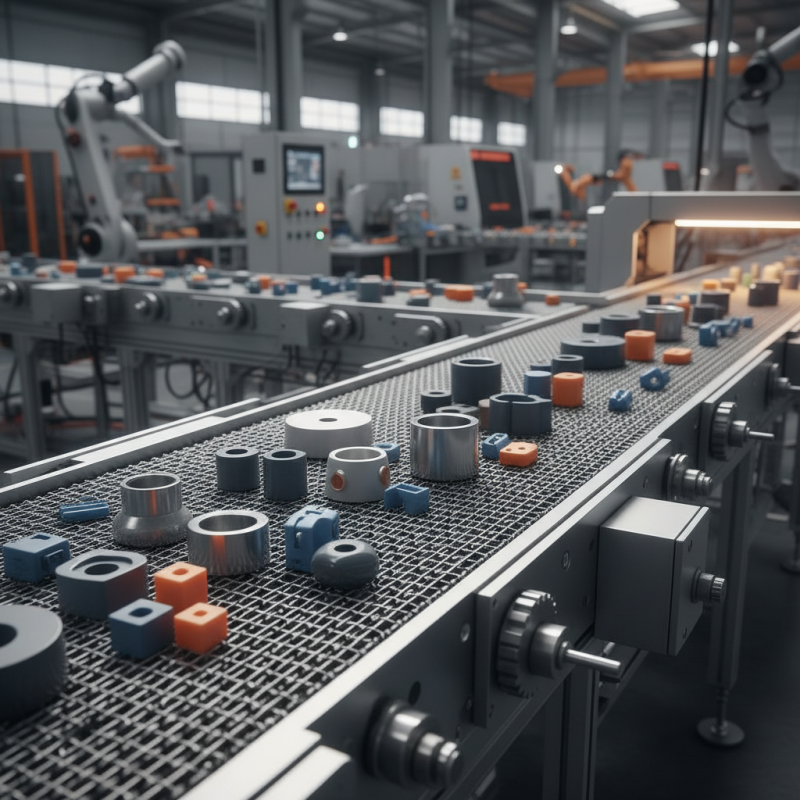
China's Leading ODMs in Wire Mesh Conveyor Belt Manufacturing
In the world of manufacturing, China's ODMs are becoming prominent in wire mesh conveyor belt production. These companies focus on providing efficient transport solutions for various industries. They leverage advanced technology and expertise to create high-quality, durable belts suitable for different applications.
Understanding the specifics of wire mesh conveyor belts is essential. They are often used in food processing, packaging, and logistics. Features like temperature resistance and corrosion protection enhance their utility. Choosing the right material for a specific environment can significantly affect the performance of the belt.
Tips for selecting the best wire mesh conveyor belts include:
- Considering load capacity and the type of material processed.
- Ensuring the manufacturer employs stringent quality control measures.
- Evaluating their experience in the field, as experience often ensures reliability.
- Remember that not all manufacturers offer the same level of customization. It is crucial to communicate your exact needs to find a suitable product.
- Analyzing their past projects may reveal their capabilities and align you with the right partner.
Key Features of Discount Wire Mesh Conveyor Belts for Transport Efficiency
When considering wire mesh conveyor belts for enhanced transport efficiency, several key features stand out. These belts are designed for durability and flexibility, making them ideal for various industries. A robust Conveyor Wire Mesh Belt can handle different material types without significant wear and tear. They can operate smoothly at high speeds, minimizing operational delays.
Another essential feature is the ease of cleaning and maintenance. Unlike traditional belts, wire mesh designs allow for quick access. This can drastically reduce downtime during maintenance checks. Remember to consider the belt's load capacity as well. Overloading could lead to unexpected breakdowns and costly repairs.
Tips: When selecting a wire mesh conveyor, focus on the gauge of the wire. Thicker wires typically offer better durability. Ensure you evaluate the mesh pattern as well. Some configurations provide better airflow, which may be crucial for certain transport needs.
Market Trends: Growth of Wire Mesh Conveyor Belt Demand in China
The demand for wire mesh conveyor belts is surging in China. Businesses are increasingly recognizing their versatility and efficiency in material transport. These belts are favored across various industries, including food processing and manufacturing. Their durable nature and ability to handle heavy loads are significant factors driving this growth.
As manufacturers adopt more automated systems, the need for reliable conveyor solutions rises. Companies seek products that enhance productivity and support seamless operations. The Ss Wire Mesh Conveyor Belt is an excellent choice due to its strength and adaptability. These belts can withstand harsh environments, making them ideal for different applications.
Tip: When considering conveyor systems, assess the specific needs of your operation. Analyze weight capacities and environmental conditions. This will help in selecting the best wire mesh solution. Reflect on the long-term maintenance costs versus initial investment. A well-chosen conveyor belt can lead to substantial savings over time. Effective transport solutions can improve workflow and enhance overall efficiency. Choose wisely for optimal results.
Technical Specifications: Materials and Construction of Conveyor Belts
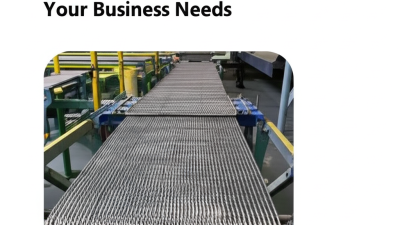
When considering efficient transport solutions, understanding the materials and construction of conveyor belts is crucial. The design of the Flat Wire Mesh Conveyor Belt employs durable steel or stainless steel, ensuring long-lasting performance. These materials can withstand high temperatures and corrosive environments. Their sturdy construction allows them to support heavy loads while maintaining flexibility during operation.
In addition to the materials, the mesh design enhances airflow and drainage, making it ideal for various applications. However, improper installation or inadequate maintenance can lead to increased wear and reduced efficiency. Users often overlook these factors, which can compromise the system's overall effectiveness. A thorough understanding of technical specifications can guide operators in selecting the right belt for their needs.
Careful attention to the construction details can lead to significant improvements. For example, using the correct wire diameter and spacing can optimize product handling. While the Flat Wire Mesh Conveyor Belt offers versatility, operators should regularly inspect and adjust the system for peak performance. Small adjustments can make a substantial difference in operational efficiency.
Cost-Benefit Analysis: Value of ODM Products in Industrial Applications
In the industrial landscape, the choice of conveyor belts plays a crucial role in operational efficiency. A cost-benefit analysis reveals that Original Design Manufacturers (ODM) offer significant advantages. According to a recent report by Research and Markets, the global conveyor systems market is projected to grow at a CAGR of 4.4% from 2021 to 2026. As industries seek affordable, customized solutions, ODM wire mesh conveyor belts stand out.
These belts not only reduce upfront costs but also optimize performance in diverse applications. A study published in the Journal of Manufacturing Science and Engineering highlights that manufacturers who invest in ODM products experience a 20% increase in throughput. This illustrates the potential for enhanced productivity. Nevertheless, choosing the right material and design remains critical. A poorly designed belt can lead to increased wear and tear, diminishing the expected ROI.
**Tip:** Always evaluate the specific needs of your operation before selecting conveyor belts. Consider factors such as load capacity and operational environment.
ODM products cater to various sectors, from food processing to logistics. Without adequate research, companies might face challenges in scalability and adaptability. A proactive approach to selection can avoid costly missteps.
**Tip:** Conduct regular assessments of belt performance. This ensures that the chosen product continues to meet operational demands.
China Best ODM Discount Wire Mesh Conveyor Belt Product for Efficient Transport - Cost-Benefit Analysis: Value of ODM Products in Industrial Applications
| Parameter | Value | Unit |
| Belt Width | 600 | mm |
| Load Capacity | 200 | kg/m² |
| Conveyor Speed | 1.5 | m/s |
| Material Type | Stainless Steel | |
| Average Lifespan | 10 | years |
| Cost per Meter | 50 | USD |
| Installation Time | 2 | hours |
| Energy Consumption | 0.5 | kWh/m |
Case Studies: Successful Implementations of Wire Mesh Conveyor Belts
Wire mesh conveyor belts have seen successful implementations across various industries. In one case, a food processing plant streamlined its operations. By integrating a wire Mesh Belt, they improved the efficiency of transporting items. The flexible design allowed for easy handling of delicate products without damage.
Another case involved a manufacturing facility that faced space limitations. They developed a custom wire mesh conveyor system that utilized vertical space efficiently. This innovation reduced floor congestion and increased productivity. Staff reported easier access to different production areas. However, initial challenges included adjusting to the belt's speed and load capacity.
These examples highlight practical solutions and reflect on continuous improvement. Companies learned from their experiences and made necessary adjustments. While the wire mesh conveyor belt provided many benefits, the journey required careful monitoring and adjustments for optimal performance.
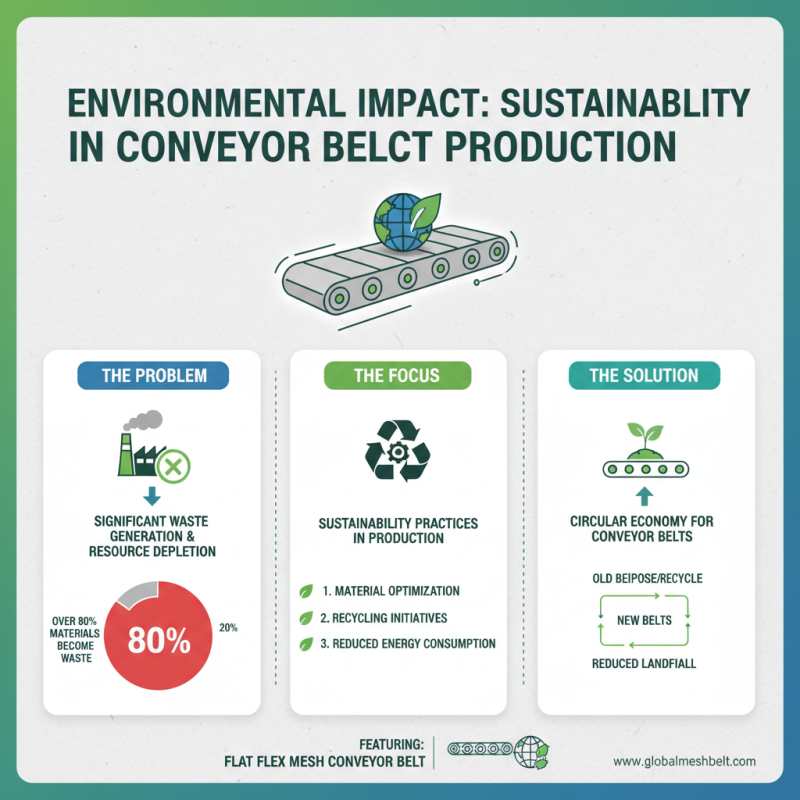
Environmental Impact: Sustainability Practices in Conveyor Belt Production
The production of conveyor belts, such as the Flat Flex Wire Mesh Conveyor Belt, increasingly faces scrutiny regarding its environmental impact. Research shows that the conveyor belt industry significantly contributes to waste generation and resource depletion. Reports indicate that over 80% of the materials used in production can become waste if not managed properly.
Sustainability practices in conveyor belt manufacturing are essential. Many producers now focus on using recycled materials and reducing carbon emissions. Surveys reveal that nearly 60% of manufacturers invest in cleaner technologies. These technologies are designed to minimize pollution throughout the production process. However, despite these efforts, a gap still exists in adopting widespread sustainable practices across the industry.
Efforts to improve efficiency must also address the environmental footprint. Many facilities often overlook the energy intensity of their production methods. Furthermore, adhering to sustainable sourcing can sometimes conflict with cost-cutting measures. This tension creates a complex landscape where manufacturers must balance operational efficiency with environmental responsibility. Continued research is necessary to find innovative ways to align both objectives in the future.
Maximize Efficiency and Durability with AshPro High-Temp Belts: Your Ultimate Guide to Choosing the Right Product
When selecting the right high-temperature belts for your industrial applications, efficiency and durability are paramount. According to recent industry reports, the global conveyor belt market is projected to reach $6.3 billion by 2027, driven by the increasing demand for materials handling in various sectors including cement plants, power generation, and waste management. High-temperature resistant belts, such as stainless steel dry ash conveyor belts, are essential in these environments where extreme conditions prevail.
For instance, heavy-duty abrasion-proof dry ash conveyor systems cater specifically to the rigorous demands of power plants. These systems are designed to handle the challenges posed by high temperatures and heavy loads, ensuring reliable performance even in the harshest conditions. Additionally, customizable welded wire dry ash conveyor belts offer flexibility for mining applications, adapting to specific operational requirements while maintaining structural integrity under heat stress.
As industries push for sustainability, eco-friendly dry ash conveyor belts with enhanced airflow designs are becoming increasingly popular. These innovations not only promote efficient ash handling but also contribute to reduced environmental impact by improving energy efficiency in operations. Emphasizing low-maintenance solutions like precision-engineered transport belts can further enhance productivity, minimizing downtime and operational costs, underscoring the importance of selecting the right product for maximizing efficiency and durability.
FAQS
: Increased recognition of their versatility and efficiency, along with durability for heavy loads, drives this demand.
They are favored in food processing, manufacturing, and various other sectors requiring efficient material transport.
As businesses adopt automation, reliable conveyor systems become crucial for enhancing productivity and seamless operations.
Assess your operation's weight capacities, environmental conditions, and long-term maintenance costs versus initial investment.
An effective belt can lead to significant savings over time, improving workflow and overall operational efficiency.
The industry contributes to waste generation and resource depletion, with over 80% of materials potentially becoming waste.
Many are investing in recycled materials and cleaner technologies, yet widespread sustainable practices are still limited.
Balancing operational efficiency with the need for sustainable sourcing often conflicts with cost-cutting measures.
Many facilities overlook energy intensity, which can worsen their environmental footprint despite claims of efficiency improvements.
Continued research is needed to innovate ways that support both operational efficiency and environmental responsibility.
Conclusion
The article explores the burgeoning market for Wire Mesh Conveyor Belts in China, highlighting the role of leading Original Design Manufacturers (ODMs) in producing high-quality products that cater to various industrial needs. Key features of discount wire mesh conveyor belts are discussed, emphasizing their efficiency in transport operations and the materials and construction techniques that enhance durability and performance.
Additionally, the article delves into market trends indicating a growing demand for these conveyor systems, alongside a cost-benefit analysis that outlines the value of ODM products in industrial applications. Case studies showcase successful implementations, illustrating how businesses have effectively utilized wire mesh conveyor belts to improve operations. Finally, the discussion of sustainability practices in production underlines the industry's commitment to minimizing environmental impact while meeting increased demand.