In today’s fast-moving world of manufacturing and logistics, Jiangsu Huada Metal Mesh Belt Co., Ltd.really stands out as a leader in delivering top-notch conveyor belt solutions. As China’s first Metal Conveyor belt manufacturer, we’ve been lucky enough to work with a wide variety of clients from over 20 countries across five continents. And we don’t just stop there; we make sure our production facilities meet strictISO 9001 and CE standards. With the growing need for effective material handling systems, it’s clear how crucial innovative conveyor belt designs are. Our advanced wire Mesh Belts and chain-driven systems not only boost operational efficiency but also keep up with what the global industry is demanding.In this blog, we’re excited to share some great tips on how to optimize your conveyor systems and talk about why Conveyor Belt Photos are essential for making smart buying decisions for your business.
Understanding the Importance of Selecting the Right Conveyor Belt Supplier
When it comes to picking the right conveyor belt supplier, it’s super important for businesses in manufacturing, logistics, or material handling. I mean, we're talking about a global conveyor systems market that’s set to hit a whopping USD 9.8 billion by 2027! So, if you’re in the game, you really need to focus on quality and reliability when choosing who to partner with. Skimping on your supplier can cause all sorts of headaches—think inefficiencies, wasted time, and let’s not forget the potential for some serious financial losses. On the flip side, investing in high-quality conveyor belts can really boost the performance and lifespan of your systems. Plus, they can help improve your overall operational efficiency, with studies suggesting an increase in productivity by up to 15%. That’s definitely worth considering!
Here’s a tip for you: whenever you’re sizing up potential suppliers, make sure to ask for their product certifications and how they stack up against industry standards. This is crucial because it ensures that the conveyor belts are safe, durable, and up to the task for a smooth operation.
Oh, and don't overlook the customization options a supplier might offer! With e-commerce booming—like, we’re seeing a projected 20% increase—having suppliers who can tailor solutions to your specific needs is key. Flexibility in your operations can really give your business a boost.
Another little nugget of wisdom: try to build a solid relationship with your supplier. Keeping the lines of communication open and providing feedback can do wonders for product performance and customer satisfaction. It’s all about fostering those long-term partnerships that benefit everyone involved.
Key Qualities to Look for in a Premier Conveyor Belt Manufacturer
So, if you're on the hunt for a top-notch conveyor belt manufacturer, there are a few key traits that really make the standouts shine above the rest. First off, you definitely want to look for a company that’s all about quality assurance. It’s super important that they stick to international standards and have solid testing procedures in place. This way, you can feel confident that the conveyor belts they churn out aren’t just sturdy, but can also handle the heavy lifting in all sorts of industries, whether it’s mining or pharmaceuticals.
Another thing to consider is how well they can customize their products. A great manufacturer should be able to tailor solutions to meet your specific needs. Whether it’s using different materials, designs, or sizes, having those options can really make a difference. When manufacturers focus on customization, you’re more likely to get conveyor systems that actually work well for you, which can boost your efficiency and productivity.
And let’s not forget about customer support—that’s a biggie! A proactive approach to service can make your partnership feel a whole lot better. Quick assistance and reliable maintenance when you need it can really take the stress out of the whole process. So, keep these qualities in mind when you're choosing a conveyor belt manufacturer that’s ready to take on global needs.
Key Qualities to Look for in a Premier Conveyor Belt Manufacturer
Essential Questions to Ask Potential Conveyor Belt Suppliers
When you're looking for conveyor belt solutions, the questions you ask potential suppliers can really make a difference in how efficient your production is and the quality of your products. So, kick things off by asking about their manufacturing capabilities. Getting to know their technology and processes will give you a good sense of whether their products meet not just the industry standards, but also your unique needs.
It’s also super important to check how much experience the supplier has in your industry. An experienced supplier is more likely to have some valuable insights into the common challenges you might face, along with clever solutions that are tailored for your specific situation. Don't be shy—ask for case studies or testimonials from projects that are similar to yours.
And hey, don’t overlook quality control! You want to make sure they have solid measures in place, so ask about their testing procedures and certifications to ensure those conveyor belts can handle whatever you throw at them. It's also a big plus to prioritize suppliers who offer solid support and maintenance services—that way, you can reduce downtime and boost the lifespan of your conveyor systems.
And here’s a little tip: create a checklist of what you specifically need, and then evaluate each potential supplier against this list. It’ll really help you make a smart decision.
China's Premier Factory Delivers Outstanding Conveyor Belt Solutions for Global Buyers
| Supplier Location | Belt Type | Max Load Capacity (kg/m) | Material Quality | Price Range (USD/m) | Lead Time (weeks) | Customer Rating (5-star) |
| Shanghai, China | PVC Conveyor Belt | 300 | High-Grade | 20 - 30 | 4 | 4.5 |
| Guangzhou, China | Rubber Conveyor Belt | 500 | Premium | 25 - 35 | 6 | 4.8 |
| Shenzhen, China | Modular Belt | 200 | Durable | 30 - 40 | 5 | 4.2 |
| Beijing, China | Steel Belt | 800 | Industrial-Grade | 50 - 60 | 8 | 4.7 |
| Nanjing, China | Nylon Conveyor Belt | 350 | Standard | 15 - 25 | 4 | 4.0 |
A Comprehensive Checklist for Choosing a Reliable Supplier
Choosing a reliable conveyor belt supplier isn’t just a tick-box exercise; it definitely helps to have a solid checklist in place to make sure you’re getting quality and efficiency. So, get this: the global conveyor belt market is on track to hit a whopping USD 6.4 billion by 2027, and it’s growing at a rate of about 3.5% each year since 2020. This just shows how important it is for buyers to pick the right suppliers who can keep up with those high standards and ever-changing demands.
First off, you really want to take a good look at how much experience and know-how the supplier has in the industry. A trustworthy supplier should have a proven history of serving different sectors, like automotive, manufacturing, and logistics. According to a report from ResearchAndMarkets, it seems that suppliers with over a decade of experience are 40% more likely to deliver reliable products. Plus, you definitely should check out the tech they’re using in their manufacturing. Cutting-edge tech, like automated systems and precision materials, can really ramp up the durability and performance of those conveyor belts.
And hey, let’s not forget about sustainability; it’s becoming super important in the selection process, right? It’s a good idea to ask suppliers about their commitment to eco-friendly practices and materials. A report from the International Conveyor Manufacturers Association even notes that companies focused on sustainability see up to 25% higher customer satisfaction! So, teaming up with a supplier that values environmental responsibility isn’t just good for the planet; it’ll also help boost your brand image, which is a win-win.
Evaluating Supplier Capabilities and Production Standards
Picking the right supplier for your conveyor belt solutions can really make a difference in how smoothly your operations run and the quality of what you produce. You know, I came across this report from MarketsandMarkets, saying that the conveyor systems market is set to jump from about USD 7.3 billion in 2020 to an impressive USD 9.4 billion by 2025! That’s mainly because of the push for more automation in various industries. This really highlights how crucial it is to take a good look at what potential suppliers bring to the table. You should definitely pay attention to things like their manufacturing tech, quality control methods, and whether they meet international standards like ISO 9001. These factors should be at the heart of your evaluations.
When you’re checking out potential suppliers, there are a few key things to keep in mind. First, look closely at their production capacity and lead times—after all, you want to make sure they can handle your demands without any hiccups. Next up, ask them how they source their materials and what testing protocols they have in place. This will help you confirm that the conveyor belts they produce are both high quality and durable.
**Pro tip:** Always ask for product samples so you can do your own quality checks before you tie the knot on any contracts. Seriously, getting that hands-on experience can save your business from costly downtime down the road caused by subpar materials.
**Another tip:** Keep yourself updated on the latest trends and innovations in conveyor technology. Being in the know will really help you make better decisions and choose suppliers who aren’t just good at what they do, but are also thinking ahead.
Tips for Establishing a Successful Partnership with Your Supplier
Building a strong partnership with your conveyor belt supplier is super important for getting the most out of your production. Start by doing some good old-fashioned research on potential suppliers – you’ll want to make sure they’re well-regarded for their quality and reliability. Check out companies that have a solid history of coming through with customized solutions and great customer service. Don’t shy away from asking for references or case studies; they can really shed light on what the supplier is capable of and whether they’ll fit your operational needs.
Once you’ve narrowed down your options, keep in mind that communication is absolutely key. Make sure to clearly express what you need, your production goals, and any specific challenges you’re facing. A supplier who actively listens and engages in conversation is likely to come up with creative solutions that really work for you. Plus, setting up regular check-ins can help strengthen the relationship. This way, you can tweak things as needed based on feedback. A collaborative approach not only improves how products are delivered, but it also builds trust and loyalty, ultimately leading to a partnership that benefits both sides in the long run.
Elevate Your Style: Discover the Versatility and Comfort of the Balance Weave Belt
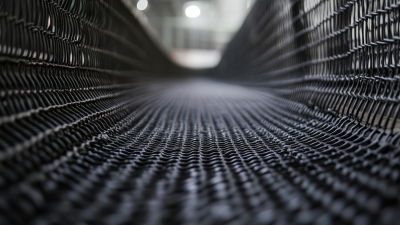
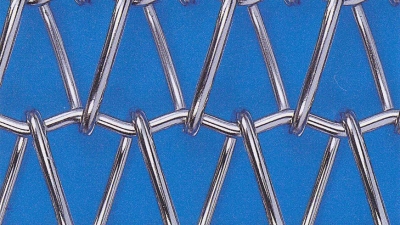
Elevate your production line efficiency with the innovative Balance Weave Belt. Designed to epitomize versatility and comfort, this belt is ideal for a variety of applications, including high-speed sorting systems. The Balanced Weave Conveyor Belt not only ensures precision uniform load distribution but also maintains anti-deflection capabilities, meaning your materials are sorted more effectively and with reduced risk of misalignment.
For operations requiring heavy-duty performance, our Heavy-Duty Cross-Rod Weave Conveyor System stands out, offering durability without compromise. Additionally, if you're dealing with small parts, the Low-Profile Balance Weave Belt is tailored to meet your needs, ensuring seamless handling. With options like the high-temperature balanced weave furnace belt and food-grade versions for hygienic conveying, you can choose a solution that best fits your operational requirements. Explore the customizable pitch balance weave conveyor mesh to adapt to your unique systems, or opt for our zero-warp balanced weave belt, especially useful in glass annealing processes. No matter the challenge, our range ensures reliability and efficiency across diverse environments.
FAQS
: Start by asking about their manufacturing capabilities, experience in your industry, quality control measures, testing procedures, and support services.
An experienced supplier can offer insights into common challenges and provide innovative solutions specific to your needs.
Inquire about their testing procedures and certifications to ensure their conveyor belts can withstand operational demands.
Create a checklist of your specific requirements and evaluate each potential supplier against this checklist.
Requesting samples allows you to conduct quality assessments and verify the durability of the conveyor belts before finalizing contracts.
Stay informed about industry trends and innovations in conveyor technologies to make better decisions when selecting suppliers.
Suppliers should comply with international production standards, such as ISO 9001, which indicate a commitment to quality management.
Examine the supplier's production capacity and lead times to ensure they can meet your demands efficiently.
Prioritize suppliers who offer comprehensive support and maintenance services to minimize downtime and extend the longevity of your conveyor systems.
The conveyor systems market is projected to grow from USD 7.3 billion in 2020 to USD 9.4 billion by 2025, driven by growing automation needs across industries.