Picking the right conveyor belt is more important than you might think if you want to keep your operations running smoothly. I came across a report from Research and Markets that says the global conveyor systems market is expected to grow at a Compound Annual Growth Rate (CAGR) of about 4.6% from 2020 to 2025. That’s pretty significant — it really shows just how vital good Material Handling is. When you get the right belt, it can seriously boost your efficiency and cut down on those annoying downtimes.
But here’s the thing: understanding what your business actually needs is key. Every industry has its own quirks. For example, if you’re in the food and beverage world, your belts need to meet really strict hygiene standards. On the other hand, manufacturing companies often look for belts that can stand up to tough wear and tear. Picking a conveyor belt that fits your specific operational needs helps you dodge costly mistakes down the line.
There’s actually quite a bit to think about when choosing one. Not only do you need to consider what material the belt is made of, but also the environment where it’ll be working. Living somewhere with extreme temperatures or exposure to chemicals? Those things can seriously impact how well your belt performs. Overlooking these factors can lead to frequent breakdowns and repairs. So, it’s worth taking the time to reflect on all these points before making a decision. In the end, the right conveyor belt could really be a game-changer for how productive and efficient your facility is.

Understanding Your Business Requirements for Conveyor Belts
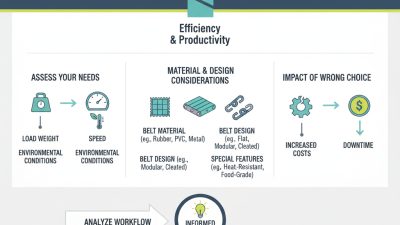
Understanding your business requirements for Conveyor Belts is crucial for optimal performance. Begin by evaluating the type of materials you will transport. Are they heavy, light, wet, or dry? This will determine the belt's material and strength. Analyze the environment where the conveyor will operate. Factors like temperature and humidity can significantly affect the belt's durability.
Consider the conveyor's length and width. A longer belt may require more support, while a wider belt is necessary for bulk materials. You should also assess the speed needed for your operations. Fast-moving belts can enhance productivity but may lead to increased wear and tear.
Tips: Always test the belt before full installation. Check for compatibility with your materials. Also, keep in mind that maintenance will vary with different conveyor types. Implementing a regular inspection routine can prolong the lifespan of your belt. Talk to industry experts if unsure. Their insights can save you from costly mistakes. Remember, choosing the right conveyor belt isn’t just about functionality; it's also about ensuring your operation runs smoothly without interruptions.
Choosing the Best Conveyor Belt for Your Business Needs
The chart above illustrates various dimensions to consider when selecting a conveyor belt for your business needs. Each metric, such as material type, width, length, thickness, and load capacity, plays a critical role in ensuring that the conveyor system aligns with your operational requirements.
Types of Conveyor Belts and Their Applications
When selecting the right conveyor belt, understanding the different types is crucial. There are several conveyor belt types available, each designed for specific applications. For instance, belt types like flat belts, modular belts, and cleated belts serve diverse functions. Flat belts are the most common. They are versatile and suited for transporting light to medium loads. According to industry reports, flat belts can increase efficiency by up to 20% in various settings.
Modular belts provide a flexible alternative. They are constructed from interlocking plastic modules for enhanced durability. Their design allows for easy cleaning and maintenance. This feature makes them ideal for industries like food processing. Data from a recent market analysis indicated that modular belts are becoming increasingly popular, growing at an annual rate of 5.7%.
Tips: Always assess the environment where the conveyor belt will be used. Factors like temperature and exposure to chemicals can affect longevity. Additionally, consider the load capacity needed. Overloading a belt can lead to faster wear and tear. Balancing your needs with the right type can significantly impact operational efficiency.
Key Factors to Consider When Selecting a Conveyor Belt
Choosing the right conveyor belt is vital for operational efficiency. A few key factors influence this decision. Consider the material you plan to transport. Different substances require specific belt types for optimal function. The weight and size of the items also play a crucial role. Heavier or bulkier loads demand a sturdy belt designed to manage increased stress.
Additionally, the environment where the conveyor operates cannot be overlooked. Is it wet, dry, or chemical-laden? Each setting requires resistant materials. Think about the belt’s temperature tolerance. For extreme heat or cold, specific materials will perform best. You should also evaluate maintenance needs. Low-maintenance options may save time and costs, but may you sacrifice durability?
Lastly, consider your budget versus quality. While lower-cost belts are tempting, they might not offer longevity. Reflect on the balance between investment and returns. It’s crucial to assess how the chosen belt aligns with long-term needs. Inevitably, every choice has implications. Be prepared to adapt based on real-world performance and feedback.
Material Compatibility: Choosing the Right Belt for Your Products
When selecting a conveyor belt, material compatibility is essential. Different products require different material characteristics. For instance, food products may need belts that are easy to clean and resistant to chemicals. In contrast, heavy machinery components may demand belts with high strength and durability. Understanding these requirements allows for better decision-making.
Tips: Identify your product and its specific needs. Consider temperature, weight, and potential contaminants. Each factor influences the choice of the right belt material.
Not all belts are the same. Compatibility issues can lead to issues such as material degradation or contamination. For example, a belt that works well for a lightweight product might not hold up under heavy loads. It's crucial to delve into the Belt Conveyor Belt Specification for your suitability.
Another area to ponder is the environment where the belt operates. Operating conditions can change the performance of the belt regularly. Factors like humidity, temperature fluctuations, and exposure to chemicals are substantial. The right belt for one environment may fail in another. Always analyze past performance data to make informed choices.
Evaluating Durability and Maintenance Needs of Conveyor Belts
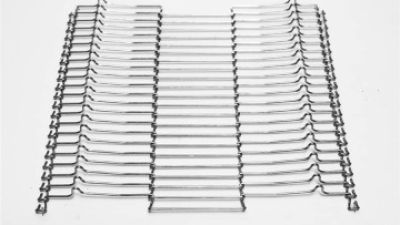
When choosing a conveyor belt, durability and maintenance are crucial factors. Research suggests that businesses can save up to 20% in operational costs by selecting the right materials. The type of conveyor belt you choose directly influences its lifespan and maintenance requirements. For instance, stainless steel options, like the Sus 304 316l Conveyor Belt Eye-Flex Belt, resist wear and tear, making them ideal for demanding environments.
Tip: Always analyze the operating conditions of your facility. High temperatures or abrasive materials can shorten belt life. Materials like rubber or PVC may wear out faster than metal, depending on the application. Regular inspections can help you identify potential issues before they escalate.
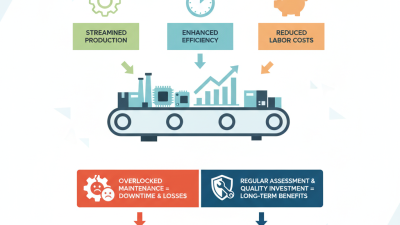
Maintenance needs can also affect productivity. Reports indicate that belts requiring frequent adjustments may lead to increased downtime. A well-maintained Conveyor Belt System can reduce unexpected breakdowns by as much as 25%. Investing in high-quality materials, like the Sus 304 316l Conveyor Belt Eye-Flex Belt, may require a higher initial investment but can significantly decrease maintenance costs over time.
Tip: Establish a regular maintenance schedule. This proactive approach can extend the life of your conveyor system. Remember, cost-effective solutions often come from thoughtful choices in durability and maintenance planning.
Cost Considerations: Budgeting for Conveyor Belt Investment
When investing in a conveyor belt, cost considerations are crucial. Budgeting effectively can prevent overspending and maintain financial health. Begin by assessing your specific needs. Different materials and designs come with varying price points. A thorough analysis will help ensure you select the right Conveyor Belt Conveyor for your operation.
Tips:
1. Compare prices from multiple suppliers. This will give you a range to work within.
2. Consider long-term costs. Cheaper belts may require more frequent replacements.
Don't overlook maintenance costs. Some belts may seem affordable upfront but incur higher operational costs over time. It's essential to factor in these ongoing expenses in your budget. This can provide a more accurate picture of your overall investment.
Remember to reevaluate your choice periodically. Business needs evolve, and what works today may not fit tomorrow's demands. Flexibility in your budget allows for adjustments. Investing in a durable Conveyor Belt Conveyor can pay off, but be mindful of maintaining a balance between quality and cost.
How to Choose the Best Conveyor Belt for Your Business Needs? - Cost Considerations: Budgeting for Conveyor Belt Investment
| Conveyor Belt Type | Material | Load Capacity (lbs) | Price Range ($) | Typical Application |
| Flat Belt | PVC | 1000 | 1,000 - 3,000 | Packaging, Assembly |
| Modular Belt | Plastic | 2000 | 2,500 - 5,000 | Food Processing, Bottling |
| Cleated Belt | Rubber | 1500 | 1,500 - 4,000 | Inclined Transport, Mining |
| Wire Mesh Belt
| Stainless Steel | 2500 | 3,000 - 7,000 | High Temp Applications, Baking |
Consulting Industry Experts and Manufacturers for Guidance
When selecting a conveyor belt, consulting industry experts is crucial. Their insights provide valuable guidance tailored to your specific needs. Industry reports indicate that proper selection can increase efficiency by up to 20%. Key factors include material compatibility and the environment in which the belt will operate.
Different industries require distinct types of conveyor belts. For example, food processing facilities often use specialized materials to meet hygiene standards. In contrast, heavy-duty environments might benefit from the strength of an Ss Conveyor Belt. A study by the Conveyor Equipment Manufacturers Association highlighted that improper belt choice could lead to delays and increased maintenance costs, affecting overall productivity.
Engaging manufacturers in the consultation process ensures you get the most accurate information. They can offer advice based on years of experience in the field. However, companies sometimes overlook this step, resulting in suboptimal choices. Understanding specific requirements and potential drawbacks can help prevent long-term issues, increasing operational efficiency and minimizing downtime.
Unlocking Fitness Goals: How the Flat Flex Belt Can Revolutionize Your Workout Routine
Unlocking fitness goals can often feel like a daunting task, but innovative tools like the Flat Flex Belt can make a significant difference in transforming your workout routine. This versatile piece of equipment not only brings efficiency to traditional exercise regimens but also allows for a more focused approach to fitness. Whether you’re looking to target specific muscle groups or enhance overall physical performance, integrating the Flat Flex Belt can streamline your workouts.
Moreover, the adaptability of Flat Flex Belts extends beyond personal fitness; they are widely used in various industrial applications too. For instance, the High-Flex Flat Wire Conveyor Belt is ideal for environments that demand FDA compliance, ensuring safety and reliability in food processing. Meanwhile, options like the Anti-Static Flat Flex Belt find their place in PCB manufacturing, highlighting the belt's versatility across different sectors. With features tailored for specific uses—such as high-temperature resistance for extreme conditions and corrosion resistance for marine applications—these products cater to both fitness enthusiasts and industrial operations alike, revolutionizing the way we think about efficiency and performance in our tasks.
FAQS
: Understanding business needs ensures optimal performance by selecting the right materials for transporting specific goods.
Consider the weight, moisture, and temperature of materials to determine the appropriate belt material and strength.
Temperature and humidity can significantly impact the lifespan and performance of the conveyor belt in its operational setting.
Longer belts may need additional support, whereas wider belts are better suited for bulk materials.
Incompatible materials can lead to degradation and contamination, affecting the efficiency of the operation.
A maintenance routine can help identify potential issues early, reducing unexpected breakdowns and extending belt lifespan.
Review past performance data, product needs, and environmental factors to select the ideal belt for your operation.
Yes, frequent adjustments can lead to increased downtime, impacting overall operational efficiency.
Rubber or PVC belts may wear out faster in demanding applications compared to more robust materials like metal.
Although the initial investment may be higher, quality belts can significantly reduce long-term maintenance costs.
Conclusion
Choosing the right conveyor belt for your business is crucial for optimizing workflow and ensuring efficiency. First, it's important to thoroughly understand your specific business requirements before selecting a conveyor belt. Different types of conveyor belts are available, each with unique applications that cater to various industries. Key factors to consider include material compatibility, ensuring the belt can handle the products being transported, and evaluating the durability and maintenance needs to minimize downtime.
Additionally, cost considerations play a significant role in budgeting for a conveyor belt investment. It's essential to weigh long-term benefits against upfront costs. Consulting with industry experts and manufacturers can provide valuable insights and guidance tailored to your operational needs, ensuring you select the most suitable conveyor belt for your business.