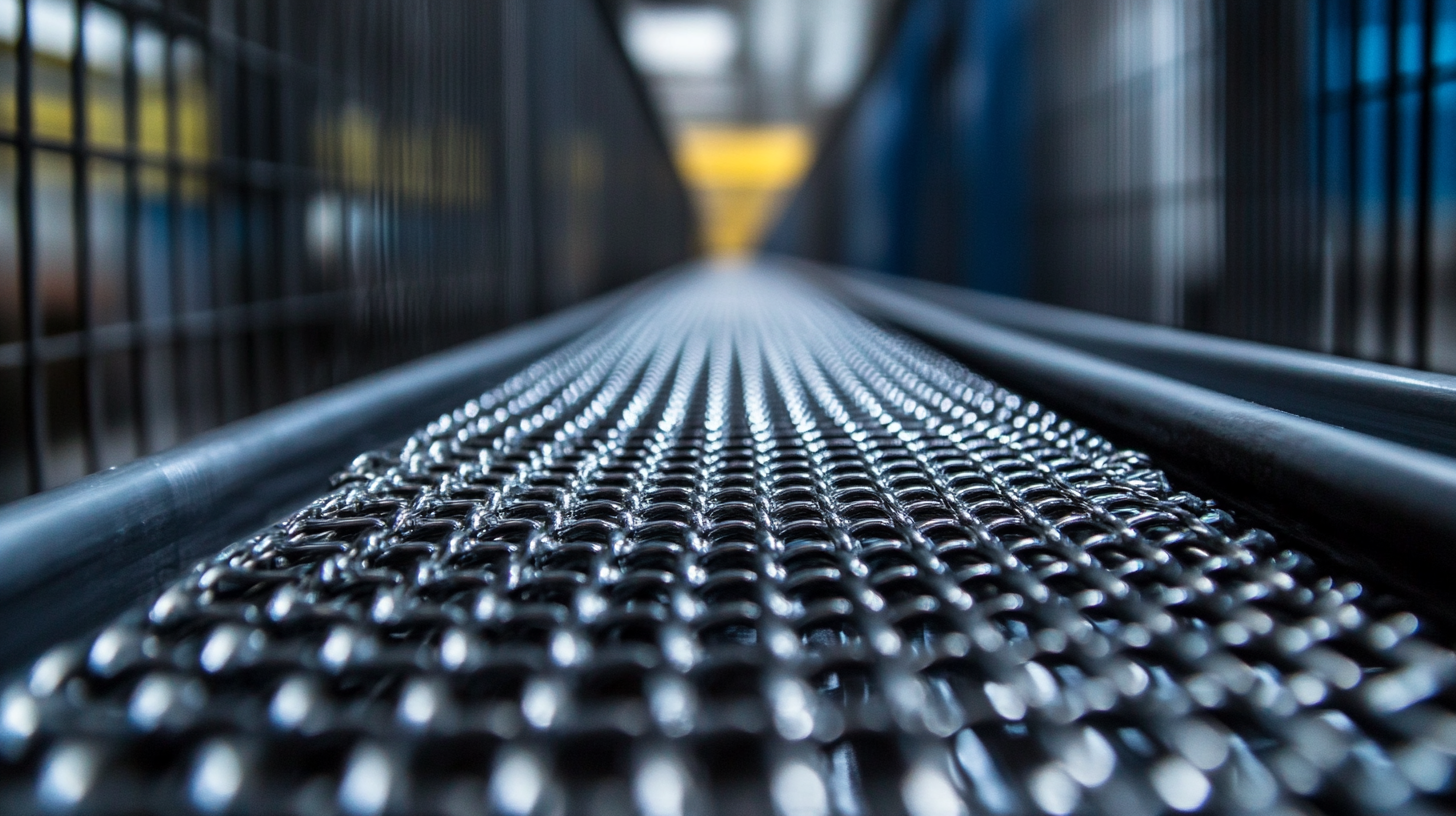
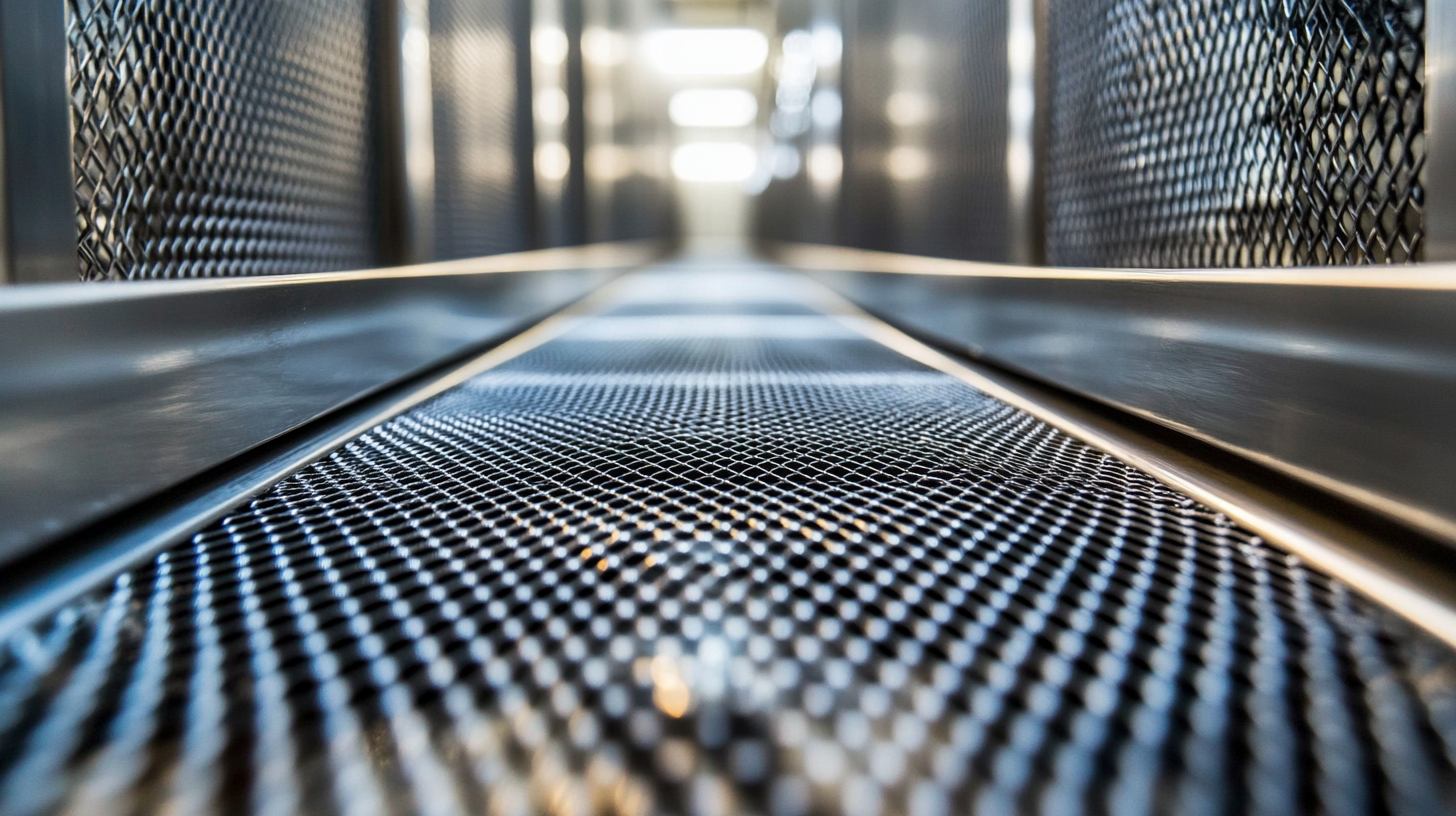
In today’s rapidly evolving industrial landscape, choosing the right Stainless Steel Wire Mesh Belt is crucial for optimizing production processes. As a leader in the field, JIANGSU HUADA METAL MESH BELT CO., LTD. stands out as China's pioneering Metal Conveyor belt manufacturer, providing precision-engineered solutions that cater to diverse industrial needs. With a commitment to quality backed by ISO 9001 and CE certifications, HUADA is dedicated to delivering innovative wire mesh belts and chain-driven systems to clients in over 20 countries across five continents. This blog will guide you through the essential factors to consider when selecting the best Stainless Steel Wire Mesh Belt for your specific applications, ensuring you make an informed decision that enhances efficiency and reliability in your operations.
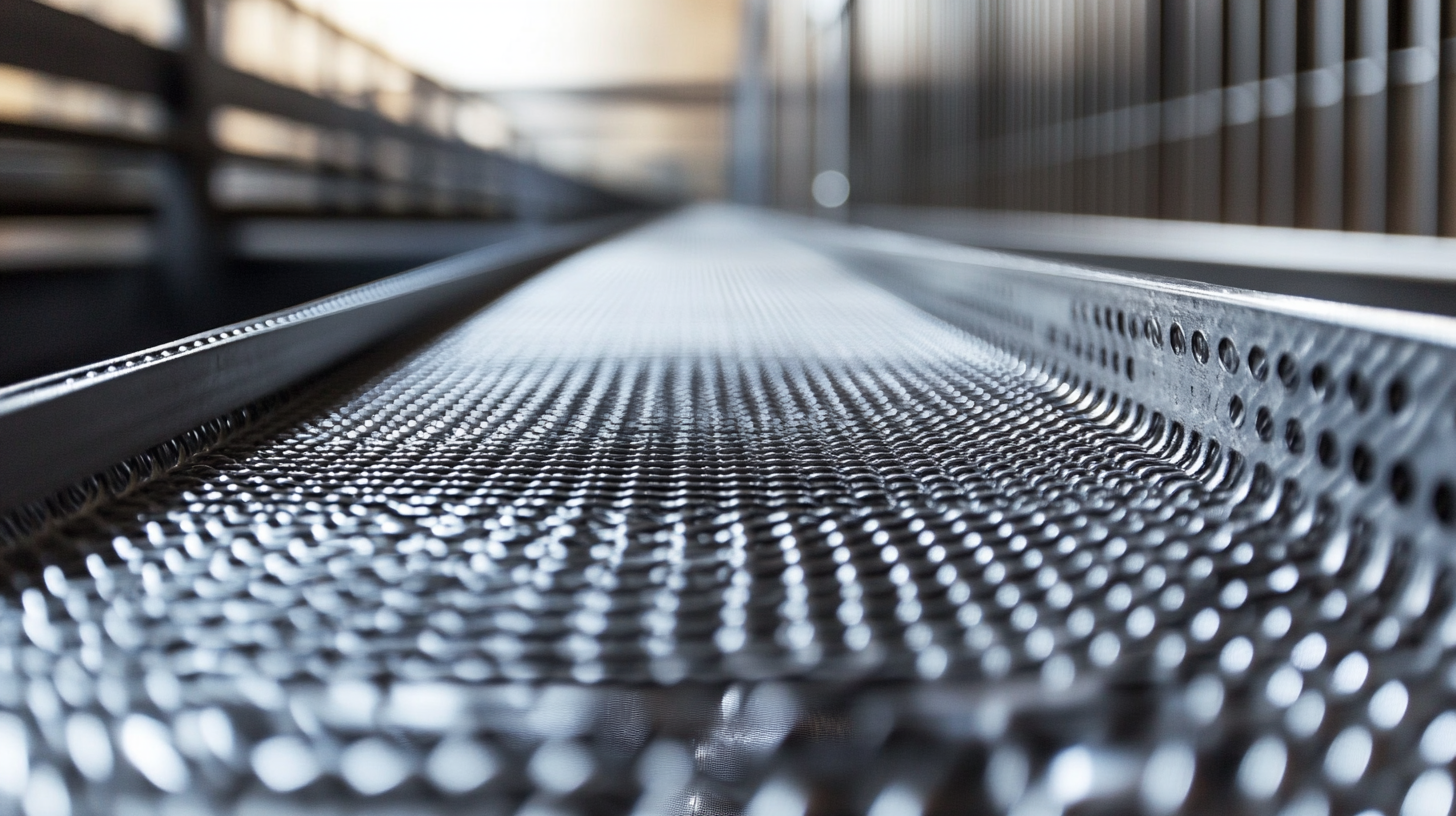
Stainless Steel Wire Mesh belts play a crucial role in various industrial applications, providing strength, durability, and resistance to corrosion. These belts are essential in sectors such as food processing, manufacturing, and waste management, where they facilitate efficient transportation and processing of products. Understanding the significance of wire mesh belts enables businesses to optimize their operations and enhance productivity.
When selecting the right stainless steel wire mesh belt, consider the specific requirements of your industry. For instance, the choice of mesh size can affect the flow of materials and ultimately influence production quality. Tip: Always evaluate the load capacity and temperature resistance based on your operational needs to prevent unexpected failures.
Another important factor is the belt's surface finish and its impact on product hygiene. A smooth, non-porous surface helps in maintaining cleanliness, which is vital in food-related sectors. Tip: Opt for belts with easy-to-clean designs, as this will save time and resources in maintenance, ensuring compliance with safety standards. By focusing on these elements, businesses can select the best stainless steel wire mesh belts tailored to their needs, harnessing their full potential for industrial success.
When selecting a stainless steel wire mesh belt for industrial applications, durability and efficiency are paramount. One of the key factors to consider is the material's grade; different grades of stainless steel offer various levels of resistance to corrosion and heat. For environments exposed to harsh chemicals or extreme temperatures, opting for higher grades, such as 316 stainless steel, can significantly enhance the belt's longevity and performance. Additionally, understanding the specific requirements of your operation—such as load capacity and temperature ranges—will guide you toward the most suitable option.
Another critical aspect is the mesh design itself. The size and shape of the openings play a crucial role in the efficiency of the belt. A tighter mesh may provide better support for smaller items but could hinder airflow and drainage in certain processes. Conversely, a larger mesh allows for better fluid flow but might not be ideal for transporting smaller materials. Evaluating the balance between these factors ensures the wire mesh belt not only meets current operational needs but also adapts to future requirements, enhancing overall productivity in your industrial processes.
The stainless steel wire mesh belts market is poised for significant growth, with projections indicating an increase in market size to approximately $2.3 billion by 2025. This expansion is largely driven by advancements in manufacturing processes and the increasing demand from industries such as food processing, automotive, and pharmaceuticals. The versatility and durability of stainless steel wire mesh belts make them an ideal choice for these sectors, where hygiene and reliability are paramount.
According to a recent report by MarketsandMarkets, the global stainless steel mesh market is expected to experience a compound annual growth rate (CAGR) of around 5.6% from 2020 to 2025. This upward trend is attributed not only to the enhanced properties of stainless steel, such as corrosion resistance and high tensile strength, but also to the rising trend of automation in manufacturing. As companies seek to improve efficiency and maintain stringent safety and quality standards, the adoption of stainless steel wire mesh belts will likely continue to grow, further solidifying their position as a critical component in various industrial processes.
When selecting a stainless steel wire mesh belt for industrial applications, understanding the technical specifications is crucial for optimizing performance. Various types of stainless steel offer distinct properties, such as resistance to corrosion, heat tolerances, and mechanical strength, which directly influence the belt's durability and efficiency. A common choice, Type 304 stainless steel, provides good corrosion resistance and is suitable for moderate-temperature environments, while Type 316 offers enhanced protection in harsher conditions with its added molybdenum content, making it ideal for food processing and chemical industries.
Additionally, wire diameter and mesh opening size play a vital role in the functionality of the mesh belt. A thicker wire increases the strength and load-bearing capacity, whereas finer mesh openings enable more precise filtration and product handling. Belts can also be tailored with different weave patterns depending on the specific application, whether it be for conveying, drying, or cooling. Understanding these specifications enables companies to make informed decisions to select a stainless steel wire mesh belt that meets their unique operational needs effectively.
When evaluating the return on investment (ROI) for stainless steel wire mesh belts in manufacturing processes, it’s essential to consider not only the initial cost but also the long-term benefits. According to a report by Freedonia Group, the demand for wire mesh belts is expected to grow by 4.5% annually, driven largely by their durability and efficiency in various industrial applications. These belts typically offer superior resistance to corrosion and wear, resulting in lower maintenance costs and prolonged service life.
In addition, a study by MarketsandMarkets highlights that adopting stainless steel wire mesh belts can enhance operational efficiency, reducing downtime associated with belt replacements. Companies utilizing these belts report an increase in production efficiency by up to 20%, translating to significant cost savings over time. Thus, the upfront investment in high-quality stainless steel wire mesh belts can yield substantial returns, making them a cost-effective choice for manufacturers committed to optimizing their production processes.
When investing in stainless steel wire mesh belts for industrial applications, maintenance is a critical factor that directly influences their longevity and operational efficiency. According to a recent industry study by the Conveyor Equipment Manufacturers Association (CEMA), proper maintenance can extend the lifespan of wire mesh belts by 30% or more. Regular cleaning, inspection, and timely lubrication are essential practices that help prevent common issues such as corrosion and wear, which significantly reduce belt performance over time.
Additionally, environmental factors play a crucial role in the durability of wire mesh belts. A report from the Food and Beverage Industry Technical Conference indicated that exposure to harsh chemicals or extreme temperatures can decrease the lifespan of these belts. Utilizing protective coatings and selecting the appropriate mesh design based on the operational environment can mitigate such risks. Furthermore, implementing a scheduled maintenance routine not only enhances performance but also minimizes downtime, resulting in a more cost-effective operation overall. Keeping these best practices in mind is essential for maximizing the return on investment in stainless steel wire mesh belts.
: When selecting a stainless steel wire mesh belt, consider the material's grade for resistance to corrosion and heat, the specific requirements of your operation such as load capacity and temperature ranges, and the mesh design including size and shape of openings to balance support, airflow, and drainage.
The grade of stainless steel is important because different grades provide varying levels of resistance to corrosion and extreme temperatures. Higher grades, like 316 stainless steel, significantly enhance the belt's longevity and performance in harsh environments.
The size and shape of the mesh openings affect belt efficiency; a tighter mesh offers better support for smaller items but may hinder airflow, while a larger mesh allows for better fluid flow but might not be suitable for small materials. Balancing these factors is crucial for operational needs.
The stainless steel wire mesh belts market is expected to grow to approximately $2.3 billion by 2025, with a projected compound annual growth rate (CAGR) of around 5.6% from 2020 to 2025, driven by advancements in manufacturing and increasing demand in sectors like food processing and pharmaceuticals.
The use of stainless steel wire mesh belts can lead to significant ROI by reducing long-term maintenance costs due to their durability and efficiency, as well as decreasing production downtime associated with belt replacements, ultimately increasing production efficiency by up to 20%.
Industries such as food processing, automotive, and pharmaceuticals are driving the demand for stainless steel wire mesh belts due to their versatility, durability, and the importance of hygiene and reliability in these sectors.
Stainless steel wire mesh belts enhance operational efficiency by providing durability that reduces the frequency of replacements, minimizing downtime, and ensuring consistent performance, which can result in cost savings and improved production rates.
Long-term benefits of stainless steel wire mesh belts include lower maintenance costs, prolonged service life, increased operational efficiency, and substantial cost savings, making them a cost-effective choice for manufacturing processes.