Leave Your Message
0%

In today's super competitive business world, companies are always on the lookout for smarter, more efficient ways to boost their productivity. One approach that’s been proven to work is Conveyor Belt Transport. Basically, it makes the logistics side of things much easier—cutting down on the manual work and helping to avoid those annoying mistakes.

Take ABC Industries, for example. They decided to give Conveyor Belt Transport a shot, and it totally changed the game for them. They saw their product delivery times drop pretty significantly, and their staff could then focus on more important, higher-value tasks instead of just doing the same repetitive stuff over and over. Pretty impressive, right? But, of course, it’s not all sunshine and rainbows. There are some hurdles—this system isn’t a perfect fit for every single business.

So, before jumping in and investing in conveyor belt transport, it’s really smart to do some careful thinking. You’ve gotta consider your specific needs and check out any potential downsides. This tech can be a total game-changer—just don’t assume it’s a one-size-fits-all fix. Finding the right balance between boosting efficiency and keeping things flexible is key for any operation that wants to succeed.
Why Choose Conveyor Belt Transport for Your Business Needs?

Understanding Conveyor Belt Transport Systems in Businesses

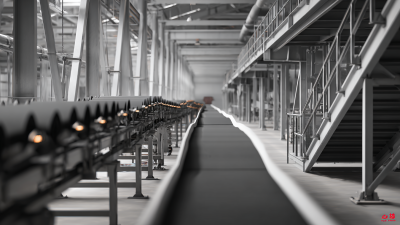
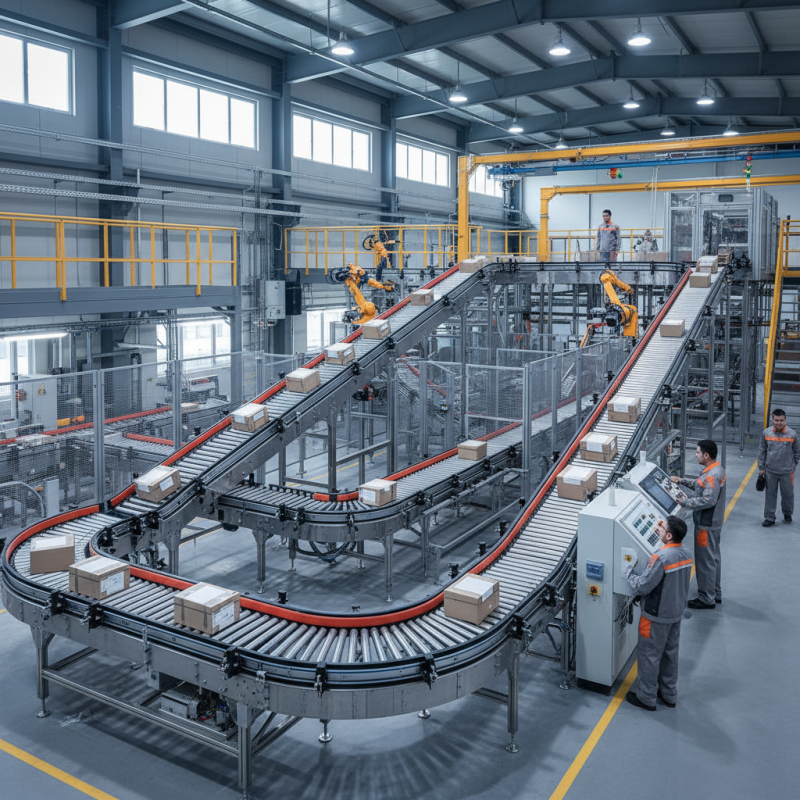
Conveyor belt transport systems play a critical role in enhancing operational efficiency. They streamline the movement of materials, reducing manual labor and minimizing errors. Many industries rely on these systems because of their ability to handle various materials, from lightweight items to heavy bulk goods. For example, a Fly Ash Transport Belt 600°C is designed for transporting materials at elevated temperatures, ensuring safety and efficiency in high-temperature environments.

When integrating conveyor systems, consider the layout of your workspace. Proper design can optimize the flow of goods and reduce bottlenecks. Additionally, regular maintenance is essential to ensure reliability and longevity. Inspect belts for wear and tear. Even minor issues can cause delays and impact productivity.

Utilizing conveyor systems may require some adjustments. Your workforce might need training to operate new equipment. Communication is key during this transition. It’s important to gather feedback from your team about the conveyor’s performance. Understanding their insights can help you fine-tune the system for maximum efficiency and reliability.

Key Advantages of Using Conveyor Belts for Material Handling

Conveyor belts play a crucial role in modern Material Handling systems. They offer significant advantages for businesses looking to optimize operations. According to a report from the Material Handling Industry of America, about 75% of companies implementing conveyor systems noted improved efficiency. This simple yet effective solution reduces manual labor and minimizes errors in transporting items.

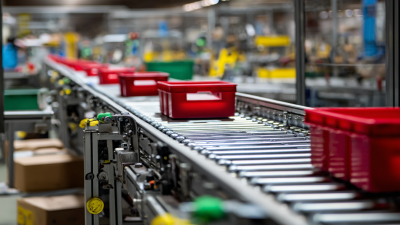
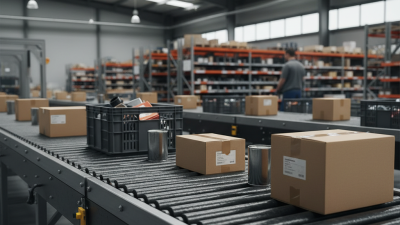
One key advantage is the ability to handle various materials, from heavy machinery to lightweight items. Conveyor belts can easily be adjusted to accommodate different products. In warehouse settings, they improve workflow efficiency, allowing workers to focus on other tasks. A study by the Conveyor Equipment Manufacturers Association highlighted that using a Transport Conveyor can enhance productivity by up to 25%.

However, not all conveyor systems are perfect. They may require regular maintenance to prevent breakdowns. Additionally, initial setup costs can be a barrier for small businesses. Despite these challenges, investing in a Transport Conveyor remains a valuable choice for many industries, as long as companies evaluate their specific needs and capabilities.

Benefits of Conveyor Belt Transport in Material Handling

Types of Conveyor Belts and Their Applications in Industries

Why Choose Conveyor Belt Transport for Your Business Needs?

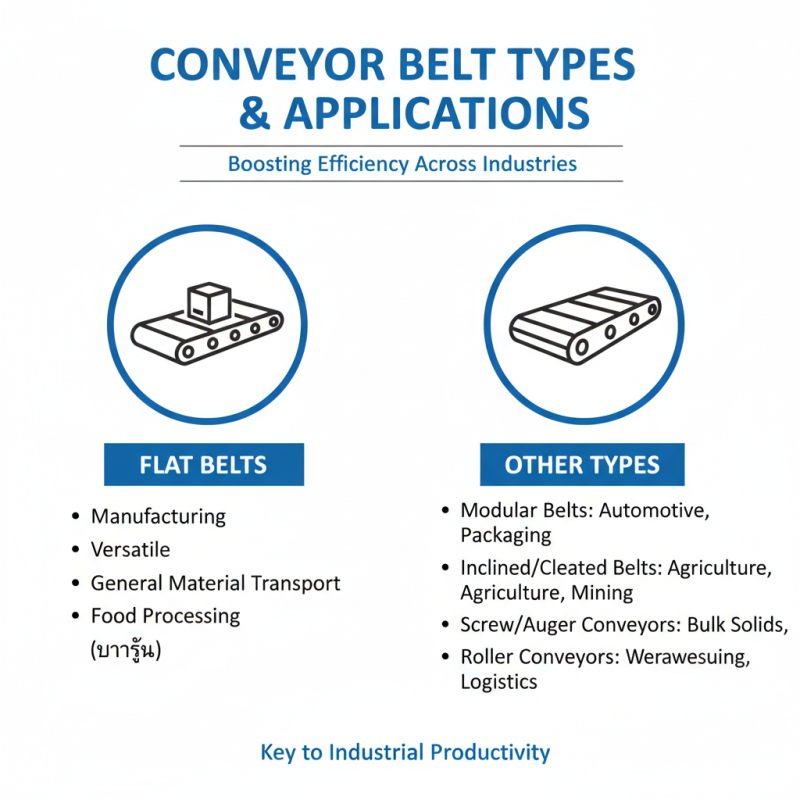
Conveyor belts play a vital role in various industries, enhancing efficiency and productivity. Different types of conveyor belts cater to unique needs. For instance, flat belts are common in manufacturing. They are versatile and can transport various materials without much hassle.

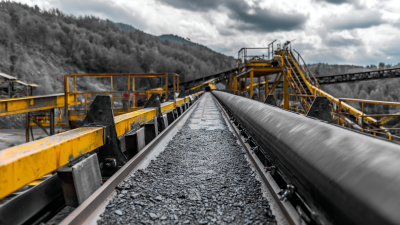
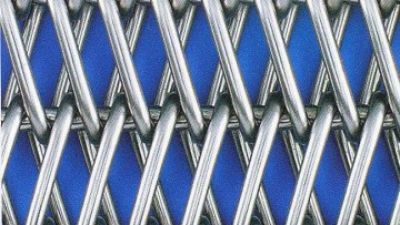
In the mining industry, rubber belts are widely used. Their durability allows them to handle heavy loads. This can sometimes lead to wear and tear, which requires regular maintenance. Understanding these factors is crucial for businesses. Wire Mesh Belts are common in food processing. They are easy to clean and hygienic. However, they can be less flexible compared to other types.

Choosing the right conveyor system depends on industry demands. Each option has advantages and limitations. Many businesses overlook maintenance costs, which can escalate over time. It’s important to evaluate these aspects carefully. Investing in the right conveyor technology can significantly affect operational success.

Cost-Efficiency of Conveyor Belt Transport Solutions

Conveyor belt transport offers significant cost-efficiency for businesses. It reduces labor costs by automating the movement of goods. Fewer workers are needed for material handling. This automation helps streamline operations, allowing employees to focus on more complex tasks.

Maintenance costs are also relatively low. Conveyor belts are durable and require minimal upkeep. However, businesses must be proactive in addressing wear and tear to prevent unexpected breakdowns. Regular maintenance can prolong the system's life and ensure consistent performance.

Energy efficiency is another vital aspect. Modern conveyor systems consume less power, which directly impacts operating costs. Smart designs enable the use of regenerative drives, converting excess energy back into the system.

While initial investments may be higher, the long-term savings often outweigh these costs. It's crucial to evaluate the return on investment carefully. Each business’s needs differ, and what works for one may not suit another.

Enhancing Productivity with Automated Conveyor Systems

Why Choose Conveyor Belt Transport for Your Business Needs?

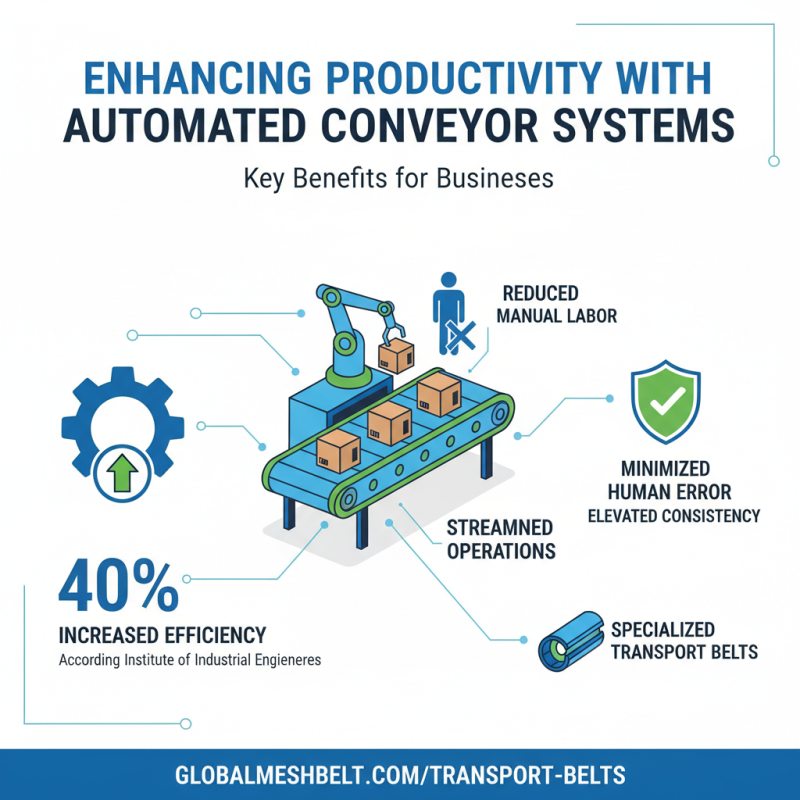
Automated conveyor systems drastically enhance productivity in various industries. According to a recent report by the Institute of Industrial Engineers, businesses that integrate automation into their processes can experience up to a 40% increase in efficiency. These systems reduce the need for manual labor and streamline operations. Transport Belts, designed for specific tasks, minimize the risk of human error and elevate consistency in production.

Moreover, automated conveyor systems significantly decrease operational costs over time. A study by McKinsey suggests that companies can save approximately 30% on labor costs by implementing these systems. Though the initial investment may seem steep, the long-term savings often justify the expense. However, it's crucial to evaluate the specific needs of your operations. Choosing the wrong conveyor system can lead to inefficiencies, ultimately hindering productivity.

Adopting Transport Belts requires a thoughtful approach. While many companies thrive with this technology, some face integration challenges. A lack of proper training or understanding can complicate the transition. It's a reminder that technology alone doesn't guarantee success. Careful planning and consideration of your business's unique requirements are essential for maximizing the benefits of conveyor systems.

Safety Considerations When Implementing Conveyor Belt Transport

Safety is a primary concern when implementing conveyor belt transport in any business. Moving materials on a conveyor belt can increase efficiency, but it also introduces potential risks. Regular maintenance is essential. Wear and tear can lead to unexpected malfunctions. Inspecting the belts, pulleys, and safety guards minimizes accidents.

Proper training for employees is crucial. Workers should know how to operate and maintain conveyor systems safely. They must be aware of the hazards associated with moving parts. An emergency stop button should be accessible to all operators. This quick access can make a significant difference in critical situations.

It's also important to have clear safety signage around conveyor systems. Warnings and instructions can help reinforce safe practices. Implementing a regular safety audit can reveal areas needing improvement. Accidents can happen even with precautions in place. Continuous evaluation of safety protocols will help create a safer workplace.

Maintenance Best Practices for Conveyor Belt Systems

Proper maintenance of conveyor belt systems is crucial for optimal performance. Regular inspections help identify wear and tear early. Checking belt tension and alignment prevents unnecessary breakdowns. A misaligned belt can lead to uneven wear and shorten its lifespan. Keeping the system clean is vital. Dirt and debris can cause friction and wear.

Lubrication is another key factor. Ensure that moving parts are well-greased to minimize friction. However, too much lubricant can attract dust and debris. Finding the right balance takes time and effort. Operators should also monitor the Transport Chain's performance closely. It can reveal potential issues before they escalate.

Training staff in proper maintenance techniques increases reliability. A knowledgeable team can keep systems running smoothly. They can spot problems early. Continuous learning is essential. Sometimes, even experienced workers can overlook critical checks. Encourage a culture of safety and awareness. Remember, small details can make a big difference in system longevity.

Enhance Your Posture and Comfort: The Benefits of the Double Balance Belt in Everyday Life

Enhancing your posture and comfort in everyday life can significantly impact your well-being, and one effective way to achieve this is through the use of the Double Balance Belt. This remarkable belt not only provides stability but also promotes proper alignment of the body, making it an essential accessory for various applications. Whether you are working in demanding industries or engaging in daily activities, the benefits of using a Double Balance Belt are manifold.

For instance, the High-Temperature Double Balance Weave Furnace Belt, designed to withstand extreme temperatures up to 800°C, ensures safety and efficiency in high-stakes environments. Similarly, for those in heavy-duty operations, the Heavy-Load Double Layer Balance Weave Conveyor System offers robust support while minimizing strain on the body. In environments like mining, the Abrasion-Resistant Double Balance Belt proves invaluable by delivering durability without compromising performance.

The versatility of the Double Balance Belt extends beyond industrial applications as well. The Food-Grade Double Balance Weave Mesh adheres to strict FDA and EHEDG standards, ensuring safety in food production. For automotive industries, the Precision Double Layer Balance Belt allows for flawless stamping processes. This adaptability means there is a Double Balance Belt suited for every need, facilitating comfort and posture enhancement across various sectors. Embrace the transformative potential of these belts and experience the difference in your everyday life.

FAQS

: What are the key benefits of using conveyor belt transport?

: Conveyor belt transport reduces labor costs and increases efficiency. It automates movement, freeing employees for complex tasks.

How can maintenance affect conveyor belt performance?

Regular maintenance identifies wear and tear early. Neglecting it can lead to unexpected breakdowns and higher costs.

What should businesses consider regarding energy efficiency?

Modern conveyor systems are energy-efficient. They may have higher initial costs, but savings on energy can be significant.

Why is employee training important for conveyor belt systems?

Proper training ensures safe operation and maintenance. Employees need to understand hazards and know emergency procedures.

How can safety protocols reduce accidents?

Clear safety signage and regular audits help reinforce safety. Continuous evaluation can identify areas needing improvement.

What are best practices for maintaining conveyor belt systems?

Regular inspections and keeping the system clean are essential. Proper lubrication also minimizes friction and prolongs lifespan.

How can misalignment affect conveyor belt systems?

A misaligned belt can cause uneven wear and shorten its lifespan, leading to more frequent breakdowns.

What role does staff training play in maintenance?

Skilled staff can spot potential problems early. Continuous learning is crucial, as seasoned workers may overlook key checks.

How can businesses evaluate the return on investment?

Each business's needs differ. It's vital to assess long-term savings against initial installation costs for informed decisions.

What are common safety hazards with conveyor belts?

Moving parts can pose risks. Regular inspections and emergency stop accessibility can minimize these hazards significantly.

Conclusion

Conveyor Belt Transport systems play a vital role in enhancing operational efficiency across various industries. By streamlining material handling processes, businesses can leverage the key advantages of these systems, including improved cost-efficiency and increased productivity. Various types of conveyor belts are tailored for specific applications, making them essential for effective logistics and manufacturing operations.

Implementing automated conveyor systems not only boosts productivity but also requires careful consideration of safety protocols to ensure a secure working environment. Additionally, maintaining conveyor belt systems through best practices is crucial for longevity and reliability. Overall, Conveyor Belt Transport provides businesses with robust solutions to meet their material handling needs while optimizing performance and safety.

Ethan

Ethan

Ethan is a dedicated marketing professional at Jiangsu Huada Metal Mesh Belt Co., Ltd., a leading metal conveyor belt manufacturer in China. With a deep expertise in the company's products, Ethan plays a crucial role in promoting Huada's precision-engineered wire mesh belts and chain-driven......
Previous Top 10 Wire Mesh Products for Global Buyers?