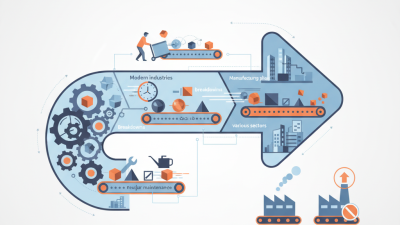
Hey, in today’s super fast-paced industrial world, businesses are really chasing after efficiency and reliability. One key piece of the puzzle is the Material Handling Conveyor Belt. I read a report by Industry Research that predicts the global conveyor systems market will hit around $9.2 billion by 2025 — which really shows just how important these Material Handling solutions are becoming.
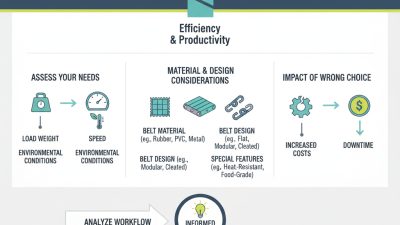
These Conveyor Belts aren’t just about speeding things up; they actually help cut down on labor costs and make workplaces safer. But here’s the thing — a lot of companies sort of overlook their specific needs when picking out a system. Not every conveyor belt is a perfect fit for every task. Choosing the wrong one can cause all sorts of problems—like damaging products, lots of downtime, or even bigger operational costs.
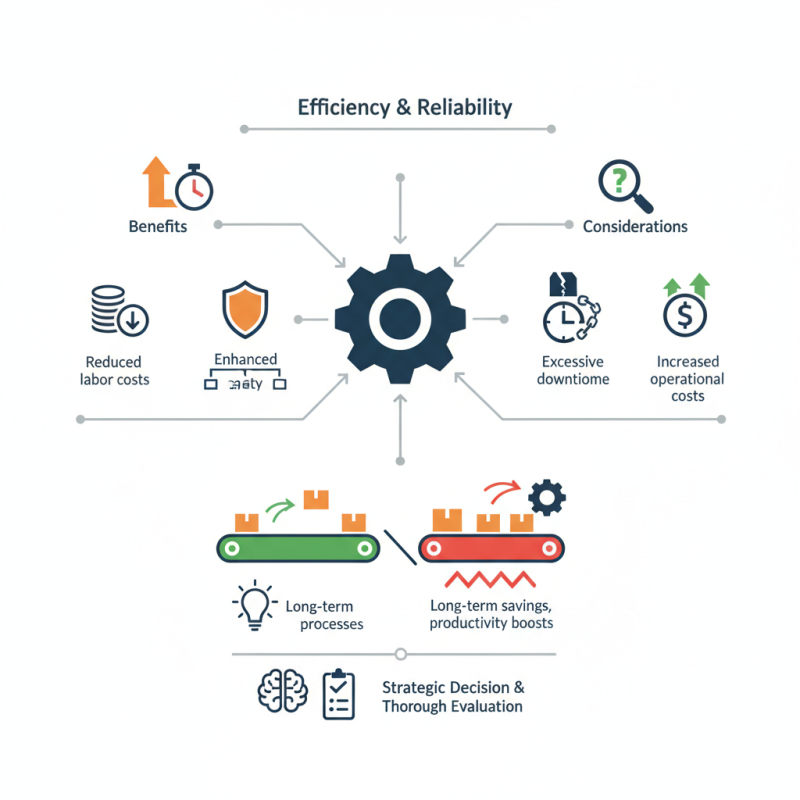
Honestly, investing in the right conveyor setup isn’t just about convenience — it’s a smart move backed by data. Picking a high-quality Material Handling Conveyor Belt can really pay off in the long run with savings and productivity. Experts suggest taking a good hard look at what your operation actually needs before deciding on a system. Companies should be careful and thoughtful about this because ignoring these details might mess with their overall success down the line.
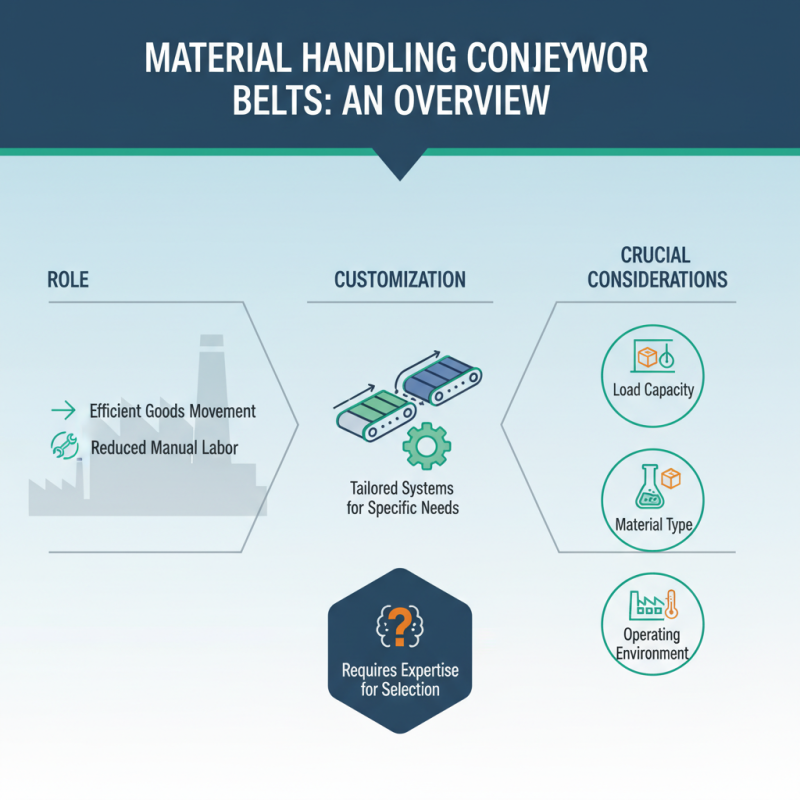
Material handling conveyor belts play a crucial role in various industries. They help in the efficient movement of goods, reducing manual labor. Conveyor systems can be customized to suit specific needs. However, choosing the right conveyor belt requires expertise. It is important to consider factors like load capacity, material type, and operating environment.
These belts can be made from different materials, each serving a unique purpose. Some are designed for heavy loads, while others work well with delicate items. This variation creates a challenge for businesses. Selecting an unsuitable belt can lead to operational issues. The wrong choice might result in frequent breakdowns or goods getting damaged.
Investing in conveyor belts can enhance productivity. Yet, it is essential to evaluate your specific requirements carefully. An analysis of workflow and material types is recommended. There is no one-size-fits-all solution. Relying solely on general guidelines may not yield the best results. Each operation is unique, and reflective decisions are key.
Conveyor belts play a vital role in material handling operations. They facilitate smoother workflows. This can significantly boost productivity and efficiency in warehouses or manufacturing setups. By automating the movement of materials, businesses can reduce manual labor costs. This optimization allows companies to allocate their resources more strategically.
Tips: Evaluate the weight and dimensions of the materials to choose the right type of conveyor belt. For reusable materials, consider an eco-friendly option.
Implementing a Material Handling Belt Conveyor can reduce workplace accidents. Employees no longer need to lift heavy items repeatedly. This simple change can lead to safer work environments. Additionally, conveyor belts can be designed to fit specific layouts, enhancing overall operational flow.
Tips: Regular maintenance is crucial. Inspect the conveyor system frequently to ensure it operates efficiently. Keep an eye on any unusual noises or slowdowns. Addressing these issues early can prevent costly breakdowns.
Choosing conveyor belts can be a game-changer for handling materials. The benefits include increased safety, efficiency, and improved resource management. Reflect on your current processes. Are they as efficient as they could be?
Material handling conveyor belts are vital for many industries. They enhance efficiency and reduce manual labor. Various types cater to different needs. Understanding these types can help businesses make informed choices.
One common type is the flat belt conveyor. It’s versatile and used for transporting light to medium-weight items. The Food Processing Sector often relies on this type. A study shows that in this sector, 70% of operations use flat belts for efficient product flow. Another popular type is the modular belt conveyor. Its design allows for easy cleaning and maintenance, which is crucial in industries like pharmaceuticals. Reports indicate that businesses enjoy a 30% improvement in productivity when using modular belts.
For heavy-duty applications, the roller bed conveyor is ideal. This type uses rollers to reduce friction. This can save energy and decrease wear. In warehouses, roller beds can speed up operations significantly. However, businesses must assess their specific needs. Not every type suits every situation. Industry experts suggest conducting a thorough analysis of requirements before investing.
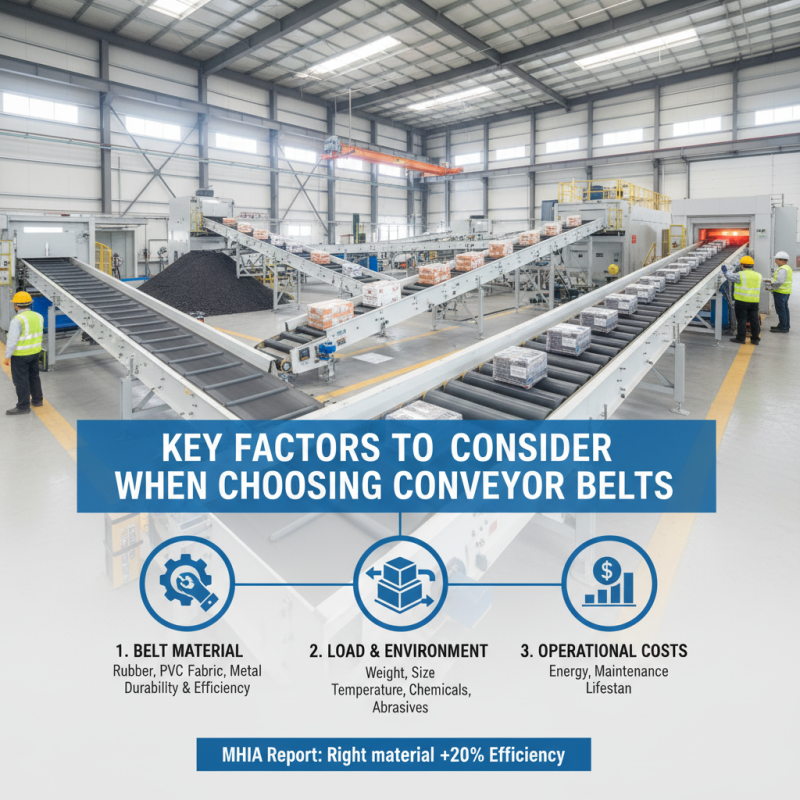
When selecting a conveyor belt for your business, several key factors are critical. The most essential aspect is the belt material. Different applications require different materials to handle specific loads and environments. According to a report by the Material Handling Industry of America (MHIA), the right material can enhance durability and efficiency by up to 20%. This can drastically impact operational costs and overall productivity.
Another vital factor is the load capacity. Conveyor systems are often designed to carry heavy loads. Ensuring that your Material Handling Belt meets or exceeds load requirements can prevent mechanical failures. A study from the International Journal of Engineering Research indicates that inadequately rated belts lead to breakdowns in 30% of cases, causing costly downtime. Maintaining the correct tension and alignment is also important, as misalignment can lead to uneven wear and tears.
Lastly, consider the environmental factors. Exposure to extreme temperatures or corrosive materials can deteriorate the belt’s integrity. According to industry insights, over 15% of conveyor system failures relate to environmental conditions. Such reflections can lead businesses to rethink their choices carefully. The right Material Handling Belt should align with both the operational needs and the environmental conditions to sustain reliability.
Conveyor belts are essential in various industries, each with unique applications. In manufacturing, they transport goods through assembly lines. The efficiency gained minimizes manual handling, allowing workers to focus on quality control. Material Handling solutions streamline operations and help reduce production time.
In the food industry, conveyor belts move products seamlessly from one point to another. They ensure that packaging is timely and hygienic. Specific designs cater to food safety regulations, but challenges exist. Contamination risks can emerge if cleanliness is not prioritized.
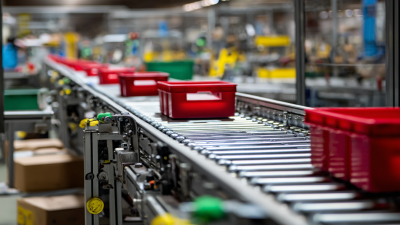
The logistics sector heavily relies on these belts in warehouses. They facilitate the quick movement of packages, reducing delays. However, they must be maintained regularly to avoid breakdowns. Poor upkeep can lead to unexpected downtime, impacting productivity. The benefits of material handling conveyor belts are clear, but attention to detail is crucial for optimal performance.
Maintaining conveyor belts is crucial for any business that relies on material handling. Regular checks can prevent unexpected breakdowns. These disruptions lead to downtime, affecting productivity and profitability. Ensure that your team is trained in basic maintenance tasks, such as cleaning and inspecting the belts. Small issues, if ignored, can escalate into larger problems.
Lubrication is another key aspect of care. Use appropriate lubricants to reduce friction and wear. Take note of any strange noises during operation, as they can signal underlying issues. Observing these details can save time and money in the long run. It’s easy to overlook this, yet regular maintenance is vital for longevity.
Lastly, keep an eye on the alignment and tension of the belts. Misalignment can cause excessive wear and tear. Be open to evaluating your methods and adapt when needed. Documenting maintenance activities helps identify patterns over time. This approach enhances reliability and ensures your material handling processes run smoothly. Careful attention today leads to better performance tomorrow.
| Dimension | Description | Frequency of Maintenance | Expected Lifespan | Common Issues |
|---|---|---|---|---|
| Belt Width | Determines the amount of material the conveyor can handle at once. | Quarterly Inspection | 5-10 years | Misalignment, wear and tear |
| Belt Material | Variety of materials available for different applications, e.g., rubber, PVC. | Monthly Cleanliness Check | 3-8 years | Degradation from chemicals, fraying |
| Load Capacity | Max weight the conveyor belt can carry without failure. | Annual Load Testing | Depends on usage; generally 5+ years | Overloading, stretch |
| Speed | Influences the efficiency of material handling processes. | Monthly Speed Check | 10+ years with proper maintenance | Slippage, uneven speed distribution |
Investing in conveyor belts can significantly enhance operational efficiency. According to a 2022 report by the Material Handling Industry of America, businesses that adopt automated conveyor systems can improve productivity by up to 25%. This efficiency translates directly into cost savings. Companies save on labor expenses as fewer workers are needed for manual handling.
Additionally, conveyor belts reduce product damage. A study from the National Institute of Standards and Technology found that automated systems can lower damage rates by about 15%. This decrease in product loss not only cuts costs but also improves customer satisfaction. When businesses minimize waste, they enhance their reputation and profitability.
While the initial investment in conveyor systems may seem high, the long-term benefits outweigh the costs. However, businesses must carefully assess their specific needs. Some operations may find that not all processes benefit from automation. Regular evaluations of system performance should become a routine practice. This continuous reflection can lead to better decision-making and resource allocation.
: They facilitate the efficient movement of goods, reducing manual labor in various industries.
The wrong choice can lead to operational issues, such as frequent breakdowns or damaged goods.
Load capacity, material type, and the operating environment are crucial considerations.
They automate material movement, allowing businesses to reduce labor costs and allocate resources better.
Evaluate the workflow and material types to ensure the right system is selected.
The flat belt conveyor is versatile, commonly used for transporting light to medium-weight items.
They reduce the need for employees to lift heavy items repeatedly, leading to safer work environments.
Frequent inspections help detect issues early, preventing costly breakdowns and ensuring efficient operation.
Roller bed conveyors are ideal, as they use rollers to reduce friction and save energy.
Its easy cleaning and maintenance can lead to productivity improvements, especially in sectors like pharmaceuticals.
Material Handling Conveyor Belts play a crucial role in enhancing efficiency and productivity in various businesses. These belts streamline the movement of goods, reducing manual labor and minimizing the risk of injuries. Understanding the different types of conveyor belts available, along with their specific benefits, allows businesses to make informed decisions tailored to their operational needs.
When selecting Material Handling Conveyor Belts, it is important to consider factors such as load capacity, material compatibility, and maintenance requirements. Regular care and maintenance of these belts not only extend their lifespan but also ensure smooth operation, ultimately leading to cost-effectiveness in logistics and handling processes. Across a range of industries, the strategic use of conveyor belts can greatly improve workflow, making them an invaluable asset for any operation.