Picking the right conveyor belt isn’t just a small detail — it’s actually a pretty big deal when it comes to keeping your operations running smoothly. Honestly, getting it right can really boost your productivity and save you some cash in the long run. That said, I get it — it’s not always easy to figure out which one to go with. The trick is understanding what your specific industry really needs. Every type of conveyor belt has its pluses and minuses, so it’s worth looking into the details.
Think about the kind of materials you’re dealing with — are they heavy, bulky, or delicate? That’s gonna impact which belt is the best fit. And don’t forget about your workspace. Is it a humid environment? Super dry? Or maybe rough and messy? These things matter because they affect how long your belt will last. Sometimes folks overlook these factors, and then they end up making costly mistakes that could’ve been avoided.
At the end of the day, choosing the right belt can really help make your processes smoother and more efficient. But honestly, finding that perfect match isn’t just about guessing; it takes a bit of careful thought and research. Take a moment to really think about what you need, and don’t be shy about asking some experts for advice. Yeah, it might seem complicated, but spending a little extra time on this will definitely pay off. Your business deserves the best — so why settle for less?
Understanding the Different Types of Conveyor Belts Available
Choosing the right conveyor belt requires understanding the various types available. Each type serves different purposes and industries. According to a recent industry report, the global conveyor belt market is expected to grow by over 4% annually, driven by advances in automation and logistics.
Rubber Conveyor Belts are widely used due to theirdurability. They handle heavy loads efficiently and are resistant to wear and tear. Modular plastic belts offer flexibility in layout design and are easy to clean, making them ideal for food processing. Fabric belts, on the other hand, are lightweight but can struggle under heavy weights.
Tip: Always consider the specific requirements of your application. Evaluate the weight capacity, environmental conditions, and maintenance needs.
Belt Conveyor Belt Specifications play a crucial role in decision-making. Understanding how width, thickness, and materials impact performance is vital. For instance, a thicker belt may offer more strength but can also add weight, affecting speed and energy consumption.
Tip: Always review performance data on belts before making a selection. Not all belts are created equal, and poor choices can lead to inefficiencies. Regular assessments can help prevent costly mistakes and improve operational flow.
Assessing Your Business Needs and Application Requirements
Choosing the right conveyor belt is vital for operational efficiency. Start by assessing your specific business needs. Identify the materials you'll transport and the environment in which the belt will operate. For example, heavy-duty applications might require a robust design, while lighter tasks can utilize a standard model.
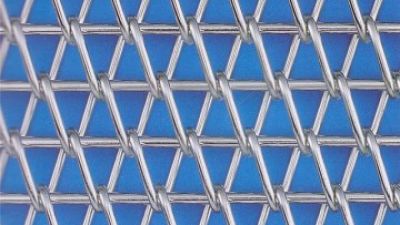
Consider the type of material used for the conveyor belt. Stainless steel options, such as SUS 304 and 316L conveyor belts, are excellent for wet or corrosive environments. They offer durability and resistance to rust, ensuring longevity. It's important to evaluate the weight capacity too. Ensure that the belt can handle the maximum load without excessive strain.
Test different belt configurations for flexibility and adaptability in your processes. The Eye-Flex belt showcases remarkable versatility, suitable for diverse applications. However, reflect on how each choice impacts maintenance and operational costs. Making the right choice can lead to cost savings and efficiency. Balance between quality and expense; sometimes, a cheaper option might offer hidden long-term costs.
How to Choose the Right Conveyor Belt for Your Business? - Assessing Your Business Needs and Application Requirements
| Application | Conveyor Belt Type | Material | Width (inches) | Load Capacity (lbs) | Speed (ft/min) |
| Food Processing | Modular Belt | Plastic | 24 | 200 | 120 |
| Manufacturing | Flat Belt | Rubber | 30 | 500 | 100 |
| Logistics | Roller Bed | Steel | 36 | 800 | 150 |
| Mining | Chevron Belt | Rubber | 48 | 1000 | 80 |
| Packaging | Timing Belt | PVC | 18 | 300 | 200 |
Evaluating Conveyor Belt Materials and Durability
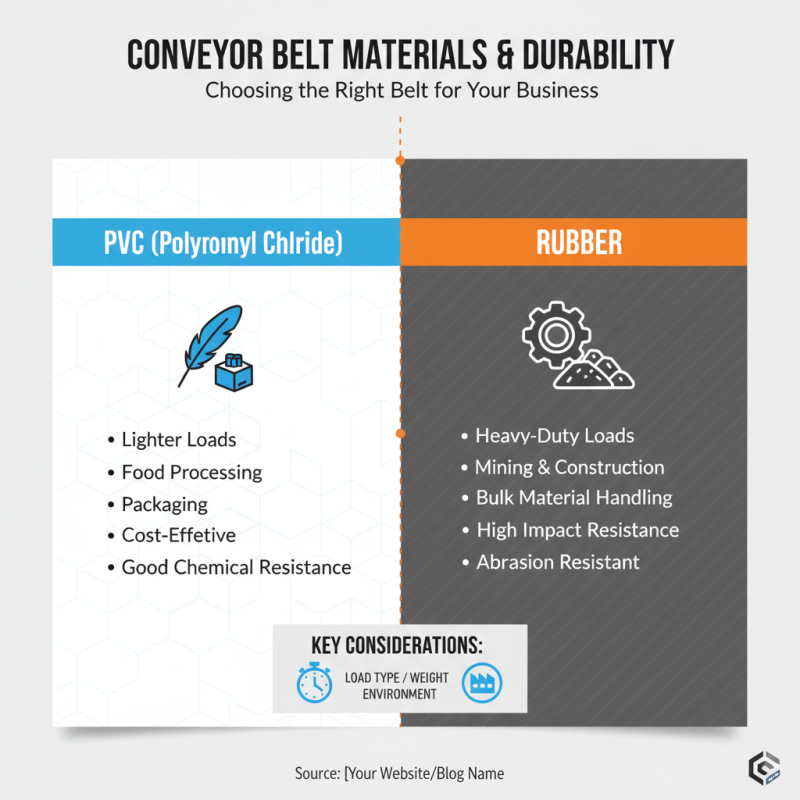
Selecting the right conveyor belt for your business hinges on understanding the materials and their durability. The construction of a conveyor belt significantly impacts its performance. For example, materials like PVC and rubber are common choices. PVC is ideal for lighter loads, while rubber excels under heavy-duty conditions.
According to industry reports, about 60% of conveyor belt failures stem from material fatigue. Recognizing how different materials respond to wear can guide better choices. A belt that endures abrasive environments, such as mining or manufacturing, must be durable. This durability can be quantified; a high-quality rubber conveyor belt can last up to five years longer than a standard option.
Environmental factors also play a role. Temperature fluctuations and exposure to chemicals affect the lifespan of a conveyor belt. Businesses in extreme conditions may need customized solutions. Regularly assessing your current equipment can reveal performance gaps. Not all facilities properly evaluate their conveyor systems. Understanding the specifics of Conveyor Belt Materials ensures better durability and long-term efficiency.
Considering Load Capacity and Weight Distribution
Choosing the right conveyor belt involves careful consideration of load capacity and weight distribution. Understanding these factors is crucial for efficient Material Handling in any business. According to the Conveyor Equipment Manufacturers Association (CEMA), approximately 60% of conveyor failures occur due to improper load handling.
Load capacity refers to the maximum weight a conveyor belt can sustain without failure. Each material has different weight characteristics, which can affect the system's performance. For instance, a report from the International Journal of Advanced Manufacturing Technology indicates that even an additional 10% in load can decrease a conveyor's lifespan significantly. This emphasizes the importance of accurate load calculations.
Weight distribution is equally vital. An unevenly distributed load can lead to excessive stress on certain belt areas, increasing wear and tear. Studies show that maintaining even weight distribution can enhance a conveyor system’s efficiency by up to 40%. It is essential to regularly assess how materials are loaded and distribute them evenly along the conveyor’s length. Small adjustments can yield significant improvements in both performance and longevity.
Analyzing Conveyor Belt Width and Length Specifications
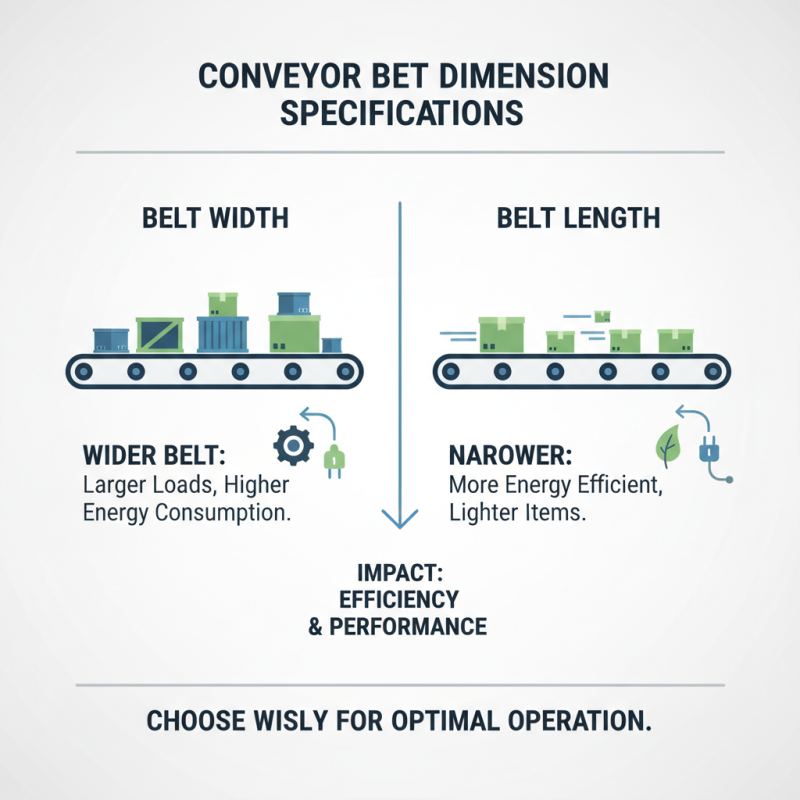
Choosing the right conveyor belt involves carefully considering its width and length. These dimensions significantly impact efficiency and performance. A wider belt can handle larger loads but may require more energy. Conversely, a narrow belt is more energy-efficient but may not support heavier items.
Length is equally crucial. An improperly sized belt can lead to breakdowns. Short belts may struggle to transport products, while overly long belts can create slack. This slack can cause misalignment, leading to wear and tear. Regular assessments can help monitor these issues.
Determining the correct specifications demands a thorough understanding of your specific needs. Analyze the types of materials you will be moving. Additionally, you'll need to evaluate the layout of your workspace. Sometimes, it can be challenging to balance width and length for optimal productivity. Always remember that slight adjustments might be necessary as your operations evolve.
Exploring Additional Features and Customization Options
When selecting a conveyor belt, customization options can make a significant difference. Many businesses often overlook these features, focusing solely on size and material. However, tailoring the belt to specific tasks can enhance efficiency. For example, adding cleats or sidewalls can prevent product spillage. Matching the belt's surface texture to the materials being transported also improves grip and minimizes slippage.
Exploring additional features is essential. Consider incorporating advanced functionalities such as heat resistance or anti-static properties. These can be crucial in specific industries. Furthermore, adjustable speeds allow for better process control. However, customization can be a double-edged sword. It's vital to assess whether the added complexity justifies the cost. Misjudging your needs may lead to over-engineering, straying from simplicity that often yields better outcomes.
Finding the right balance between customization and practicality requires thoughtful consideration. Engaging with industry experts can provide insights into current trends and innovations. This helps avoid decisions based solely on marketing hype. Ultimately, a well-thought-out conveyor belt solution should align with both operational needs and budget constraints, ensuring reliability and longevity.
Budgeting for Conveyor Belt Costs and Maintenance Considerations
Budgeting for conveyor belt costs requires careful consideration. First, understand the initial investment. Quality conveyor belts, such as Ss Conveyor Belt, vary in price. Choosing a more affordable option may save money upfront, but can lead to higher maintenance costs down the line. It's essential to balance quality and cost to avoid overspending later.
Maintenance is another key consideration. Regular checkups and timely repairs help extend the lifespan of your conveyor belt. However, maintenance costs can add up quickly. Be prepared for both scheduled and unexpected repairs. Consider these costs as part of your budget. A poorly maintained Ss Conveyor Belt can halt operations, leading to further losses.
Investing in staff training is also beneficial. Well-trained employees can identify issues early. They can perform routine maintenance and minor repairs. This proactive approach can reduce overall costs. Reflecting on these aspects early in the process can help ensure your investment in a conveyor belt pays off in the long run.
Exploring the Advantages and Applications of Rod Reinforced Belts in Modern Industries
Rod reinforced belts have emerged as a pivotal solution in modern industrial applications, demonstrating significant advantages in various sectors. Their robust design enhances durability and resistance to harsh conditions, making them particularly advantageous in industries such as mining, automotive, and food processing. For instance, mining-grade rod reinforced ore Transport Belts effectively handle heavy loads while minimizing wear and tear, thus prolonging operational efficiency.
Recent industry studies indicate that the use of high-temperature rod reinforced furnace belts, capable of withstanding temperatures up to 800°C, has significantly reduced downtime in metallurgical processes. These belts maintain structural integrity under extreme conditions, thus optimizing furnace operations and increasing overall yield. Similarly, anti-static rod reinforced belts utilized in automotive stamping processes enhance safety and performance by mitigating potential electrostatic discharges, which can disrupt production.
Furthermore, customizable pitch rod reinforced heavy-duty belts offer flexibility in adapting to specific operational requirements, catering to the diverse needs of various industries. The introduction of low-noise rod reinforced conveyors for precision assembly has also increased workplace comfort, contributing to improved productivity levels. Reports show that these advancements in conveyor technology not only enhance performance but also reduce maintenance intervals, leading to increased efficiency across numerous applications.
FAQS
: Load capacity is the maximum weight a conveyor can support without failing.
Uneven weight distribution can stress certain areas, increasing wear and lowering efficiency.
Even load distribution can enhance efficiency by up to 40%.
Customizations may include cleats, sidewalls, or specific surface textures for improved grip.
Over-engineering can lead to unnecessary complexity and higher costs.
Balance initial costs with potential maintenance expenses to avoid overspending later.
Routine checkups and timely repairs can significantly extend a conveyor's operational life.
Trained employees can spot issues early and handle basic repairs, saving costs.
Maintenance and unexpected repairs can accumulate, impacting the overall budget.
Engaging with experts can help align choices with operational needs and current trends.
Conclusion
Choosing the right conveyor belt for your business involves several critical considerations to ensure efficiency and effectiveness in operations. First, it's essential to understand the different types of conveyor belts available, as they vary in design, materials, and application suitability. Assessing your specific business needs, including application requirements, will help in selecting a belt that meets operational demands.
Furthermore, evaluating the materials and durability of conveyor belts is crucial, as this will influence lifespan and maintenance needs. Consideration of load capacity and weight distribution ensures that the belt can handle the required materials without compromising performance. Additionally, analyzing specifications like width and length, along with any desired features or customization, can enhance operational efficiency. Finally, budgeting for both the initial costs of the conveyor belt and ongoing maintenance is vital to ensure the investment aligns with your financial strategy.