You know, picking the right Steel Woven Belt is super important for getting the best durability and performance in industrial applications. At JIANGSU HUADA Metal Mesh Belt CO., LTD., we're actually one of China's top manufacturers for metal conveyor belts, and we really focus on creating high-quality Wire Mesh belts and chain-driven systems. Our production facilities areISO 9001 and CE certified, so you can bet our steel woven belts are built to handle the needs of all sorts of industries.
It’s pretty fascinating, but understanding the different types of steel woven belts and their uses can really make a difference in how efficiently your operations run and how long your equipment lasts. So in this blog, we’ll dive into how to choose the best steel woven belt for your needs. We’ll cover some key factors like material selection, load capacity, and even environmental considerations, so you’ll be well-equipped to make the right choice for your conveyor system.
Understanding the Definition and Material Composition of Steel Woven Belts
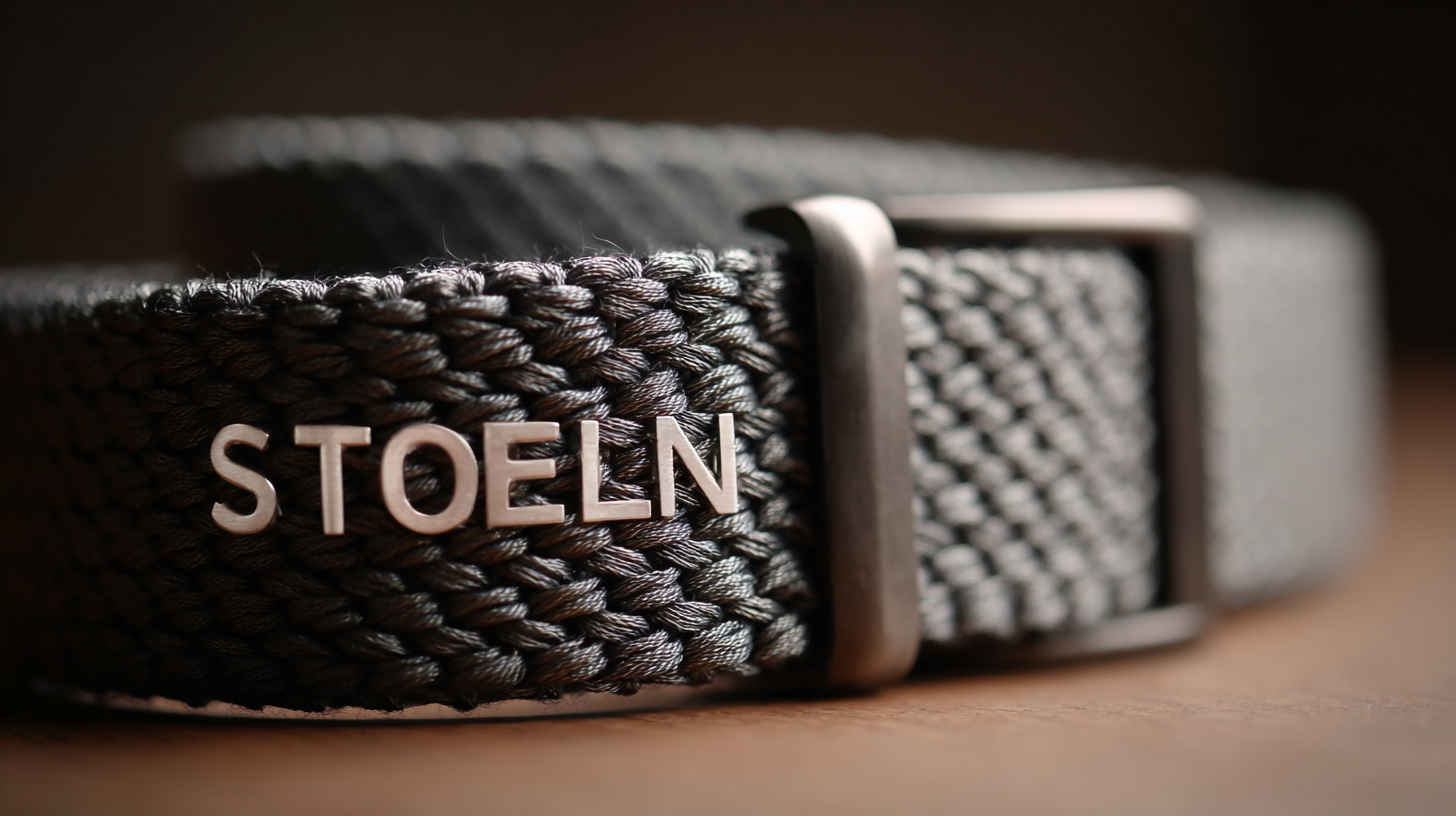
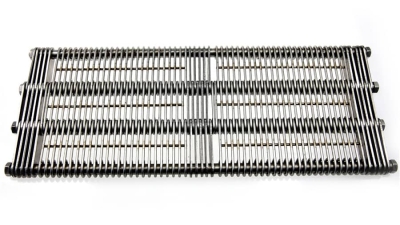
So, when you're looking at steel woven belts, it’s super important to really get what they are and what they’re made of. These belts are usually made from some high-tensile strength steel wires that are woven together. This weaving thing? It actually helps to evenly spread out the stress, which is why they work so well in tough jobs, like in manufacturing or mining. Pretty cool, right?
Recently, some industry reports pointed out that the steel grade you pick can really change the game for these belts. Take high-strength carbon steel, for instance—belts made from this stuff can handle loads that are up to 20% heavier than those made from regular steel, all while being the same diameter. It means they not only last longer but also save you money on maintenance, which everyone loves. Plus, if you throw in some coatings like zinc or other anti-corrosion treatments, you’re boosting these belts' durability even more, especially in places where moisture and chemicals are a thing. A market analysis from 2022 even showed that high-performance steel belts can last up to 30% longer than their uncoated friends. It really goes to show how choosing the right materials can make a huge difference in how long these belts work and how effectively they operate.
Comparison of Steel Woven Belt Material Composition and Durability
Evaluating Strength and Load Capacity: Key Metrics for Steel Woven Belts
So, when you're picking out a steel woven belt, it's super important to get a grip on its strength and load capacity. You really want to look at a few key factors like tensile strength, maximum load rating, and the overall quality of the material. Understanding tensile strength, for instance, is all about knowing how much stress the belt can handle without breaking. Generally, if the tensile strength is higher, you can expect better durability. And trust me, that matters a lot in places where heavy loads are the norm.
Then there’s load capacity, which is just another way of saying how much weight the belt can hold safely. This isn’t just a random number; it depends on how the belt is designed, what kind of steel they're using, and the weaving technique. If you go for a belt with a greater load capacity, it not only stands up better when things get tough, but it also keeps the risk of damage to a minimum. That means you're less likely to deal with hefty downtime and replacement costs. So, really, making sure that both the tensile strength and load capacity are up to par with what your operations need can make a world of difference in keeping things running smoothly, especially in those challenging conditions.
The Role of Weave Patterns in Enhancing Durability and Performance
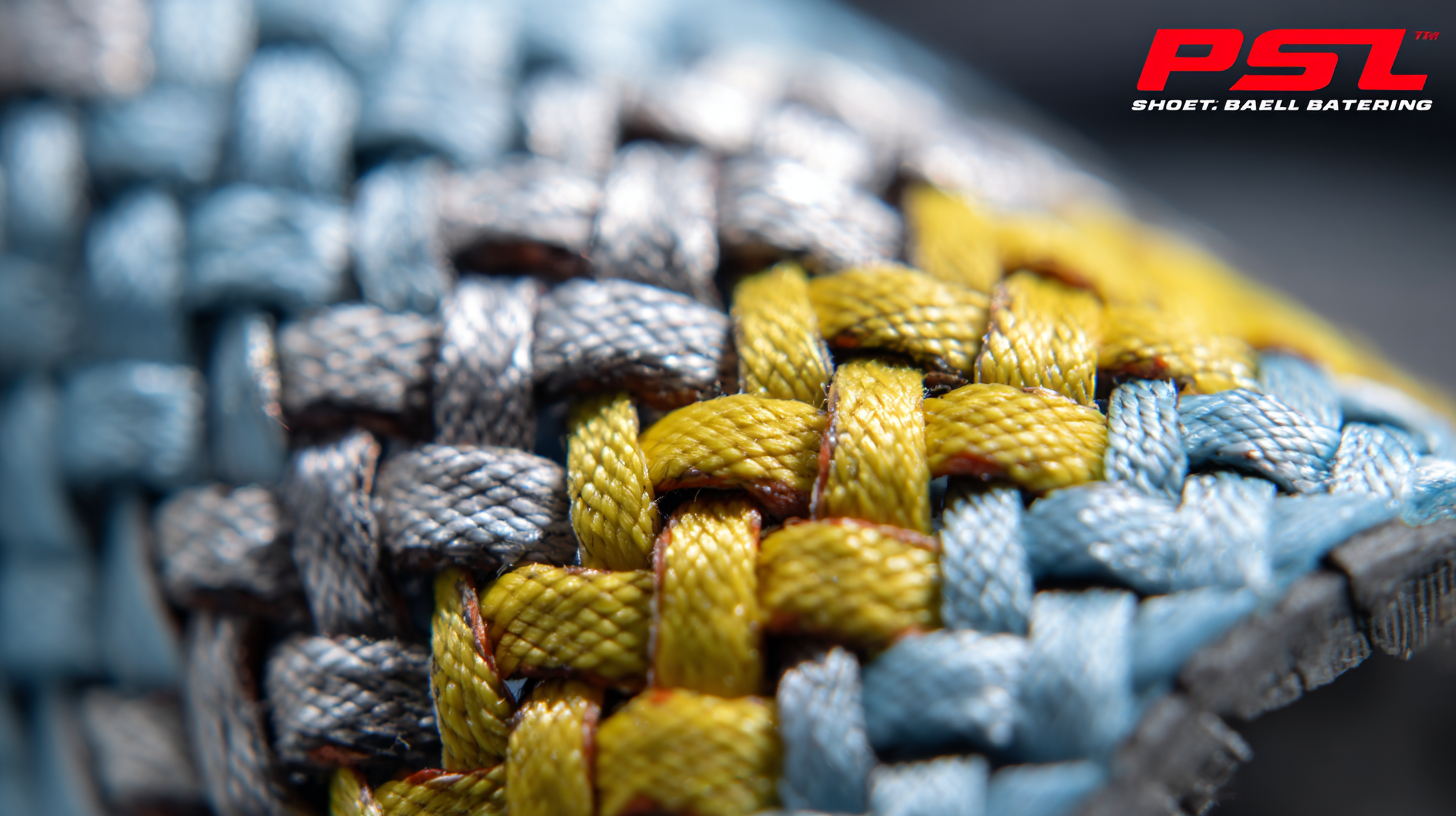
So, when you’re on the hunt for a top-notch steel woven belt, it’s really important to get your head around the weave patterns. They play a big role in how durable and effective the belt turns out to be. You know, recent studies have actually revealed that the way the fabric's woven can seriously affect its strength and how long it lasts. Take polyester, for example—research shows that different weaving styles, whether plain, twill, or satin, can really change its tensile strength and even how many microplastic fibers it sheds during laundry. This basically means that picking the right weave isn't just about toughness; it can also make a difference for the environment. Pretty cool, right?
But wait, there’s more! Innovations in composite materials are shedding light on how these weave patterns can boost performance even further. Some studies on woven carbon fiber-reinforced polymers have pointed out some pretty advanced wear mechanisms, and they really stress how intricate weaving techniques can help optimize strength. And check this out: findings from research on three-dimensional woven composites show that certain weave designs can actually enhance strength and resilience, which is super important for heavy-duty applications like machinery or safety gear. So, the long and short of it? Understanding these weave patterns isn’t just a nice-to-know—it’s key to making sure your steel woven belt performs reliably, over and over again.
Comparative Analysis of Steel Woven Belts vs. Other Belt Types
So, let’s talk about belts for a second. When you really dig into how durable and effective they are, steel woven belts really shine compared to other types like leather, rubber, and those synthetic materials. I mean, these steel woven belts are made from interlaced steel threads, which gives them an incredible strength-to-weight ratio. What that means is they’re not just tough as nails, but they also resist wear and tear like a champ. Perfect for heavy-duty work! On the flip side, leather belts can get wrecked by moisture over time, and rubber belts? Well, they don’t hold up so well under extreme conditions.
Now, if we’re talking performance, steel woven belts are a different breed. They really come into their own in high-tension situations where keeping that steady tension is key. Their rigidity and structural integrity help manage loads better, so they don’t stretch out, keeping everything running smoothly, especially in tough environments. Other belt types might struggle and end up slipping or need more maintenance, which no one wants. So, if you’re in an industry that really values reliability and a long lifespan, steel woven belts are definitely the way to go. They pretty much combine strength and functionality like no other belt can.
Maintenance Practices to Extend the Lifespan of Steel Woven Belts
You know, when it comes to keeping steel woven belts in good shape, using the right practices can really make a difference in how long they last. It’s super important to check them regularly; just keep an eye out for any signs of wear, fraying, or even rust. If you spot any issues, don’t wait too long to fix them. Taking care of those little problems early on can save you from bigger headaches down the road. Cleaning the belts is another key thing to do—make sure to use methods that won’t harm them. A soft brush or cloth works wonders for getting rid of debris without messing up the steel fibers.
And about storage, that’s crucial too! These belts should be tucked away in a dry, cool spot, totally out of direct sunlight and away from temperature extremes. Those conditions can really wear them down. When you’re not using them, try to hang them up or lay them flat. This way, you’ll avoid any kinks or bends that might compromise their structure.
Last but not least, don’t forget about lubrication! It’s super helpful for boosting the performance of your steel woven belts. A little bit of the right lubricant can really cut down on friction and help everything run smoothly while also reducing the chances of damage during use. Just remember to pick a lubricant that works well with steel to get the best results.
Industry Standards and Certifications for Quality Assurance in Steel Woven Belts
Hey there! If you're on the hunt for a steel woven belt, it's super important to get to grips with the industry standards and certifications. Seriously, that’s key to making sure you’re getting something durable and high-quality. For starters, the American National Standards Institute, or ANSI for short, has laid down some pretty specific guidelines for steel belts, especially when it comes to things like tensile strength and fatigue resistance. Just a fun fact: belts that have earned ANSI certification usually boast a tensile strength of over 100,000 psi. That makes them tough enough for heavy-duty jobs across various industries, like automotive and manufacturing.
Don’t forget about ISO certification either! When you see ISO 9001 on a product, it’s a good sign that the manufacturer sticks to a quality management system aimed at keeping the quality consistent and customers happy. In fact, a 2022 report from the Steel Belt Association points out that belts from manufacturers with ISO certification can see performance improvements of up to 30%! That’s thanks to their solid quality control processes. So, choosing steel woven belts that align with these industry standards really underscores the importance of reliability and longevity in their performance. It’s definitely worth paying attention to!
Exploring the Rise of Wire Ring Belts: Insights from the Global Fashion Accessories Market Report 2023
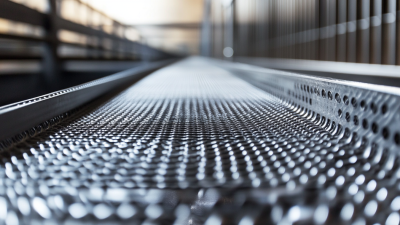
The global fashion accessories market is witnessing an exciting transformation with the rise of wire ring belts, particularly in sectors like beverage and brewery equipment. These innovative accessories are crafted from durable 316L stainless steel, ensuring not only resistance to corrosion but also seamless functionality in various applications. For instance, the high-pressure washdown wire ring conveyor system is engineered for rigorous cleaning processes, making it an essential component in maintaining hygiene standards in beverage production.
As manufacturers seek solutions to enhance efficiency, the CIP-ready beverage conveyor belt has emerged as a game-changer, earning EHEDG certification for its strict adherence to hygienic design principles. Additionally, custom-diameter wire ring belts are now available for specialized applications in spiral rinsers, catering to the diverse needs of the market. With options like food-grade wire ring mesh for can and bottle cleaning and low-maintenance wire ring belts, the industry is well-equipped to meet increasing demands for cleanliness and reliability, which are critical in food and beverage sectors.
The anti-corrosion properties of these wire ring belts make them ideal for brewery bottling lines, where high-performance and sanitation are non-negotiable. Furthermore, solutions like the quick-drain wire ring conveyor enhance efficiency in bottle drying processes, proving that these belts not only meet but exceed the functional expectations of modern manufacturing environments. As the popularity of wire ring belts continues to ascend, businesses can capitalize on these advancements to optimize their production lines, ensuring they remain competitive in the ever-evolving accessories market.
FAQS
: A steel woven belt is made from high-tensile strength steel wires that are woven together to create a robust and flexible structure suitable for high-load applications.
Steel woven belts are typically crafted from high-strength carbon steel, which may include coatings such as zinc or other anti-corrosion treatments to enhance durability.
The choice of steel grade significantly affects performance; for example, belts made from high-strength carbon steel can sustain loads up to 20% more than those made from standard steel.
Tensile strength indicates the maximum amount of stress a belt can withstand without failure, and higher tensile strength correlates with better durability, essential for heavy-load industries.
Load capacity refers to the maximum weight a belt can safely carry, influenced by the belt's design, steel quality, and weaving method.
The addition of coatings like zinc or anti-corrosion treatments can enhance the belts' durability, especially in moisture- and chemical-prone environments.
High-performance steel belts can show up to 30% increase in lifespan compared to non-coated belts, highlighting the importance of material selection.
Key metrics to consider include tensile strength, maximum load rating, material quality, and ensuring that they meet operational requirements for enhanced performance and reliability.
The design affects both the tensile strength and load capacity of the belt, directly impacting how well it performs under stress and its risk of damage.
The weaving method influences the distribution of stress across the belt, which is crucial for durability and performance in demanding applications.