Leave Your Message
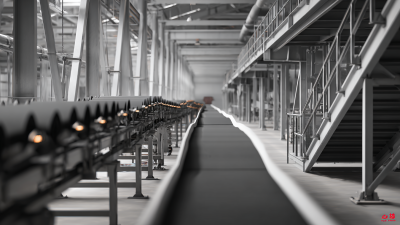
In today’s fast-moving world of manufacturing, staying efficient is pretty much essential if you want to keep up with the competition. One solution that’s been catching on across different industries is the Metal Conveyor Belt — and honestly, it’s a game-changer. Not only does it boost productivity, but it also makes the whole workflow smoother and more streamlined. Picking the right conveyor system can really make a difference in how smoothly things run, and Metal Conveyor Belts are top contenders because they’re tough, flexible, and reliable.
A lot of manufacturers are looking to cut down on downtime and improve the quality of their output — and bringing Metal Conveyor Belts into the mix has been a pretty smart move. These belts are built to handle all sorts of materials and tough conditions, making them perfect for many manufacturing setups. Whether you’re in food processing, packaging, or heavy-duty tasks, understanding what makes these belts tick can really help you boost efficiency and cut costs.
In this article, I’ll walk you through how to get the most out of Metal Conveyor Belts in your operations — from specs and uses to the key things that help them perform better. Jumping on this tech bandwagon, companies like QuickMove Solutions are raising the bar for manufacturing and shaping a more productive future — it’s pretty exciting stuff.
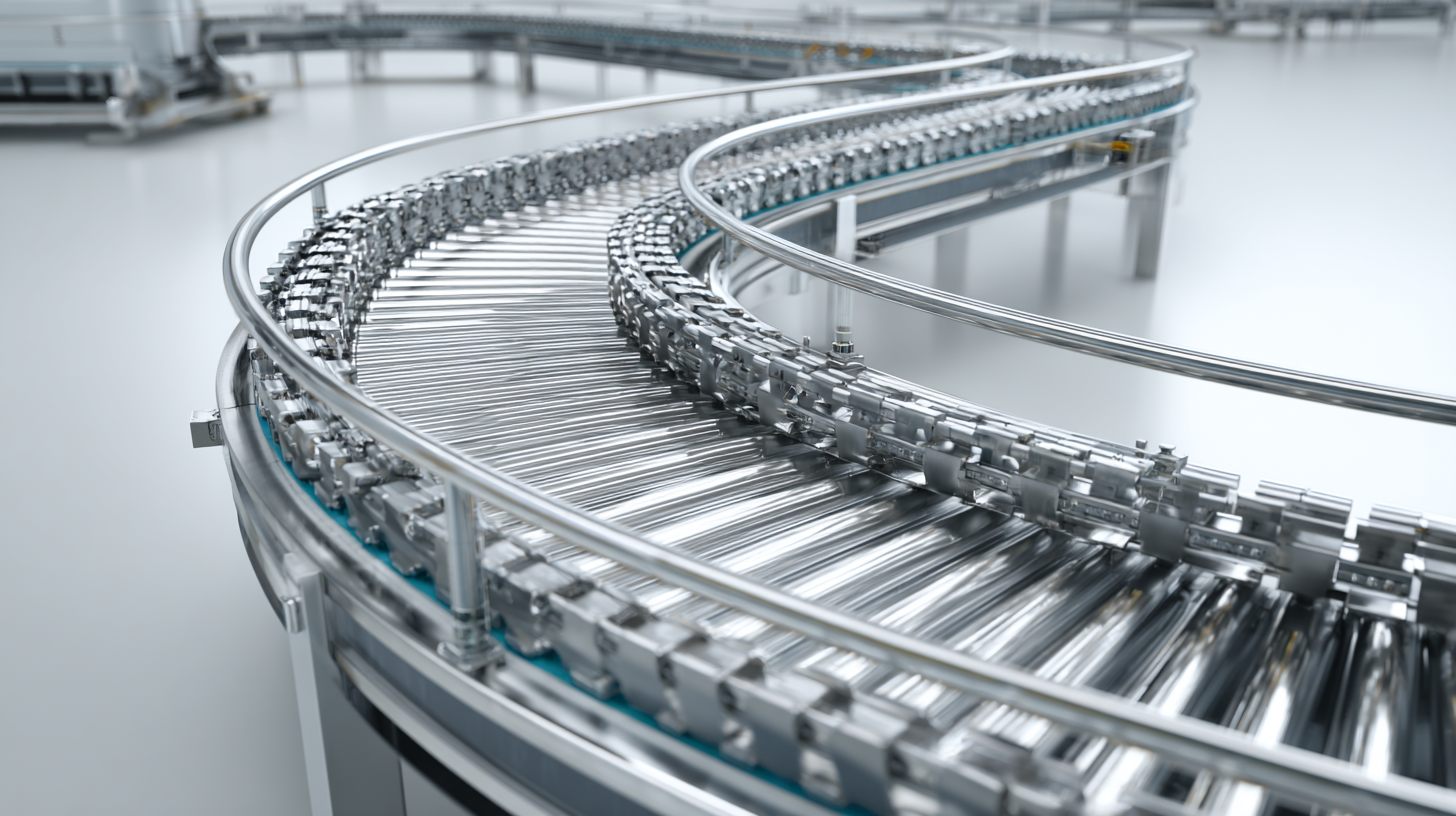
Metal conveyor belts are increasingly becoming the preferred choice in manufacturing settings, especially when compared to traditional options like rubber or plastic belts. According to a report from Grand View Research, the global conveyor systems market is expected to reach $9.2 billion by 2025, with metal conveyor belts playing a significant role in this growth. These belts offer superior durability and heat resistance, making them ideal for high-temperature applications where conventional belts may fail. For instance, Metal Belts can operate efficiently in environments exceeding 1,000°F, which is a critical advantage for manufacturing processes involving ovens or heating elements.
Moreover, metal conveyor belts provide enhanced hygiene and ease of cleaning, particularly vital in food processing and pharmaceutical industries. The Food and Drug Administration (FDA) mandates strict compliance with sanitation regulations, and metal belts can be designed to meet these standards more easily than traditional materials. A study conducted by the Processing Magazine highlights that facilities using metal belts reported a 30% reduction in cleaning time, allowing for improved production schedules and reduced downtime. These attributes not only streamline manufacturing processes but also contribute to overall productivity and efficiency in the production line.
| Dimension | Metal Conveyor Belt | Traditional Conveyor Belt | Advantages of Metal |
|---|---|---|---|
| Material Durability | High durability, resistant to wear and tear | Less durable, prone to damage over time | Longer lifespan and lower replacement costs |
| Temperature Resistance | Can operate in extreme temperatures | Limited temperature resistance | Suitable for heat-sensitive applications |
| Maintenance | Low maintenance requirements | Higher maintenance needs | Reduced downtime and labor costs |
| Flexibility | Can be customized for different applications | Limited customization options | Improved adaptability for various manufacturing processes |
| Weight Capacity | High weight capacity | Lower weight capacity | Ability to handle heavier loads efficiently |
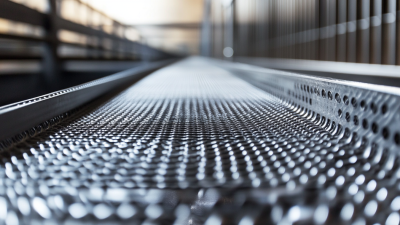
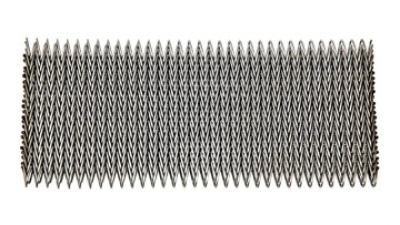
When it comes to selecting the perfect compound balance weave belt for various applications, the choices can seem overwhelming. Each type of belt offers distinct advantages tailored to specific environments, from heavy-duty settings in industrial manufacturing to food processing facilities requiring strict sanitary standards. The ultimate guide to choosing and styling these belts emphasizes the importance of understanding your unique needs, particularly in the context of industry standards and performance requirements.
For instance, the Heavy-Duty Cross-Rod Compound Weave Belt is designed for robust applications, capable of withstanding significant wear and tear in harsh environments. This belt is suitable for industries such as mining, where abrasion resistance is paramount. On the other hand, the Food-Grade Compound Weave Belt adheres to FDA and EHEDG regulations, ensuring that food safety is not compromised. Reports from the Conveyor Equipment Manufacturers Association highlight that implementing the right type of belt can lead to efficiency improvements of up to 30% in processing lines when matched correctly to application requirements.
Another noteworthy option is the High-Temperature Compound Balance Weave Mesh, which can endure temperatures up to 800°C, making it ideal for sectors like automotive stamping. The adaptability of these belts extends to applications requiring anti-static properties or corrosion resistance, such as in electronics and chemical processing. As a result, selecting the right compound balance weave belt not only enhances productivity but also aligns with safety and regulatory compliance, ensuring that operations run smoothly across various applications.
: Metal conveyor belts can increase operational efficiency by up to 30%, enhancing production speed and significantly reducing cycle times.
They work seamlessly with robotics and automated systems, contributing to better material handling and production workflows, which reduces production delays.
Innovations include modular designs that allow easy customization and repair, as well as the use of advanced materials that improve strength and resistance to wear.
Modular designs allow for easy configuration to meet specific production needs and reduce the need for extensive overhauls and maintenance.
Advanced materials improve the strength and durability of belts, allowing them to handle heavier loads and harsh environments, thus lowering operational costs.
A mid-sized automotive parts manufacturer saw a 25% increase in throughput and a 15% reduction in maintenance costs after switching to metal conveyor systems.
A leading snack manufacturer saw a 30% decrease in product loss and improved cleaning efficiency by over 40% after integrating metal conveyor belts into their production lines.
They provide consistent performance over time, leading to less frequent replacements, lower maintenance needs, and overall cost savings.
They optimize production lines, enhance product quality, and contribute to significant operational efficiency improvements across various sectors.
Metal Conveyor Belts offer significant advantages over traditional conveyor options, making them an essential choice for enhancing manufacturing efficiency. Their durability and longer lifespan contribute to reduced downtime and maintenance costs, essential for production speed and cycle times, especially looking ahead to 2025. With innovations in design and functionality, metal conveyor belts are becoming increasingly adept at handling demanding operational environments.
Key industry statistics support the trend towards metal conveyor belts, showcasing their resilience in various manufacturing processes. Case studies highlight real-world successes, demonstrating how businesses have transformed their operations by integrating metal conveyor belts. As a leading manufacturer, JIANGSU HUADA METAL MESH BELT CO., LTD. supplies precision-engineered solutions that are ISO 9001 and CE certified, ensuring quality and reliability for industries worldwide.