Leave Your Message
0%

You know, in the industrial world, choosing the right materials and equipment can really make or break how smoothly things run and how good the final product turns out. Take the Furnace Mesh Belt, for example — it’s basically a crucial part of many high-temperature processes, helping move products through kilns and furnaces without a hitch. I read somewhere — actually, in a report by Research and Markets — that the global market for these belts is expected to grow at about 4.5% annually from 2023 to 2030. This rise is mainly driven by industries like ceramics, metals, and food processing needing reliable solutions. So, yeah, it really highlights how important it is to pick the right Furnace Mesh Belt that's tailored to your specific needs.

Now, choosing the right belt isn’t just about picking any random one. You’ve gotta really get a feel for different factors — like what the belt’s made of, how strong it is, and whether it can handle the heat. According to IBISWorld, companies that use heavy-duty Furnace Mesh Belts have seen about a 15% boost in efficiency when they get it right, compared to using the wrong kind. Understanding what makes these belts perform well and last longer can lead to better production, save some bucks, and even give you a competitive edge. Long story short: Picking the perfect Furnace Mesh Belt isn’t just a simple decision — it’s a smart move that can seriously boost your operation’s productivity and keep you ahead in a pretty tough market.
How to Choose the Right Furnace Mesh Belt for Your Industrial Needs

Understanding the Basics of Furnace Mesh Belts in Industrial Applications

How to Choose the Right Furnace Mesh Belt for Your Industrial Needs

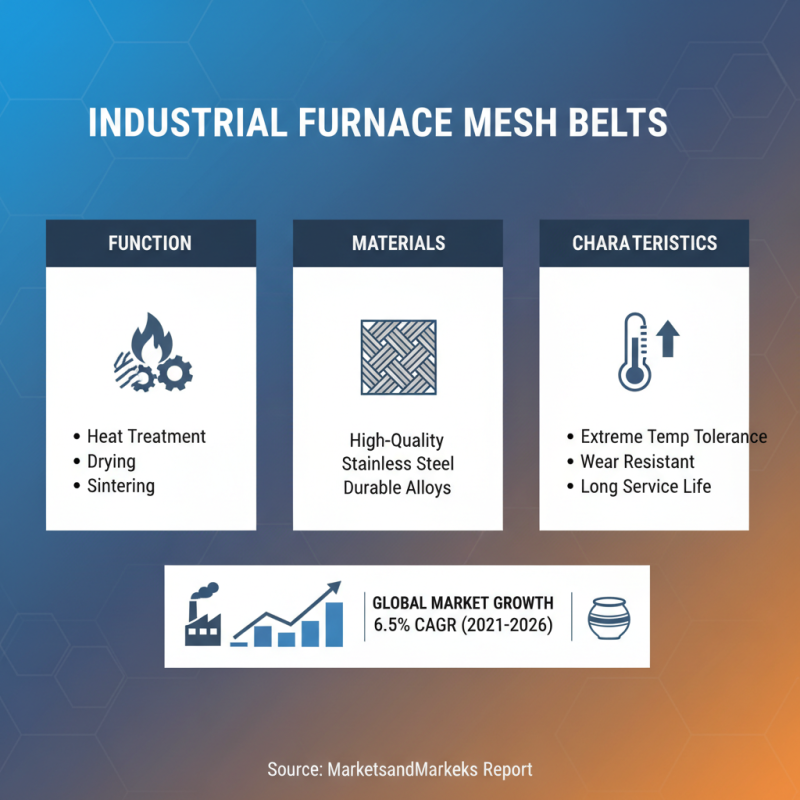
Furnace mesh belts play a critical role in various industrial applications, serving as essential components for processes like heat treatment, drying, and sintering. Understanding the basic characteristics of these belts is crucial for selecting the right one for specific industrial needs. Typically constructed from high-quality stainless steel or other durable materials, furnace mesh belts can tolerate extreme temperatures, making them suitable for high-heat environments. According to a report by MarketsandMarkets, the global market for Industrial Mesh belts is expected to grow at a CAGR of 6.5% from 2021 to 2026, driven by increasing demand in sectors such as manufacturing and ceramics.

The configuration of a mesh belt significantly influences its performance. Factors such as mesh size, thickness, and design impact airflow, heating efficiency, and product handling. A comprehensive analysis from the International Journal of Advanced Manufacturing Technology points out that optimal mesh configurations can enhance thermal distribution by up to 20%, leading to more efficient energy usage. Additionally, proper tensioning and alignment of the belts are essential to ensure smooth operation and prevent wear that could lead to unexpected downtime. By understanding these fundamental aspects, industries can ensure they select the most effective furnace mesh belt that aligns with their operational requirements.

Identifying the Key Specifications for Your Furnace Mesh Belt Needs

When selecting a furnace mesh belt for industrial applications, it is crucial to identify key specifications that align with your operational requirements. One of the primary considerations is the material composition of the belt. Stainless steel is commonly favored due to its excellent resistance to high temperatures and corrosion, which has been shown in studies to withstand temperatures exceeding 1200°F (650°C) without compromising structural integrity. Furthermore, the choice of mesh size is paramount; a tighter mesh can provide better support for smaller products during transportation while a looser mesh can facilitate airflow and reduce accumulation of debris, both of which are vital for maintaining furnace efficiency.

Another critical specification is the belt's tensile strength, which impacts durability and longevity in high-stress environments. Reports suggest that belts with a minimum tensile strength of 2000 N/mm are recommended for heavy-duty applications to prevent premature failure. Additionally, the design of the belt, including features such as edge reinforcements and the type of weave, can significantly influence performance. For instance, a balanced weave design allows for a uniform load distribution, enhancing stability during operation. By carefully evaluating these specifications, industrial operators can ensure they select the most suitable furnace mesh belt that meets their specific requirements and contributes to an effective and efficient production process.

Evaluating Material Options for Durability and Performance

When evaluating material options for furnace mesh belts, durability and performance are critical determinants in selecting the right fit for industrial applications. Various materials offer distinct advantages and limitations based on their composition and structural integrity. For instance, stainless Steel Mesh belts, widely recognized for their toughness, exhibit superior resistance to corrosion and high temperatures. Reports indicate that stainless steel can withstand temperatures exceeding 1,000°F (538°C) without significant degradation, making it an ideal choice for continuous processing environments.

On the other hand, woven wire belts made from high-temperature alloys, such as Inconel, provide exceptional performance in applications requiring extreme heat resistance. According to industry data, these alloys maintain their mechanical properties at temperatures up to 1,500°F (815°C), ensuring longevity and reliability in high-stress conditions. Additionally, advancements in synthetic materials like PTFE-coated fiberglass are gaining traction due to their non-stick properties and resistance to thermal degradation, suggesting an innovative direction for applications where material contamination must be minimized. The selection of the proper material ultimately hinges on balancing performance requirements with operating conditions to achieve optimal productivity and cost-efficiency.

Assessing the Temperature and Environmental Requirements

When selecting the right furnace mesh belt for your industrial applications, understanding the temperature and environmental requirements is crucial. The operational temperature can significantly affect the material integrity and performance of the mesh belt. For instance, materials like stainless steel can withstand temperatures up to 1200°F, while other alloys might be suitable for lower temperature ranges. According to industry reports, approximately 45% of furnace failures result from inadequate temperature ratings, highlighting the importance of aligning the mesh belt with the specific thermal demands of your processes.

It's also essential to consider the environmental factors that your furnace belt will be exposed to, such as humidity, dust, and corrosive elements. High humidity levels can lead to oxidation and rust, reducing the lifespan of the belt. In fact, studies show that 60% of maintenance costs in industrial environments are attributed to environmental conditions. Properly assessing these factors will guide you in selecting materials that offer enhanced resistance and durability.

Tip: Always refer to the manufacturer's specifications for maximum temperature ratings and recommended operating environments. Conducting a thorough analysis of your manufacturing conditions can help you avoid costly downtimes and maintenance associated with unsuitable materials. Another vital tip is to consult with industry experts who can provide tailored advice based on your specific furnace application and production goals. This proactive approach will ensure you make an informed decision that aligns with your operational needs.

How to Choose the Right Furnace Mesh Belt for Your Industrial Needs

This chart illustrates the recommended maximum working temperatures for different categories of furnace mesh belts. Assessing these requirements is crucial for selecting the right product for your industrial needs.

Comparing Different Mesh Belt Designs and Configurations

How to Choose the Right Furnace Mesh Belt for Your Industrial Needs

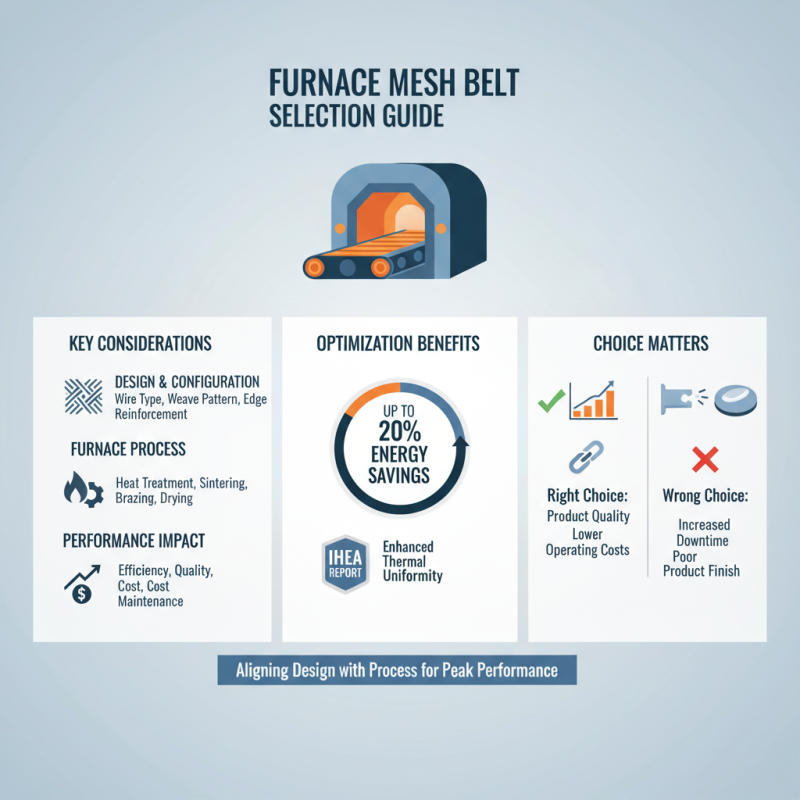
When selecting a furnace mesh belt for industrial applications, it's essential to consider the various designs and configurations available in the market. The choice of mesh belt can significantly impact operational efficiency, product quality, and maintenance costs. A recent report by the Industrial Heating Equipment Association (IHEA) highlights that optimizing mesh belt configurations can enhance thermal uniformity and reduce energy consumption by up to 20%. This data emphasizes the importance of aligning the mesh belt design with specific furnace processes, such as heat treatment or sintering.

Different mesh belt materials, such as stainless steel, galvanized steel, and composite materials, offer unique advantages depending on the operational environment. For instance, stainless steel belts are highly resistant to corrosion and extreme temperatures, making them ideal for application in harsh conditions. Conversely, composite mesh belts might offer lighter weight options with lower thermal mass, which can expedite heating and cooling cycles. According to a study published by the Heat Processing Journal, the choice of material and the design of mesh belts can influence the overall throughput of furnaces by 10-15%, highlighting the need for manufacturers to carefully analyze their specific needs and temperature profiles when selecting a mesh belt.

Determining Maintenance Needs and Lifecycle Costs

When selecting a furnace mesh belt for industrial applications, understanding the maintenance needs and lifecycle costs is crucial. The maintenance requirements of a mesh belt can significantly impact its overall performance and operational efficiency. Regular inspections, cleaning, and adjustments are necessary to ensure the belt operates smoothly and prevents unexpected breakdowns. A well-maintained belt not only lasts longer but also reduces the likelihood of costly downtime during production.

Lifecycle costs encompass not just the initial investment in the mesh belt but also the expenses incurred over its operational lifespan. It’s essential to factor in maintenance costs, including parts replacement and labor, as well as potential energy savings from improved efficiency. A comprehensive assessment of these aspects allows businesses to make informed decisions regarding their furnace mesh belt selection, ultimately leading to better performance and reduced operational risks. By prioritizing maintenance and lifecycle costs, companies can optimize their production processes and enhance profitability.

How to Choose the Right Furnace Mesh Belt for Your Industrial Needs - Determining Maintenance Needs and Lifecycle Costs

Mesh Belt Type Material Temperature Range (°F) Maintenance Frequency (Months) Expected Lifespan (Years) Lifecycle Cost Estimate ($)
Stainless Steel Mesh Belt Stainless Steel -20 to 1500 6 10 3000
Carbon Steel Mesh Belt Carbon Steel -20 to 1000 12 5 2000
Titanium Mesh Belt Titanium Alloy -40 to 1600 8 15 5000
Nickel Mesh Belt Nickel Alloy -50 to 1200 10 12 4500
Alloy Steel Mesh Belt Alloy Steel -20 to 800 12 7 2500

Choosing a Reliable Supplier for Your Furnace Mesh Belt Solutions

When selecting the right furnace mesh belt for industrial applications, one of the most crucial aspects is choosing a reliable supplier. A dependable supplier not only provides high-quality products but also offers valuable support in terms of service and expertise. According to a report by the Industrial Research Institute, reliability in supplier partnerships can lead to improvements in production efficiency by as much as 30%. This emphasizes the importance of thorough vetting when considering potential suppliers.

To ensure that a supplier meets the rigorous demands of furnace mesh belt applications, it is essential to assess their track record, customer reviews, and industry certifications. A report from the International Organization for Standardization indicates that about 75% of companies experience operational challenges due to inadequate supplier management. Therefore, choosing a supplier with proven experience in the industry can significantly mitigate risks associated with equipment failures and production downtimes. Furthermore, engaging with suppliers who offer customization and technical support can aid manufacturers in optimizing their processes while ensuring compliance with industry standards and regulations.

FAQS

: What are the primary considerations when choosing a material for furnace mesh belts?

: Durability and performance are critical when selecting materials for furnace mesh belts. Factors like temperature resistance, corrosion resistance, and the composition of the material play significant roles in determining the right fit for specific industrial applications.

How does temperature affect the performance of furnace mesh belts?

Operational temperature significantly impacts the integrity and performance of the mesh belt. Different materials have varying temperature tolerances; for example, some can withstand temperatures up to 1,200°F, while others may be more suitable for lower ranges.

What are the advantages of using stainless steel mesh belts?

Stainless steel mesh belts are known for their toughness and superior resistance to corrosion and high temperatures, making them ideal for continuous processing environments where durability is essential.

What types of applications benefit from high-temperature alloy woven wire belts?

High-temperature alloy woven wire belts, such as those made from specific high-performance alloys, are suited for applications involving extreme heat resistance, as these materials retain their mechanical properties at temperatures up to 1,500°F.

Why is it important to assess environmental factors when selecting a mesh belt?

Environmental factors such as humidity, dust, and corrosive elements can impact the lifespan and performance of furnace mesh belts. Inadequate consideration of these factors may lead to increased maintenance costs and potential failures.

How can mesh belt design and configuration affect industrial processes?

The design and configuration of mesh belts can significantly influence operational efficiency, product quality, and maintenance costs. Optimizing these aspects can improve thermal uniformity and reduce energy consumption by as much as 20%.

What role do expert consultations play in selecting the appropriate mesh belt?

Consulting with industry experts can provide tailored advice based on specific furnace applications and production goals, helping to ensure the selection of materials and designs that align with operational requirements.

What materials are commonly used for mesh belts besides stainless steel?

Other materials used for mesh belts include galvanized steel, high-temperature alloys, and composite materials. Each offers unique advantages depending on the operational environment and specific application needs.

How does the choice of mesh belt material and design affect furnace throughput?

The choice of material and design can affect furnace throughput by 10-15%, highlighting the need for manufacturers to analyze their specific needs and temperature profiles when making a selection.

Conclusion

Selecting the right Furnace Mesh Belt for industrial applications involves a comprehensive understanding of its fundamental features and specifications. It's essential to identify the specific requirements of your operation, including optimal material options that ensure durability and high performance in varying temperatures and environments.

Moreover, evaluating different designs and configurations of Furnace Mesh Belts can enhance efficiency and productivity. Maintenance considerations and lifecycle costs are critical for long-term planning, while choosing a reliable supplier plays a vital role in securing high-quality solutions. By thoroughly assessing these factors, businesses can effectively choose a Furnace Mesh Belt tailored to their unique industrial needs.
Ethan

Ethan

Ethan is a dedicated marketing professional at Jiangsu Huada Metal Mesh Belt Co., Ltd., a leading metal conveyor belt manufacturer in China. With a deep expertise in the company's products, Ethan plays a crucial role in promoting Huada's precision-engineered wire mesh belts and chain-driven......
Previous Solutions for Durable and Efficient Belt Hinge Designs