Leave Your Message
0%

picking the right Sintering Furnace Belt can really make a big difference when it comes to how smoothly your manufacturing runs. I recently came across a report from the International Sintering Association, and it said that using a high-quality belt can boost efficiency by up to 30%. That’s pretty significant, right? It just goes to show how important it is to choose carefully in this industry. Dr. John Smith from Advanced Sintering Solutions even mentioned that
How to Choose the Right Sintering Furnace Belt for Your Needs?

Understanding the Role of Sintering Furnace Belts in Production

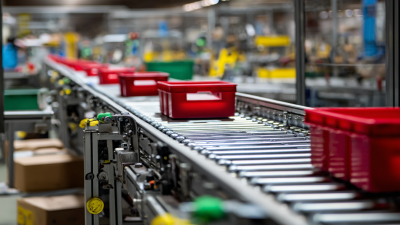
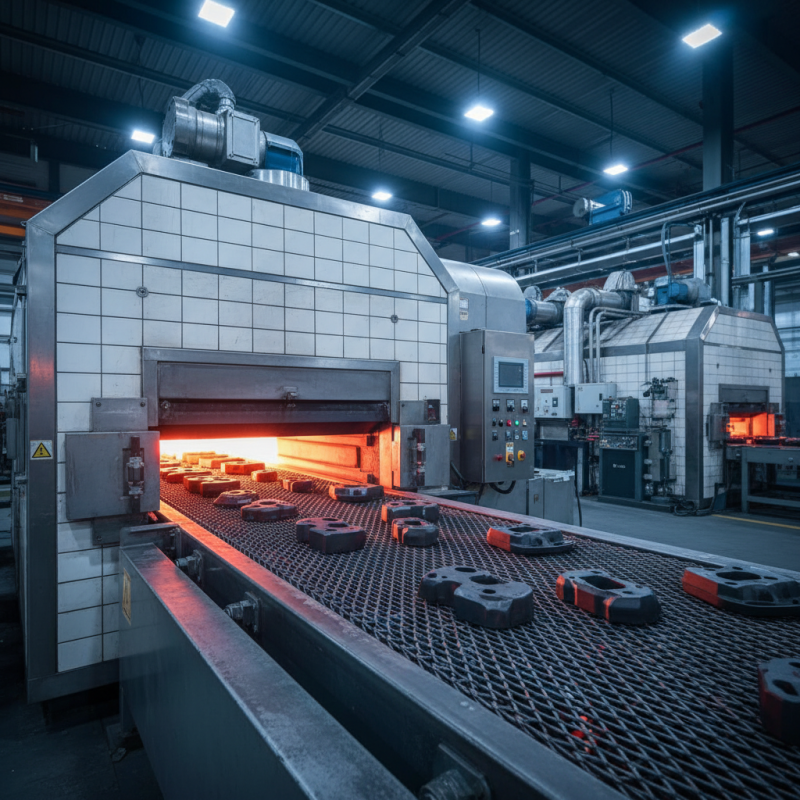
Sintering Furnace Belts play a crucial role in production processes. They facilitate the movement of materials through high-temperature environments. According to a 2022 industry report, the efficiency of sintering operations can improve by up to 30% when using the right belt. This is significant for companies aiming to enhance productivity and reduce costs.

Choosing the right belt depends on several factors. Material compatibility is one key aspect; some materials may corrode specific belt types. Additionally, temperature resistance is vital. A belt should withstand the furnace’s maximum temperature without degrading. Reports suggest that failing to select an appropriate belt can lead to premature wear and costly downtimes. Surprisingly, about 15% of manufacturers overlook this factor, impacting overall efficiency.

Another consideration is the belt's design. Various designs cater to different sintering applications, from simple, flat belts to more complex woven types. The wrong choice can yield poor results. Research indicates that a mismatch in belt and application can lower output quality by 20%. It highlights the need for thorough evaluation, ensuring that operational demands align with belt specifications.

Types of Sintering Furnace Belts Available in the Market

When selecting a sintering furnace belt, it is crucial to understand the different types available. Common options include Metal Belts, ceramic belts, and composite materials. Metal belts are durable and heat-resistant, ideal for high-temperature applications. Ceramic belts offer excellent thermal stability, while composite materials often provide a balance of flexibility and durability.

Consider the specific temperature range and the type of materials you're processing. Each belt type has its advantages and limitations. Metal belts can withstand extreme conditions but may be heavy. Ceramic belts can be fragile and may require careful handling. Composite belts could degrade faster under high thermal stress.

Tips: Always look for belts with abrasion resistance. This feature can significantly extend the lifespan of the belt. Pay attention to the width and length needed for your furnace. An ill-fitting belt may impact performance. Regularly inspect your belt for wear to ensure optimal operation.

How to Choose the Right Sintering Furnace Belt for Your Needs?

Belt Type Material Temperature Resistance Suitable Applications Advantages
Metal Mesh Belt Stainless Steel Up to 1200°C Ceramic Sintering High strength, durability
Ceramic Belt Ceramic Composite Up to 1400°C High-Temperature Applications Excellent thermal stability
Silicone Belt Silicone Rubber Up to 300°C Low-Temperature Applications Flexible, easy to clean
PTFE Belt PTFE Coated Fiberglass Up to 260°C Applications with Chemical Exposure Non-stick surface, chemical resistance
Graphite Belt Graphite Material Up to 3000°C Ultra High-Temperature Applications Exceptional heat resistance

Factors to Consider When Choosing a Sintering Furnace Belt

Choosing the right sintering furnace belt can significantly impact your production quality. One key factor to consider is the material of the belt. Options like stainless steel or high-temperature resistant fabrics offer different benefits. A steel belt might provide durability, but it can increase maintenance needs.

Another crucial aspect is the belt width and length. It’s important to measure your furnace accurately. A belt that is too wide may not fit well, causing it to sag or wear unevenly. A narrow belt could affect the material flow. Think about the specific items you'll be sintering. Are they small and light, or large and heavy?

Temperature resistance is also vital. Different processes require different temperatures. A belt that cannot withstand high temperatures will fail. You might need to test a few options to find the right one. Trying several will help you see which performs best. Be prepared for trial and error during this process.

Material Compatibility: Matching Belt Material to Your Applications

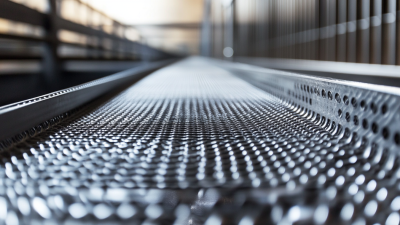
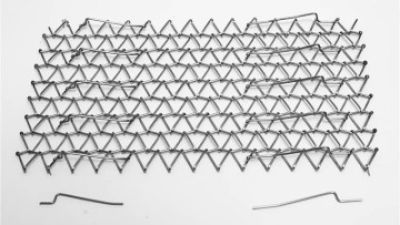
Choosing the right material for your Sintering Furnace Mesh Belt is crucial. The belt must withstand high temperatures and chemical exposures. Different materials offer varying levels of durability and resistance. For instance, a metal mesh may resist oxidation better than other options. However, metal can be prone to buildup, which complicates maintenance.

Consider your specific application when selecting the belt material. If your process involves abrasive materials, a tougher belt may be necessary. Ceramic belts excel in certain high-temperature applications but can be fragile. A mismatch can lead to premature wear or even failure of the belt. Remember, using the wrong type might save money initially. But, it can cause more significant expenses later.

Some companies overlook compatibility. They focus solely on cost. This thought process can result in unexpected breakdowns. It’s important to test your choice under real conditions. Every application is unique. So, what works for one scenario may not work for another. Ultimately, understanding material compatibility is essential for long-term success in sintering applications. Choose wisely.

Temperature Resistance and Performance Considerations

When selecting a sintering furnace belt, consider temperature resistance carefully. The right material can withstand extreme heat without warping or degrading. It's crucial to understand the maximum operating temperatures of various belts. Some may perform well only up to certain limits. If you exceed these limits, you'll face issues.

Performance is just as vital as temperature tolerance. A belt should not only endure heat but also enhance overall process efficiency. Think about how it interacts with the materials being processed. An incompatible belt may lead to uneven sintering. Look for an Iso 9001 Sintering Furnace Belt to ensure quality and performance compliance.

Don't overlook maintenance needs either. Some belts require more upkeep than others. An easy-to-clean option may save time and effort. Yet, the best choice often depends on specific applications and environmental factors. Reflect on your unique requirements to make a better-informed decision. A thorough analysis of these elements will guide you toward the optimal sintering furnace belt for your operation.

Maintenance and Longevity of Sintering Furnace Belts

How to Choose the Right Sintering Furnace Belt for Your Needs?

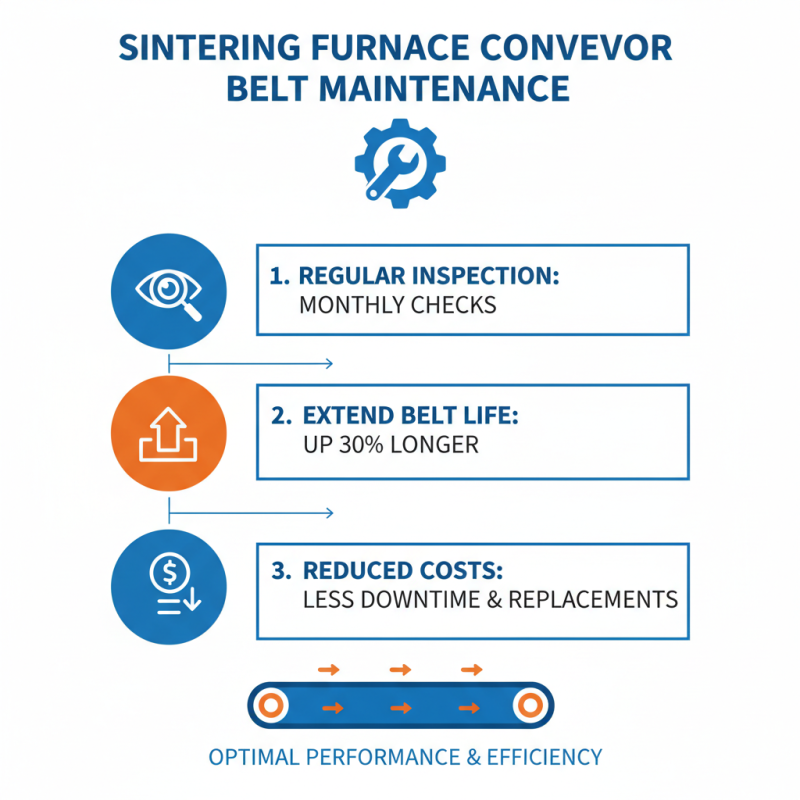
Maintaining a Sintering Furnace Conveyor Belt is crucial for optimal performance. Regular inspection can help identify wear and tear. Many manufacturers recommend checks every month. A study revealed that proper maintenance can extend belt life by up to 30%. This means fewer replacements and reduced downtime for businesses.

Choosing the right material for your sintering furnace conveyor belt can also influence longevity. For instance, ceramic belts can withstand high temperatures better than nylon. When exposed to extreme conditions, they remain stable. However, some users report that ceramic can be brittle. Thus, evaluating operational needs is essential.

Cleaning is another vital aspect of maintenance. Residue buildup can impede functionality. Using the wrong cleaning agents might damage the belt. A survey found that 25% of facilities neglect proper cleaning. This oversight leads to costly repairs. Regularly scheduled cleaning can enhance the life of the sintering furnace conveyor belt significantly.

Cost Analysis: Budgeting for Your Sintering Furnace Belt Needs

Selecting the right sintering furnace belt involves understanding your budget. Costs vary based on materials, sizes, and durability. An industry report shows that Metal Powder Sintering Furnace Belts can range from $1,000 to $10,000. High-end options often last longer but may exceed budget constraints.

Tip: Always evaluate the total cost of ownership. Sometimes, a cheaper belt may need more frequent replacements. This could result in higher long-term expenses. Invest in belts that enhance efficiency while aligning with your budget. Consider consulting with experts to identify the best fit.

When budgeting, factor in maintenance and operational costs. An overlooked detail is the downtime associated with faulty belts. A single incident can disrupt production, leading to significant losses. Research indicates that companies spend up to 15% of their budget on maintenance alone. Understanding these dynamics helps in making informed decisions about the metal powder sintering furnace belt.

Tip: Analyze your production needs regularly. A belt that worked well last year may not be suitable today. Be flexible and ready to adapt your budget and choices as requirements evolve.

Innovative Applications and Advantages of Solar Sintering Furnace Belts in the PV Cell Manufacturing Process

The innovative applications of solar sintering furnace belts play a crucial role in enhancing the photovoltaic (PV) cell manufacturing process. With the increasing demand for efficient and high-performance solar cells, manufacturers are turning to advanced sintering technologies that utilize precision belts. These high-temp solar cell firing furnace belts, designed to withstand temperatures up to 1200°C, enable optimized firing processes that contribute to improved cell efficiency and lower defect rates. Reports have shown that using specialized sintering belts can reduce production time by up to 20%, leading to significant cost savings.

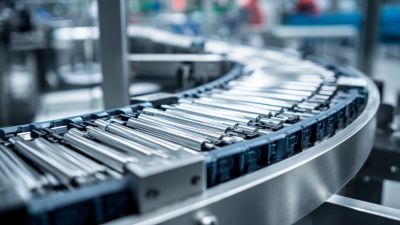
One of the notable advancements in this area is the precision multi-zone sintering conveyor, which allows for temperature control across different sections of the belt. This technology ensures uniform heating, essential for the metallization phase of PV cell production. Additionally, the implementation of anti-warp technology in rapid thermal processing (RTP) sintering mesh further enhances the reliability and longevity of these systems. An industry study indicated that manufacturers using oxidation-resistant sintering belts for silver paste curing have observed a marked improvement in the durability and conductivity of the solar electrodes.

Furthermore, the development of customizable solar cell sintering mesh for both monocrystalline and polycrystalline technologies is set to revolutionize how solar cells are produced. With the push towards bifacial cells, vacuum-compatible sintering furnace belts are becoming increasingly vital. These innovations not only help in achieving higher energy efficiency but also align with the global trend towards energy-efficient PERC cell designs, streamlining the manufacturing process while meeting the growing energy demands sustainably.

FAQS

: What is the main focus of this content?

: The content discusses common issues and strategies for improvement related to certain practices.

How can I improve my daily routines?

Start by analyzing what works and what doesn’t. Small changes can lead to better habits.

Are there benefits to self-reflection?

Yes, self-reflection helps identify strengths and weaknesses. It can guide personal growth.

What should I consider when setting goals?

Ensure your goals are specific and measurable. Revisit them regularly to track progress.

How can I stay motivated?

Break tasks into smaller steps. Celebrate small achievements to maintain enthusiasm.

Is it okay to fail?

Yes, failure is part of growth. Reflect on what went wrong and make adjustments.

How important is feedback from others?

Feedback can provide new perspectives. It can also reveal blind spots in your approach.

Can I implement changes gradually?

Absolutely. Incremental changes are often more sustainable than drastic shifts.

What role does routine play in success?

A routine can create structure, but it can also become monotonous. Balance is key.

How do I handle setbacks effectively?

Acknowledge your feelings, learn from the experience, and adjust your strategy moving forward.

Conclusion

Choosing the right Sintering Furnace Belt is crucial for optimizing production efficiency and ensuring the quality of sintered materials. Understanding the role of these belts in the sintering process is the first step, followed by exploring the various types available in the market. Key factors to consider include material compatibility, where it's essential to match the belt material to specific applications, and temperature resistance, which affects performance.

Maintenance practices and the longevity of the Sintering Furnace Belt are also significant for sustaining operational effectiveness. Finally, a cost analysis should be conducted to budget appropriately for your needs. By carefully assessing these factors, you can select a Sintering Furnace Belt that meets your production requirements effectively.
Sophia

Sophia

Sophia is a seasoned marketing professional at Jiangsu Huada Metal Mesh Belt Co., Ltd., a leading manufacturer of metal conveyor belts in China. With a deep understanding of the industry and a passion for showcasing the company's innovative products, she plays a pivotal role in driving brand......
Previous Solutions for Durable and Efficient Belt Hinge Designs