When you're working in construction or manufacturing, picking the right materials can really make or break your project — it’s all about durability and success, after all. One material that’s pretty essential in many applications is Steel Wire Mesh. It’s used a lot for giving structural support and reinforcement, whether you’re building something concrete, roads, or even custom stuff. Interestingly, a report from Research and Markets says the global market for steel wire mesh is expected to hit around $8.2 billion by 2025, with an annual growth rate of about 5.3%. This boost mainly comes from the construction world, especially in infrastructure projects where the strength and flexibility of steel wire mesh are pretty much non-negotiable.
Plus, Steel Wire Mesh is super versatile — you can tweak and customize it depending on what the project needs. Whether you’re reinforcing concrete, working on roads, or making specialized products, there’s usually a version of it that fits the bill. Also, as noted in a study by Grand View Research, more and more folks are leaning toward sustainable building practices these days. Steel Wire Mesh is gaining popularity partly because it can be recycled and tends to last a long time. So, knowing how to pick the right type of mesh for your project isn’t just about following the rules — it’s also about getting the best performance and saving some money along the way.

Understanding Steel Wire Mesh: Types and Applications
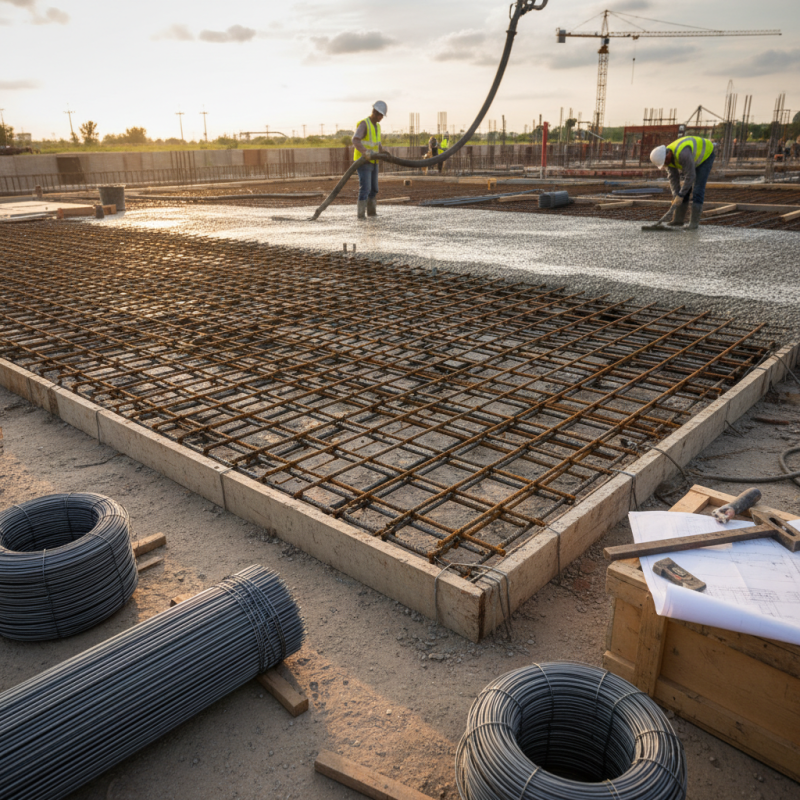
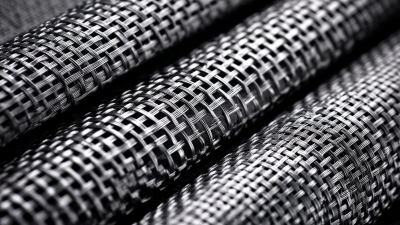
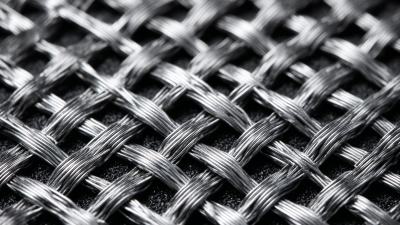
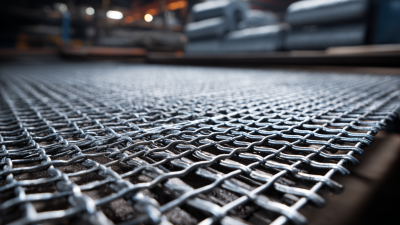
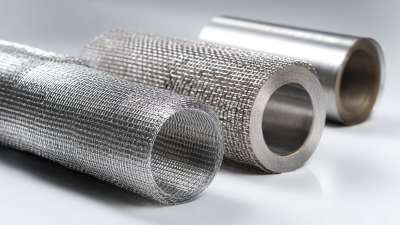
Steel wire mesh is a versatile material used in various construction and industrial applications, primarily known for its strength and durability. Understanding the different types of steel wire mesh and their specific applications is crucial for selecting the appropriate type for your project. The two main categories of steel wire mesh include welded wire mesh and Woven Wire Mesh. According to industry reports, welded wire mesh is typically used for concrete reinforcement, providing structural stability in buildings and infrastructure, while woven wire mesh is often utilized in fencing, filtration, and as protective barriers.
In terms of specifications, steel Wire Mesh Comes in various thicknesses and sizes, which can significantly impact its performance. For instance, the American Concrete Institute (ACI) recommends specific wire diameters and spacings to achieve optimal load-bearing capacity in reinforced concrete structures. Additionally, ASTM International has established standards for the production and testing of steel wire mesh, ensuring quality and consistency. When selecting steel wire mesh, it is essential to consider factors such as tensile strength, corrosion resistance, and the environmental conditions of the intended application, as these elements can influence the mesh's longevity and effectiveness in different settings.
Evaluating Project Requirements for Steel Wire Mesh Selection
When evaluating project requirements for steel wire mesh selection, one must first consider the specific applications of the mesh in the context of the project. Different projects may require varying grades of strength, flexibility, and corrosion resistance. For instance, if the mesh is intended for construction reinforcement, it is essential to opt for a high tensile strength wire that can withstand heavy loads and resist deformation. Conversely, applications that may be exposed to moisture or harsh environmental conditions will benefit from a mesh made of galvanized or stainless steel to prevent rust and degradation.
Additionally, understanding the dimensions and spacing of the mesh openings is critical. The project’s design specifications will dictate the need for fine or coarse mesh, which directly impacts fluid flow in filtration applications or structural integrity in reinforced concrete. Proper attention to these features ensures that the selected steel wire mesh not only meets safety standards but also enhances the overall functionality of the project. Engaging with experienced suppliers or engineers during this evaluation process can provide valuable insights, ensuring that the chosen mesh aligns perfectly with the operational goals of the project.
Steel Wire Mesh Selection - Key Factors vs. Performance Ratings
Factors to Consider When Choosing Steel Wire Mesh
When selecting the right steel wire mesh for your project, several critical factors must be taken into account. First and foremost, consider the intended application of the mesh. Different projects require varying thicknesses, wire diameters, and strengths. For instance, construction applications may need heavier gauges to support structural integrity, while fencing or decorative projects could utilize lighter, more aesthetically pleasing options. Understanding the specific demands of your project will guide you in choosing the appropriate type of mesh.
Another essential factor is the environment in which the wire mesh will be used. Exposure to harsh conditions, such as moisture, chemicals, or extreme temperatures, can lead to corrosion and degradation over time. Therefore, selecting a mesh that offers adequate protection against these elements is crucial. Options such as galvanized or stainless steel mesh provide durability and corrosion resistance, making them suitable for outdoor or industrial applications. Evaluating both the environmental conditions and the required lifespan of the mesh will ensure that you make a wise investment.
Comparing Different Sizes and Gauges of Steel Wire Mesh
When selecting the right steel wire mesh for your project, understanding the various sizes and gauges is crucial. Steel wire mesh is available in multiple gauges, which refer to the thickness of the wire used in the mesh. Generally, the lower the gauge number, the thicker the wire; for example, a 10-gauge wire is thicker than an 18-gauge wire. According to the American Society for Testing and Materials (ASTM), the choice of gauge can significantly affect the mesh’s strength, weight, and application suitability. For structural applications where load-bearing is essential, thicker gauges (typically 8-12) are recommended, as they provide greater tensile strength and durability.
Beyond gauge, the size of the openings in the mesh also plays a vital role in its functionality. Standard opening dimensions can range from 1 inch to 6 inches, depending on the specific needs of the project. For applications requiring reinforcement, such as concrete pours, a mesh with smaller openings (like 2 inches by 2 inches) is often preferred as it helps prevent cracking and enhances the structure's overall stability. A study published by the International Journal of Research in Engineering and Technology indicates that appropriately chosen mesh sizes can improve construction efficiency by up to 30% by reducing the need for additional reinforcements. Thus, understanding the interplay between gauge and size will empower project managers to make informed decisions tailored to their specific construction requirements.
Analyzing the Impact of Coating and Corrosion Resistance
When selecting steel wire mesh for your project, one of the critical factors to consider is the type of coating and its impact on corrosion resistance. Coatings such as galvanization or PVC are commonly applied to steel wire mesh to provide an additional layer of protection against rust and deterioration. Galvanized wire mesh, for instance, undergoes a process of coating with zinc, which serves as a sacrificial barrier that protects the underlying steel from moisture and corrosive elements. This is especially beneficial in environments prone to high humidity or chemical exposure, where uncoated steel might rapidly fail.
Corrosion resistance is vital not only for the longevity of the wire mesh but also for maintaining the structural integrity of the overall project. A mesh with inadequate protection can lead to rust buildup, compromising both the appearance and functionality of the installation. It’s essential to analyze the specific environmental conditions the wire mesh will face and choose a coating that can withstand those challenges.
For instance, in coastal areas with saline exposure, opting for a marine-grade coated wire mesh may provide superior protection against corrosion compared to standard galvanized options. Understanding these factors can help ensure that the chosen steel wire mesh meets the durability requirements of your project.
Cost Considerations for Steel Wire Mesh Projects
When planning a project that requires steel wire mesh, cost considerations play a crucial role in the overall budget and project viability. Firstly, it's essential to evaluate the quantity and dimensions of the wire mesh needed. Larger projects may benefit from bulk purchasing, reducing the per-unit cost. Additionally, the gauge of the wire and the type of coating can significantly impact pricing; selecting the right specifications for the intended use can maintain functionality while keeping costs in check.
Another cost factor to consider is the sourcing of materials. Local suppliers may offer competitive rates and reduce transportation expenses, while international sourcing could provide lower initial prices but may introduce additional shipping costs and import taxes. It's also important to account for installation and maintenance expenses. While opting for a more affordable wire mesh might seem enticing, considering the long-term durability and maintenance requirements is crucial to ensure that short-term savings do not lead to higher long-term costs. By strategically analyzing these factors, one can make informed decisions that align with both project goals and budget constraints.
Tips for Sourcing Steel Wire Mesh from Suppliers
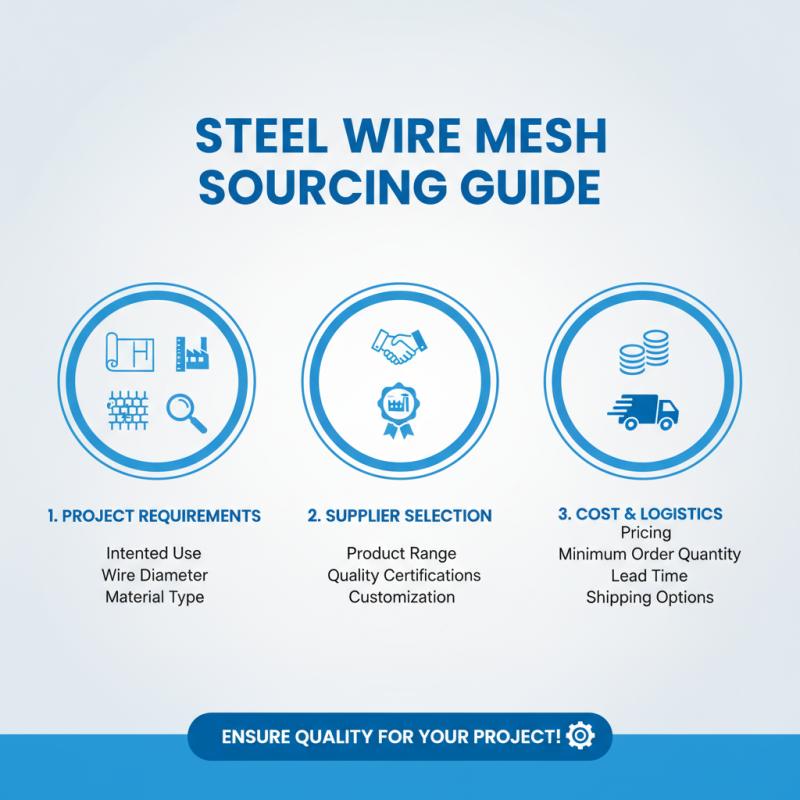
When sourcing steel wire mesh for your project, it's crucial to consider several key factors to ensure you get the best quality product for your needs. First, identify the specific requirements of your project, such as the intended use, mesh size, wire diameter, and material specifications. This clarity will guide you in selecting a supplier who can provide the exact type of wire mesh required.
Next, evaluate potential suppliers by examining their reputation and reliability. Look for suppliers who have demonstrated experience in the industry, and consider customer reviews and testimonials to gauge their level of service and product quality. It is also helpful to inquire about their sourcing practices, certifications, and whether they adhere to industry standards. Engaging in direct communication with suppliers can further highlight their responsiveness and willingness to accommodate your project needs, ensuring a smoother procurement process.
The Ultimate Guide to Styling Your Wardrobe with Wire Ring Belts: Versatile Fashion for Every Occasion
When it comes to styling your wardrobe with wire ring belts, the versatility they offer is truly unparalleled. These functional fashion accessories cater to a range of occasions, enhancing the aesthetic of casual outfits as well as more formal attire. The wire ring design provides an industrial chic look that seamlessly integrates into diverse fashion styles, making it an essential item in modern wardrobes.
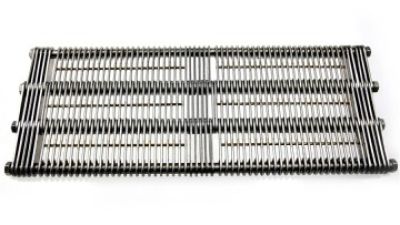
In the beverage industry, wire ring belts have become a staple due to their effectiveness in various production processes. Products like the 316L stainless steel wire ring belt boast exceptional durability, making them ideal for applications such as bottle washing. According to industry reports, stainless steel belts reduce maintenance costs by as much as 30%, underscoring their efficiency. Furthermore, the anti-corrosion properties of wire ring belts are particularly beneficial for brewery bottling lines, where exposure to moisture and chemicals is common.
For food and beverage production, food-grade wire ring mesh belts are crucial. They meet FDA standards and maintain hygiene throughout the manufacturing process. Recent studies suggest that implementing low-maintenance wire ring systems can enhance production efficiency by approximately 25%, while custom-diameter options cater to specific machinery, ensuring a snug fit and optimal performance. The innovative design and high-quality materials used in these belts contribute significantly to reducing operational downtime, demonstrating their necessity in both fashion and industrial uses.
FAQS
: The two main types of steel wire mesh are welded wire mesh and woven wire mesh, each suitable for different applications such as concrete reinforcement and fencing, respectively.
The thickness and size of the wire mesh significantly impact its load-bearing capacity and effectiveness. Specific wire diameters and spacings are recommended to optimize performance in reinforced concrete structures.
When selecting steel wire mesh, consider the intended application, required strength and flexibility, corrosion resistance, environmental conditions, and dimensions and spacing of the mesh openings.
High tensile strength is crucial for construction applications as it enables the mesh to withstand heavy loads and resist deformation, ensuring structural stability.
Exposure to moisture, chemicals, or extreme temperatures can lead to corrosion and degradation of the mesh, making it important to select options like galvanized or stainless steel for protection.
Engaging with experienced suppliers or engineers can provide valuable insights during the evaluation process, ensuring that the chosen wire mesh aligns with the operational goals of the project.
The dimensions and spacing of the mesh openings are critical as they directly affect fluid flow in filtration applications and structural integrity in reinforced concrete, influencing overall project functionality.
For long-lasting applications, consider selecting mesh that offers adequate corrosion resistance and suitability for the expected environmental conditions to enhance durability.
Standards established by organizations such as ASTM ensure quality and consistency in the production and testing of steel wire mesh, which is crucial for meeting safety and performance expectations.
Lighter wire mesh options can be aesthetically pleasing and more suitable for non-structural projects like fencing or decorative uses, allowing for flexibility in design without compromising safety.
Conclusion
When undertaking projects that require the use of Steel Wire Mesh, it is essential to understand the various types and applications available. The first step involves evaluating specific project requirements to ensure the right choice of mesh type, taking into account the purpose of design and load-bearing characteristics. Additionally, factors such as size, gauge, coating, and corrosion resistance significantly influence the selection process, as they affect durability and performance in different environments.
Cost also plays a critical role in the decision-making process for Steel Wire Mesh projects. Budget constraints may dictate the type and quality of mesh that can be sourced, making it important to consider both the immediate and long-term implications of the material selected. Ultimately, careful assessment and strategic sourcing from reputable suppliers will help secure the appropriate Steel Wire Mesh for any project's needs.