Picking the right Mesh Belt can really make a difference when it comes to boosting efficiency and keeping things running smooth across different industries. Honestly, the right choice can have a huge impact on your day-to-day operations, whether you're baking, manufacturing, or doing something else entirely. Companies like XYZ Manufacturing offer a bunch of options, but I gotta say — choosing the best fit isn’t always straightforward. You’ve got to give it some thought.
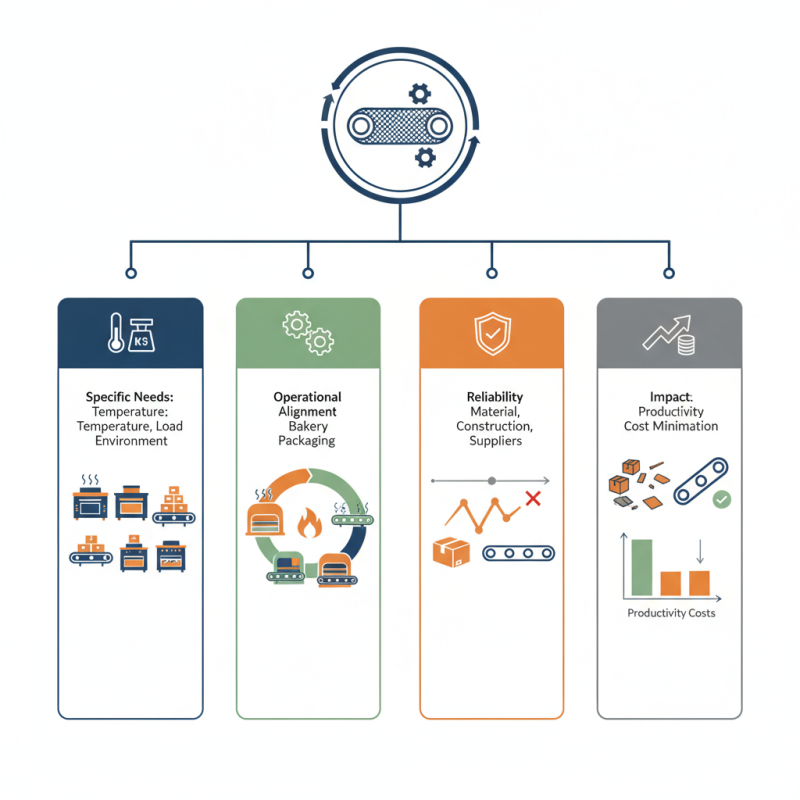
Start off by thinking about what you actually need. Different Mesh Belts are built to handle various temperatures, loads, and environments. For example, if you're running a bakery, you'll probably want something heat-resistant. On the other hand, if you’re doing packaging, airflow might be more important. It's all about matching features to your specific setup.
And don’t forget about reliability. Not every brand is created equal, and some belts might wear out sooner than you'd like, which can lead to unexpected downtime. So, it’s worth digging into how they’re made—quality materials, sturdy construction, that sort of thing. Look for suppliers with good reviews and a solid track record. After all, the right mesh belt isn’t just about better productivity — it also helps you save money in the long run by avoiding unnecessary repairs and replacements.
Understanding Mesh Belts: Types and Applications
When selecting a mesh belt, understanding its types and applications is crucial. There are various mesh belt types. For instance, woven mesh belts are common in food processing. They offer high airflow, making them ideal for cooling and drying. According to industry reports, 35% of food manufacturers prefer Woven Belts for their versatile applications.
Additionally, modular mesh belts provide flexibility and durability. These belts can be easily assembled and disassembled, which is beneficial for maintenance. A recent survey indicated that 40% of users reported improved efficiency after switching to modular systems. However, the need for specialized maintenance can pose challenges. This might require extra training or longer downtime during transitions.
Choosing the right belt also depends on the application. Light-duty belts excel in conveyor systems for lightweight products, while heavy-duty options support heavier loads. Ultimately, it is vital to match the belt type with specific operational needs. Failing to do so can result in inefficiencies or even equipment damage. Understanding these nuances helps ensure a smoother production process.
Factors to Consider When Choosing a Mesh Belt
Choosing the right mesh belt requires careful consideration of several factors. Material is paramount. Common options include stainless steel, plastic, and wire mesh. Each has unique properties affecting durability and temperature resistance. For example, stainless steel belts are strong and resilient, ideal for high-heat applications. A Mesh Belt Oven may require specific materials to withstand extreme temperatures.
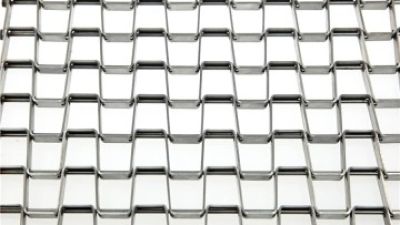
Belt design influences functionality. Open mesh designs enhance airflow and heat transfer. This is crucial for cooking or drying products. However, tightly woven belts may provide better support for smaller items. Assess the size and type of your products to make an informed choice. Small items might slip through open meshes, while larger items benefit from the stability of tighter designs.
Lastly, consider maintenance requirements. Some belts are easier to clean than others, impacting downtime. If you operate a busy facility, easy-to-maintain belts might be worth the investment. Durability and maintenance are interconnected. Reflect on your operation's demands, as this will guide your selection process. Balancing these elements can lead to improved efficiency in your mesh belt oven.
Factors to Consider When Choosing a Mesh Belt
Material Selection: Pros and Cons of Common Mesh Belt Materials
When selecting a mesh belt, understanding the materials is crucial. Common options include stainless steel, plastic, and woven metal. Each material has distinct pros and cons that can influence your operational needs.
Stainless steel is renowned for its durability and resistance to high temperatures. According to a report by the Fabricators & Manufacturers Association, stainless steel belts account for over 40% of industrial applications due to their strength. However, they can be more expensive and heavier than other materials.
Plastic mesh belts are lightweight and offer excellent chemical resistance. They are often chosen for applications involving food processing. Yet, data from the Material Handling Industry states that they may not withstand extreme temperatures as well as their stainless counterparts.
Tips: Always consider the environment where the belt will be used. Will it face high heat or corrosive substances? Analyze your production requirements before making a decision. Reflect on the lifecycle costs, including maintenance and replacement. Sometimes, a slightly cheaper option can lead to higher long-term expenses if it requires frequent replacement.
Size and Dimensions: How to Measure for Your Needs
When selecting the best mesh belt for your needs, understanding size and dimensions is crucial. Accurate measurements determine how well the Oven Mesh Belt fits your equipment. According to industry reports, the right size can improve efficiency by 15-20%. Start by measuring the width and length of your conveyor system. Always include allowances for the edges, as they can affect performance.
Tips: Double-check your measurements. Small discrepancies can lead to poor belt alignment. Consider the working environment too. Heat, moisture, and type of products being processed all influence your choice.
Assess the thickness of the mesh as well. Thinner belts can be less durable, while thicker ones may offer better strength and longevity. Make sure to evaluate the load capacity. This can prevent mishaps during operation and enhance productivity. Keep in mind that selecting the wrong size may lead to frequent repairs or replacements, causing downtime.
Customization Options for Specialized Applications
When selecting a Wire Mesh Belt, customization options can significantly influence its performance in specialized applications. Many industries require tailored features to meet unique operational demands. A recent report by the Industrial Wire Association indicates that over 40% of users prefer customized belts to enhance efficiency and durability.
Customization may include specific wire diameter, mesh size, or even material composition. For example, food processing facilities often require belts that withstand high temperatures and corrosive substances. Custom wire mesh belts can be designed to meet FDA standards, ensuring safety. The flexibility to specify these features can lead to increased productivity and reduced downtime.
However, balancing customization with cost is essential. A custom solution might provide benefits but can overwhelm budgets. Some manufacturers offer a limited range of custom options, leaving potential gaps. Too often, companies overlook the finer details like finish or coating of the wire mesh belt. These aspects can critically impact performance and longevity, reflecting the need for thorough evaluation during the choice process.
How to Choose the Best Mesh Belt for Your Needs? - Customization Options for Specialized Applications
| Mesh Belt Type | Material | Temperature Resistance (°C) | Custom Length (meters) | Width Options (mm) | Application |
| Stainless Steel Mesh | Stainless Steel 304 | -20 to 800 | 2.0 - 10.0 | 50, 100, 150 | Food Processing |
| Plastic Modular Belt | Polypropylene | -20 to 90 | 1.0 - 5.0 | 30, 60, 90 | Packaging Lines |
| Composite Mesh Belt | Nylon/Polyester | -20 to 120 | 1.5 - 6.0 | 40, 80, 120 | Textile Processing |
| Fiberglass Mesh | Fiberglass | -40 to 300 | 1.0 - 4.0 | 45, 95, 135 | Heat Treatment |
| Chain Link Belt | Carbon Steel | -20 to 400 | 2.5 - 8.0 | 70, 130, 200 | Automotive Manufacturing |
Maintenance and Care Tips for Longevity of Mesh Belts
Taking care of your mesh belt is crucial for ensuring its longevity. Regular inspection can prevent wear and tear. Look for any signs of damage, such as fraying edges or loose links. These issues can affect performance over time. Cleaning your mesh belt regularly is equally important. Dust and debris tend to accumulate, which can cause friction and wear. Use a soft brush or cloth to remove particles gently.
Also, consider the environment where the mesh belt operates. High humidity or exposure to chemicals can reduce its lifespan. If your belt is used in such conditions, additional measures may be necessary. Applying a suitable lubricant can help reduce friction and prevent corrosion. Remember, over-lubricating can lead to buildup that may attract more dirt.
Lastly, always follow the manufacturer's guidelines for maintenance. These guidelines often contain valuable information tailored to your specific belt type. While it may seem repetitive, adhering to these practices ensures reliability. Take a moment to reflect on your maintenance routine. Are there areas for improvement? Regular upkeep means reduced downtime and increased efficiency.
Cost Considerations: Budgeting for Your Mesh Belt Purchase
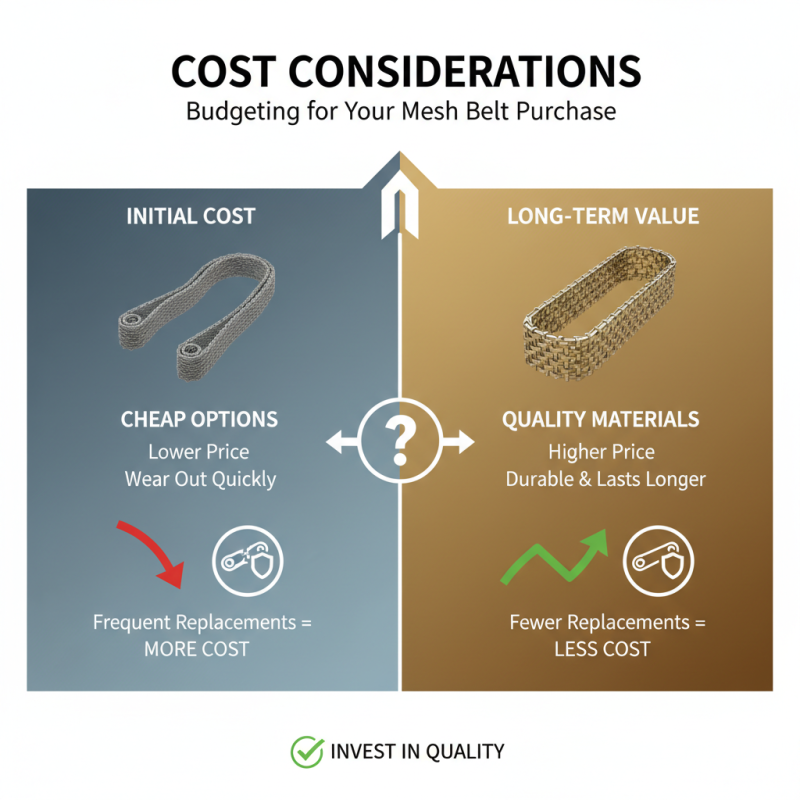
When budgeting for a mesh belt purchase, consider the material. Higher-quality materials often come with a steeper price tag. A Mesh Metal Belt may cost more, but it can offer durability and longevity. Investing in quality can save money in the long run, reducing the need for replacements. Cheap options might seem appealing, yet they often wear out quickly.
Think about the specific application for your mesh belt. Different industries have unique requirements. For example, if you need the belt for a high-temperature environment, skimping on cost may lead to failure. Evaluate how often the belt will be used. If it’s for continuous operations, cheaper alternatives might increase operational costs over time.
Be aware of hidden costs too. Installation and maintenance can add to the total budget. A reliable Mesh Metal Belt may require professional installation, which incurs additional charges. Moreover, consider the cost of potential downtime due to belt failure. A thorough analysis of these factors will help you make a wise choice within your preferred budget.
Maximizing Efficiency and Durability in Manufacturing: Insights from Recent Industry Reports on Flat Wire Belts
In recent industry reports, the focus on maximizing efficiency and durability in manufacturing processes has prominently highlighted the role of flat wire belts. One critical finding is that the use of specialized flat wire belts, such as food-grade options made from 316L stainless steel, significantly improves operational safety and compliance with FDA standards. This makes them indispensable for industries engaged in food processing, where hygiene and durability are paramount. Reports indicate that such materials can withstand rigorous washing processes and maintain structural integrity, thus minimizing production downtime.
Furthermore, advancements in high-temperature flat wire furnace belts, designed to endure temperatures reaching 800°C, have expanded their usage in various manufacturing sectors, including metal and glass production. These belts offer not only heat resistance but also enhanced lifespan under severe operational conditions. The employment of heavy-duty flat wire belts in metal stamping showcases a trend where manufacturers are looking for ways to reduce maintenance and replacement costs, ultimately leading to increased efficiency.
Additionally, the rise of custom-width flat wire mesh solutions caters to diverse packaging lines, allowing tailored applications that streamline manufacturing flows. As industries evolve, the integration of innovative flat wire belt designs—such as anti-static options for electronics assembly and hygienic belts with EHEDG certification—demonstrates a clear shift towards creating resilient and efficient production environments. These insights underline the critical importance of adopting advanced belt technologies to meet contemporary manufacturing demands.
FAQS
: There are woven and modular mesh belts. Woven belts are common in food processing for cooling and drying.
They offer high airflow and versatility. Approximately 35% of food manufacturers prefer them for their reliability.
Modular belts provide flexibility and durability. They can be easily assembled or disassembled for maintenance.
Specialized maintenance needs may arise. This can lead to extra training or longer downtime during changes.
Match the belt type with operational needs. Using the wrong type can cause inefficiencies or equipment damage.
Perform regular inspections for damage. Look for fraying edges or loose links to maintain performance.
Dust can accumulate, causing friction and wear. Regular cleaning prevents these issues and extends belt life.
Apply lubricant to reduce friction. Be cautious; too much lubrication can attract dirt and lead to buildup.
High humidity and chemical exposure can reduce lifespan. Consider additional precautions in such environments.
Yes, always follow the manufacturer's maintenance guidelines. They provide essential information for keeping your belt reliable.
Conclusion
Choosing the best mesh belt involves understanding its types and applications, as various industries utilize them for different purposes. When selecting a mesh belt, key factors include material selection, size, and customization options. Common materials have their pros and cons, impacting durability and functionality. Proper measurement is crucial to ensure a perfect fit for your specific needs.
In addition to these considerations, maintenance and care play a significant role in extending the lifespan of your mesh belt. Regular cleaning and inspection can help prevent wear and tear. Lastly, budgetary constraints are important, as costs can vary widely based on materials and custom features. By evaluating these aspects, you can make an informed decision to meet your mesh belt requirements efficiently.