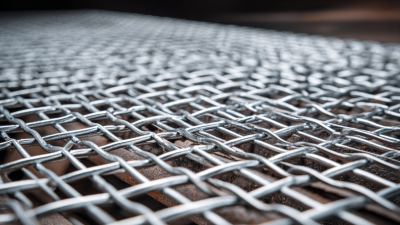
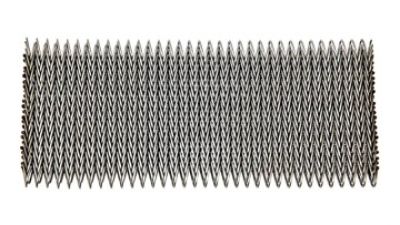
When it comes to industrial heating, picking the right equipment really isn’t something you want to mess around with. I mean, a top expert like Dr. Alex Thompson from Advanced Heating Solutions points out that, "Choosing the best [Mesh Belt Furnace](https://www.globalmeshbelt.com/mesh-belt-furnace) can seriously boost your productivity and efficiency." That really drives home how important it is to make an informed decision.
Now, if you're thinking about going with a Mesh Belt Furnace, there are a few things you should keep in mind. Things like what exactly you're using it for, what kind of heat you need, and what material you're working with—these all really matter. Skip or get these wrong, and you might end up with inefficiencies that cost you time and money. Also, it's worth learning about the different designs and tech options out there in the mesh belt world—trust me, they vary quite a bit.
It’s easy to overlook the small details when you’re trying to make a choice, but spending a little extra time evaluating your options can save you elbows deep in trouble later on. Think about how much you need to produce now and what your plans are for the future. In this fast-changing industry, having the right Mesh Belt Furnace can totally give you an edge over the competition.
Understanding Mesh Belt Furnaces and Their Applications
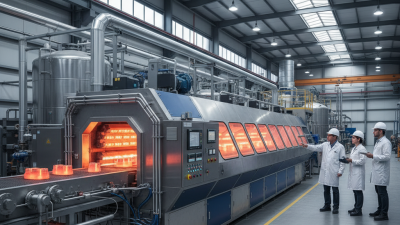
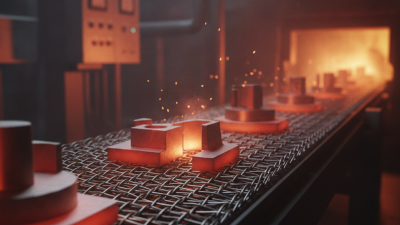
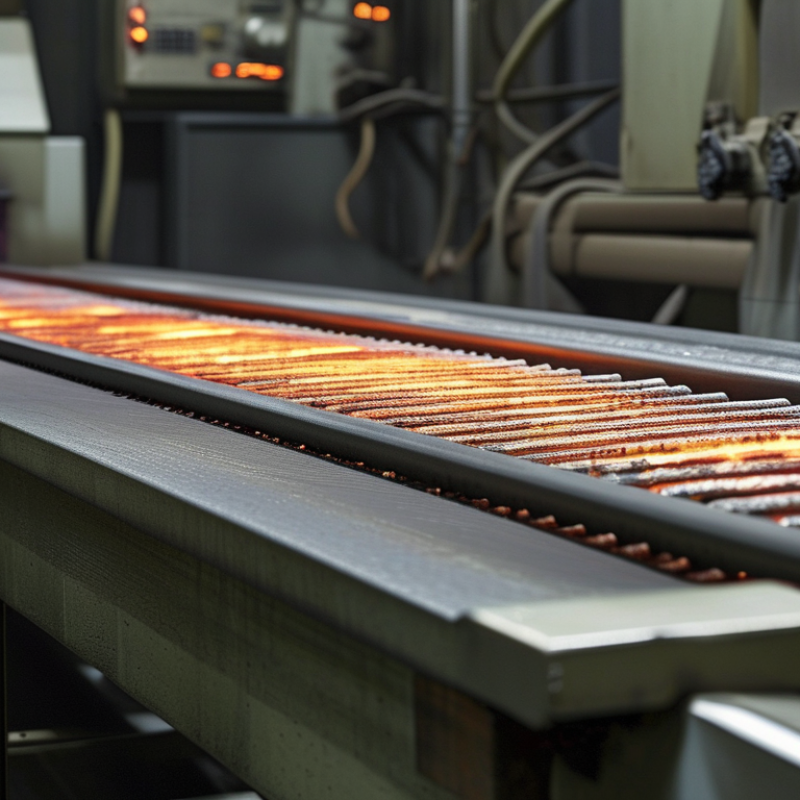
Mesh belt furnaces are vital in various industries, including food processing and metal treatment. They use a continuous belt to transport products through different heating zones. This design ensures uniform heating, which enhances product quality. Industry reports indicate that mesh belt furnaces improve efficiency by up to 30% compared to traditional batch systems. This makes them a popular choice for manufacturers seeking consistent and reliable results.
In applications like food production, maintaining hygiene is essential. Mesh belt design allows for easy cleaning, addressing contamination risks. The temperature control offered in these systems can range from 100°C to 1,200°C, accommodating various processes. Studies also suggest a growing trend towards energy-efficient systems, with half of the industry moving towards eco-friendly solutions by 2025. This shift is crucial as energy consumption can be a significant concern in manufacturing settings.
Investing in a mesh belt furnace demands careful consideration of production needs. Factors like belt material and temperature range must align with the required processes. Users often overlook the importance of maintenance and operator training, leading to efficiency losses. Reports show that improper maintenance can decrease performance by about 20%. Placing focus on these elements can enhance operational reliability and product quality in the long run.
Key Factors to Consider When Choosing a Mesh Belt Furnace
When selecting a mesh belt furnace, several key factors should be taken into account. The furnace's size and capacity are crucial for ensuring it meets your operational needs. Assess the available space and the volume of materials you plan to process. An oversized furnace can lead to unnecessary costs, while a too-small unit can hinder production.
Temperature control is another critical element. Look for features that allow precise temperature management. Consistency in heating affects the quality of the final product. Different materials may require varying temperature ranges, which complicates the selection process. Ensure the furnace you choose can accommodate these specific requirements.
Energy efficiency is also a vital consideration. Many innovative models now come with advanced energy-saving features. However, it's important to reflect on their true efficiency versus claimed performance. Sometimes, initial lower costs may lead to higher long-term energy expenses. Perform a careful analysis of the expected energy consumption to make an informed choice.
Types of Mesh Belt Furnaces: A Comparative Overview
When choosing a mesh belt furnace, it’s crucial to understand the different types available. Each type serves unique purposes and comes with distinct features. For instance, electric mesh belt furnaces offer precise temperature control and are ideal for small-scale operations. They often have a compact design, making them suitable for limited space. Gas-powered mesh belt furnaces, on the other hand, are preferred for larger production runs. They can heat up quickly and often have higher thermal efficiency.
Another important category is the dual-zone mesh belt furnace. This type allows for varied temperature settings along different sections of the furnace. It's particularly advantageous for processes that require specific heating stages. However, the complexity of these furnaces can lead to higher maintenance demands. Users may find themselves needing to spend more time on upkeep and troubleshooting, which can be a source of frustration.
In summary, the choice of a mesh belt furnace hinges on specific operational needs. Consider factors such as production scale, space availability, and maintenance time. Optimal choice often involves trade-offs between efficiency and ease of use. Reflecting on these aspects will guide you toward a furnace that truly meets your operational requirements.
Evaluating Size and Capacity Requirements for Your Production
Choosing the right mesh belt furnace starts with understanding your size and capacity requirements. The production volume directly impacts your furnace specifications. For instance, a report by the Industrial Heating Association indicates that a typical production line may require a furnace that processes between 50 to 500 kilograms per hour. However, specific needs vary, so conducting a thorough analysis of your output goals is crucial.
Assessing physical space is equally important. The footprint of the furnace must fit within your facility while allowing for safe operation and maintenance access. Many manufacturers recommend leaving a clearance of at least 1 meter around the unit. This can prevent potential hazards and ensure optimal airflow. One thing to reflect on is whether your facility can accommodate future growth. If expansion is planned, consider a furnace that offers modular capabilities to scale up production without complete replacement.
Tips: Evaluate your current and future production needs. Speak with industry professionals to understand what size works best. Always consider maintenance needs—this can impact your overall efficiency. Balancing these factors will help you make a more informed decision.
Material Compatibility: Choosing the Right Furnace for Your Needs
Choosing the right furnace involves considering material compatibility. Different materials behave differently under heat. For instance, metals may require higher temperatures than plastics. Understanding the melting point and thermal properties of your materials can guide your decision.
When selecting a Mesh Belt Conveyor Furnace, assess the materials you plan to process. Are you working with ceramics or composites? Each material has unique requirements that affect furnace operation. Ignoring these specifics can lead to inefficient processes.
Tips: Evaluate your materials' thermal resistance. Conduct tests to determine optimal heating times. Using precise temperature control can ensure material integrity.
Compatibility goes beyond just temperature. Factor in chemical resistance as well. Certain materials might react poorly under heat, causing damage. It's essential to avoid unintended reactions during processing. Reflect on past experiences where material mismatches affected production. These insights can help refine your selection process.
Energy Efficiency and Operating Costs of Mesh Belt Furnaces
When selecting a mesh belt furnace, understanding energy efficiency is crucial. Many reports indicate that the average operating costs can vary greatly. For instance, using a Sintering Furnace Mesh Belt typically results in energy savings of 15-30% compared to older models. These figures can significantly impact long-term operational expenses.
Energy-efficient features make a tangible difference. Some modern sintering furnaces use advanced insulation and more efficient heating systems. This can reduce energy consumption without sacrificing performance. In fact, investments in energy-saving technology can yield a return on investment within a few years, depending on usage.
However, one must reflect on the true costs of ownership. While initial expenses for high-efficiency models may seem steep, they offset high energy prices in the long run. Regular maintenance is essential, as neglected equipment can lead to energy wastage. Therefore, evaluating the long-term benefits of energy-efficient mesh belt furnaces is vital for informed decision-making.
Maintenance and Support Considerations for Mesh Belt Furnaces
When selecting a Continuous Mesh Belt Furnace, maintenance and support are critical factors. Regular upkeep ensures the furnace operates efficiently. Industry reports suggest that up to 40% of production downtime is due to equipment failure. Keeping a schedule for routine inspections can significantly reduce this risk and bolster productivity.
A reliable support system is equally important. Choosing a furnace with comprehensive service options is beneficial. According to a recent survey, facilities with proactive technical support experience 30% less unplanned downtime. Having access to experienced technicians can help in troubleshooting and maintenance tasks, ensuring consistent operation.
Training staff on proper usage further enhances furnace longevity. Many operators overlook basic functions, which can lead to inefficiencies or even damage. Regular training sessions can mitigate these risks while fostering a proactive culture around maintenance. A well-maintained Continuous Mesh Belt Furnace can yield significant operational benefits, but only if proper support structures are in place.
Mesh Belt Furnace Maintenance and Support Considerations
The Perfect Blend of Style and Comfort: Discover the Compound Balance Weave Belt
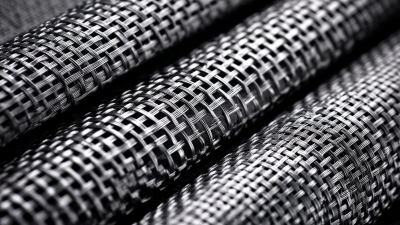
The perfect blend of style and comfort can be seen in the innovative Compound Balance Weave Belt, designed to meet the diverse needs of various industries. This exceptional belt features a unique double-layer construction, allowing for enhanced durability and flexibility, making it an ideal choice for conveyor applications. Whether you're looking for heavy-duty options or those tailored for specific environments, such as high-temperature or abrasion-resistant materials, our range has something for everyone.
Additionally, the Compound Balance Weave Belt excels in specialized scenarios. For instance, in automotive stamping, the low-deflection design ensures precision and efficiency, while the food-grade version meets strict safety standards for food processing environments. With options that include anti-static properties for electronics and corrosion resistance for industrial applications, these belts are engineered to perform consistently under demanding conditions. Discover how the Compound Balance Weave Belt can elevate your operations while maintaining the perfect combination of style and functionality.
FAQS
: Consider production scale, space availability, and maintenance time.
They offer precise temperature control and are great for small operations.
They heat up quickly and have higher thermal efficiency.
It allows varied temperature settings in different sections for specific heating stages.
They require more maintenance, which can be frustrating for users.
Regular upkeep ensures efficient operation and reduces production downtime.
Operators often overlook basic functions, leading to inefficiencies or damage.
It can reduce unplanned downtime and help with troubleshooting.
They can significantly reduce the risk of equipment failure and downtime.
Many overlook fundamental functions, which can cause long-term issues.
Conclusion
Choosing the best Mesh Belt Furnace for your production needs involves a thorough understanding of its applications and key features. It's essential to consider factors such as the specific processes to be performed, the types of materials being used, and the required size and capacity to meet production demands. Additionally, evaluating the energy efficiency and operational costs can significantly impact long-term expenses.
Understanding the various types of Mesh Belt Furnaces available allows for a comparative analysis, aiding in selecting the most appropriate model. Maintenance and support considerations should also be part of the decision-making process to ensure optimal performance and longevity of the furnace. By carefully assessing these aspects, one can identify the ideal Mesh Belt Furnace that aligns with their operational requirements.