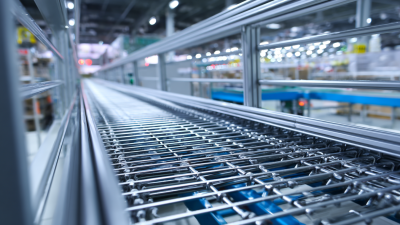
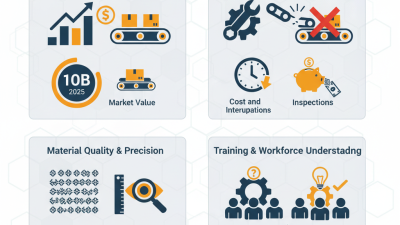
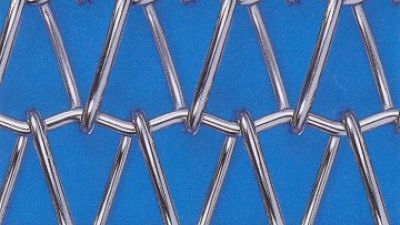
Picking the right Mesh Belt is actually a pretty big deal when it comes to how smoothly your production runs. If you’re in industries like food processing, packaging, or manufacturing, you know these belts are kinda the unsung heroes. But honestly, choosing the wrong one can lead to all sorts of headaches — slower operations, higher costs, you name it. That’s why it’s super important to really understand what your specific industry needs from a mesh belt.
Mesh Belts aren’t all the same; they come in different materials and styles, each suited for different tasks — whether it's moving products along the line or cooling things down. Knowing what your machine or process actually requires is key. Think about things like temperature, how fast things move, and how much weight the belt needs to handle. When you keep these in mind, it gets a lot easier to pick the right one.
And just a quick heads-up — not every mesh belt out there is built the same. Quality can vary a lot depending on who makes it. Big names like Belt Technologies Inc. have solid options, but there are also some lesser-known brands out there. Do your homework and research each choice carefully — rushing into it might cause delays or issues down the line, which nobody wants. Ultimately, the right mesh belt can make all the difference in keeping your production flowing smoothly and performing at its best.
Understanding the Basics of Mesh Belts in Industrial Applications
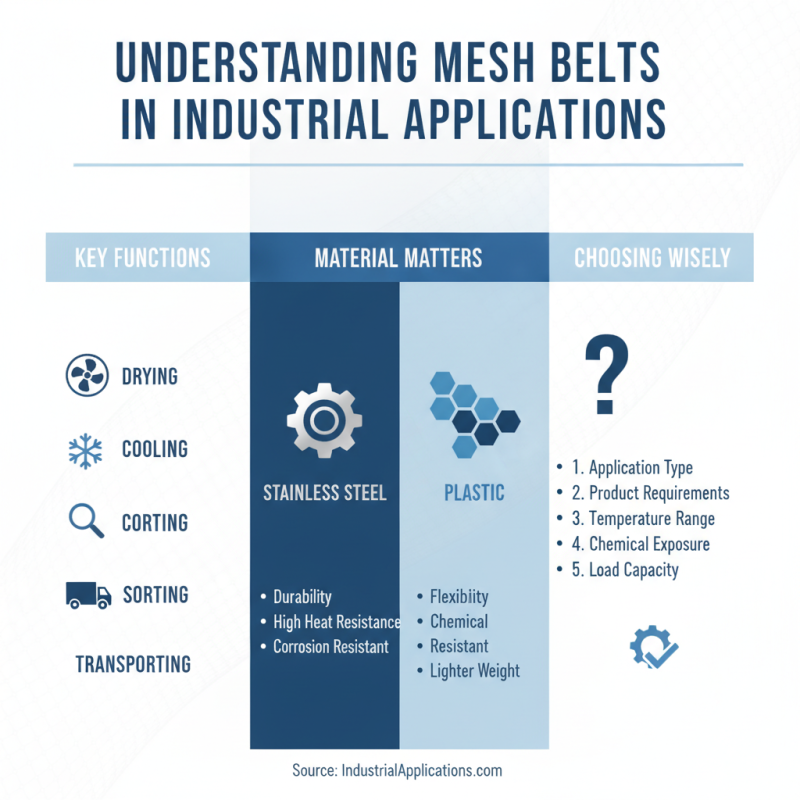
Mesh belts play a crucial role in various industrial applications. They can handle diverse tasks, from drying and cooling to sorting and transporting products. Understanding their basics is essential to choosing the right type for your specific needs. The materials used, such as stainless steel or plastic, can impact durability and efficiency.
Different industries have unique requirements. For example, food production demands high hygiene standards. Meanwhile, automotive manufacturing may prioritize heat resistance. Evaluating these factors is key. However, many businesses overlook maintenance concerns. Neglecting proper care can lead to frequent replacements and increased costs.
Another aspect to consider is belt design. Open mesh belts allow for airflow, making them suitable for processes that require cooling. Conversely, closed mesh belts can contain small parts effectively. Each choice has its pros and cons. Regular assessments of belt performance can reveal areas needing improvement. This iterative approach can enhance productivity and prolong belt lifespan.
Identifying Your Industry-Specific Requirements for Mesh Belts
When selecting a mesh belt, it’s vital to consider specific industry needs. Different sectors, like food processing or packaging, have unique requirements. For instance, a Mesh Belt Oven must handle high temperatures without compromising the belt's integrity. If you're in the food industry, sanitary standards become critical. You must ensure that the materials are food-safe and easy to clean.
Another factor to consider is the load capacity. The weight of the products being transported can dictate the type of mesh. Heavy items require a sturdier design to prevent wear and tear. Moreover, if your operations involve delicate items, a softer mesh could minimize damage during transport. Evaluating these needs can be challenging. Often, adjustments in design lead to unforeseen issues. Getting feedback from operators can help in making necessary tweaks.
Temperature resistance is another crucial element. In a Mesh Belt Oven, belts must withstand extreme heat. If the wrong material is chosen, it can lead to premature failure. Pay attention to your environment, as humidity and temperature fluctuations also affect performance. Balancing these considerations requires a nuanced approach. You might frequently find that the ideal solution is not straightforward, necessitating further adjustments over time.
Mesh Belt Material Popularity by Industry
Exploring Different Types of Mesh Belts and Their Features
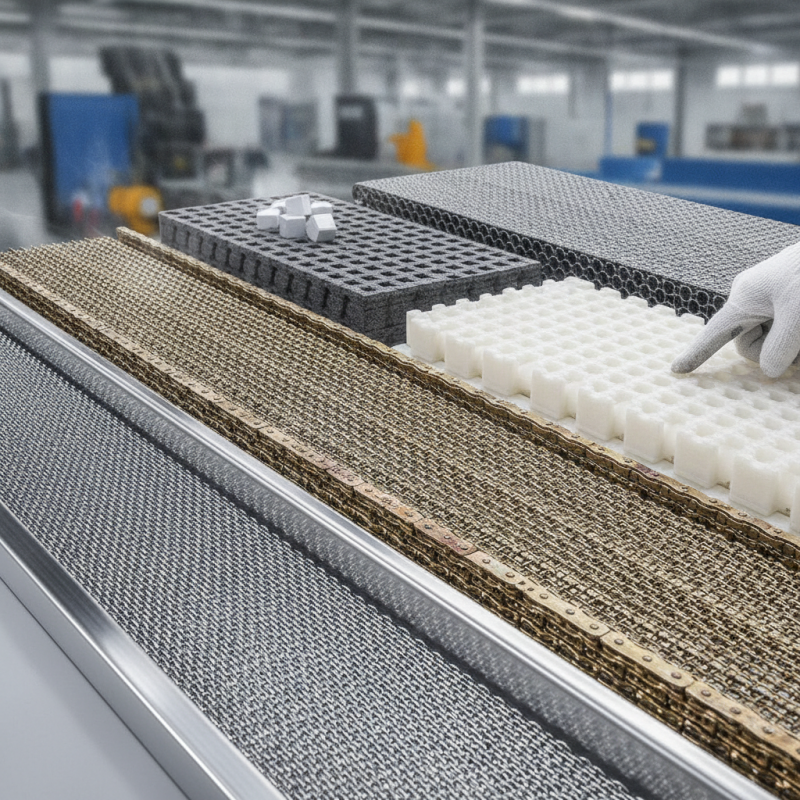
When selecting a mesh belt for your industry, understanding the different types available is crucial. Mesh belts come in various materials, including stainless steel, nylon, and polyester. Each type has unique features that suit specific applications. For example, stainless Steel Belts are ideal for food processing due to their durability and resistance to corrosion. On the other hand, nylon belts provide flexibility and are lightweight, making them suitable for lighter products.
It’s important to consider the operational environment. If your process involves heat or chemicals, a belt that can withstand these conditions is vital. Additionally, look for belts that offer easy maintenance. Routine cleaning is necessary, especially in food applications. Regular inspection can help identify wear and tear, ensuring safe operations.
**Tips:** Assess your load requirements before making a choice. This ensures your selected belt can handle the weight and speed of your products. Consider consulting with industry experts to gain insights tailored to your specific needs. Investing time in this decision can significantly impact your operational efficiency.
Evaluating Material Options for Durability and Performance
Choosing the right material for an Oven Mesh Belt is crucial. Factors like durability and performance can greatly affect operational efficiency. For instance, stainless steel is often preferred due to its corrosion resistance and strength. A recent industry report indicates that stainless steel belts show a lifespan increase of 25% compared to other materials under similar conditions.
However, not all stainless steel is created equal. Different grades offer varied levels of strength and responsiveness to heat. Evaluating these options is essential. Some industries may benefit from coated belts that enhance non-stick properties. In a specific case, food processing facilities reported a 30% reduction in product adhesion when using coated mesh belts. This indicates significant performance benefits.
It's also important to consider the working environment. High-temperature applications, such as in baking or drying, require belts that can withstand extreme conditions. Improper selection can lead to premature failures. A survey shows that 40% of companies encounter issues with material degradation over time due to thermal stress. Balancing cost and performance is key in making the right choice for an oven mesh belt.
How to Choose the Right Mesh Belt for Your Industry Needs? - Evaluating Material Options for Durability and Performance
| Material | Durability | Temperature Resistance | Chemical Resistance | Typical Applications |
| Stainless Steel | High | Up to 1200°F | Excellent | Food Processing, Metal Treatment |
| Polyester | Moderate | Up to 200°F | Fair | Textiles, Packaging |
| PVC | Good | Up to 150°F | Good | Conveyor Systems, Bottling |
| Nylon | Moderate | Up to 180°F | Fair | Automotive, Electronics |
| Metal Mesh | Very High | Up to 2000°F | Excellent | Industrial Baking, Heat Treatment |
Considering Temperature and Environmental Conditions Effect
Choosing the right mesh belt for your business relies heavily on the operating environment. Factors such as temperature and humidity affect the materials used in the Wire Mesh Belt construction. For industries dealing with high heat, selecting belts made from heat-resistant materials is crucial. These belts maintain their integrity under extreme conditions, ensuring operational efficiency.
Tips: Always assess the maximum temperature your belt will encounter. Monitor fluctuations in humidity as well. A belt that can handle moisture will prevent issues like corrosion.
Environmental factors should also dictate your choice. For cold applications, certain belts can become brittle. This may lead to breakage or reduced performance. Knowledge of these limitations helps in making a more informed decision.
Tips: Consider conducting tests under actual operating conditions. This can reveal how the belt performs. Remember, not all wire mesh belts are suited for every environment. Choosing wisely can enhance productivity and prevent costly downtime.
Assessing Cost-Effectiveness and Longevity of Mesh Belts
When selecting a mesh belt for your operations, evaluating cost-effectiveness and longevity is crucial. Mesh Metal Belts come in various materials, offering distinct advantages. Stainless steel belts resist corrosion and provide durability. However, their initial costs can be higher than other options. The choice between upfront investment and long-term savings requires careful consideration.
Longevity also depends on the specific application. For high-temperature environments, certain metals excel, though wear can occur over time. Monitoring belt performance is essential in reducing unexpected failures. A well-maintained mesh metal belt can significantly lower replacement costs and downtime in production lines.
Assessing the right mesh belt includes understanding the operational demands. Consider factors like load capacity and environment. Neglecting to account for these variables can lead to unexpected repairs or early replacements. Always weigh the pros and cons of each type of belt, and ensure that it aligns with your operational needs. Balancing cost and durability might not yield a perfect outcome, but it can lead to better efficiency in the long run.
Making the Final Decision: Installation and Maintenance Factors
When selecting a mesh belt, installation and maintenance are critical considerations. Understanding the installation process can save time and resources. A properly installed mesh belt ensures smooth operation. It’s vital to check alignment and tension during installation. Any misalignment can lead to significant wear.
Maintenance also plays a key role in performance. Regular cleaning prevents buildup that can affect efficiency. Scheduled inspections should be part of your routine. Monitor for signs of wear or damage. This helps in early detection of issues.
Reflect on the material choice as well. Different industries may require specific materials for optimum performance. Consider the environmental factors as well. High temperatures or moisture can impact the belt's longevity. Each industry has unique demands that must be addressed. Being aware of these aspects improves decision-making.
Elevate Your Style with the Balance Weave Belt: A Versatile Accessory for Every Occasion
Elevate your style with the Balance Weave Belt, a versatile accessory that seamlessly adapts to every occasion. This belt not only enhances your outfit but is also designed for functionality in various industrial applications. Its unique balanced weave structure ensures precision and uniform load distribution, making it ideal for high-speed sorting systems. This feature is essential for businesses looking to optimize their operations while maintaining style.
Beyond its aesthetic appeal, the Balance Weave Belt comes in a variety of specialized options tailored for different needs. For instance, the low-profile balance weave belt is perfect for small parts handling, while the heavy-duty cross-rod weave conveyor system offers robust support for larger items. Additionally, there are high-temperature and food-grade options that guarantee hygiene and resistance in demanding environments. Whether for casual wear or professional settings, the balance weave belt stands out as a symbol of reliability and elegance. Rediscover versatility with this accessory that truly serves both form and function.
FAQS
: Identify specific industry needs, such as exposure to heat or sanitation standards.
It ensures the belt can withstand extreme conditions, preventing premature failure during operation.
The weight of items determines the belt's design; heavier items need sturdier belts to avoid wear.
Factors like temperature and humidity can affect material selection and overall performance of the belt.
Proper installation ensures smooth operation. Misalignment leads to unnecessary wear and potential failure.
Regular cleaning, inspections for wear, and checking alignment can prevent issues and improve efficiency.
Yes, extreme cold can make some belts brittle, increasing the risk of breakage or reduced performance.
Testing under actual operating conditions helps determine if the belt meets performance expectations.
Scheduled inspections should be routine to catch issues early and ensure operational efficiency.
No, each industry has specific requirements; selecting the right belt is crucial to avoid costly downtime.
Conclusion
When selecting a mesh belt for industrial applications, it's essential to understand the fundamental aspects of these conveyor systems and how they can meet unique industry requirements. Different types of mesh belts offer various features, so identifying the specific needs of your industry, such as load capacity and efficiency, is crucial.
Additionally, the choice of materials impacts both durability and performance, making it important to evaluate options that withstand operational stresses. Consider the temperature and environmental conditions, as they can significantly affect the functionality of the mesh belt. Lastly, assess the cost-effectiveness and longevity, factoring in installation and maintenance needs to ensure optimal performance throughout the belt's lifespan. Making informed decisions based on these considerations will lead to a successful integration of mesh belts into your operations.