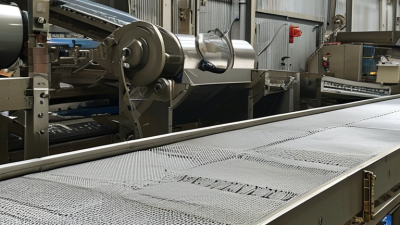
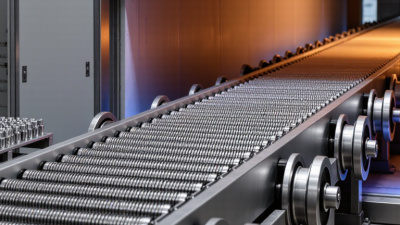
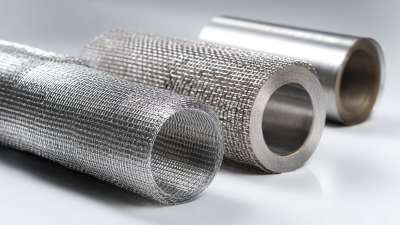
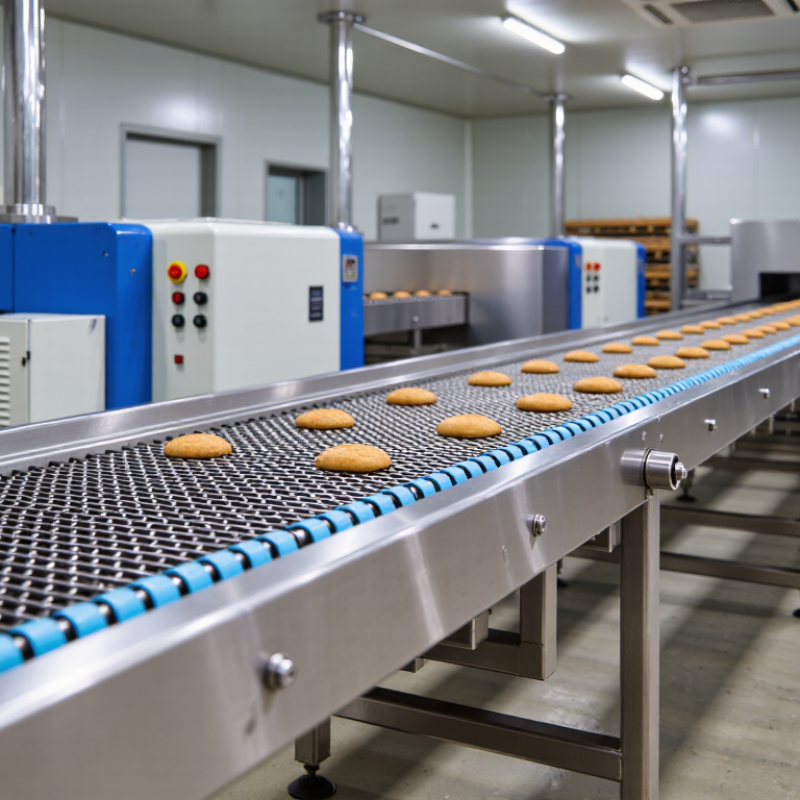
Picking the right Metal Conveyor Belt isn’t just about flipping through a catalog — it’s a practical engineering decision. You need to think about what you’re actually moving, the temperature it will face, the load, speed, how you plan to clean it, and the space you have to work with. For example, a fine wire mesh might be perfect for small baked goods, but if you’re dealing with hot or rougher materials, something heavier and with closely linked chains might be a better fit. Honestly, those little details really do matter.
According to Grand View Research’s Conveyor Belt Market report, the global market for Conveyor Belts was around USD 6.9 billion in 2023, and it’s expected to keep growing through 2030. Now, that number covers all kinds of conveyor belts, not just metal ones, but it still shows that this is a big, evolving industry where durability, uptime, and matching up with specific applications are key.
There’s also CEMA’s 'Belt Conveyors for Bulk Materials' — a solid engineering reference — though it’s a bit broader than just Metal Belts.
So, start by focusing on your product. Then look at factors like heat resistance, corrosion, belt tension, drive setup, and how easy it is to clean. Be sure to ask suppliers for detailed specs: mesh size, material grades, load limits, and maintenance tips. And just a heads-up: a shiny finish doesn’t automatically mean it’s the right belt, and a cheap quote doesn’t guarantee it’s what you need either.
This piece doesn’t include a direct quote from a specific metal conveyor belt expert. Instead, it’s all about guiding you through checkable criteria and sources you can verify. That’s an important point — a conveyor belt that looks perfect on paper might still fail in real-life use if its openings, edges, or material don’t match what your production line actually needs.
Define the Conveyor’s Purpose and Operating Requirements
Start with the load. Record the product’s smallest and largest dimensions, weight, surface condition, and peak hourly rate—not just average flow. Abrasive castings, oily parts, and delicate baked goods place different demands on belt opening, wire shape, and support. Mark every transfer point, incline, and accumulation zone. These details can determine whether a balanced weave or a more open belt will run reliably. Small details matter.
Define the real operating envelope: continuous or intermittent duty, target belt speed, ambient and product temperatures, washdown frequency, and exposure to oils, salts, or cleaning chemicals. The U.S. Department of Energy’s 2014 Improving Motor and Drive System Performance sourcebook attributes about 68% of U.S. manufacturing electricity use to motor-driven systems. That figure is not conveyor-specific, but it makes duty cycle and load worth measuring before choosing a drive size. I would treat catalog speed as a starting point, not a guarantee; actual loading and transfers can be less tidy. Ask for a trial.
Identify the Metal Conveyor Belt Types That Fit the Application
Choosing a metal conveyor belt starts with the product, not the catalogue. Small, dry parts often suit balanced-weave mesh, which bends around tight pulleys and allows airflow. Wet foods or washdown lines may need open mesh for drainage and visible cleaning. Heavy components can call for flat-wire or rod-reinforced construction, but check impact loads at transfer points; a belt can survive steady weight and still fail under repeated jolts. Metal Conveyor Belt Mesh should be specified by opening size, wire diameter, edge finish, and belt tension—not by appearance alone.
Temperature and corrosion narrow the options. Stainless steel is common, but grade matters: ASTM A240/A240M lists minimum tensile strengths of 515 MPa for Type 304 and Type 316 sheet and plate. These figures describe material, not a finished belt’s working load. Ask the supplier for belt-specific ratings and confirm them against actual span, speed, and temperature. Type 316 may help in chloride-rich environments, while carbon steel can be practical in dry, non-corrosive service. It is easy to over-specify. That deserves a second look: heavier wire adds mass and may increase drive demand. Test a sample with the real product, especially if crumbs, sharp edges, or sticky coatings can lodge between wires.
Choose a Belt Material for the Product and Environment
How to Choose the Right Metal Conveyor Belt?
Choose the belt material around both the product and its working environment. A Metal Mesh Conveyor Belt carrying warm baked goods faces different demands from one moving damp, abrasive parts. Stainless steel often suits frequent washdowns or exposure to mild corrosive agents. Carbon steel may work in dry, less demanding settings, but moisture can invite rust. Check the product’s temperature, weight, shape, and contact requirements before comparing materials.
Heat changes more than belt strength. It can cause expansion, affect belt tension, and alter how a product releases from the mesh. Oils, cleaning chemicals, and humidity matter too. Ask what touches the belt during a full shift, not just during production. A material chart helps, but it cannot predict every combination. Small differences in cleaning routines can change the choice.
Mesh opening size is part of material selection in practice. Fine pieces may fall through wide openings, while a very tight mesh can restrict airflow or drainage. Consider sharp edges, sticky coatings, and the load at each transfer point. It is tempting to pick the strongest metal available. That can add cost without solving the actual problem. A short trial with the real product and cleaning process may reveal issues that a specification sheet misses. Record wear, discoloration, and residue; those details are easy to overlook.
Compare Belt Construction, Opening Size, and Surface Design
How to Choose the Right Metal Conveyor Belt?
Compare belt construction, opening size, and surface design with the product and operating conditions. Woven mesh offers many small openings for airflow and drainage. Welded or heavier constructions can provide firmer support for bulky loads. Check wire thickness and joint quality, too; a belt that seems sturdy unloaded may flex under weight. Small gaps matter.
Opening size affects product support, cleaning, and process flow. Measure the smallest items, not just the average piece. Large openings can let small parts fall through, while very tight openings may restrict airflow or trap residue. Surface design matters as well. A flatter surface can help products release, while a raised or textured pattern can improve grip on inclined runs. The right choice depends on whether slipping, sticking, or marking is the main concern. A specification can look right on paper and still behave differently once the belt is loaded.
Tips: Ask for operating-temperature and load data before choosing. If possible, test a sample with real product. Watch for snagging, uneven tracking, and residue after cleaning. It is easy to focus on opening size and overlook the return path or cleaning routine. That deserves a second look.
Check Load Capacity, Speed, and Equipment Compatibility
A belt can fit the frame and still struggle under real production loads. Start with the maximum product weight per metre, not average daily throughput. Include accumulated parts, uneven spacing, and impact at transfer points. A heavy casting landing near one edge stresses links differently from evenly spaced cartons. Check chain pitch, belt width, and support spacing against load data. Leave margin for starts, stops, and occasional jams; calculated capacity alone can look reassuring. It can mislead.
Speed needs equal care. Record the required line rate and the actual distance between products, then calculate belt speed. With a Metal Chain Conveyor Belt, higher speed may increase noise, wear, and drive demand, especially when abrasive debris is present. Verify that the motor and gearbox can handle frequent acceleration, not only steady running. A trial with representative parts can reveal tipping or sliding that a spreadsheet misses.
Compatibility is physical and operational. Compare sprocket tooth form, shaft dimensions, guide-rail clearance, and frame width with the belt drawing. Check whether the belt material tolerates heat, moisture, cleaning chemicals, and the product itself. Small clearance errors matter. I would also ask how tension is adjusted and how worn links are replaced; maintenance access is easy to overlook. When specifications are uncertain, confirm measured loads and operating conditions with a conveyor engineer before ordering.
Evaluate Cleaning, Maintenance, and Service-Life Needs
Cleaning needs should match the material moving across the belt. Fine powders can settle between links, while sticky coatings may collect around welds and edges. Look for open areas that allow debris to fall through, and check whether brushes, air knives, or washdown suit the process. Not every cleaning method is appropriate. Water can cause corrosion on unsuitable alloys, and aggressive scraping may damage belt joints.
Maintenance access matters as much as belt design. Operators should be able to inspect tracking, tension, welds, and sprocket engagement without dismantling nearby equipment. Check the belt when it is cool and stopped. Small details matter. A bent edge or unusual vibration can signal trouble before a break occurs. Record inspection findings; memory tends to miss gradual changes.
Service life depends on temperature, load, speed, and cleaning frequency, so supplier estimates should be treated as starting points, not guarantees. A Metal Annealing Conveyor Belt must tolerate repeated heat cycles, but thermal resistance alone does not ensure long life. Confirm that the belt material and joint construction suit the furnace atmosphere and operating range. Heavier construction may resist wear, yet add moving mass and stress drive components. That trade-off deserves a real review of operating data.
Conclusion
Choosing the right Metal Conveyor Belt begins with a clear understanding of the job it must perform. Consider the product being conveyed, operating temperature, moisture, chemicals, required throughput, and the conditions around the conveyor. These factors help narrow down suitable belt types and materials, while also clarifying whether the application calls for a solid, open, or specially shaped surface.
Next, compare belt construction, opening size, and surface design to ensure products are supported and airflow or drainage needs are met. Check the belt’s load capacity and speed, and confirm that its dimensions and drive features fit the existing equipment. Finally, consider how easily the belt can be cleaned and maintained, along with its expected service life. Balancing performance, compatibility, and upkeep helps you select a dependable solution for your operation.