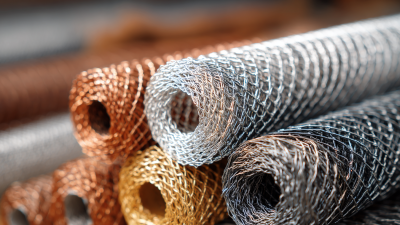
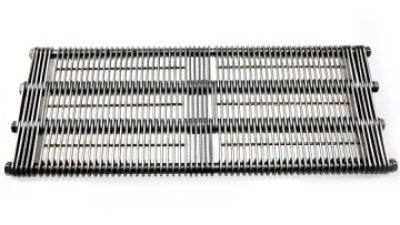
Picking the right Woven Wire Mesh for your project isn't just a simple choice—it can really make or break how smoothly things run and how good the final quality turns out. I recently came across a report mentioning that the global woven wire mesh market is expected to grow by about 5.6% from 2021 to 2026. That’s mainly because more industries like food processing, pharma, and industrial filtration are starting to rely on it more and more. When it comes to top players, JIANGSU HUADA METAL MESH BELT CO., LTD. really stands out. They’re one of China’s leading Metal Conveyor belt makers. Not only do they deliver super precise wire mesh belts, but they also have chain-driven systems that really hold up under tough industry demands. Plus, with their ISO 9001 and CE certifications, you know you’re getting quality that meets strict standards. They serve clients in over 20 countries, which just speaks to their reliability. So, understanding what makes a Woven Wire Mesh the right fit can really help you get the best results for your project—and set you up for long-term success.
Understanding the Different Types of Woven Wire Mesh and Their Applications
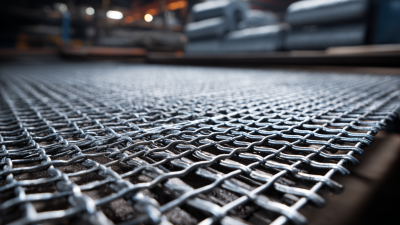
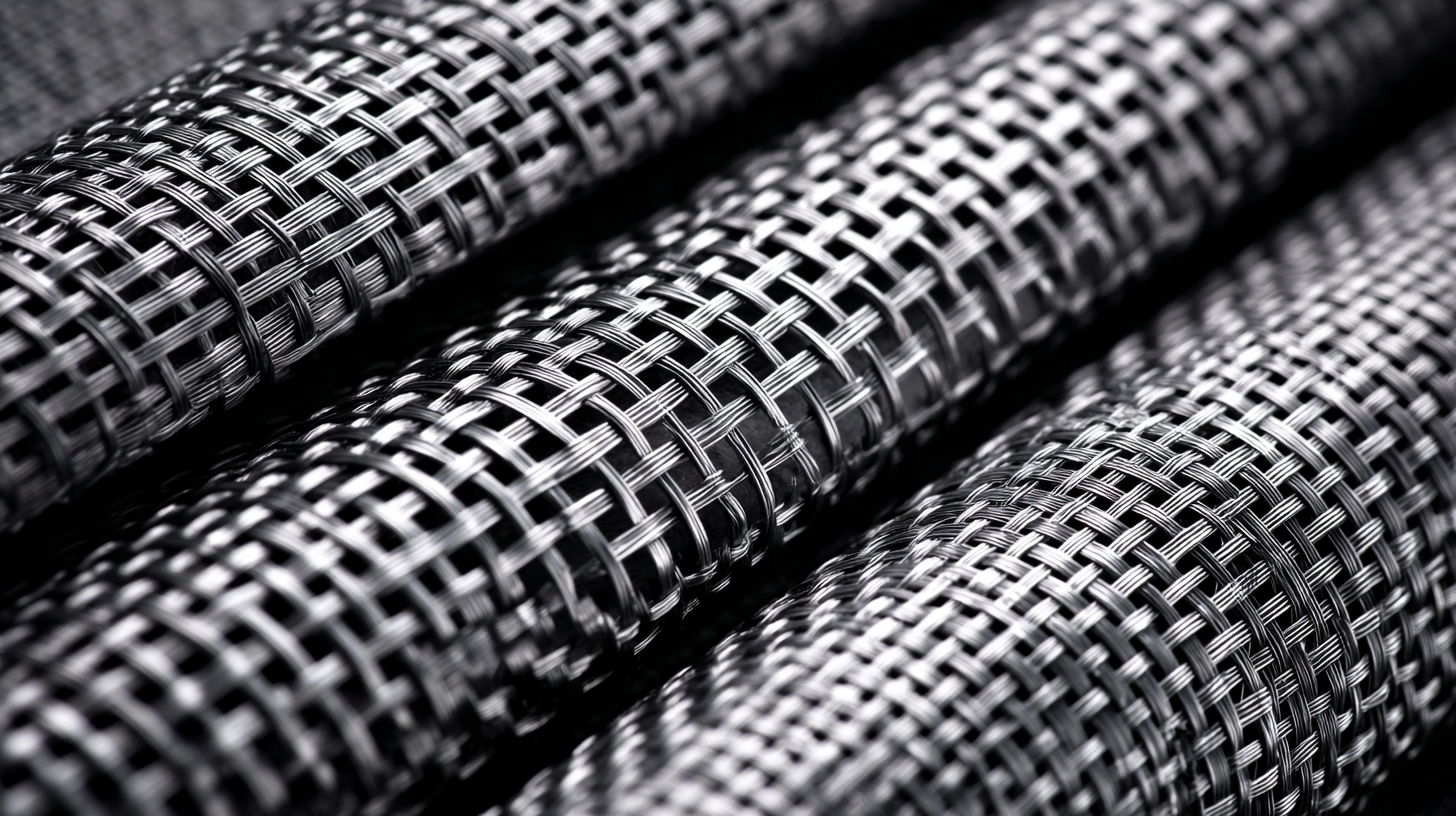
When you're trying to pick the right woven wire mesh for your project, it's super important to understand the different types out there and what each one is good for. Woven Wire Mesh Comes in a few main varieties—like plain weave, twill weave, and Dutch weave. The plain weave is kind of the default choice; it’s the most common, with that classic crisscross pattern that’s both strong and durable. You’ll see it used all over the place—from filters to construction projects.
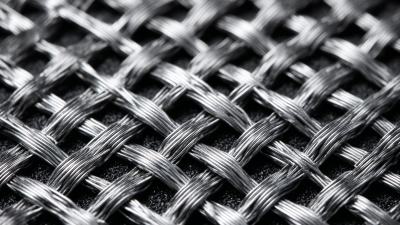
Now, twill weave is a bit more flexible and tends to have higher tensile strength, which makes it perfect for things that need a bit more give. The pattern creates larger openings, so it’s often found in stuff like fishnets and food screening. And then there’s Dutch weave—this one is really good if you need finer filtration. It’s made with tightly woven strands, resulting in smaller openings that are great for pharmaceutical and food processing tasks where precision really counts.
Getting a grip on what makes each type unique can really help you make the right call—so you end up with the mesh that’s just right for what you’re trying to do. Hope that helps!
Key Considerations for Selecting the Right Wire Diameter and Mesh Size
So, when you're picking out the right woven wire mesh for your project, there are a couple of key things to keep in mind: wire diameter and mesh size. The thickness of the wire really influences how sturdy and long-lasting the mesh will be. If you go with thicker wires, they can handle heavier loads and tougher conditions—perfect if you're working outdoors or in industrial settings. On the flip side, thinner wires are usually better for lighter tasks where flexibility and easy handling matter more. It’s pretty important to think about what your project needs so you can pick a wire thickness that strikes the right balance between strength and practicality.
Now, mesh size is all about how fine or open the mesh is, which in turn affects filtration and visibility. Smaller mesh sizes mean finer filtering—think of security screens or sifting materials—where you want to keep out tiny particles. But if your project requires good airflow or drainage for larger particles, then a bigger mesh makes more sense. When choosing, try to consider what materials you'll be using and the environment you'll be working in. Taking a bit of time to evaluate both wire diameter and mesh size will definitely help you get the most out of your woven wire mesh and make sure it works just right for what you need.
Analyzing Material Options: Stainless Steel vs. Galvanized Wire Mesh
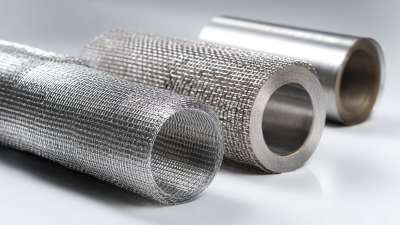
When you're trying to pick out the right woven wire mesh for your project, it really helps to understand the material options out there. Two popular picks are stainless steel and galvanized wire mesh — each one has its own perks, depending on what you need. 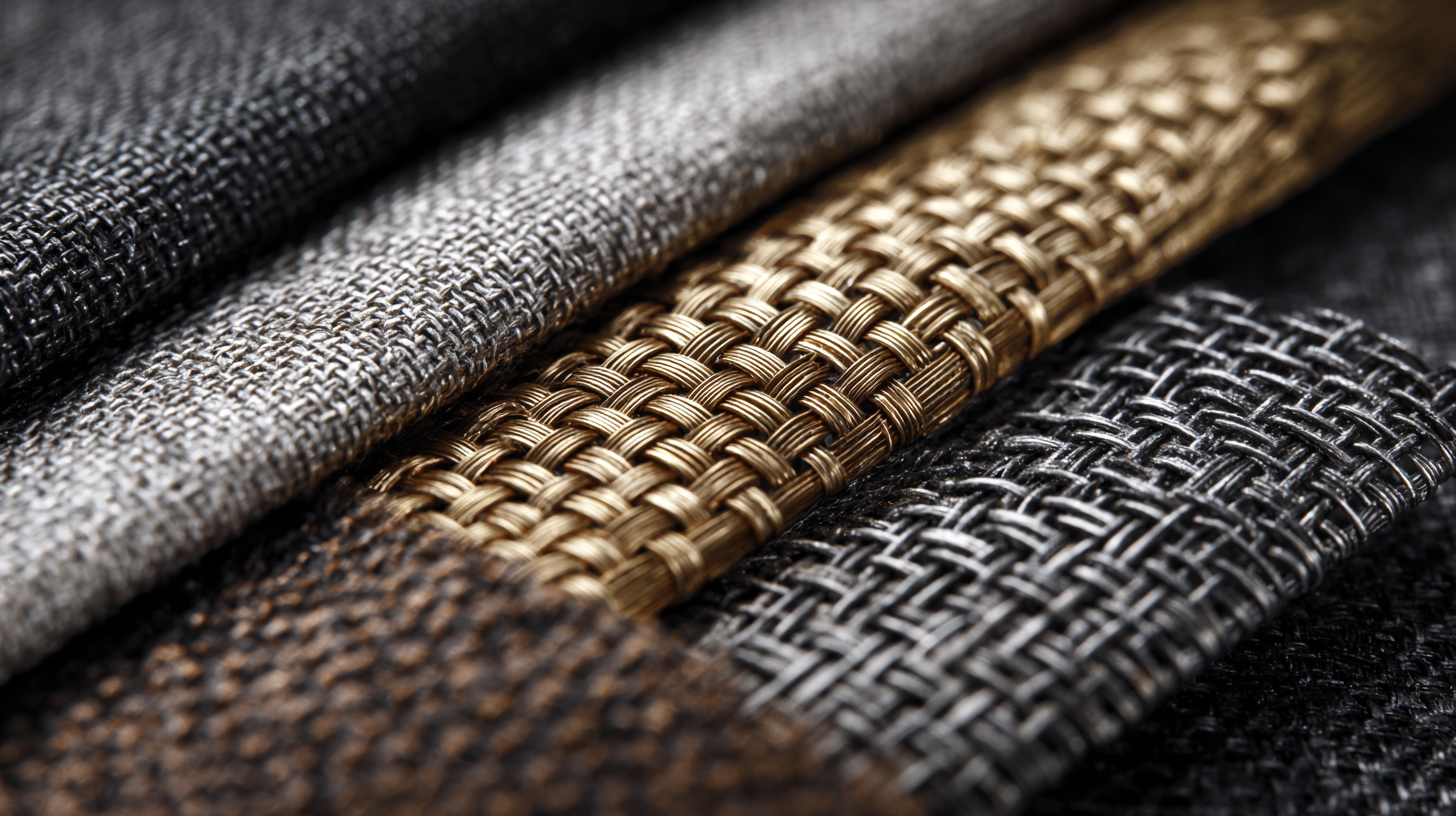 Stainless steel mesh is known for being super strong, resistant to rust, and long-lasting, so it’s perfect for tougher environments like food processing plants or chemical setups. Plus, it looks pretty good and stands the test of time, making it a favorite for architectural uses too.
On the flip side, galvanized wire mesh tends to be more budget-friendly and does a pretty decent job at resisting rust thanks to its zinc coating. It might not last as long as stainless steel in really harsh, corrosive conditions, but it’s a solid choice for fencing, general building projects, or anything where keeping costs down is a priority. Here at JIANGSU HUADA METAL MESH BELT CO., LTD., we’re all about providing high-quality, precisely made wire mesh belts and chain-driven systems. Our experience with both stainless steel and galvanized wire mesh means we’re ready to help out clients from over 20 countries. And with our ISO 9001 and CE certifications, you can trust that we really stand behind what we deliver.
Evaluating Load Capacity and Strength Requirements for Your Project
When you're trying to pick the right woven wire mesh for your project, it’s really important to think about load capacity and how strong the material needs to be. These things aren’t just about making sure it lasts; they also dictate how well the mesh will do its job. For example, if you’re working on something heavy-duty, you’ll need a mesh that can handle a lot of weight without bending or breaking. It’s also good to understand what kind of loads your mesh will face — whether it’s static (like constant pressure) or dynamic (like sudden shocks or vibrations). This kind of info really helps in making a smart choice.
And honestly, unexpected issues like what we saw in the auto world recently — where safety problems led to recalls — just highlight how important it is to carefully evaluate your materials. Just like how safety regulations require companies to make sure their products are trustworthy, choosing the right wire mesh means paying close attention to its specs and making sure it meets the right standards. If you focus on load capacity and strength, you're more likely to end up with a mesh that performs well and avoids costly failures down the line.
Impact of Mesh Weaving Patterns on Performance and Durability
When you're picking out woven wire mesh for your project, it's pretty important to get a good grip on how different weaving patterns can affect its performance and how long it lasts. You see, different techniques like plain weave, twill, and lock weave each have their own pros and cons, and they really make a difference depending on what you're actually using the mesh for. For example, a plain weave typically spreads out the load evenly, which makes it great for filtration stuff. But, honestly, it might not be flexible enough if you're dealing with some pretty heavy-duty applications. On the flip side, twill weave tends to be stronger and more durable, so it’s better suited for tougher, high-stress environments.
And it’s not just about strength — the pattern you choose can also impact how long the mesh lasts, especially when things get rough. Lock weave, with its interlocking pattern, really helps the mesh hold up against wear and tear, so it’ll hang in there longer in abrasive settings. Oh, and don’t forget about mesh density — tighter weaves usually offer better filtering, but they might also restrict airflow a bit. So, it’s definitely worth taking a close look at what your project needs before you decide. Picking the right weaving pattern and mesh density can totally make a difference in how well your mesh performs and how long it lasts in real-world conditions.
How to Choose the Right Woven Wire Mesh for Your Project Needs - Impact of Mesh Weaving Patterns on Performance and Durability
| Mesh Type | Weaving Pattern | Wire Diameter (mm) | Aperture Size (mm) | Applications | Durability Rating |
| Hexagonal Wire Mesh | Hexagonal | 1.2 | 25 | Animal Enclosures, Garden Fencing | High |
| Square Wire Mesh | Square | 0.8 | 10 | Construction, Filtration | Medium |
| Crimped Wire Mesh | Crimped | 1.0 | 15 | Mining, Sand Control | Very High |
| Stainless Steel Wire Mesh | Plain Weave | 0.5 | 5 | Food Processing, Pharmaceutical | High |
| Perforated Metal Mesh | Perforated | 1.5 | 20 | Architectural, Screening | Medium |
Industry Standards and Regulations to Guide Your Wire Mesh Selection
When you're choosing woven wire mesh for your project, it's really important to get a good handle on the industry standards and regulations. Knowing these helps ensure everything's compliant and working like it should. Organizations like ISO and ASTM give out guidelines that set the specs for wire mesh products. For example, ASTM A313 states that the wire used in woven mesh needs to meet certain tensile strength requirements—usually somewhere between 60,000 and 150,000 psi—depending on what you're using it for. This is pretty much to make sure the material can handle not just environmental stress but also the kind of wear and tear people or machines might cause.
Also, don’t forget to think about things like the size of the openings and wire thickness when picking the right mesh. The ANSI/ISEA 121-2021 standard is a good reference here, especially for safety and filtration uses. For instance, a finer mesh does a better job at filtering and also meets safety standards—really handy in food processing, where contamination can be a big concern. If you stick to these standards, you're pretty much setting yourself up for a product that’s both functional and safe, which ultimately leads to a smoother, more reliable project overall.
Elevate Your Style: How the Wire Ring Belt Transforms Any Outfit
Elevate Your Style: How the Wire Ring Belt Transforms Any Outfit
Transforming your outfit with a wire ring belt can take your style to the next level. The 316L Stainless Steel Wire Ring Belt not only serves a practical purpose in various industries, including beverage production and bottle washing, but it also offers a modern, chic look. Its sleek design can complement both casual and formal attire, making it a versatile accessory in your wardrobe. Imagine pairing it with a simple dress for an elegant event or with jeans and a t-shirt for a casual day out.
Moreover, the wire ring belts are not just about aesthetics; they embody functionality. Products like the CIP-Ready Beverage Conveyor Belt and Anti-Corrosion Wire Ring Belt for Brewery Bottling Lines exemplify how these belts hold up in demanding environments, ensuring durability while maintaining their stylish edge. Whether you’re cleaning up in a brewery or enhancing your everyday outfit, a wire ring belt speaks to both fashion and practicality. The adaptability and low-maintenance nature of these belts make them a must-have for anyone looking to elevate their style without sacrificing functionality.
FAQS
: The two main material options for woven wire mesh are stainless steel and galvanized wire mesh.
Stainless steel wire mesh offers exceptional strength, corrosion resistance, and durability, making it suitable for demanding environments such as food processing and chemical handling.
Galvanized wire mesh is commonly used in fencing and general construction projects, where budget constraints are a concern.
Galvanized wire mesh provides good rust resistance due to its zinc coating.
It's crucial to evaluate load capacity and strength requirements to ensure the mesh can withstand the necessary weight and perform effectively.
Understanding whether the loads are static or dynamic is vital to making an informed decision about the appropriate type of wire mesh for your project.
Recent safety concerns in the automotive industry, leading to recalls, emphasize the necessity of meticulous evaluation of materials to ensure reliability.
JIANGSU HUADA METAL MESH BELT CO., LTD. is backed by ISO 9001 and CE certifications, ensuring high-quality production of wire mesh products.
Yes, stainless steel wire mesh is favored in architectural applications due to its aesthetic appeal and longevity.
By focusing on the load capacity and strength of the woven wire mesh, you can minimize the chances of failures that could lead to costly setbacks.
Conclusion
When you're trying to pick the right woven wire mesh for your project, it’s really helpful to get a good grasp of the different types out there and what they’re best used for. I mean, stuff like wire thickness and the size of the openings can make a big difference in how well it works and how sturdy it is. Also, thinking about what material to go with—like stainless steel versus galvanized wire—really matters if you want something that lasts and doesn’t easily corrode.
Don’t forget to check the load capacity and consider how various weaving patterns might influence performance. It’s pretty important to stick to industry standards and regulations so everything’s legit and reliable. At JIANGSU HUADA METAL MESH BELT CO., LTD., we take pride in providing woven wire mesh belts that are carefully made to meet top international quality standards. Whatever your industry, we aim to help you get the best results possible.