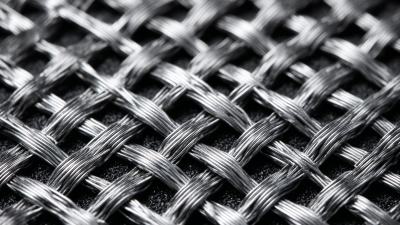
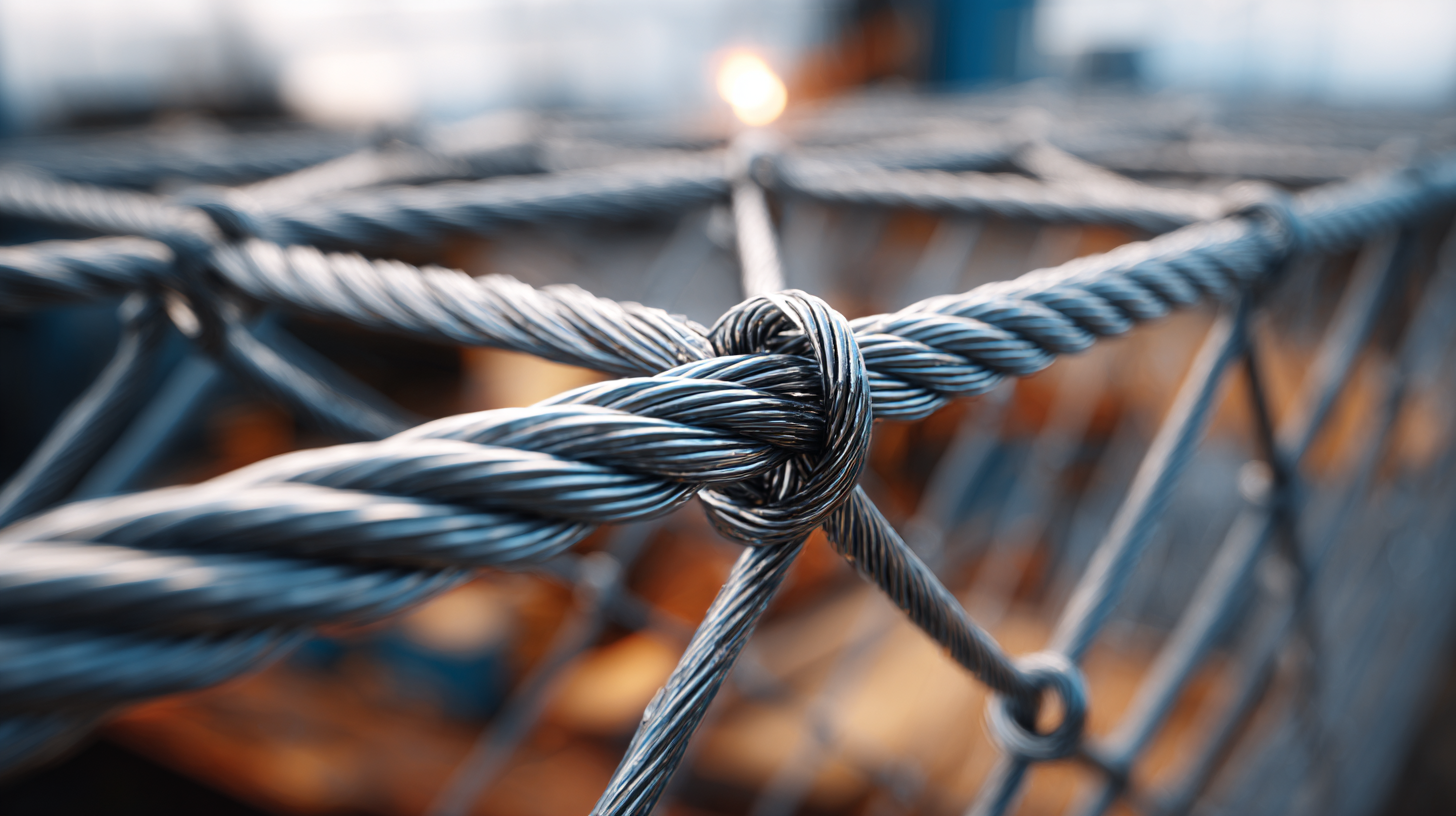
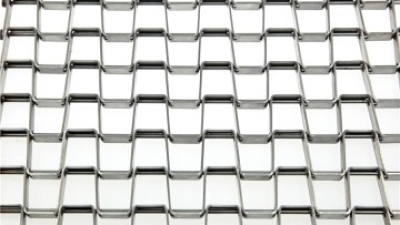
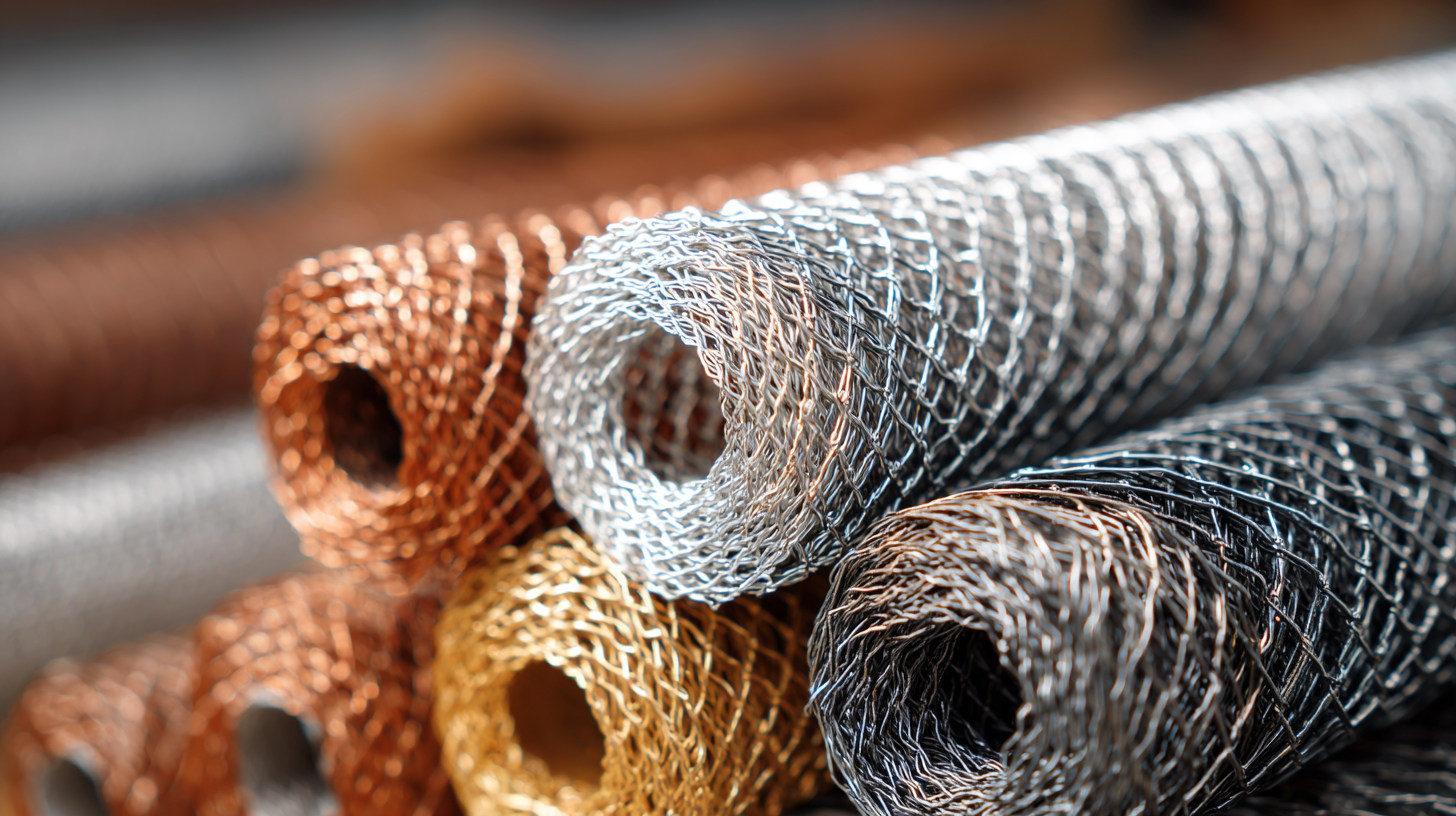
 Hey, if you've been paying attention to the global markets lately, you probably noticed that demand for Wire Netting has been really picking up. It's not too surprising really, since this stuff has so many uses across different industries. I read a recent market report that says the worldwideWire Mesh market might hit around $8.2 billion by 2025, with an annual growth rate of about 5.8%. Pretty impressive, right?
Anyway, JIANGSU HUADA Metal Mesh Belt CO., LTD.is one of the big players in this space. They're constantly pushing the envelope with new designs and offer top-notch wire Mesh Belts and chain systems to over 20 countries spanning five continents. Their manufacturing facilities areISO 9001 and CE certified, which means you can trust the quality and reliability.
This guide is meant to give you a real look at the different types of wire netting out there—what they're used for in various industries and how they help make operations safer and more efficient worldwide. Hope you find it useful!
The Evolution of Wire Netting Types: From Traditional to Modern Solutions
Over the years, wire netting has come a long way, transforming from those simple, old-school designs into much more modern, high-tech solutions. Back in the day, wire netting was mostly just twisted or woven wire—mainly used for basic stuff like farm fencing or animal enclosures. Those early versions were pretty straightforward and did the job, but they tended to fall short when it came to durability and versatility, especially in different situations. As industries grew and changed, so did the materials and manufacturing methods, leading to a whole range of wire netting options tailored for various needs across the globe.
Nowadays, thanks to new tech and better materials, modern wire netting is stronger and way more adaptable. Stainless steel, for example, has become a favorite because it resists rust and lasts a long time—perfect whether you’re fixing up a city garden or fencing a rural area. Plus, there are coated wires that look good and are more resistant to weather, making them great for home fencing and even architectural projects. It’s pretty cool how these innovations match what today’s market wants—more style, durability, and functionality—while still sticking to the core purpose of wire netting.
Key Industry Statistics: Global Wire Netting Market Size and Growth Projections
So, the global wire netting market is really picking up speed right now, thanks to all sorts of industrial uses and some pretty exciting tech innovations. Did you know that the cold chain logistics market, for example, is expected to hit around USD 1.2 trillion by 2033? That’s a huge jump, growing at roughly 14.5% each year! This kind of growth is super important for industries that need reliable wire netting — you know, to keep things moving smoothly in their supply chains. And it’s not just logistics; the agricultural fencing scene is also booming. Experts say it’ll go from about USD 33.5 billion in 2025 to nearly USD 50 billion by 2033, which is around a 5.4% growth rate. Quite impressive, right?
In this whole picture, companies like JIANGSU HUADA METAL MESH BELT CO., LTD. are really stepping up to meet the rising demand for top-notch wire mesh products. They’re one of China’s leading makers of metal conveyor belts, and they really know their stuff. Their solutions are precise and versatile, fitting into all sorts of markets, from farming to logistics. What’s cool is that they’re seriously committed to quality, with ISO 9001 and CE certifications backing their production. Their belts and chain systems are trusted in over 20 countries, which just goes to show how important wire netting has become in powering global industry growth.
A Comprehensive Comparison of Wire Netting Types and Their Applications in Global Markets
Material Innovation: Analyzing the Shift to Sustainable Wire Netting Options
Lately, there’s a real shift happening in the world of wire netting—people are looking more and more into sustainable options, and it’s really changing the game globally. I read a recent study by Smithers Pira, and they’re saying that demand for eco-friendly materials used in industrial stuff is expected to grow by more than 5% each year up until 2025. It’s pretty clear that stricter regulations and consumers’ growing interest in greener choices are the main drivers behind this trend. Using recycled or bio-based materials for wire netting isn’t just good for the environment—it also tickles the fancy of consumers who are increasingly into sustainability. That, in turn, opens up some fresh opportunities for manufacturers in the market.
On top of that, companies are getting pretty creative with new manufacturing tech. Tools like electrospinning and 3D printing are making it possible to produce lightweight, tough, and eco-friendly wire netting. According to another report from Grand View Research, the global market for sustainable wire netting could hit around $2 billion by 2027. It’s pretty exciting to see how sustainable practices are gaining ground in this industry. As these innovative methods become more widespread, it’s likely the market will lean even more toward products that blend top-notch performance with environmental responsibility — kinda like hitting two birds with one stone.
A Comprehensive Comparison of Wire Netting Types and Their Applications in Global Markets - Material Innovation: Analyzing the Shift to Sustainable Wire Netting Options
| Wire Netting Type | Material Composition | Sustainability Rating | Applications | Market Demand (Est. Metric Tons) |
| Galvanized Steel Netting | Galvanized Low Carbon Steel | Moderate | Agriculture, Construction | 120,000 |
| Stainless Steel Netting | Stainless Steel 304/316 | High | Industrial, Architectural | 85,000 |
| PVC Coated Wire Netting | Steel Wire, PVC Coating | Moderate | Fencing, Gardening | 100,000 |
| Bamboo Wire Netting | Natural Bamboo | Very High | Eco-Gardening, Crafts | 30,000 |
| Recycled Plastic Netting | Recycled Plastics | Very High | Aquaculture, Wildlife Fencing | 25,000 |
Comparative Analysis: Evaluating Strength, Durability, and Versatility of Different Wire Netting Types
Lately, there's been a real surge in the demand for all kinds of wire netting. People are looking for more sustainable ways to build and make better use of materials. In this comparison, I’m taking a closer look at how different wire mesh setups stack up in terms of strength, durability, and how versatile they are. One thing that's really shaking things up is eco-friendly wire mesh solutions — they’re actually changing the game in construction by making concrete structures way more sustainable. Recent research shows that if you build wire meshes from natural fibers, you get better mechanical properties and you help the environment at the same time.
On top of that, the market for wire mesh is expected to grow quite a bit. Experts say it might jump from around $8.5 billion in 2025 to over $11.7 billion by 2034. This boost is largely because people are becoming more aware of how precious resources are, and they’re pushing for new innovations like preplaced aggregate geopolymer concrete, which mixes steel mesh with these tiny 5D fibers. Not only do these innovations make structures stronger, but they also support more sustainable building practices. All in all, it really highlights how many different ways wire netting can be used around the world — it’s pretty exciting stuff!
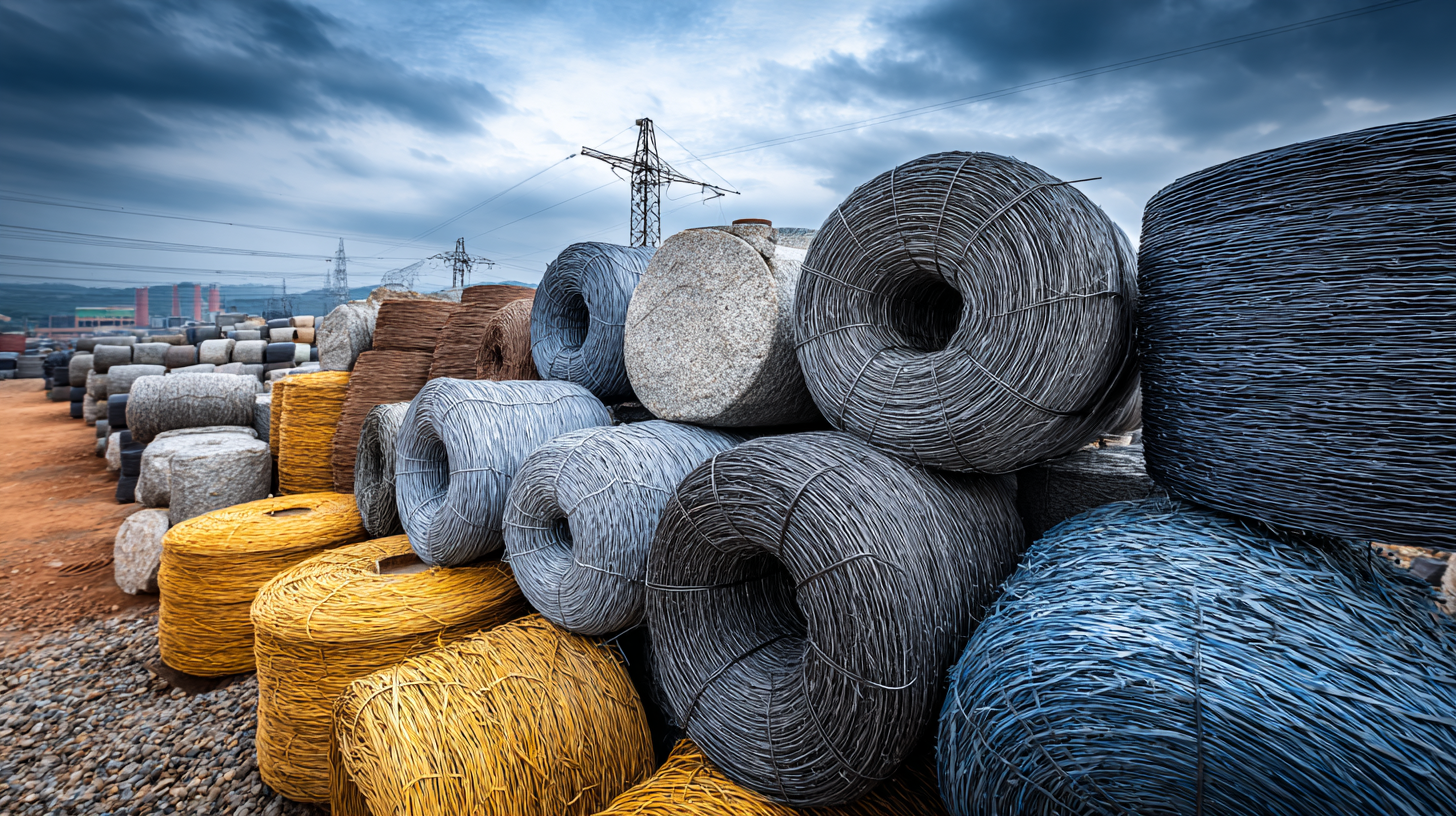
Application Zones: Regional Usage Trends in Agriculture, Construction, and Safety Sectors
You know, wire netting really holds a pretty important place in global markets, especially when you look at sectors like agriculture, construction, and safety. For instance, in farming—especially here in North America—almost half of the wire netting used is for keeping livestock safe and protecting crops. It’s a sign that more farmers are leaning towards sustainable, eco-friendly practices. Around the same time, in parts of Europe and Asia, there's been a noticeable jump—around 30% over the last five years—in heavy-duty wire netting used for erosion control and fencing in construction projects. It just goes to show how versatile this stuff really is.
Oh, and a quick tip: when you're picking wire netting for farming, look out for options that resist rust and UV damage. It'll last longer and perform better, especially in different climates.
On the safety side of things, wire netting is becoming more popular, especially in cities where security is more crucial than ever. Recent market reports say that about a quarter of all wire netting demand in the Asia-Pacific region comes from safety applications—things like fences at construction sites, parks, and public spaces. This trend really shows how urban planning is evolving, using wire netting as a key part of safeguarding public areas.
Just a heads-up: make sure whatever wire netting you choose complies with local safety and building rules. Not only does that keep everything legit, but it also ensures your fences or barriers stay protected and last a good long time.
Future Trends: Technological Advancements Shaping Wire Netting Production and Functionality
Looking ahead to the future of wire netting production, it’s pretty clear that new tech is going to really shake things up across different uses. In 2024, we’re seeing some exciting trends, like the rise of smart tech and eco-friendly materials, which are likely to change the way the market operates. Stuff like solar-powered fencing and electronic textiles are popping up more and more — they’re making fences safer and more functional, whether you're working in the city or on the farm.
For manufacturers, my biggest tip is to get on board with sustainable practices. Using environment-friendly materials and greener production methods not only appeals to the eco-conscious crowd but also helps you stay ahead of regulations. Plus, throwing in some smart tech into your products can give you a real edge — it’s all about meeting the changing needs of global markets with innovative features.
And let’s not forget, as a leader in this space, JIANGSU HUADA METAL MESH BELT CO., LTD. plays an important role in all of this. Our focus on precise engineering and top-notch quality means we’re always pushing to innovate — exploring new designs and production methods so that our products stay ahead of the curve in wire netting applications.
Exploring the Advantages of Flat Wire Belts: A Versatile Solution for Modern Industries
In the rapidly evolving landscape of modern industries, flat wire belts emerge as a versatile and efficient solution, making significant strides in manufacturing and processing applications. Their unique design and structure not only ensure durability but also offer numerous advantages tailored to specific industry needs. For instance, food-grade flat wire belts made from 316L stainless steel are FDA compliant, ensuring safety and cleanliness in food processing environments. This adaptability makes flat wire belts an invaluable asset across various sectors.
Another remarkable characteristic of flat wire belts is their capability to withstand extreme conditions. High-temperature flat wire furnace belts can operate at temperatures up to 800°C, making them ideal for heavy industrial applications such as metal stamping and heat treatment processes. Similarly, anti-static flat wire belts are essential in electronics assembly, reducing the risk of electrostatic discharge that can damage sensitive components. The availability of custom-width flat wire mesh for packaging lines further enhances their flexibility, allowing industries to optimize their production flows efficiently.
In addition to their functional benefits, flat wire belts demonstrate a commitment to hygiene and safety. The hygienic flat wire belts with EHEDG certification ensure compliance with stringent health standards, making them crucial in pharmaceutical and food-related applications. Their non-stick properties are particularly advantageous in the bakery and confectionery industries, facilitating smoother processes and reducing waste. With such a diverse range of flat wire belts on the market, industries can find tailored solutions that not only improve performance but also enhance operational efficiency.
FAQS
: Wire netting plays a pivotal role in agriculture, construction, and safety sectors globally.
In North America, nearly 45% of wire netting solutions are employed for livestock containment and crop protection, reflecting sustainable farming practices.
Heavy-duty wire netting is commonly used for erosion control and fencing in construction projects in Europe and Asia, which has increased by approximately 30% over the past five years.
The safety sector in Asia-Pacific accounted for about 25% of wire netting demand, driven by urbanization and a heightened focus on public safety measures.
When selecting wire netting for agriculture, options with corrosion resistance and UV-protection features should be considered to enhance durability in diverse climates.
Future trends include the integration of smart technology and sustainable materials, such as solar-powered fencing and electronic textiles.
Manufacturers should focus on adopting sustainable practices and investing in smart technologies to appeal to environmentally conscious consumers and meet evolving demands.
Ensuring that wire netting meets local safety and building codes maximizes protection and longevity of installations.
JIANGSU HUADA METAL MESH BELT CO., LTD. is a crucial player committed to precision engineering and high-quality manufacturing in the wire netting market.
Sustainable practices not only attract environmentally conscious consumers but also ensure compliance with regulatory standards.
Conclusion
You know, the world of wire netting is always changing, and in this post, I want to walk you through how things have progressed — from the old-school methods to today’s modern solutions. We’ll look at some key stats from the industry, giving you a sense of just how big the global wire netting market is these days and where it’s headed in the future. Also, there’s a big push toward using more sustainable materials, which is pretty exciting — it shows how industries are becoming more environmentally conscious.
On top of that, I’ll compare different types of wire netting, highlighting their strengths, how long they last, and what makes them versatile. These details are especially handy if you’re dealing with agriculture, construction, or safety projects. As technology keeps improving, the future of wire netting looks pretty promising — and companies like Jiangsu Huada Metal Mesh Belt Co., Ltd., are leading the way with precision-engineered solutions, especially when it comes to metal conveyor belts.
All in all, it’s a fascinating industry to watch, with plenty of innovation on the horizon.