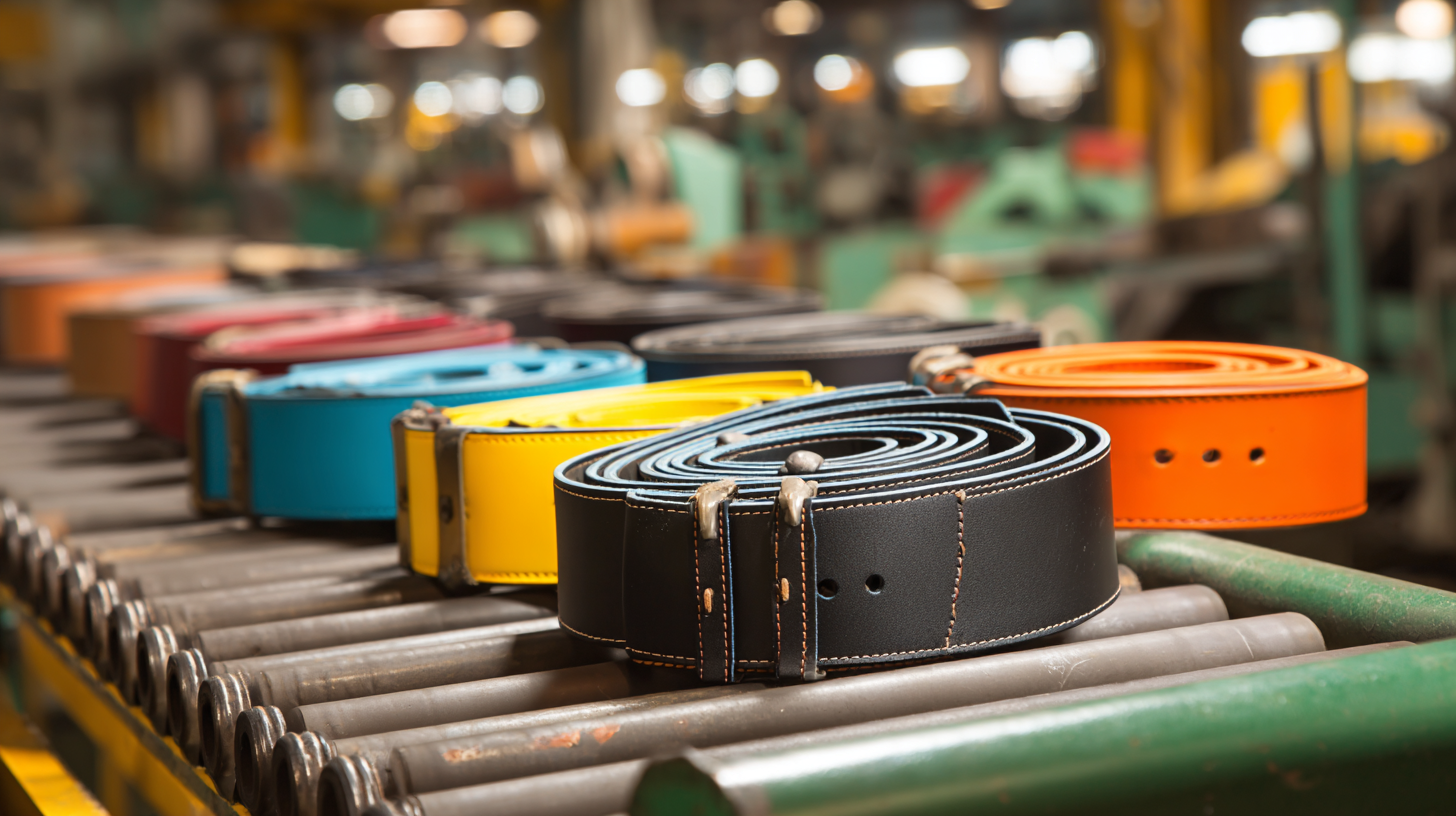
When it comes to manufacturing and logistics, picking the right industrial belt is pretty important. It can really make a difference in how smoothly things run and how reliably your materials are handled. As one of the top players in this space, JIANGSU HUADA Metal Mesh Belt CO., LTD.specializes in creating precision-engineered Wire Mesh Belts and chain-driven systems that cater to a wide range of industry needs around the world. With over20 years of experience under our belt, our ISO 9001 and CE certified facilities have allowed us to serve clients in more than 20 countries across five continents. In this handbook, we’ll take a closer look at the different options out there for industrial belts—covering everything from materials and design to maintenance needs. By getting a good grasp of these choices, you can make smarter decisions to boost your operation’s performance and make your conveyor systems last longer.
Key Factors in Selecting the Right Industrial Belt for Your Applications
Picking the right industrial belt for your specific needs isn’t just about what looks good on paper. There are a few key things to keep in mind to make sure it works well and lasts. For starters, you really wanna pay attention to what material the belt's made of. According to the International Belting Association, over 70% of equipment failures happen because people didn’t choose the right material for the conditions. For example, polyurethane belts tend to hold up better against abrasion and wear compared to rubber ones, so they’re usually a better choice for high-speed or heavy-duty stuff.
Then, there's the design and build of the belt itself. The American National Standards Institute suggests checking out things like thickness, width, and the profile shape — basically, making sure it fits what the job needs. Don’t forget, environmental factors also matter a lot. If your belts are exposed to crazy temperature swings or chemicals, that can really affect how long they last. The Belt Manufacturers Association points out that belts in harsh environments can lose around 30% of their lifespan if they aren’t rated properly for those conditions. Bottom line: do your homework and really understand these factors. Picking the right belt isn’t just about getting the job done; it’s also about saving money in the long run and avoiding unexpected failures.
Top 5 Types of Industrial Belts and Their Specific Uses
When you're dealing with industrial belts, it’s pretty important to get to know the different types out there. That way, you can really pick the right one for whatever job you're tackling. For example, generator belts are a big deal—they’re key parts in both cars and heavy machinery. These belts are guided by pulleys or tensioners, which might be spring-loaded, hydraulic, or even manual, depending on the setup. What’s cool is that generator belts tend to be more efficient than the old-school traditional ones, making them a go-to choice for modern engines and industrial equipment.
On top of that, the industrial belt market is actually growing pretty fast, thanks to new materials and tech improving stuff all the time. The global rubber market, which is where a lot of these belts come from, was around $40.77 billion back in 2019 and is expected to hit about $51.21 billion by 2027. That’s a compound annual growth rate of roughly 5.3%. Basically, this shows there's a rising demand for high-quality, long-lasting belts—factories are really on the lookout for options that save energy and make their equipment last longer. Keeping these trends in mind can help businesses make smarter choices about which industrial belts to go with in their setups.
7 Essential Maintenance Tips to Extend the Life of Your Industrial Belts
When it comes to industrial belts, keeping up with maintenance is super important if you want them to last longer and perform at their best. I read a recent report from the American National Standards Institute (ANSI), and it really opened my eyes—poorly maintained belts can drop efficiency by around 30%, and there's about a 25% higher chance of it failing unexpectedly. Yikes! But the good news is, sticking with some simple maintenance routines can really make a difference and help avoid these issues.
One of the biggest tips? Make checking your belts a regular habit. Keep an eye out for cracks, fraying, or anything that looks out of place—these are signs something might be off. It’s also crucial to get the tension just right. Too loose or too tight, and you’re asking for trouble—like slips or faster wear, which studies from the Rubber Manufacturers Association say can cut your belt’s life in half. Don’t forget to keep things clean—dust and debris might seem harmless, but they can put extra strain on your belts and speed up damage.
And oh, make sure you follow your manufacturer’s recommended replacement schedules. A little planning here can save you around 10-15% on replacement costs each year. Honestly, sticking to these simple tips not only helps your belts last longer but also keeps everything running smoothly and efficiently. Trust me, it’s worth the effort!
The Comprehensive Handbook to Choosing and Maintaining Industrial Belts - 7 Essential Maintenance Tips to Extend the Life of Your Industrial Belts
| Maintenance Tip | Description | Frequency | Expected Lifespan Extension |
| Regular Inspections | Conduct visual and physical inspections to identify wear and tear. | Monthly | 6 months |
| Proper Tensioning | Ensure belts are neither too loose nor too tight to avoid excessive wear. | Quarterly | 1 year |
| Cleanliness | Keep belts and pulleys free of dust and debris to prevent slipping. | Weekly | 6 months |
| Lubrication | Apply lubricant compatible with belt material to reduce friction. | Bi-annually | 1 year |
| Alignment Checks | Ensure that all components are aligned properly to avoid uneven wear. | Monthly | 1 year |
| Monitor Operating Conditions | Check temperature and humidity; extremes can affect belt durability. | Continuous | Varies |
| Replace Worn Parts | Replace any damaged components, including pulleys and bearings. | As Needed | Indefinite |
Best Practices for Installing Industrial Belts to Ensure Optimal Performance
When you're setting up industrial belts, it’s pretty important to understand the best ways to do it so everything runs smoothly. First off, picking the right belt for your specific needs is really the foundation—getting that right makes a big difference. You wanna think about things like how much load it has to handle, what materials it’s compatible with, and the environment it’ll be working in. Oh, and don’t forget to give the belt a quick once-over before installing—seeing even tiny flaws now can save you headaches later on.
Once you’ve picked the right belt, making sure it’s installed correctly becomes super crucial. Take your time to align the pulleys properly—if they’re even a little off, it can cause a lot of extra wear and tear, not to mention a shorter lifespan. Also, pay attention to the tension. Too slack, and it might slip; too tight, and you’re putting unnecessary strain on everything. It’s a good idea to do regular checkups after installation—catching problems early can make all the difference. Following these tips will help your belts last longer and work more efficiently, which just means your whole operation runs smoother and more productively.
10 Common Mistakes to Avoid When Choosing Industrial Belts for Your Equipment
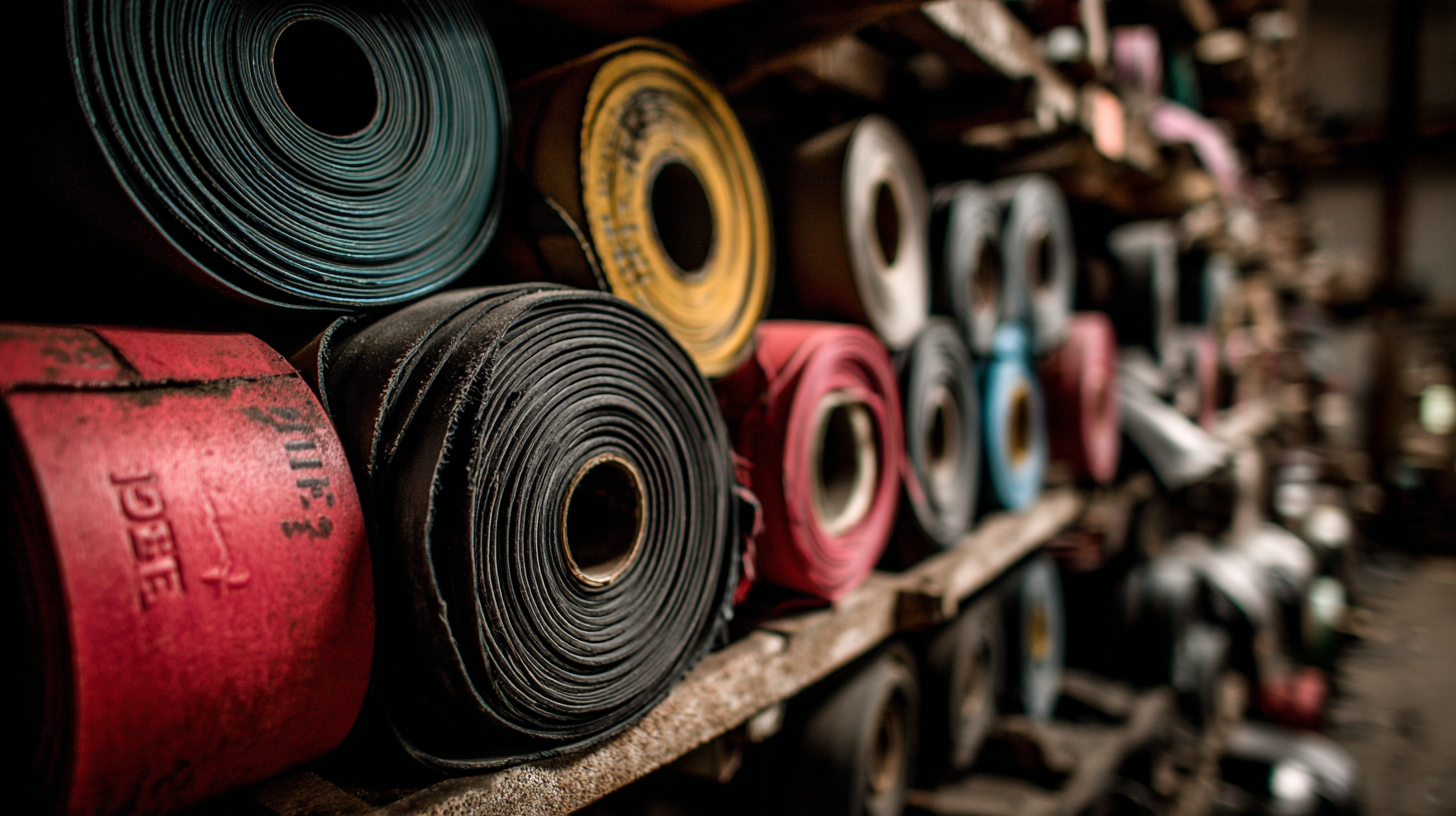
So, when you're picking out industrial belts for different jobs, it's really important to watch out for some common mistakes that can mess up your operations or end up costing you more in the long run. One of the biggest blunders? Not really paying attention to whether the belt actually works with your existing equipment. For example, belts like generator belts need to be precisely aligned and tensioned using pulleys or tensioners. Using a belt that wasn’t designed for your machine can lead to it wearing out way too fast or even breaking down unexpectedly.
On top of that, a lot of folks forget to consider the material the belt is made of. Did you know that the global conveyor system market is expected to jump from around $6 billion in 2024 to over $9 billion by 2032? That’s a compound annual growth rate of about 5.5%. It really shows how much the demand for good-quality belts is skyrocketing. Picking belts made from materials that can handle the stresses of your operation is super important. Thanks to advances in rubber tech, modern belts are way more durable and efficient now—way better than what was available years ago.
And there’s one more thing that often gets overlooked—regular maintenance. Honestly, keeping an eye on your belts, inspecting them regularly, and swapping them out when needed can make a huge difference. It helps keep downtime to a minimum and keeps your productivity on point. Plus, with new tech on the horizon—like the big upgrades expected in belt testing by 2025—staying up-to-date with the latest standards and best practices really pays off for manufacturers and users alike.
FAQS
: Maintenance is crucial for industrial belts because poorly maintained belts can lead to a 30% decrease in efficiency and a 25% higher chance of unexpected failures.
Signs of wear and tear in industrial belts include cracks, fraying, and any misalignment that could affect their performance.
An improperly tensioned belt can result in slippage or excessive wear, potentially reducing its lifespan by up to 50%.
Regular cleaning is necessary because dirt and debris can cause undue strain on the belts, accelerating their degradation.
It’s important to follow the manufacturer's guidelines for replacement intervals to optimize performance and reduce costs.
The selection of an industrial belt should be guided by factors such as load capacity, material compatibility, and the operating environment.
Misalignment of the pulleys during installation can cause excessive wear and tear on the belt, leading to premature failure.
Maintaining the correct tension in the belt during installation is essential, as improper tension can cause slippage or excessive strain on components.
Regular maintenance checks post-installation are vital to catching any wear or misalignment early, ensuring the longevity and efficiency of industrial belts.
By following best practices for installation and maintenance, you can maximize the longevity and efficiency of industrial belts, contributing to overall productivity.
Conclusion
Hey, if you're diving into the world of industrial belts, you might want to check out our 'Comprehensive Handbook to Choosing and Maintaining Industrial Belts.' It’s a pretty handy guide that walks you through what really matters when picking the right belt for different jobs. Things like how much load it needs to handle, how fast it should run, and what kind of environment it’ll be working in — all those details are super important. We also go over the top five types of industrial belts, explaining what each one is best suited for, and share seven tips on keeping them in tip-top shape so they last longer. Plus, there are some best practices for installing them correctly and a list of ten common mistakes you definitely want to steer clear of when selecting belts for your machinery.
As a top player in the industry, JIANGSU HUADA METAL MESH BELT CO., LTD. really cares about quality and precision. Our metal conveyor belts are made to meet all sorts of needs for clients around the world. With ISO 9001 and CE certifications, we’re serious about delivering reliable, high-performance belts that can handle even the toughest industrial environments. Basically, we're all about making sure you get the best gear for your operations — no shortcuts, just solid, dependable products.