You know, Conveyor Belt Transport isn’t just a fancy industry term — it’s actually a pretty big deal in all sorts of sectors. Basically, it helps move stuff smoothly along production lines, through warehouses, and even in mining. I read somewhere that the global market for this tech is expected to hit around $7.4 billion by 2026 — that’s pretty impressive! And a big part of that growth comes from companies wanting more automated systems to speed things up.
The technology behind Conveyor Belts has come a long way, too. These days, they’re made with smarter, more durable materials, and their designs are way better at handling heavy loads and resisting wear and tear. Steel belts, for example, can carry heavier stuff without breaking a sweat. But, of course, it’s not all perfect — there are still challenges like regular maintenance and, sometimes, safety hazards that you can’t ignore.
Plus, a lot of organizations tend to underestimate how important it is to do routine checks and inspections. Skipping those can lead to unexpected downtime and rack up costs. The key is finding that sweet spot between keeping things running smoothly and making sure everyone stays safe. As industries push for higher productivity, it’s super important to stay on top of these issues. Overall, conveyor belts play a vital role in keeping operations running smoothly — but they need proper planning, care, and management to really do their job well.
What is Conveyor Belt Transport? An Overview of the Technology
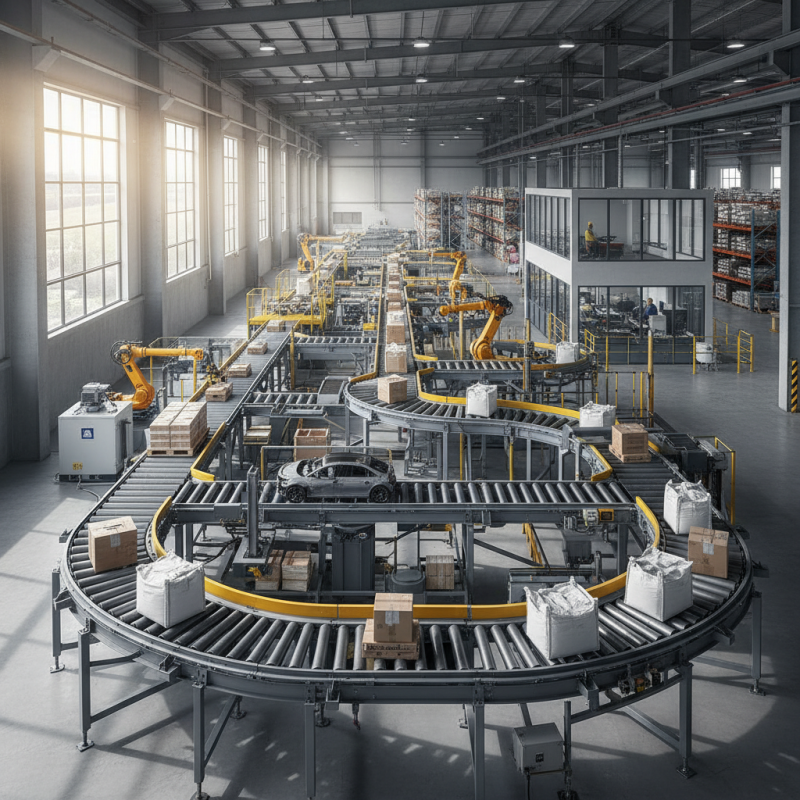
Conveyor belt transport is a crucial technology in many industries. It streamlines the movement of goods and materials. The system consists of a continuous belt that moves between pulleys. This allows for efficient transport over various distances. According to industry reports, conveyor systems can improve productivity by 25% or more.
Many businesses utilize conveyor belts for transporting heavy loads. This is particularly true in manufacturing and mining sectors. For instance, the Fly Ash Transport Belt 600°C operates efficiently in high-temperature environments. Such systems require careful design to ensure durability and reliability. It's not uncommon to witness operational challenges due to wear and tear. Regular maintenance is essential for optimal performance.
Tip: Always consider the load capacity of your conveyor system. Overloading can lead to sudden failures. Additionally, observing the speed settings is vital. If the speed is too high, materials may spill or get damaged. Be proactive in checking for signs of wear. Addressing issues early can prevent costly repairs.
Historical Development of Conveyor Belt Systems in Industry
The historical development of Conveyor Belt Systems in industry is fascinating. Early versions of conveyor systems date back to the 18th century. They were simple, relying on gravity and manual labor. The use of a belt to transport materials first became widespread in factories around the late 1800s. Advances in technology brought stronger materials and better designs. By the mid-20th century, conveyor belts became essential in industries like mining and automotive manufacturing.
Today, conveyor belt transport systems are vital for efficiency. Reports show that they decrease production costs by up to 30%. They enhance safety and speed in material movement. For instance, modern conveyor belts can handle heavy loads smoothly. They are also customizable, catering to specific industrial needs. However, some companies face challenges in maintaining these systems.
Tips: Regular maintenance is key. Inspect belts frequently for wear. This can prevent costly downtimes. Invest in training for staff on operating these systems safely. Proper training enhances productivity and ensures safety. Data indicates that well-trained employees can increase efficiency by 15%. It's essential to reflect on the balance between technology and human oversight in conveyor operations.
What is Conveyor Belt Transport and How Does it Work? - Historical Development of Conveyor Belt Systems in Industry
| Year | Event | Industry Impact | Technology Used |
| 1795 | First Recorded Use | Introduction of belt systems in agriculture | Animal-Powered Conveyor Belts |
| 1901 | Introduction of Steel Belts | Improved durability and load capacity | Steel Conveyor Belts |
| 1920 | Mass Production Techniques | Enabled assembly line production methods | Rubber and Fabric Conveyor Belts |
| 1950 | Integration in Mining | Revolutionized material handling in mining | Heavy-Duty Nylon Conveyor Belts |
| 1980 | Automation and Control Systems | Enhanced efficiency and operational reliability | PLC Automation |
| 2000s | Smart Technology Adoption | Real-time monitoring and data analysis | IoT and AI Integration |
Key Components of Conveyor Belt Systems and Their Functions
Conveyor belt systems are vital in various industries. They efficiently transport materials over different distances. Understanding their key components is essential for optimal functionality.
One crucial component is the belt itself. It supports the materials being transported. Various materials, such as rubber and plastic, are used for different applications. The drive system is another important part. It powers the belt and controls its speed. Common drive systems include electric motors and rollers. The idlers keep the belt in place and help reduce friction. These components ensure smooth operation and minimize wear and tear.
Tips: Regular maintenance checks on drive systems can prevent unexpected breakdowns. Keep the belts free of debris to maintain efficiency.
In addition, sensors can enhance monitoring capabilities. They can detect misalignment or wear of the belt. However, depending on technology introduces new challenges in integration. For example, outdated systems may struggle to adapt. This uncertainty requires reflection on upgrades to ensure productivity. Transport Belts are integral, but attention to detail is key for reliability.
Types of Conveyor Belts: Materials and Applications
Conveyor belts are crucial in various industries. Each type of conveyor belt is designed for specific materials and applications. For example, rubber belts are commonly used in mining and heavy-duty applications. They provide durability and resistance to wear. In 2021, the global conveyor belt market was valued at approximately $6.2 billion, with predictions to grow steadily over the next few years.
Another important type is the fabric belt. These belts are lightweight and flexible, making them ideal for packaging and food handling. Reports indicate that materials used in fabric belts can significantly reduce costs and improve efficiency. However, they may require more maintenance than their rubber counterparts. Users often overlook the need for routine checks, leading to unexpected downtimes.
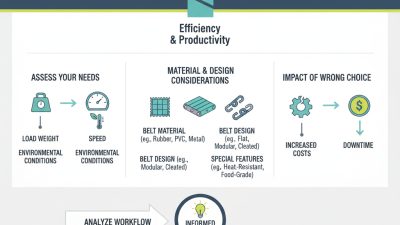
Specialty belts also exist. These include steel belts, ideal for high-temperature and heavy loads. They offer a unique solution for specific manufacturing processes. In 2022, the demand for specialty belts has shown a growth trend, reflecting the evolving needs of industries. However, selecting the right belt type can be challenging, as poorly chosen belts not only lead to inefficiencies but also impact overall production quality. Understanding the nuances of each belt material is crucial for maximizing operational effectiveness.
Understanding the Mechanisms: How Conveyor Belts Operate
Conveyor belts are vital in various industries. They transport materials efficiently along a predetermined path. The design is simple but effective. A continuous loop of material moves over two or more pulleys. It can be flat or v-shaped, depending on its use. This flexibility makes it suitable for multiple applications.
The mechanism relies on friction and surface tension. The belt's surface grips the materials being transported. But, there can be challenges. If the load is too heavy, the belt may slip. This leads to productivity loss. Regular maintenance is crucial to avoid wear and tear. Sometimes, the belt can misalign. This takes time to rectify and can disrupt operations.
Monitoring the speed is also important. If it moves too quickly, items may fall. If too slow, efficiency decreases. The ideal speed often depends on the material type. It's a balance that requires ongoing assessment. Making adjustments is key to smooth operations. Continuous improvement is necessary to adapt to changing needs.
Industry Statistics: Conveyor Belt Usage and Market Growth Projections
Conveyor belts play a crucial role in various industries. Their usage is growing steadily. According to recent industry reports, the global conveyor belt market is projected to reach $7.3 billion by 2027. This is driven by increased automation in manufacturing and logistics.
In 2022, the market experienced a compound annual growth rate (CAGR) of about 4%. As industries seek efficiency, conveyor belts are often the preferred choice. They are essential in transporting materials swiftly and safely, which can save time and costs. Yet, not all conveyor systems are created equal. Some designs may face operational challenges, such as wear and misalignment.
Tips: Regular maintenance is critical. A neglected conveyor can lead to costly downtimes. Implement routine inspections to spot issues early. Moreover, consider employee training to avoid operational errors. Efficiency is key, but it requires everyone’s commitment.
The rise of e-commerce significantly boosts demand for conveyor systems. Warehouses are investing heavily to streamline processes. This shift shows the importance of adaptability. Companies that don't upgrade may fall behind competitors. There’s no one-size-fits-all solution, so each operation must assess its needs.
Conveyor Belt Market Growth Projections
This chart illustrates the projected growth of the conveyor belt industry market size from 2018 to 2024. It indicates a steady increase, reflecting the growing demand for conveyor belt transport systems in various industries.
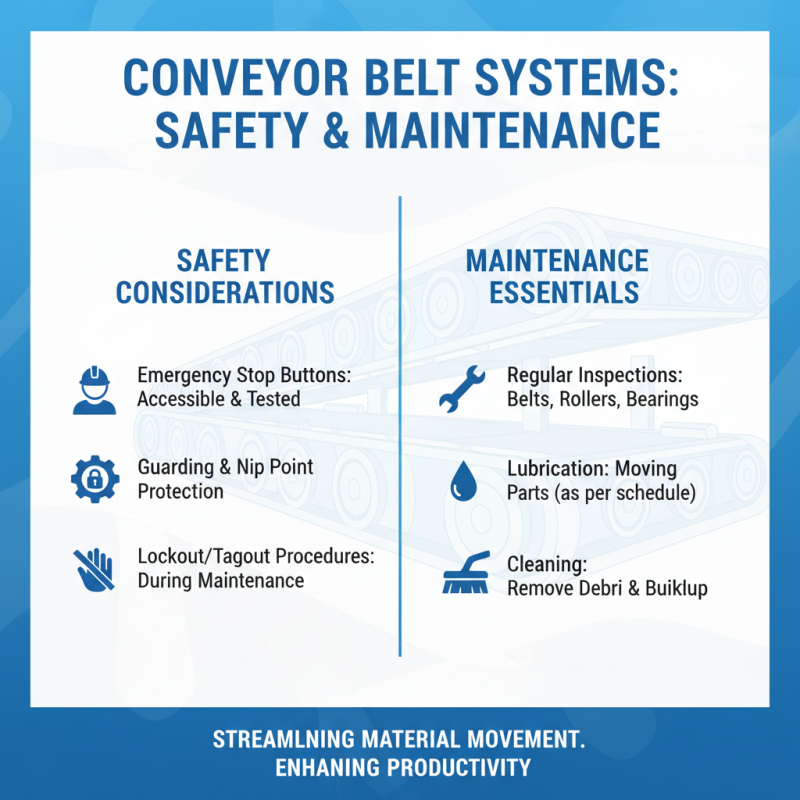
Safety and Maintenance Considerations for Conveyor Belt Systems
Conveyor belt systems play a crucial role in various industries. They streamline the movement of materials, enhancing productivity. However, safety and maintenance are vital aspects that should not be overlooked. Regular checks are necessary to ensure that all components work seamlessly.
Implementing safety measures is essential. Workers should be aware of the risks associated with conveyor belts. Clear signage and training can minimize accidents. Personal protective equipment (PPE) must be used. Workers should never try to fix a malfunctioning system without proper training.
Tips for maintenance include routine inspections. Check for wear and tear on the belts and rollers. Keep the area around the system clean to prevent debris buildup. It is important to have a maintenance schedule in place. This routine can extend the life of the Transport Chain and reduce unexpected downtimes. Address leaks promptly, as they can lead to more significant issues. Remember, a well-maintained conveyor system is safer for everyone involved.
Innovative Features and Benefits of the Clinch Edge Type Belt: Elevate Your Style and Comfort
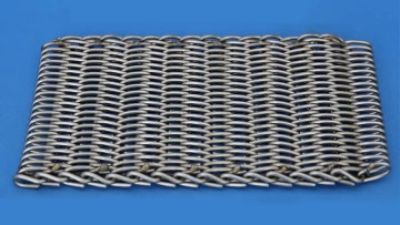
The Clinch Edge Type Belt represents a significant advancement in the world of industrial conveyors and processing equipment. With its sturdy design and innovative features, this belt not only enhances operational efficiency but also prioritizes user comfort and style. The incorporation of high-load powder sintering capabilities, particularly with thick-wire stainless steel, allows the belt to withstand extreme conditions while maintaining optimal performance. Reports indicate that belts designed for high-temperature applications, such as the high-temperature powder compacting belt rated for 800°C, are becoming increasingly essential in modern manufacturing environments.
One of the standout benefits of the Clinch Edge Type Belt is its oxidation resistance, which is vital for heavy-duty PM conveyor systems. The improvement in material durability ensures that even in demanding conditions, like those presented by heavy part transfer, the risk of wear and tear is considerably reduced. Furthermore, industrial-grade features, such as anti-oxidation coatings and corrosion-free materials like 316Ti stainless steel, exhibit a promising longevity and reliability in handling metal powders. These innovations not only support the efficiency of operations but also enhance worker safety and comfort.
Additionally, stability and load handling are critical factors in selecting the right conveying solution; the high-capacity PM furnace belt capable of supporting loads of 5kg/cm² exemplifies these principles. As industries continue to evolve towards more sustainable and efficient practices, the Clinch Edge Type Belt stands out as a versatile and essential tool, ensuring that both style and functionality are seamlessly integrated for optimal industrial applications.
FAQS
: Conveyor belts became essential in factories by the late 1800s, improving material transport efficiency.
They can reduce production costs by up to 30%, enhancing safety and speed in material handling.
Frequent inspections prevent wear and costly downtimes, ensuring continuous operational efficiency.
Rubber belts are used for heavy applications, while fabric belts cater to lightweight needs.
Companies often struggle with maintenance and selecting the right type of belt for their needs.
They rely on a continuous loop, using friction to grip materials, but can slip under heavy loads.
Misalignment and improper speed can lead to productivity losses and disrupt operations significantly.
Proper training can enhance productivity and safety, potentially increasing efficiency by 15%.
The market is witnessing steady growth, particularly in the demand for specialty belts for various applications.
Poorly chosen belts can lead to inefficiencies and impact overall production quality negatively.
Conclusion
Conveyor Belt Transport is a critical technology widely used in various industries for the efficient movement of materials. This system has evolved significantly over the years, adapting to the needs of industrial applications. Key components of conveyor belt systems, including pulleys, motors, and belts, work together to facilitate the smooth operation and transport of goods. Various types of conveyor belts are designed from different materials to suit specific applications, highlighting their versatility and importance in manufacturing and logistics.
Understanding the mechanisms behind how conveyor belts operate is essential for optimizing their performance. Industry statistics indicate a steady growth in the usage of conveyor belt systems, reflecting their integral role in enhancing productivity and efficiency. However, along with their benefits, there are safety and maintenance considerations that must be addressed to ensure the systems' longevity and safe operation. Overall, Conveyor Belt Transport stands as a fundamental element in modern industrial processes, shaping the way materials are handled and moved.