Leave Your Message
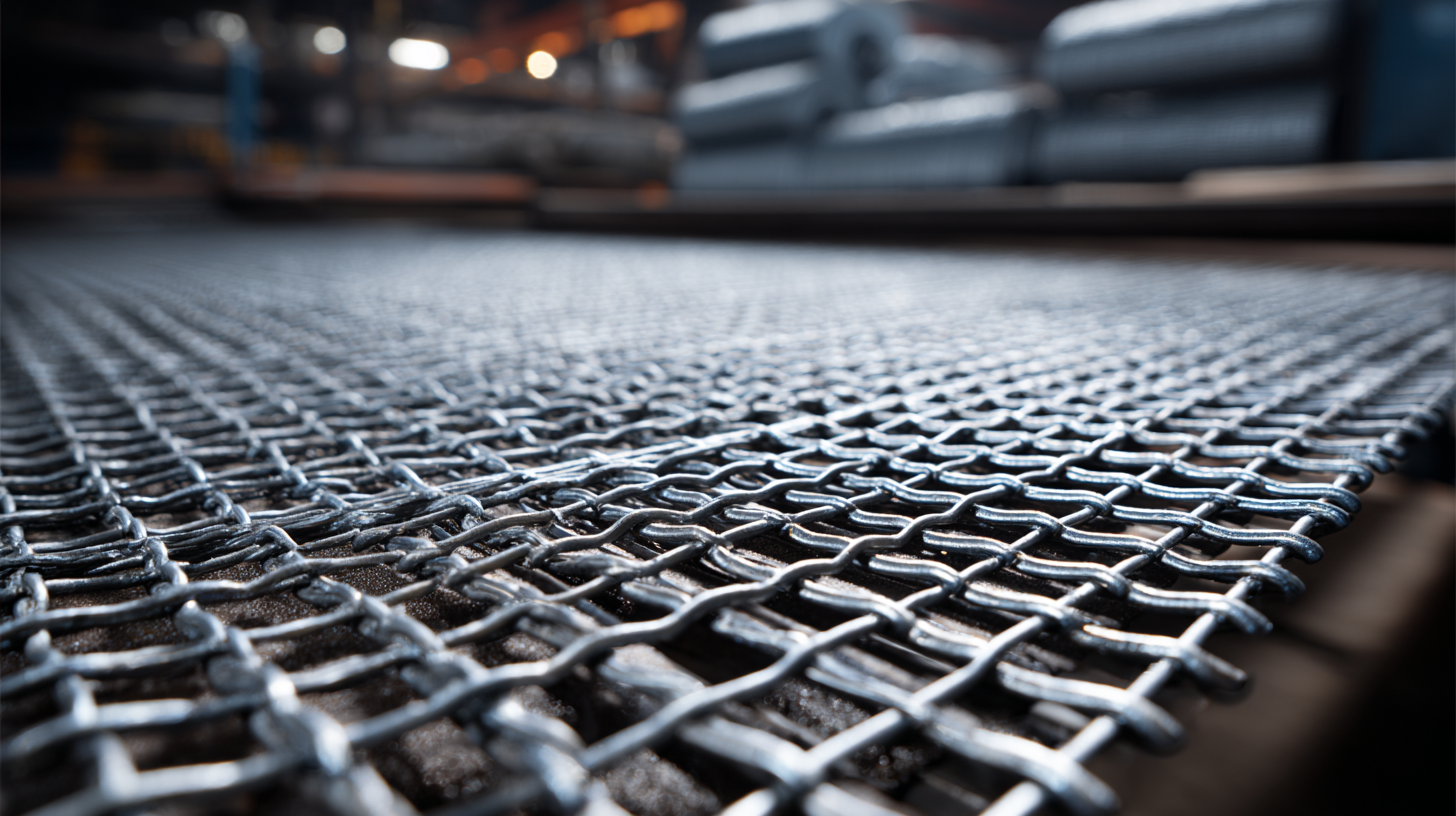 In today's competitive world of industrial applications, making sure you get the most bang for your buck—especially when it comes to after-sales support—has become pretty important for anyone buying Woven Wire Mesh. I read somewhere recently that the global wire mesh market is expected to hit around USD 6.4 billion by 2025. That growth is mainly driven by the rising demand from sectors like mining, construction, and even food processing. As a top manufacturer, JIANGSU HUADA Metal Mesh Belt CO., LTD. really gets how crucial it is to go beyond just offering top-quality products. We believe in providing solid after-sales service to keep our wire mesh solutions performing at their best and lasting longer. With ISO 9001 and CE certifications at our factories, we’re proud to supply precision-engineered wire mesh belts and chain-driven systems to more than 20 countries. That’s our way of showing how committed we are to keeping our customers happy and staying on top in this fast-changing market.
You know, after-sales support is actually a pretty big deal when it comes to keeping customers happy and loyal, especially for folks buying woven wire mesh. If you really know how to make that support work for you, it can totally boost the whole buyer experience—making sure any hiccups get sorted out quickly and without hassle. For businesses that depend on this stuff, having a solid after-sales service isn’t just nice to have; it can be the difference between a one-off sale and building a long-lasting relationship.
Here’s a little tip: First off, make sure you’ve got clear and easy ways to talk to your suppliers. Keep those lines open and straightforward—people should know exactly who to reach if something’s not right after they get the product. Being transparent like that helps prevent misunderstandings and builds trust.
And don’t forget to ask for all the detailed product info—like manuals or how-to guides—when you make your purchase. Having that info handy can seriously save you time and headaches. Plus, it lets you handle small issues yourself without waiting around or incurring extra costs. Thinking ahead like this keeps things running smoothly and keeps your investment working better for longer.
Focusing on these simple but important things with after-sales support can make a big difference. It helps create a smoother, more enjoyable experience overall and gets you more value out of your woven wire mesh in the long run.
In the world of beverage production and packaging, the versatility of wire ring belts is becoming increasingly apparent. These belts, particularly those made from durable materials such as 316L stainless steel, can be tailored to meet various operational needs, enhancing efficiency and reliability in the process. According to recent industry reports, the global conveyor belt market is projected to reach $7 billion by 2025, driven by the growing demand for automation in manufacturing and bottling processes. The CIP-ready beverage conveyor belt, for instance, offers exceptional hygiene compliance, meeting EHEDG standards, thus ensuring optimal cleaning solutions in high-demand environments.
Moreover, the adaptability of wire ring conveyors extends beyond hygiene alone. With features like low-maintenance requirements and quick-drain capabilities, these belts facilitate effective bottle drying and cleaning processes—crucial for maintaining product integrity. Utilizing food-grade wire ring mesh not only supports rigorous sanitation standards but also aligns with FDA regulations (21 CFR 177.2600), making them suitable for various applications within the beverage industry. As companies strive to improve operational efficiency, non-toxic wire ring belts and custom-diameter options for spiral rinsers are emerging as essential components in the production line, promoting a seamless workflow and reducing downtime.
: After-sales support is crucial for buyers as it helps maximize value without overspending, ensures customer satisfaction, and builds trust between suppliers and customers.
Key strategies include establishing clear communication channels, having a dedicated support team, implementing a robust feedback system, and leveraging technology like CRM systems and online resources.
Technology can streamline communication, provide timely updates on orders, and offer digital resources such as manuals and troubleshooting guides, reducing the need for direct support and minimizing service costs.
KPIs are measurable values that help companies assess the effectiveness of their after-sales support, including customer satisfaction, response times, and retention rates.
CSAT measures how satisfied customers are with the support they receive, and an increase in CSAT can lead to substantial boosts in revenue, emphasizing the importance of effective after-sales support.
FRT measures how quickly a company responds to customer inquiries; faster response times can lead to higher chances of repeat sales and improved customer retention.
A robust feedback system allows buyers to voice their concerns, enabling suppliers to improve their services continuously and respond more efficiently to customer needs.
Maintaining ongoing communication post-purchase enhances customer loyalty and satisfaction, as customers appreciate the support they receive after their purchase.
Providing manuals, troubleshooting guides, and instructional videos empowers buyers to resolve issues independently, reducing reliance on direct support and lowering overall service costs.
According to a report, 75% of customers are willing to pay more for a better after-sales service experience, highlighting the value placed on effective support.