Leave Your Message
0%

Hey there! When it comes to modern industries these days, you can't really underestimate how important it is to have materials that are both reliable and long-lasting. That’s where Stainless Steel Conveyor Belts really come into play—they're pretty much the unsung heroes of many transportation systems out there. These belts are tough as nails, resistant to rust and corrosion, and built to last, which means smoother operations and fewer headaches when it comes to maintenance.
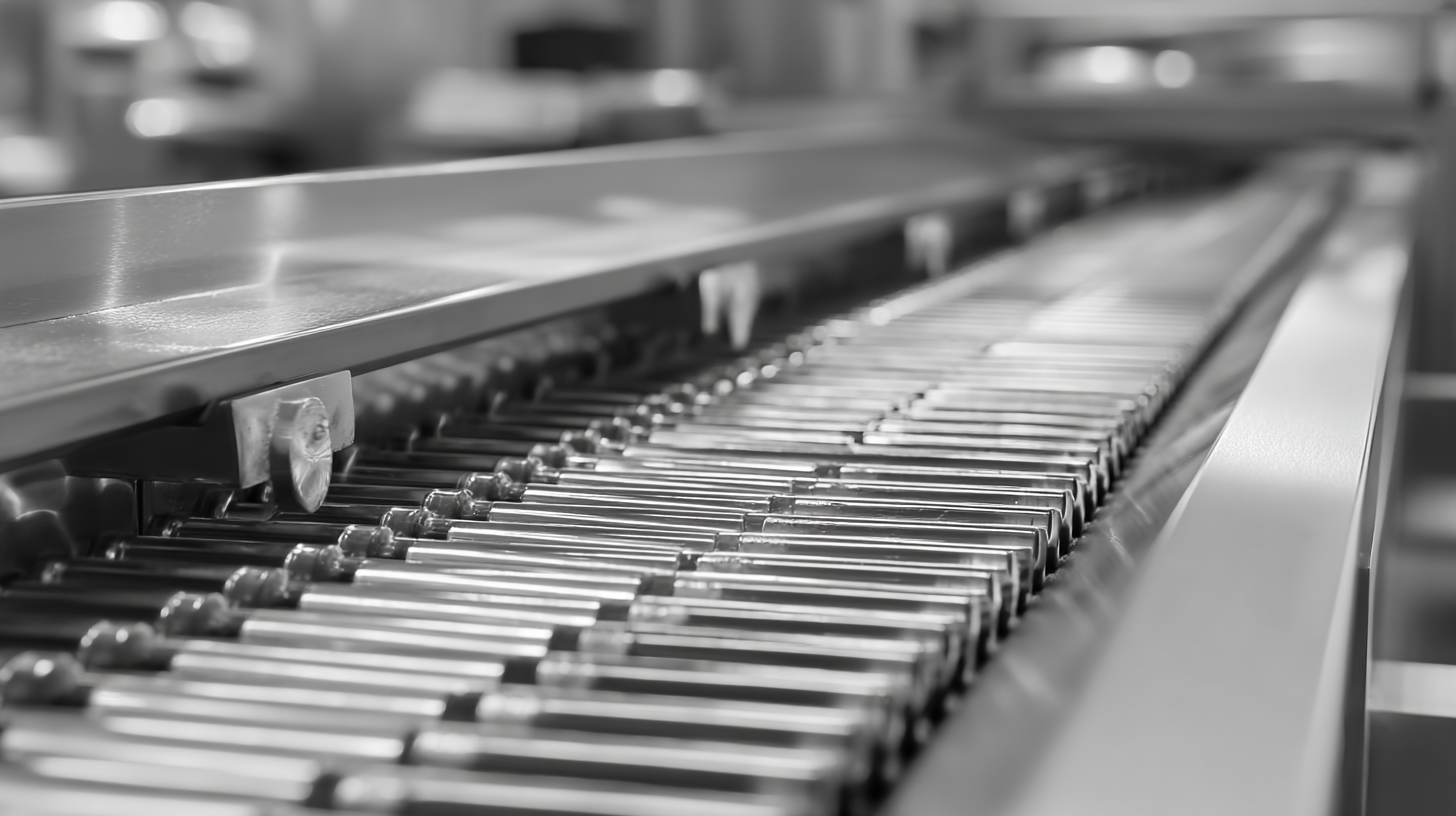
The Efficiency and Durability of Stainless Steel Conveyor Belts in Modern Industries

At JIANGSU HUADA Metal Mesh BELT CO., LTD., we’re pretty proud to be among China's pioneers in making metal conveyor belts. We deliver precision-made wire mesh belts and chain-driven systems to over 20 countries across five continents—that’s a lot of ground covered! With certifications like ISO 9001 and CE, our factories are focused on providing top-quality Stainless Steel Conveyor Belts that can handle today's industrial demands. In this article, I’ll dive into just how efficient and durable these belts really are, and why they’re such a crucial part of modern industry today.

The Role of Stainless Steel Conveyor Belts in Streamlining Industrial Processes

In today’s industries, stainless steel conveyor belts are pretty much essential for making stuff run smoothly, especially in packaging. As automation keeps getting more popular, there’s a real need for solutions that are both efficient and hygienic. That’s where stainless steel conveyor belts come in—they’re tough, easy to keep clean, and super reliable. Because their surface isn’t porous, they help keep everything hygienic and reduce contamination, which is a big deal in areas like food production and pharmaceuticals.

Plus, these conveyors are built to last. That durability means that companies don’t have to replace them as often, which saves money in the long run. When manufacturers want to make their production lines more efficient, adding stainless steel conveyor systems helps everything move more smoothly from one stage to the next. This lessens delays and bumps up the overall output. Investing in this kind of equipment really supports the move to more automated, cleaner manufacturing setups—pretty much the direction the industry’s heading.
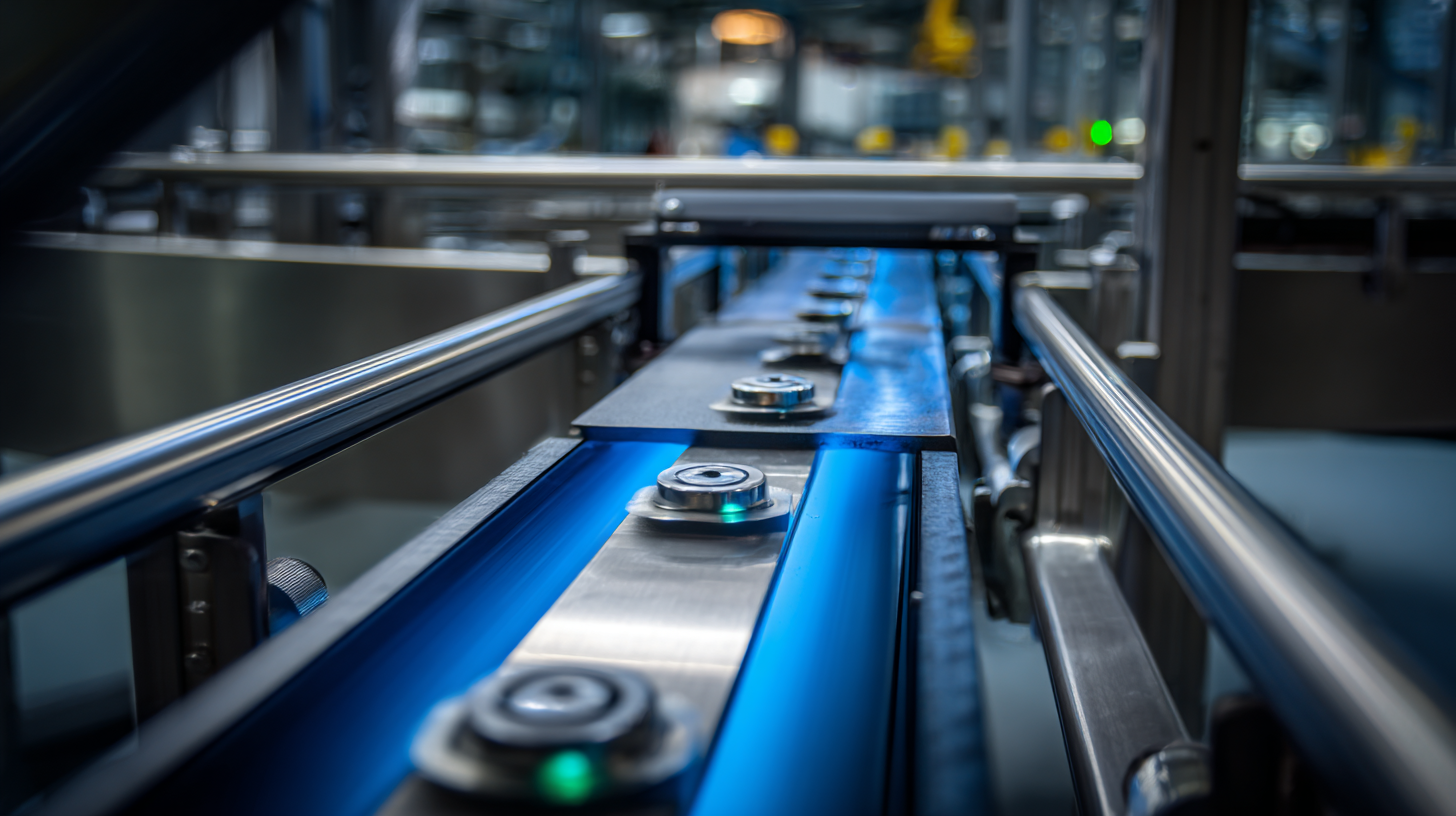
The Efficiency and Durability of Stainless Steel Conveyor Belts in Modern Industries

Understanding the Key Advantages of Stainless Steel Over Other Materials

You know, stainless steel conveyor belts have really become a must-have in today’s industries. They’re just so reliable and efficient—no wonder so many companies are choosing them. One of the biggest perks over other materials is how well stainless steel resists corrosion, which is super important, especially in tough industrial settings where things can get pretty harsh. Some market research even suggests that the global demand for these belts is on the rise, with more and more sectors like food, pharma, and automotive jumping on board. What’s really cool is that they can handle extreme temperatures and heavy loads without breaking a sweat, making them the go-to choice for manufacturers wanting to ramp up their production game.

The Efficiency and Durability of Stainless Steel Conveyor Belts in Modern Industries

And here’s another thing—hygiene. Stainless steel is fantastic in this area because it’s non-porous, so it doesn’t really give bacteria a place to hide. For industries that have to stick to strict cleanliness rules, that’s a huge plus. We’re actually seeing more food processing plants leaning heavily on stainless steel conveyor systems to cut down on contamination risks and keep things running smoothly. All in all, going for stainless steel belts isn’t just about durability and lower maintenance costs; it’s also about meeting the growing need for safe, high-quality production setups that everyone can trust.

Factors Contributing to the Longevity of Stainless Steel Conveyor Belts

These days, stainless steel conveyor belts are really gaining popularity in various industries, and it's not hard to see why. They’re super efficient and built to last, thanks to their strong resistance to corrosion and high heat—making them perfect for all sorts of environments, whether it’s food processing plants or chemical manufacturing facilities. Interestingly, market reports suggest that the sprockets market—closely tied to conveyor systems—is projected to hit around $11.9 billion by 2035. That growth is mainly fueled by industrial automation, construction, and agriculture, with stainless steel being a top choice of material for these applications.

Another thing that makes these belts so durable is their ability to handle heavy loads and rough, abrasive materials. The steel used in their construction isn’t just about strength—it helps them stay reliable over the long haul, meaning less downtime and fewer maintenance headaches. For businesses, that translates to lower replacement costs and a smoother operation overall—something that’s pretty crucial as companies grow and scale up.

When you're picking out a stainless steel conveyor belt, it’s a good idea to think about what kind of environment it’ll be working in and how much load it’ll need to carry. Regular maintenance—like keeping everything lubricated and doing routine checks—can really help make the belt last even longer. And don’t forget, investing in good quality sprockets matters a lot—they’re key for making your conveyor system run smoothly and efficiently. All in all, these belts are a solid investment if you want durability and performance that lasts.

Applications of Stainless Steel Conveyor Belts in Various Industries

Stainless steel conveyor belts are pretty much a staple in a bunch of modern industries nowadays. They’re known for being tough and efficient, which is a big plus. If you’ve ever worked in food processing, you’ll know how important it is for these belts to stay hygienic—plus, they’ve got to handle really hot or cold stuff without breaking a sweat. That makes them perfect for moving raw ingredients or cooked food. On the other hand, in manufacturing, their strength really shines—these belts can easily carry heavy loads, helping keep production lines running smoothly without hiccups.

So, a quick tip: when you're picking out a stainless steel conveyor belt, think about what you’ll be using it for. Things like how much weight it needs to carry and the environment it’ll be in are super important. If you’re working in a place where stuff might cause corrosion, you’ll want a higher grade of stainless steel—those tend to hold up better over time.

And in industries like pharma or chemicals, these belts are a game-changer. They keep products clean and are great at preventing contamination, which is a must when you’re handling sensitive materials. As technology and industries keep changing, these belts still prove to be pretty versatile, helping optimize operations all around.

One more thing—regular maintenance is key. Catching small issues early with scheduled inspections and quick repairs can save you a lot of headaches down the line. It keeps things running smoothly and prevents costly downtime, which, let’s be honest, nobody wants.

Maintenance Practices to Enhance the Performance of Stainless Steel Conveyor Belts

In today’s industrial world, stainless steel conveyor belts are pretty much a no-brainer—they’re reliable and last a long time. But here’s the thing: to keep them running smoothly and efficiently, you really gotta stay on top of regular maintenance. That means doing thorough checks, swapping out worn-out parts before they cause big problems, and making sure to lubricate everything properly. Trust me, these small habits not only help extend the life of your conveyor belts but also cut down on unexpected downtimes, which is a total game-changer for productivity.

Lately, we’re seeing more collaborations that prove just how important specialized maintenance is. For instance, a conveyor expert teaming up with a major iron ore company — they’re working together to tackle specific issues and create custom maintenance plans. This kind of proactive approach means catching potential problems early, so they don’t turn into costly repairs later. It’s all about keeping those stainless steel conveyor belts running like champs, even in super demanding environments.

The Efficiency and Durability of Stainless Steel Conveyor Belts in Modern Industries - Maintenance Practices to Enhance the Performance of Stainless Steel Conveyor Belts

Industry Typical Load Capacity (lbs) Belt Width (inches) Average Lifespan (Years) Maintenance Frequency (Months) Common Issues
Food Processing 1000 24 10 6 Corrosion, Wear
Automotive 2000 30 8 12 Misalignment, Noise
Pharmaceutical 800 18 12 4 Contamination, Jamming
Packaging 1200 36 7 3 Fractures, Slippage
Mining 2500 48 15 24 Belt damage, Rust

Comparative Analysis: Stainless Steel vs. Alternative Conveyor Belt Materials

Hey, you know, when it comes to modern industries, choosing the right conveyor belt material is actually a pretty big deal for keeping things running smoothly and making sure everything lasts. If you compare different options, you'll see that stainless steel belts tend to be way more durable and resistant than materials like rubber or plastic. The thing is, stainless steel has these natural properties—like its super high tensile strength and resistance to corrosion—that really make a difference, especially in tough environments. That’s especially important in industries where chemicals or extreme temperatures are just part of the daily grind.

Now, sure, other materials might look cheaper upfront, but they often don’t hold up as well over the long haul. You end up needing to replace or repair them more often, which can drive up your costs in the end. Interestingly enough, if you look at recent advances in crack detection in construction materials, industry folks are starting to use data-driven techniques to get a better handle on how equipment wears out. Just like how deep learning helps uncover concrete durability issues, similar methods could be a game-changer for keeping stainless steel conveyor belts in top shape, helping industries maintain high efficiency without breaking the bank.

The Efficiency and Durability of Stainless Steel Conveyor Belts vs. Alternative Conveyor Belt Materials

This chart compares the durability of various conveyor belt materials used in modern industries. Stainless steel stands out with an impressive lifespan of 15 years, significantly outperforming PVC, rubber, and polyurethane options.

FAQS

: What is one of the main advantages of stainless steel conveyor belts?

: One of the main advantages of stainless steel conveyor belts is their superior resistance to corrosion, making them ideal for harsh industrial environments.

Why are stainless steel conveyor belts increasingly adopted in various industries?

Stainless steel conveyor belts are increasingly adopted because they can withstand extreme temperatures and heavy loads, optimizing production lines across sectors like food and beverage, pharmaceuticals, and automotive.

How does stainless steel contribute to hygiene in industries?

Stainless steel has excellent hygiene properties; its non-porous surface prevents bacterial growth, helping industries meet stringent cleanliness standards and comply with health regulations.

What maintenance practices are important for stainless steel conveyor belts?

Important maintenance practices include thorough inspections, timely replacements of worn components, and proper lubrication techniques to maintain optimal performance.

How does regular maintenance impact the performance of conveyor belts?

Regular maintenance extends the lifespan of conveyor belts, minimizes downtime, and leads to better productivity in industrial applications.

What recent collaborations highlight the importance of specialized maintenance for conveyor systems?

Recent collaborations between conveyor specialists and major entities, such as an iron ore company, emphasize the importance of tailored maintenance programs to enhance reliability and address specific challenges.

What are the long-term benefits of investing in stainless steel conveyor belts?

Investing in stainless steel conveyor belts provides long-term durability, reduced maintenance costs, and supports the demand for high-quality, hygienic production solutions.

How do stainless steel conveyor belts help in minimizing contamination risks?

Stainless steel conveyor systems are relied upon in food processing to minimize contamination risks, due to their hygienic properties and efficient design.

What is projected for the global stainless steel conveyor belt market?

The global stainless steel conveyor belt market is projected to grow significantly, highlighting its increasing adoption across various sectors.

Why is a proactive maintenance approach important for stainless steel conveyor belts?

A proactive maintenance approach is crucial as it allows potential issues to be addressed before they escalate, sustaining the efficiency of the belts in high-demand environments.

Conclusion

Stainless steel conveyor belts are pretty much a game-changer when it comes to improving efficiency and durability in today's industrial setups. Unlike those old-school materials, stainless steel is super resistant to corrosion, heat, and wear—big reasons why it's so reliable and long-lasting in all kinds of applications. The fact that it's strong and hygienic makes it a go-to choice across many industries, from food processing to manufacturing. Plus, with a bit of proper maintenance, you can keep these belts running smoothly and avoid unnecessary downtime. At JIANGSU HUADA METAL MESH BELT CO., LTD., we use cutting-edge engineering and stick to high quality standards to make sure our stainless steel conveyor belts and systems are top-notch. We’re proud to support clients in over 20 countries with their industrial needs!
Aria

Aria

Aria is a dedicated marketing professional at Jiangsu Huada Metal Mesh Belt Co., Ltd., a pioneering manufacturer of metal conveyor belts in China. With a deep expertise in the industry, Aria is committed to showcasing the precision-engineered wire mesh belts and chain-driven systems that the......
Previous Solutions for Durable and Efficient Belt Hinge Designs