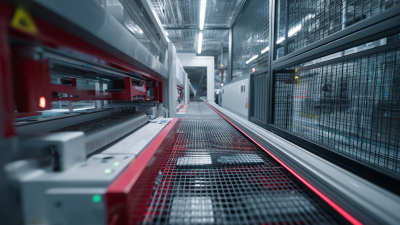
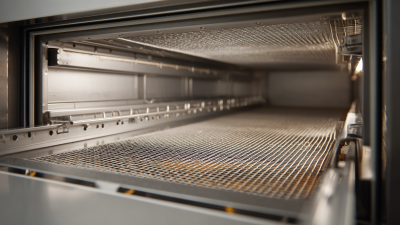
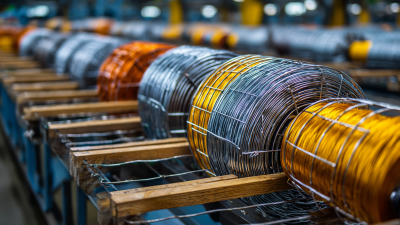
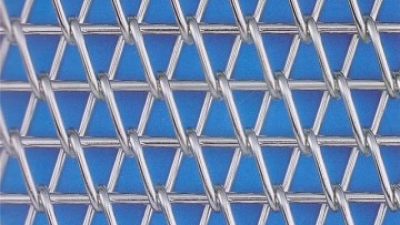
In the constantly changing world of manufacturing, getting thermal processing just right is pretty important if you want to boost efficiency and make sure your products are top-notch. JIANGSU HUADA METAL MESH BELT CO., LTD. is actually one of China's trailblazers when it comes to making Metal Conveyor belts. They’re really pushing the boundaries with their cool Continuous Furnace Mesh Belt technology. This carefully designed system doesn’t just make the whole thermal process smoother; it also guarantees pretty consistent heating and even results, no matter what kind of manufacturing you're doing. What's cool is that HUADA is all about quality—proof of that is their ISO 9001 and CE certifications—and they’ve shipped their advanced wire mesh belts and chain-driven systems to over 20 countries around the world. By using their Continuous Furnace Mesh Belt technology, manufacturers can seriously step up their game—cut down on energy use, be more efficient, and get the best results from their thermal processes. It’s like a game-changer for industry folks out there!

Understanding Continuous Furnace Mesh Belt Technology in Manufacturing
You know, Continuous Furnace Mesh Belt Technology really has become a game-changer in manufacturing these days, especially when it comes to thermal processing. Basically, it uses this seamless, endless mesh belt to move materials through different heating zones, which helps make sure everything heats evenly. That means better efficiency overall. When manufacturers keep the temperature steady throughout the process, they can actually save energy and cut down on waste—something that’s super important with fierce competition out there.
Plus, this mesh belt tech offers a lot more flexibility in how production lines are set up. Unlike those old-school batch processing methods, a continuous furnace can handle products of all shapes and sizes without needing long pauses for adjustments. That kind of adaptability doesn’t just make things smoother—it also cranks up the output. So, manufacturers can respond quickly to market changes and demands. Honestly, as industries search for smarter ways to boost productivity and cut costs, this technology really stands out as a major step forward in thermal processing. It’s pretty exciting stuff, really.
Key Advantages of Mesh Belt Systems for Thermal Processing Efficiency
You know, adding continuous furnace mesh belt technology into manufacturing setups really takes thermal processing to the next level. These mesh belt systems do a pretty great job of spreading heat evenly, which means fewer temperature swings—something that can seriously cause issues with materials before. And get this: a report by Grand View Research predicts the global market for industrial furnaces could hit around $11.2 billion by 2027. That’s a clear sign that more and more manufacturers are turning to advanced thermal tech, including mesh belt systems, to stay ahead.
One of the coolest perks about mesh belt systems? They’re pretty energy-efficient. Since they keep temperatures steady with minimal heat loss, they tend to sip energy rather than gulp it. The U.S. Department of Energy actually says that switching to these systems can cut energy costs by up to 30%. That’s a win for your wallet and for sustainability goals, all at the same time.
If you're thinking about making the switch, my tip is to start with a close look at your current energy bills and your thermal processing needs. Sure, investing in a good mesh belt system might mean spending a bit upfront, but honestly, the long-term savings and efficiency boost almost always make it worth it. Oh, and don’t forget—regular maintenance is key to keeping everything running smoothly and extending the lifespan of your equipment. It’s all about playing it smart and making those machinery investments count.
Efficiency Comparison of Thermal Processing Methods
This chart illustrates the efficiency of different thermal processing methods used in manufacturing. The data represents the average energy consumption and processing time for each system, highlighting the advantages of Continuous Furnace Mesh Belt Technology over traditional batch processing methods.
Optimizing Production Workflow with Continuous Furnace Technology
So, the shift to continuous furnace technology is actually a pretty big deal when it comes to making manufacturing processes smoother and more efficient. Basically, it allows for constant thermal processing, which is a game-changer—especially in things like aluminum casting or any high-demand production line. The cool part? Since the furnace runs continuously, it doesn't really stop, so materials keep moving along without delays. That means less downtime and way more stuff getting processed in the same amount of time, boosting overall productivity.
On top of that, using smarter control systems—like this fancy quadratic interpolation-based 2DoF-PID controller—really helps keep the temperature steady in these continuous stirred-tank heaters. Maintaining stable temps is super important because it makes sure the heating process is safe, energy-efficient, and cost-effective. As industries look to go greener and cut costs, focusing on improving these thermal techs seems like the sensible move. All in all, it’s about pushing for more efficiency and innovation in manufacturing—making everything run more smoothly and sustainably.
Implementing Continuous Furnaces: Best Practices for Manufacturers
Switching over to continuous furnaces in manufacturing is a pretty big deal when it comes to boosting thermal processing efficiency. I recently read a report in the International Journal of Advanced Manufacturing Technology that said companies using continuous furnace tech have seen up to a 30% jump in production efficiency and cut their energy use by about 20%. Honestly, it’s a game changer — it helps streamline the whole operation and seriously cuts down on costs, which is a big plus if you're looking to be more sustainable and make some profit at the same time.
A couple of tips — make sure your temperature controls are well-calibrated so that heat stays even across your workload. Getting that consistency right can really improve product quality and help cut down on waste. Also, investing in good-quality mesh belts is worth it since they can handle high temps and resist corrosion, which means your equipment will last longer.
To get the most out of your continuous furnace, don’t forget routine maintenance checks and train your team on the best loading techniques. A study from the Association for Manufacturing Technology pointed out that sticking to a proper maintenance schedule can boost equipment reliability by about 15%, which helps reduce those annoying downtimes. Honestly, if you focus on these strategies, you can unlock a lot of the furnace’s potential and take your thermal processing to the next level.
Troubleshooting Common Issues in Mesh Belt Thermal Processing
When it comes to manufacturing, continuous furnace mesh belt technology is really appreciated for how efficient it is in thermal processing. But, let's be honest—manufacturers often run into some pretty common hiccups that can slow things down or mess with performance. A report from MarketsandMarkets points out that the global market for thermal processing equipment is expected to jump from $7.3 billion in 2021 to a whopping $9.4 billion by 2026. That just underscores how crucial it is to tackle these issues early on so companies can get the most out of this tech.
One of the most talked-about problems? Belt misalignment. It might seem minor, but even slight shifts can cause uneven heating, which then affects the quality of the final product. Interestingly, studies show that these small missteps can bump up energy use by around 10%. That’s a big hit! Keeping things in check with regular maintenance checks or even automatic alignment systems can make a huge difference—both in keeping products consistent and saving energy.
Then, there's the issue of residue buildup on the belt surface. It might not sound like a big deal, but it can lead to contamination and throw off the thermal profile. According to the 2022 Thermal Processing Trends report, over 30% of manufacturers have run into trouble because of this buildup, which often means downtime and higher maintenance costs. The good news? Using high-tech cleaning methods and choosing the right belt materials can really help keep things running smoothly, with fewer interruptions and more consistent thermal results.
Future Trends in Continuous Furnace Technology for Manufacturing Efficiency
You know, continuous furnace tech is changing pretty fast these days. It's mostly because everyone’s really focused on making manufacturing more efficient—especially in industries like semiconductors and solar panels. As these really advanced chips become more common, the equipment needed has to be way more precise and capable of handling complex tasks. This means we’re shifting toward smarter tech solutions that not only boost productivity but also help save energy and are better for the planet. For example, smart preheating systems in thermal processing show how manufacturers can fine-tune their operations while still cutting down on carbon footprints.
If you're thinking about making the most out of continuous furnace tech, it's a good idea to invest in the latest smart heating innovations. Take a close look at how these can fit into your current processes—sometimes a small tweak can make a big difference. Plus, regularly checking your production data can reveal chances to save energy without much hassle. And of course, aligning with sustainability goals isn’t just good for the environment; it can also boost your competitiveness and help you stay compliant with tighter regulations as the world gets more eco-conscious.
Long story short, the future of continuous furnace tech is all about adapting to what industries need—more efficiency, less environmental impact. As things evolve, energy-efficient thermal processes are going to become crucial if you're serious about staying ahead of the game. Exploring these trends isn’t just smart; it’s pretty much essential for any forward-thinking manufacturer looking to thrive in today’s market.
The Benefits and Applications of Rod Reinforced Belts in Modern Industries
In modern industries, the application of rod reinforced belts offers a multitude of benefits, enhancing efficiency and durability across various sectors. These specialized belts are designed to withstand extreme conditions, making them an ideal choice for demanding environments. For instance, the **Mining Grade Rod Reinforced Ore Transport Belt** is engineered to handle heavy loads and abrasive materials, ensuring reliable transportation of ore with minimal wear. Similarly, the **High-Temperature Rod Reinforced Furnace Belt** can operate at temperatures up to 800°C, making it perfect for high-heat applications without compromising performance.
Another advantage of rod reinforced belts is their versatility across different industrial needs. The **Customizable Pitch Rod Reinforced Heavy-Duty Belt** can be tailored to fit specific machinery, improving operational efficiency. For industries dealing with sensitive materials, the **316L Stainless Steel Rod Reinforced Food-Grade Belt** ensures hygiene and compliance with safety standards. Additionally, the **Low-Noise Rod Reinforced Conveyor** is designed for precision assembly lines, minimizing operational noise while maintaining smooth movement. Furthermore, solutions like the **Corrosion-Resistant Rod Reinforced Saltwater Belt** demonstrate the adaptability of these belts in even the toughest environmental conditions, proving that rod reinforced belts are integral to enhancing productivity and safety in modern industrial applications.
FAQS
: Continuous Furnace Mesh Belt Technology is a manufacturing solution that uses a seamless and continuous mesh belt to transport materials through thermal zones, ensuring uniform heating and improving efficiency.
By maintaining consistent temperatures throughout the processing cycle, Continuous Furnace Technology optimizes energy consumption and reduces waste, essential for competitive manufacturing.
Continuous furnaces support varying product sizes and shapes without significant downtime for adjustments, which streamlines operations and increases throughput.
Continuous furnace technology allows for uninterrupted operations, reducing idle time, and maximizing throughput, particularly in high-demand production environments like aluminum casting.
Advanced control systems, such as the quadratic interpolation optimization-based 2DoF-PID controller, stabilize temperature and improve energy efficiency in thermal processing.
Manufacturers can report up to a 30% increase in production efficiency and a 20% reduction in energy consumption, leading to lower operational costs and enhanced sustainability.
Regular maintenance checks and personnel training on optimal loading techniques are crucial. Following a systematic maintenance schedule can lead to a 15% increase in equipment reliability.
Proper calibration ensures uniform heating throughout the workload, improving product quality and reducing waste.
High-quality mesh belts that can withstand high temperatures and corrosive environments are essential for prolonging equipment lifespan and ensuring effective thermal processing.
The focus on refining thermal processing technologies in continuous furnaces supports greater energy efficiency and reduces environmental footprints, which are increasingly vital for modern manufacturing.
Conclusion
So, this article dives into the game-changing potential of Continuous Furnace Mesh Belt tech in manufacturing. It’s really about how these systems can boost thermal processing — making it more efficient and, honestly, saving energy too. The piece kicks off by explaining how these systems work and why they’re so valuable — stuff like better heat distribution and cutting down on energy costs. It also shares some of the best tips for setting up continuous furnaces properly, so you get a smooth workflow with as little downtime as possible. Plus, there are some handy troubleshooting tricks to handle any hiccups that might pop up during the process.
As a big player in the field, JIANGSU HUADA METAL MESH BELT CO., LTD. provides top-quality, precisely engineered Continuous Furnace Mesh Belt solutions, helping manufacturers across more than 20 countries. Backed by ISO 9001 and CE certifications, their innovative products are built to meet the growing demand for efficiency and top-notch quality in manufacturing. They’re really leading the way when it comes to the future of furnace tech.