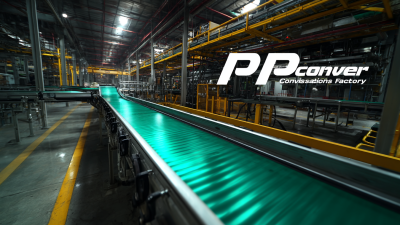
You know, the industrial sector is really changing fast these days, and that means the need for top-notch Industrial Belting solutions is more important than ever. A recent market study even predicts that the global Industrial Belting market could hit around USD 5.3 billion by 2025! This boom is largely thanks to growth in sectors like manufacturing, food processing, and logistics.
Now, when we talk about leading players in this field, JIANGSU HUADA Metal Mesh Belt CO., LTD.in China definitely stands out as a pioneer in metal Conveyor Belts. With more than20 years of experience under their belt, HUADA has been delivering meticulously designed wire mesh belts and chain-driven systems to folks across five continents.
Plus, they make sure everything complies with ISO 9001 and CE standards—a big deal! So, if you're a business on the hunt for the best Industrial Belting solutions out there, this little checklist could really help you out. It covers all the important stuff that affects efficiency, reliability, and overall performance in industrial settings.
Key Factors to Consider When Selecting Industrial Belting Solutions
When you're choosing industrial belting solutions, there are a few key things to keep in mind to make sure everything runs smoothly and reliably in your operations. First off, the material of the belting is super important. Different jobs need different materials to handle all sorts of temperatures, loads, and environmental factors. For example, metal mesh belts, like the ones from JIANGSU HUADA METAL MESH BELT CO., LTD., are well-known for their toughness and ability to resist high heat, which makes them perfect for those heavy-duty manufacturing tasks.
Then there's the design of the belting system, which is another biggie. A well-thought-out belt not only boosts your operational efficiency but also helps keep maintenance costs down. So, if you're in the market, it’s wise to seek out manufacturers who can customize solutions to fit your specific production needs.
JIANGSU HUADA, a leading name in the metal conveyor belt world, offers precision-engineered wire mesh belts that can meet a variety of industrial applications. Plus, with their ISO 9001 and CE certified production facilities, you can really trust that you're getting quality and reliability. This way, your investment is in line with global standards of excellence.
Types of Industrial Belts: Understanding Your Options
So, when you’re on the hunt for the best industrial belting solutions, it’s super important to know about the different types of belts out there. You've got metal mesh belts, plastic modular belts, rubber belts, and timing belts. Each one brings its own set of perks and is suited for different jobs. If you're looking for something reliable, Jiangsu Huada Metal Mesh Belt Co., Ltd. really stands out. They specialize in precision-engineered wire mesh belts that work wonders in high-temperature and heavy-duty situations. Seriously, they’re a versatile option across all sorts of industries!
Now, when it comes to picking the right industrial belt, think about what you specifically need. **Quick tip: Take a good look at the weight capacity and the environment it’ll be working in, like the temperature or if it’ll be around any harsh chemicals—this can really help you decide on the right material.** And don't overlook the alignment and installation; they're super important for things to run smoothly. **Another tip? Make sure the belt size and design are a perfect match for your machinery to keep wear and tear down and boost productivity.** With over 20 countries in their portfolio and showing off their ISO 9001 and CE certifications, Huada is all about delivering tough, efficient belting solutions tailored just for you.
Essential Checklist for Sourcing the Best Industrial Belting Solutions Worldwide
| Belt Type | Material | Applications | Specifications |
| Rubber Belts | Natural Rubber | Conveyor Systems, Agriculture | Width: Customizable, Thickness: Varies |
| PVC Belts | Polyvinyl Chloride | Food Processing, Packaging | Width: 200mm - 2000mm, Temperature: Up to 60°C |
| Polyester Belts | Polyester Fabric | Heavy-Duty Applications, Mining | Width: Up to 2000mm, Strength: High |
| Timing Belts | Neoprene | Automotive, Manufacturing Equipment | Pitch: 5mm, Width: Customizable |
| Flat Belts | Leather or Synthetic | Textile, Light Industries | Width: 50mm - 300mm, Thickness: Varies |
Evaluating Quality: Materials and Standards in Industrial Belting
When it comes to finding the right industrial belting solutions, you really can’t overlook the quality of materials and how well they meet industry standards. You know, recent studies show that nearly 27% of equipment failures in manufacturing happen because of subpar belts. That really drives home the point about picking the right materials. If you go for high-performance belts made from rubber, polyurethane, or thermoplastic elastomers, you’ll likely get a product that’s super durable and resistant to wear. This can seriously cut down on downtime, which is a win for productivity!
Pro tip: Don’t forget to ask your suppliers for technical data sheets so you can double-check the material properties and performance details. Also, keep an eye out for certifications like ISO 9001 and ISO 14001—that shows they’re sticking to international quality and environmental standards.
And hey, another big thing to think about is how the belts are made. When belts are manufactured using advanced methods like extrusion and molding, it really helps achieve that uniform thickness and strong adhesion, both of which are crucial for keeping everything running smoothly. Industry experts say that using belts that follow ANSI guidelines can actually cut down slips and jams by about 15%, which can be a game-changer for system reliability.
Another tip: It’s a good idea to compare what different suppliers have to offer, paying special attention to their manufacturing processes and quality control practices. Working with suppliers who have a solid reputation in industrial belting can also provide you with some strategic advantages and save you some cash in the long run.
Top Suppliers: How to Identify Reliable Sources for Industrial Belts
Finding the right industrial belting solutions can be a bit of a maze, but it’s super important to nail down trustworthy suppliers if you want top-notch products that work like a charm. First off, take a good look at how long the supplier has been in the game. A solid company with a proven history usually gets the unique demands of your application and can whip up solutions that fit like a glove. So, keep an eye out for suppliers who’ve been around for a while; their longevity often hints at stability and know-how.
And hey, don’t forget to check out the variety of products they offer! A good supplier should have a wide range of industrial belts—think different materials, sizes, and specs. This kind of diversity not only makes it easier for you to find exactly what you need, but it also shows that the supplier can handle the needs of different industries. On top of that, make sure to look for any certifications or adherence to industry standards—those badges can really reassure you about the quality and reliability of what you're getting.
Lastly, take some time to dig into reviews and case studies to get a sense of how the suppliers perform and how happy their customers are. It’s a great way to help you make a smart choice as you start your sourcing journey.
Cost-Effectiveness: Balancing Quality and Price in Your Purchase
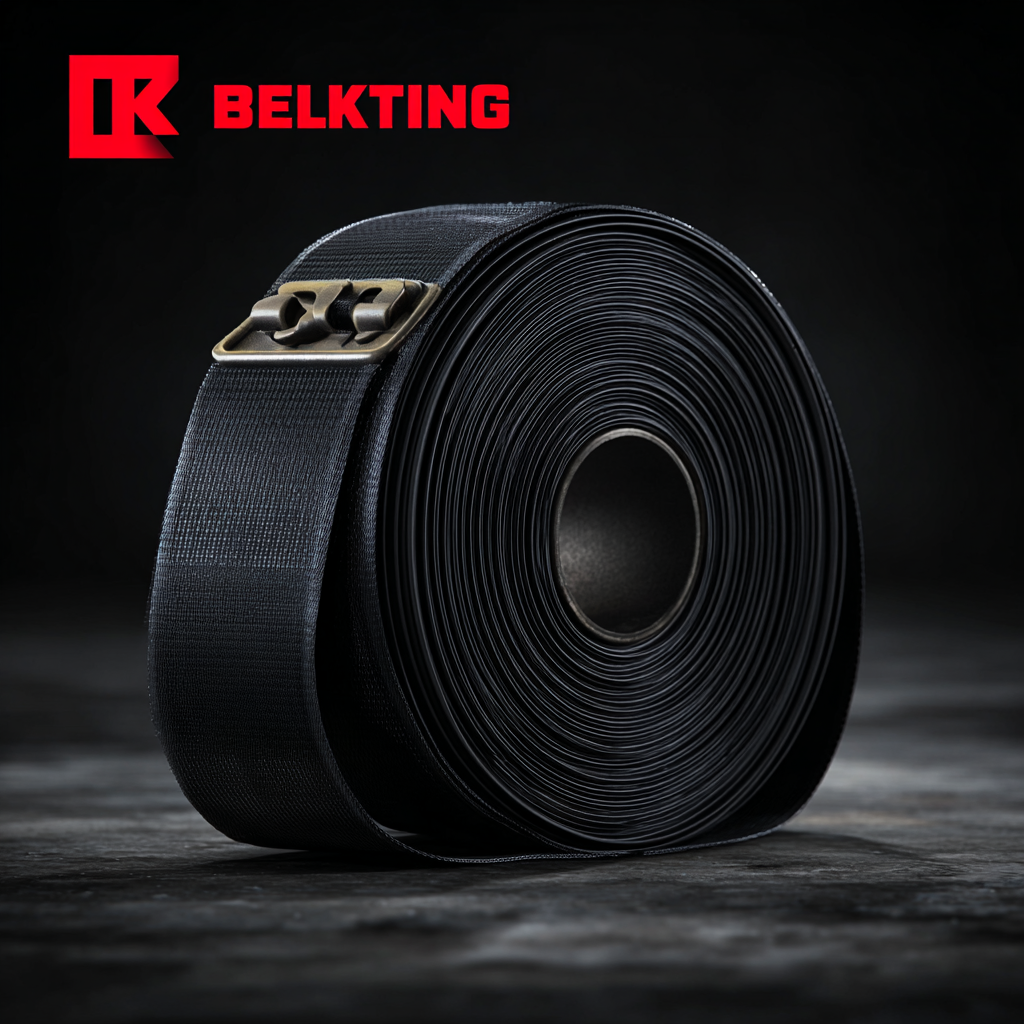
So, when it comes to finding the right industrial belting solutions, let's be real: keeping costs in check is a huge deal for businesses. From 2021 to 2025, the global conveyor belt market is expected to grow about 3.5% each year. That says a lot about how companies are really focused on getting the most bang for their buck in this area. With tons of options out there, buyers have to juggle quality and price to make sure they’re truly getting the best deal. Opting for high-quality belts is actually smart because they can cut down on breakdowns and keep those pesky maintenance costs low over time—definitely a win for the long haul.
A report from MarketsandMarkets points out something pretty eye-opening: up to 30% of operational costs in manufacturing can come from poor material handling solutions. That’s a big number, right? It really shows that companies need to look beyond just the initial price tag of industrial belts. They've gotta think about how durable these solutions are and how much they can boost productivity. Sure, investing in top-notch belting might seem pricey at first, but the drop in downtime and lower maintenance costs can really add up to some serious savings. All in all, figuring out how to balance these elements is key to growing sustainably and staying profitable in today’s cutthroat market.
Maintenance Tips for Prolonging the Life of Industrial Belting Solutions
When we're talking about industrial belting solutions, maintenance really is a big deal if you want them to last and work like they should. Taking good care of these belts can save you a ton in operational costs and help you dodge those annoying unexpected downtimes. So, here are some handy maintenance tips to keep your belting systems going strong.
First off, keeping your belts clean is super important. You don’t want any debris piling up on them, right? Make it a habit to regularly check and clear out any materials that might cling to your belts. If you let that stuff accumulate, it can really wear them down. And don’t forget about the pulleys and rollers, either—keeping them clean is just as crucial since any dirt or gunk can mess with how the belt moves and could lead to some early damage.
Another thing you definitely want to pay attention to is the tension of the belts. If they're too tight or too loose, it can lead to problems like slippage or misalignment, which is a headache no one needs. Investing in good tensioning devices is a smart move, and doing regular checks to tweak the tension when necessary can really help ensure your belts are running smoothly and efficiently. By following these tips, you’ll help keep your industrial belting solutions in tip-top shape for years to come!