Hey, in today’s fast-moving manufacturing world, where efficiency is everything, choosing the right materials and equipment can really make or break things. Have you heard of Industrial Wire Mesh Belts?They’ve become pretty much essential across different industries because they offer unbeatable durability and flexibility. I came across a recent industry report that predicts the global market for Conveyor Belts will hit about$7.75 billion by 2025— talk about a huge deal! Jiangsu Huada Metal Mesh Belt Co., Ltd. is actually one of China’s top players when it comes to making these belts. They craft their wire mesh belts with incredible precision to meet the needs of all kinds of sectors. Plus, they’ve got ISO 9001 and CE certifications, which isn’t easy to get. They don’t just serve China; they export to over 20 countries across five continents, helping manufacturing processes run smoother, cutting down downtime, and boosting overall efficiency. As industries keep changing and advancing, I really believe that high-quality wire mesh belts are going to be a key part of shaping the future of manufacturing—no doubt about it.
Understanding the Basics of Industrial Wire Mesh Belts in Manufacturing
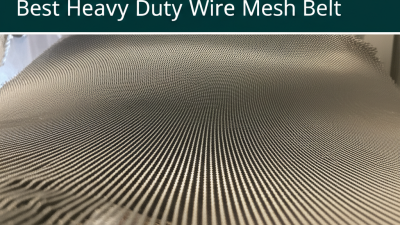
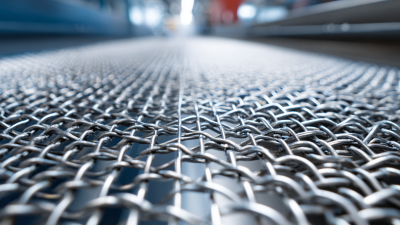
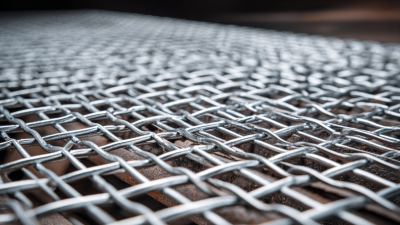
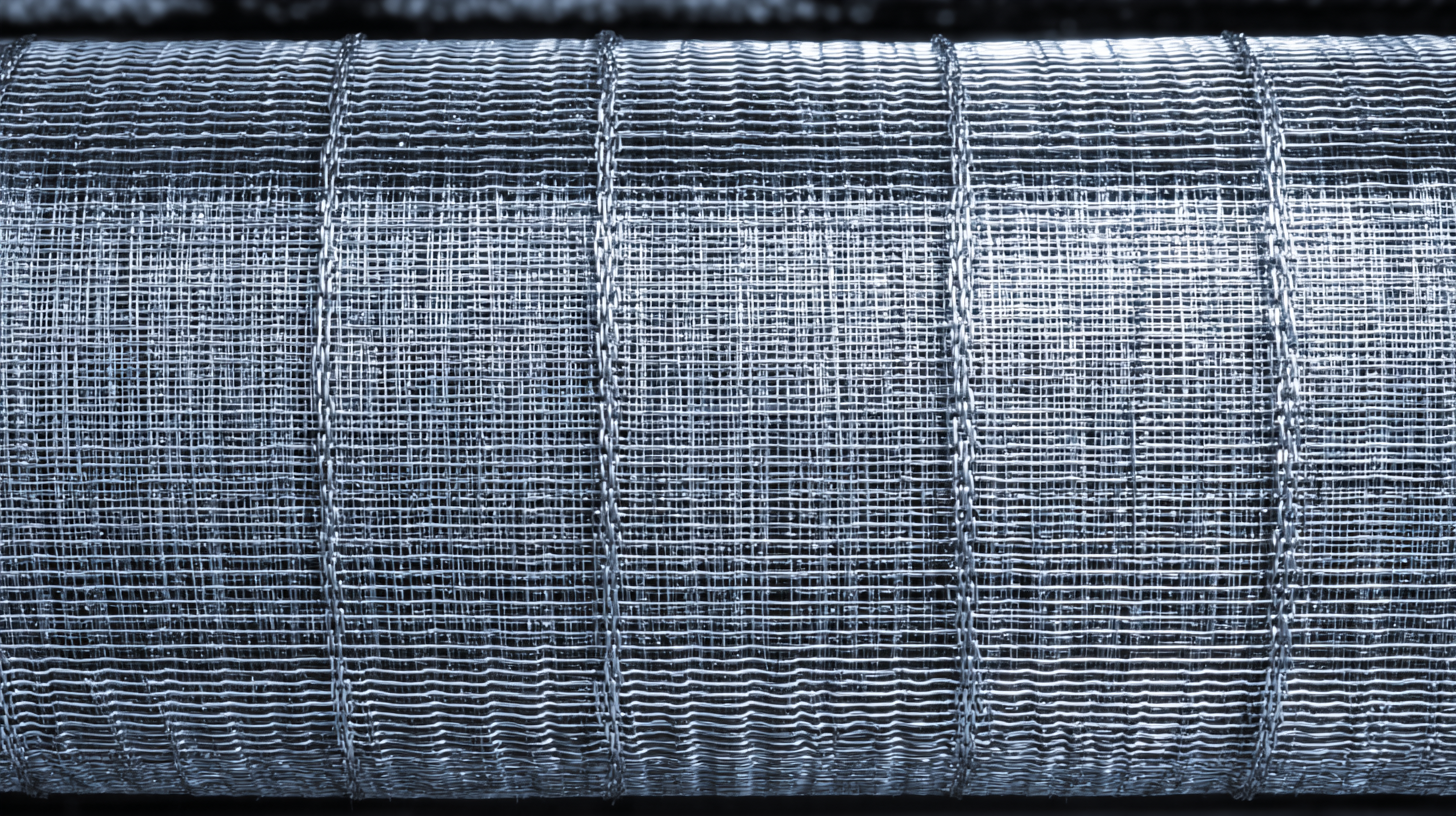
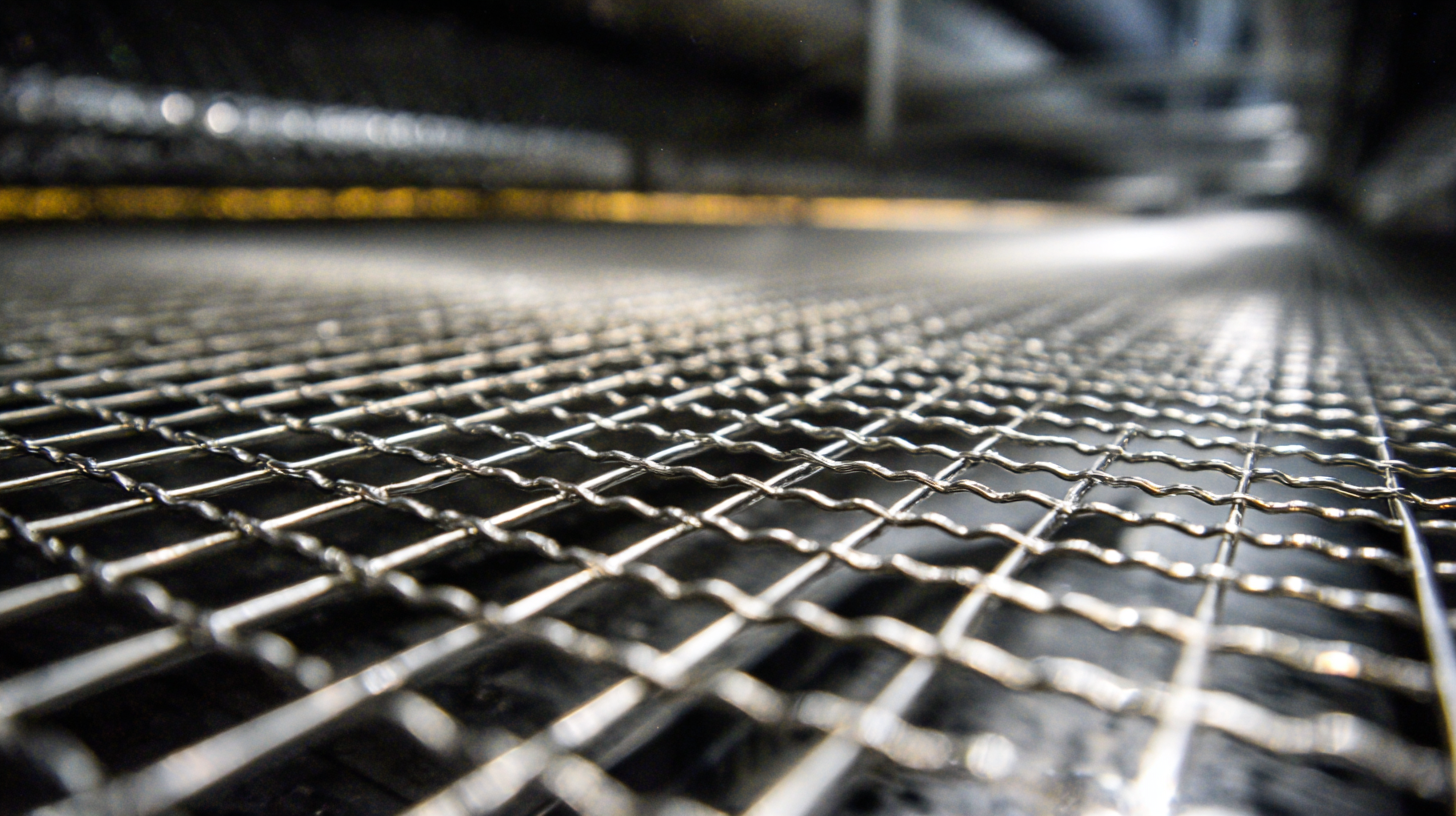
Industrial wire mesh belts are pretty essential in manufacturing—they really hold things together, literally! Made from high-quality metals, they’re built to handle tough conditions, so you’ll see them used everywhere from processing food to heavy-duty industrial jobs. The open design of these belts is actually pretty clever—it helps air circulate and liquids drain off easily, which is super important for cooling, heating, or keeping things clean during production. That openness also helps with controlling contamination, so you get better quality products without everything getting messy.
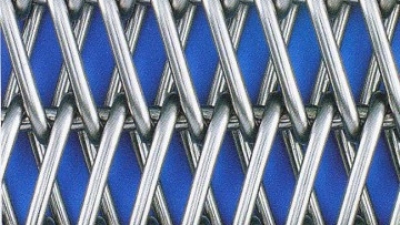
Getting the hang of these belts means knowing there are a few different types out there, like flat wires, spiral, or woven meshes. Each one has its own perks, depending on what kind of process you’re running. For example, spiral belts are perfect for continuous operations, while flat wire belts give a smooth ride for moving goods around. Plus, since manufacturers can customize the size and style of these belts, they can really tailor them to fit their specific lines, which helps boost overall efficiency and productivity. It’s all about making things run smoother and better—pretty cool, right?
Identifying Key Advantages of Using Wire Mesh Belts in Production Lines
Wire mesh belts are really becoming a key player in today’s manufacturing scene. They've got so many cool benefits that actually help boost efficiency and keep things moving smoothly on the production line. Did you know that, according to MarketsandMarkets, the global market for industrial belts is expected to hit around $8.3 billion by 2025? That’s a pretty clear sign that everyone’s leaning more into automation and needing materials that can handle tough conditions—hot temperatures, heavy-duty use, you name it. No wonder wire mesh belts are so popular; they’re strong, versatile, and built to last.
One of the biggest perks? Their amazing airflow. The open mesh design makes sure air can flow freely—super useful for stuff like drying, baking, or cooling products. The American Society of Mechanical Engineers even pointed out that this kind of effective heat exchange can cut processing times by as much as 30%. Plus, they’re pretty good at handling weird shapes and heavy loads, which makes them perfect for industries like food processing or even automotive. All in all, wire mesh belts don’t just help improve the quality of the end product—they really give a boost to overall efficiency, which is exactly what you need to stay competitive these days.
Key Advantages of Using Industrial Wire Mesh Belts in Manufacturing
How to Select the Right Wire Mesh Belt for Your Manufacturing Needs
When you're trying to pick the right industrial wire mesh belt for your manufacturing setup, it's really important to keep a few key things in mind. First off, look at what the belt's made of — this has a big impact on how durable it is and whether it suits your specific processes. For example, stainless steel belts work great in high-temperature environments, whereas plastic belts might be better if you're dealing with food processing, thanks to their resistance to corrosion.
Here's a little tip: Always think about the environment where the belt will be used. You want to make sure it can handle cleaning routines and any chemicals that might be involved. Also, check out the mesh size — a smaller opening can help keep smaller products from slipping through, which makes everything run a lot smoother.
Another thing to keep in mind is the width and length of the belt. These should really match your production line's setup. Sometimes, customizing these dimensions can make a big difference—helping your workflow stay smooth and cutting down on unnecessary downtime. And don’t forget to reach out to the manufacturers! They often have the latest tech and insights into wire mesh belts, which can help you make a smarter choice now and down the road.
One more tip: Ask about warranty options and what kind of maintenance is needed for the belts you’re looking at. It might seem small, but handling these details now can save you a lot of headaches and money in the long run, keeping your production humming along without hiccups.
Best Practices for Maintaining Industrial Wire Mesh Belts for Longevity
Taking good care of your industrial wire mesh belts is super important if you want them to last and perform well in your manufacturing line. Regular checks and cleaning are must-dos — they help stop dirt and grime from building up, which can cause wear and tear over time. Using a laser scanning system powered by a PLC can really boost these maintenance efforts, since it lets you monitor the belt surfaces in real-time. When you spot any issues early on, you can jump in and fix things before they turn into costly repairs or cause your process to come to a halt.
On top of routine inspections, some simple best practices like making sure the belts are properly lubricated and kept at the right temperature can make a big difference in their lifespan. Keeping the belts within ideal temperature ranges helps avoid unnecessary thermal expansion or contraction, which puts stress on the material. Also, training your staff about how to handle and operate these belts correctly can really pay off — it helps ensure they’re used properly and lasts longer, keeping everything running smoothly. When you put these maintenance tips into practice, your operations become way more reliable and efficient. It’s all about staying proactive and taking care of your equipment, right?
Why Industrial Wire Mesh Belts Are Essential for Efficient Manufacturing Processes - Best Practices for Maintaining Industrial Wire Mesh Belts for Longevity
| Dimension | Material | Application | Maintenance Frequency | Expected Lifespan |
| 6" x 12" | Stainless Steel | Food Processing | Weekly | 5-10 Years |
| 8" x 16" | Carbon Steel | Automotive Parts | Monthly | 3-8 Years |
| 4" x 5" | Galvanized Steel | Textile Manufacturing | Bi-weekly | 4-6 Years |
| 10" x 10" | Nickel-Plated Steel | Pharmaceuticals | Monthly | 5-7 Years |
| 12" x 24" | Plastic Coated Wire | Beverage Production | Weekly | 6-9 Years |
Troubleshooting Common Issues with Wire Mesh Belts in Manufacturing Applications
When it comes to manufacturing, wire mesh belts are pretty much the backbone of keeping things running smoothly and reliably. But, of course, like any mechanical part, they can run into issues that throw a wrench in the works. Stuff like misalignment, wear and tear, or buildup of debris can really slow things down and cut into efficiency. To keep things humming, manufacturers really need to stay ahead of the game with proactive troubleshooting.
Regular check-ins and maintenance are absolutely key. I’ve seen reports indicating that unplanned downtime can gobble up as much as 20% of a company's yearly revenue—mostly because of equipment hiccups and production delays, which totally hit the bottom line.
Now, on the tech side of things, there's some pretty cool stuff being rolled out to keep these belts in check. For example, a PLC-based laser scanning system has been created to keep an eye on the conveyor surface—even in pretty tough conditions. What’s awesome about this is it can spot issues like surface anomalies in real-time, letting folks fix alignment problems or wear before they become big headaches.
These high-tech monitoring systems have been shown to slash maintenance costs by around 30%, mainly because they’re all about predictive maintenance—catching issues early instead of reacting after something breaks down. By tackling these common belt troubles with a little help from technology, manufacturers can boost their production, keep things running smoothly, and avoid those costly surprise breakdowns.
Exploring Innovative Applications of Wire Mesh Belts in Modern Industry
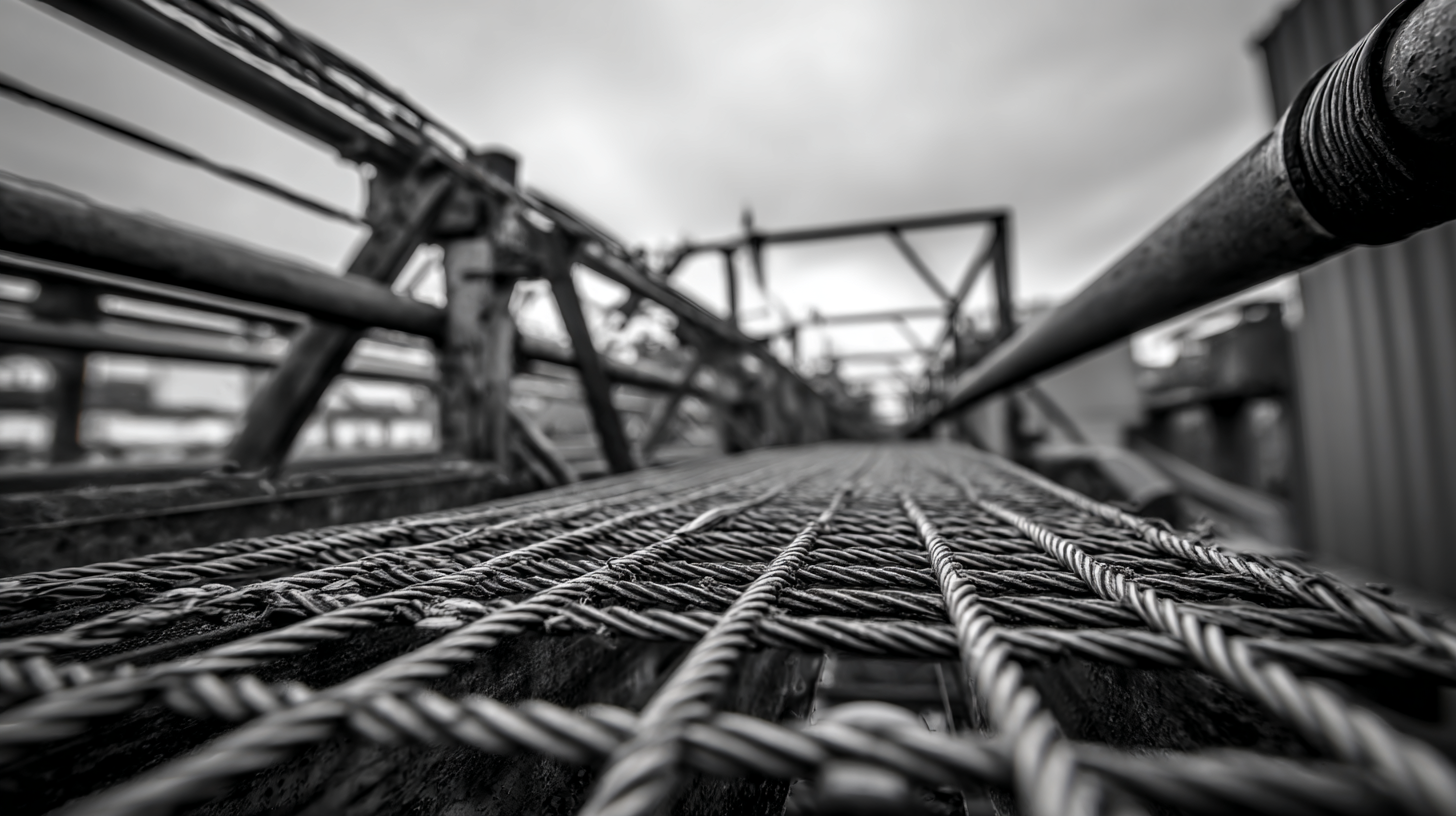 Wire mesh belts have really changed the game in manufacturing across a bunch of different industries. They offer these clever solutions that boost efficiency and help get things done faster. What's pretty cool is their design—allowing for good airflow and drainage—making them perfect for industries like food processing where keeping things clean and drying properly is super important. For example, in baking, these belts help bake everything evenly by spreading the heat out nicely and preventing moisture from building up, which could cause spoilage.
On top of that, they’re pretty essential in sectors like automotive and electronics, where precision and reliability are a must. They can carry heavy loads without breaking a sweat, supporting components smoothly through each step of production. And with new materials and tech coming into play, there are now specialized wire mesh belts that can handle crazy temperatures and tough chemicals. That means they can be used in even more extreme environments. All these upgrades not only make things run more smoothly but also save money on maintenance, which is a huge plus in today’s fast-paced manufacturing world.
Maximize Comfort and Support with the Innovative Double Balance Belt: A Comprehensive Guide
The innovative Double Balance Belt is engineered to maximize comfort and support across various industrial applications. Designed with versatility in mind, this belt excels in environments where stress on materials and efficiency are paramount. For instance, the High-Temperature Double Balance Weave Furnace Belt can withstand temperatures up to 800°C, making it ideal for furnace operations that require robust and reliable materials.
In addition, the Heavy-Load Double Layer Balance Weave Conveyor System is built to handle significant weights, ensuring optimal performance in heavy-duty applications. Industries such as mining can benefit from the Abrasion-Resistant Double Balance Belt, designed to endure harsh conditions while maintaining integrity and safety. For food handling, the Food-Grade Double Balance Weave Mesh meets FDA and EHEDG standards, guaranteeing product safety and compliance.
With options like the Low-Deflection Double Balance Conveyor for glass tempering and the Anti-Static Double Layer Balance Belt for electronics assembly, users can find tailored solutions that meet their specific needs. Each product not only enhances operational efficiency but also prioritizes user safety, proving the Double Balance Belt to be a vital investment for a wide range of industries.
FAQS
: Key factors include material composition, operating environment, belt width and length, mesh size, and the latest advancements in technology. Each of these attributes influences the belt’s durability and suitability for specific processes.
Material composition affects the belt's durability and its suitability for specific manufacturing environments. For example, stainless steel is ideal for high temperatures, while plastic is preferable for food processing due to its corrosion resistance.
Ensure that the belt’s width and length align with your production line setup. Customizing the belt dimensions can significantly enhance workflow and reduce downtime.
Regular inspection and cleaning, proper lubrication, and temperature regulation are essential practices that can prevent wear and tear, ensuring longevity and optimal performance.
Utilizing PLC-based laser scanning systems allows for real-time monitoring of the conveyor belt surfaces, helping to detect irregularities or degradation promptly before they cause significant downtime or costly repairs.
Wire mesh belts enhance hygiene and drying processes; they ensure even baking in the baking industry by facilitating consistent heat distribution and preventing moisture buildup.
Yes, wire mesh belts are utilized in diverse sectors such as automotive and electronics, where they support heavy loads and provide precision and reliability throughout various production stages.
New materials have led to the creation of specialized wire mesh belts that can endure extreme temperatures and harsh chemicals, broadening their application range and improving operational efficiency while reducing maintenance costs.
Inquire about warranty options and the maintenance requirements for the belts you are considering, as this information can help save time and money in optimizing your production processes.
Conclusion
Industrial wire mesh belts might not be the flashiest part of manufacturing, but honestly, they're pretty essential. They play a big role in making sure production runs smoothly and efficiently. If you get a grasp of how these belts are built and what they do, you'll see just how important they are on the factory floor. Some of the biggest perks? They're tough, versatile, and do a great job of promoting airflow—crucial for all sorts of industrial processes.
When you're choosing the right wire mesh belt, it’s a good idea to think about your specific manufacturing needs and what your machinery requires. To get the most out of your belts and make them last longer, regular maintenance is key—think inspections and cleaning. Catching any issues early can really save you from unexpected hiccups down the line. And with new innovations popping up all the time, these belts are more than ever central to pushing manufacturing forward. By the way, at JIANGSU HUADA METAL MESH BELT CO., LTD., we're all about offering top-quality wire mesh belts that meet international standards and support a wide range of industrial applications."