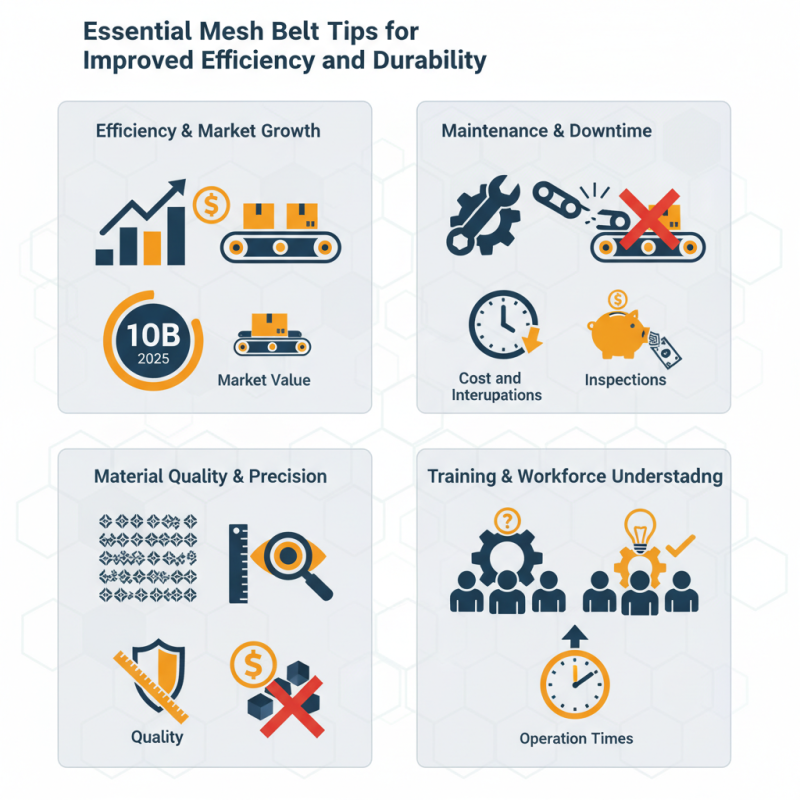
When it comes to industries where efficiency really matters, picking the right Mesh Belt can make all the difference in how smoothly things run. I read in a report from ResearchAndMarkets that the conveyor system market—think Mesh Belts included—is projected to hit around $10 billion by 2025. That just shows how much companies are craving better, more efficient ways to handle materials. Brands like Ammeraal Beltech point out that taking good care of your Mesh Belts can cut down on unexpected downtime and help keep things moving faster.
Of course, even with all the tech advances, there are still some hurdles—like choosing the right materials and keeping everything in top shape. A conveyor belt that's fallen into disrepair can be a real headache, causing costly delays you definitely don’t want. That’s why regular inspections are a must. But honestly, many overlook how important high-quality materials and precise manufacturing are, especially when everyone’s trying to cut costs.
On top of that, lots of users mention that better training on how to operate and maintain Mesh Belts could really help. Good technology alone isn’t enough; your team has to know the ins and outs to really maximize efficiency. Investing in proper training can totally turn things around, making operations smoother and more reliable. Ignore these things, though, and you might find yourself falling behind in this pretty competitive game.
Understanding Mesh Belt Types and Their Applications
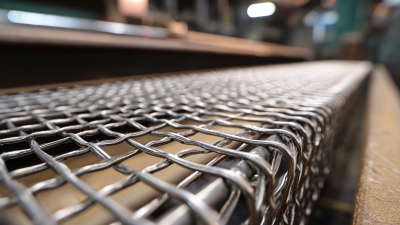
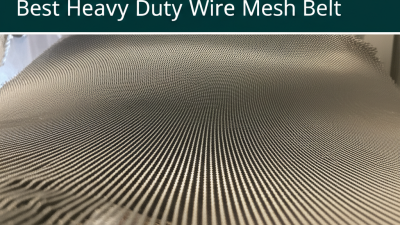
In industrial settings, understanding mesh belt types is crucial for optimizing efficiency. Different materials and designs serve specific applications. For example, stainleSs Steel Mesh belts are widely used in food processing. They offer excellent durability and resistance to corrosion. In contrast, plastic mesh belts are often seen in packaging. They are lighter and easier to handle.
When selecting a mesh belt, consider the Belt Conveyor Belt Specification. This will ensure compatibility with your equipment. Pay attention to the belt’s width, length, and mesh size. These factors directly influence performance. A mismatch can lead to issues like jams or reduced throughput.
**Tips:** Regular maintenance is vital for longevity. Inspect belts for wear and tear frequently. Also, remember to clean the belts according to the recommended guidelines. A clean belt functions better, reducing downtime. Don’t overlook the power of proper tensioning. Incorrect tension can lead to premature failures. Evaluating your mesh belt choice is essential for operational success.
Essential Mesh Belt Types and Their Efficiency
This chart illustrates the durability of various mesh belt types used in industrial applications. The data shows the average lifespan in hours for each type of mesh belt, reflecting their efficiency and suitability for different tasks.
Key Factors Affecting Mesh Belt Efficiency
When it comes to mesh belts, several key factors impact their efficiency. The material used plays a crucial role in durability and heat resistance. Different applications require specific materials to handle various loads and temperatures. For instance, belts for high-temperature environments should be made from heat-resistant materials to prevent deformation.
Another important factor is the tension of the mesh belt. If the belt is too loose, it may slip, causing delays. Conversely, if it is too tight, it can wear out quickly. Regularly checking the tension can prevent costly downtimes and enhance overall efficiency.
Here are some tips to improve your mesh belt's performance. Monitor the alignment regularly. Misalignment can lead to uneven wear and tear. Cleaning the belt is essential, too. Build-up on the mesh leads to inefficiency. Lack of maintenance can create problems that may become costly over time. Implementing routine checks can make a significant difference.
Regular Maintenance Practices for Longevity
Regular maintenance is vital for the longevity of your mesh belt. Neglect can lead to premature wear. It's essential to inspect the Sus 304 316l Conveyor Belt Eye-Flex Belt regularly. Look for signs of corrosion or damage. Small issues can quickly escalate, leading to costly replacements.
Maintaining proper tension is crucial. A loose belt can cause misalignment, resulting in uneven wear. Ensure that your mesh belt is adjusted correctly. Clean the belt often to remove debris and prevent clogs. Dust and grime can disrupt operations, leading to inefficiency.
Don’t forget lubrication. Use appropriate lubricants to minimize friction. This practice extends the life of bearings and other components. Neglecting lubrication can cause unnecessary strain. Pay attention to your operational environment; excessive heat or humidity can shorten the lifespan of your mesh belt.
Selecting the Right Material for Your Mesh Belt
Selecting the right material for your mesh belt is crucial for efficiency. Different materials offer unique benefits. Stainless steel is strong and resistant to corrosion. It's often the choice for high-temperature applications. However, it might not be the best for lighter loads.
Plastic mesh belts provide flexibility and lighter weight. They are easier to clean but can wear out faster. This trade-off can impact durability. Consider the specific needs of your operation. Sometimes, the wrong choice leads to inefficiencies.
Analysing your environment helps in making the right selection. For example, abrasive materials may require a more robust Belt Mesh. Regular maintenance can extend the life of whichever mesh belt you choose. Don’t overlook how temperature or chemical exposure impacts material choice. Choosing wisely can save costs in the long run.
Troubleshooting Common Mesh Belt Issues
Mesh belts play a crucial role in various industries. They are essential for transporting materials efficiently. However, they can encounter problems. Understanding these issues is key to maintaining performance.
Common mesh belt problems include wear and tear. Fraying edges can lead to reduced efficiency. Misalignment is another serious issue. It can cause delays and increased energy consumption. Regular inspections help identify these problems early. Correcting these issues promptly enhances overall durability.
Another challenge is dirt accumulation. It can lead to belt slippage. A clean belt operates more smoothly. Ensure proper cleaning schedules are in place. Sometimes, the solution is as simple as adjusting tension. Neglecting these details can result in costly downtime. Regular monitoring is vital for optimal performance.
Improving Workflow with Effective Mesh Belt Layouts
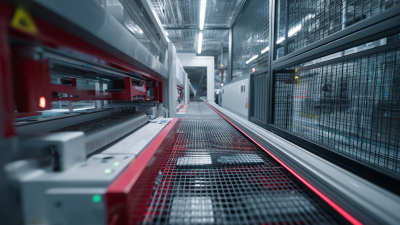
Effective mesh belt layouts can significantly enhance workflow and productivity. When setting up a Mesh Belt Oven, consider the alignment of belts. Improper positioning can cause jams or slowdowns. Evaluate your space regularly to ensure smooth operation. Simplifying the belt path may yield better results.
One crucial tip is to maintain consistent tension. A loose belt can lead to slipping, while a tight belt may wear out quickly. Find a balance that suits your specific process. Additionally, regular inspections are necessary. Issues can go unnoticed without frequent checks, leading to breakdowns.
An efficient layout also means thinking about material flow. For instance, ensure that entry and exit points are adequately spaced. This avoids bottlenecks. Clear signage can guide operators and improve efficiency. Yet, don’t rely solely on technology. Sometimes manual checks can prevent significant issues.
Evaluating Mesh Belt Performance Metrics and Upgrades
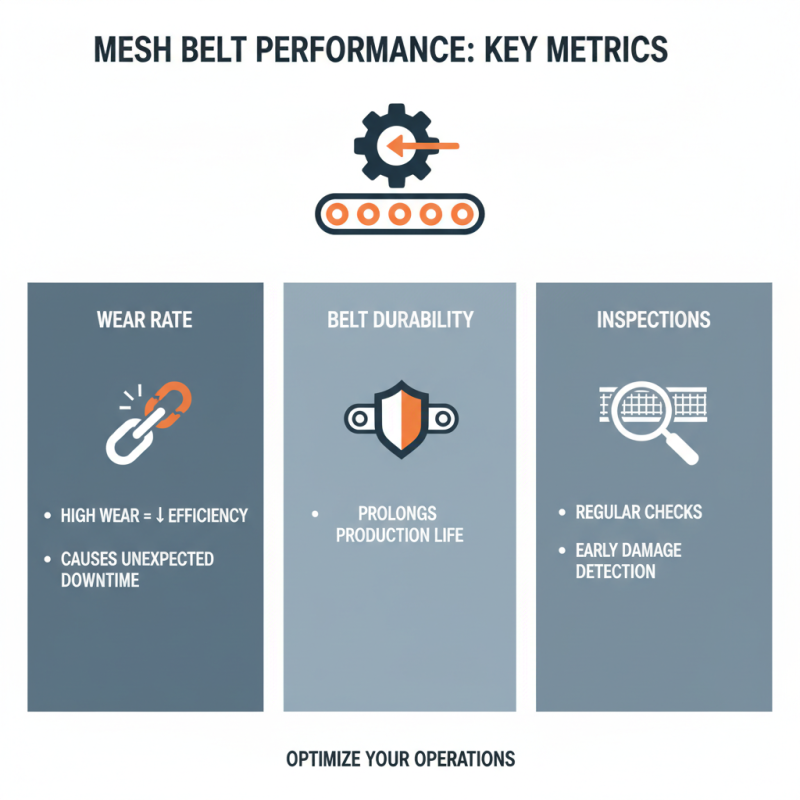
Evaluating mesh belt performance metrics is crucial for any industrial setting. Take a closer look at the wear rate. High wear can significantly affect production efficiency. Keeping track of the belt's durability helps prevent unexpected downtimes. Regular inspections are necessary to catch early signs of damage.
Upgrades can be a game changer. Consider the materials used in your mesh belt. They should resist corrosion and high temperatures. Also, look at design features that enhance airflow. It is not just about replacing old belts. It’s about improving the entire system.
Take note of your operational needs. Sometimes the newer options may not fit all applications. Test before implementing widespread changes. Efficiency improvements can come with a cost, but not all are beneficial. Analyze the data you collect. Reflect on the performance before making decisions. Balancing durability with efficiency requires ongoing attention and research.
Understanding the Importance of Chain Drive Belts: Selection, Maintenance, and Performance Optimization
Chain drive belts play a pivotal role in various industrial applications, especially in systems that demand high efficiency and durability. Understanding the selection and maintenance of these components is essential for optimizing performance. According to industry reports, poorly maintained chain drive systems account for approximately 27% of machinery failures, highlighting the importance of regular maintenance and appropriate selection based on operational needs.
When it comes to selecting the right chain drive belt, consider applications such as heavy Material Handling, where the High-Torque Chain Drive Belt is designed to withstand substantial loads. Furthermore, maintenance procedures should focus on reducing wear and improving longevity. For instance, the Low-Maintenance Chain Drive Belt, featuring self-lubricating links, significantly decreases the need for frequent maintenance, which can enhance operational efficiency. Additionally, extreme temperature environments necessitate specialized options like the Extreme Temperature Chain Drive Belt, which operates effectively from -40°C to 900°C, providing reliability under challenging conditions.
In the food processing industry, compliance with strict safety standards is essential. The Food-Grade Chain Drive Belt, certified by FDA and EHEDG, is designed to meet these requirements while ensuring optimal performance. As industries continue to embrace advanced technologies, selecting the right chain drive solutions becomes increasingly critical. Precision-engineered systems designed for specific applications can lead to notable improvements in throughput and reliability, thereby enhancing overall productivity in modern manufacturing environments.
FAQS
: Always read labels carefully. Inform others about your allergy. Carry emergency medication if prescribed.
Create a consistent bedtime routine. Limit screen time before bed. Try relaxing activities like reading or meditation.
Common signs include fatigue, irritability, and headaches. You might also experience difficulty concentrating or sleeping issues.
Set realistic goals. Find an activity you enjoy. Sometimes working out with friends can help keep you accountable.
Yes, feeling overwhelmed is common. Reflect on your priorities. Taking breaks can help regain focus and clarity.
Regular reflection is beneficial. Consider checking in with yourself weekly. Note any changes in mood or stress levels.
Conclusion
The article "Essential Mesh Belt Tips for Improved Efficiency and Durability" provides a comprehensive overview of mesh belts, their types, and their various applications in industry. It emphasizes the importance of understanding the key factors that affect the efficiency of a mesh belt, including material selection and the design of effective layouts. Regular maintenance practices are highlighted to ensure longevity and optimal performance, while troubleshooting common issues can help mitigate downtime in operations.
Furthermore, the article discusses essential performance metrics and potential upgrades to enhance mesh belt functionality. By effectively implementing these tips and strategies, businesses can significantly improve workflow efficiency, reduce operational costs, and extend the lifespan of their mesh belts, ultimately leading to greater productivity in manufacturing processes.