Hey there! In the world of manufacturing today, picking the right Furnace Mesh Belt isn't just a small detail — it’s actually a big deal when it comes to keeping your production running smoothly and making sure your products are top-notch. As a top Metal Conveyor belt maker, JIANGSU HUADA METAL MESH BELT CO., LTD. works hard to deliver precision wire mesh belts and chain-driven systems that fit a wide range of industrial needs. We’re proud of our ISO 9001 and CE certifications, which show we take standards seriously while also understanding the everyday challenges manufacturers face. In this blog, I’ll share five handy tips to help you choose the perfect Furnace Mesh Belt for your specific setup. Trust me, making the right choice here can really boost your efficiency and keep things running reliably — so let’s get into it!
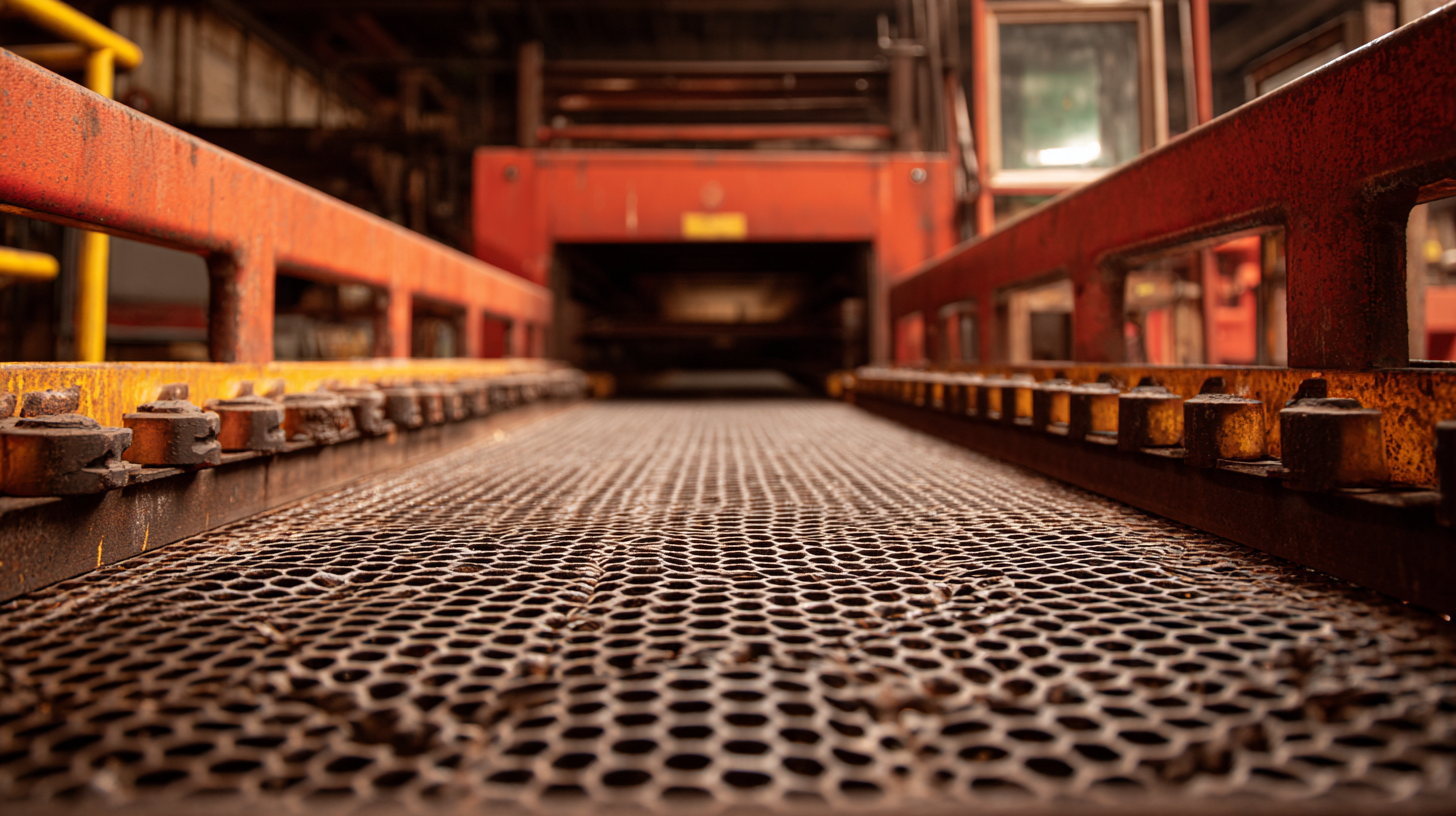
Furnace Mesh Belts might not be the most glamorous part of your production line, but trust me, they’re pretty much the backbone when it comes to jobs that involve high heat — like in metalworking or ceramics. These belts are specially made to handle crazy hot temperatures and still move your products smoothly through the furnace. Get what I mean? Understanding how important they are can really help you tune up your overall efficiency and make sure your output stays top-notch.
When you're picking out a furnace mesh belt, a good starting point is to think about the specific temperatures and chemical environments you’re working with. Not all belts are the same — some are made from materials that can handle super high heat, while others are better suited for environments with chemicals. And don’t forget to check how much weight the belt can carry — you want something sturdy enough to support your materials without any issues.
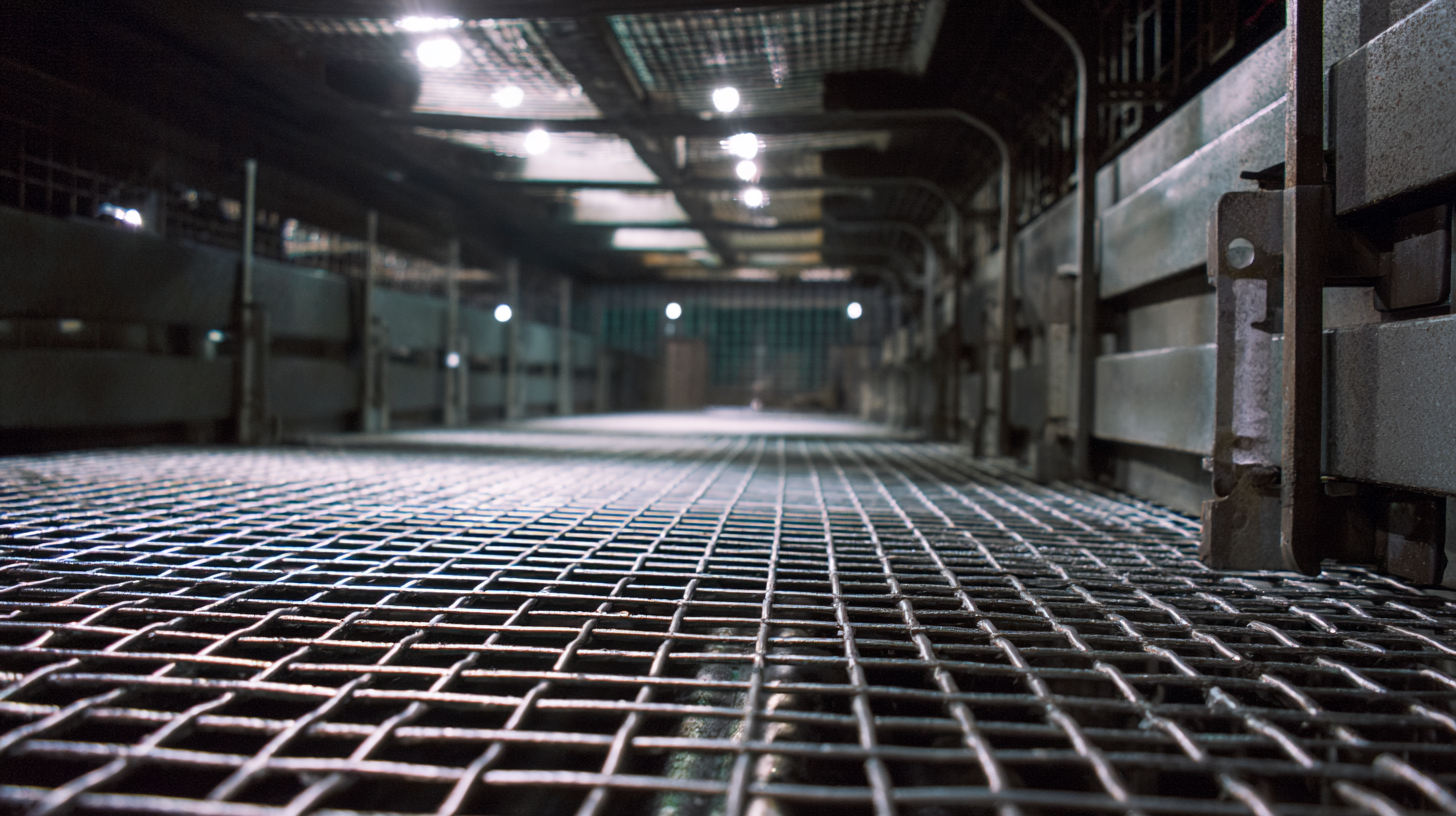
Another thing to keep in mind is the mesh size. The right one makes a big difference in how heat and air flow inside the furnace, which in turn affects the quality of your finished product. You’ll want a mesh design that promotes good airflow but still gives your items the support they need. If you take the time to weigh these factors, you’ll be able to pick the perfect furnace belt tailored exactly to what you need. It’s all about finding that sweet spot, right?
| Tip | Description | Key Considerations | Recommended Materials | Temperature Range |
|---|---|---|---|---|
| 1. Assess Production Requirements | Understand the specific needs of your production process. | Operational efficiency, load capacity, and product type. | Stainless steel, carbon steel. | Up to 1200°F (648°C) |
| 2. Determine Belt Size and Configuration | Select the right dimensions and design for the furnace. | Width, length, and mesh size. | Flat wire mesh, spiral mesh. | Up to 1000°F (538°C) |
| 3. Consider the Type of Material Being Processed | Ensure compatibility with the materials undergoing production. | Chemical properties and abrasion resistance. | Nickel alloy, high-carbon steel. | Up to 1500°F (815°C) |
| 4. Evaluate Maintenance Requirements | Assess the ease of maintenance and long-term durability. | Cleaning ease, replacement parts availability. | Composite materials, engineered plastics. | Up to 800°F (427°C) |
| 5. Review Manufacturer’s Reputation | Conduct research on manufacturer reliability and service. | Warranty, service support, customer reviews. | Hybrid belts, custom designs. | Varies by material type. |
When you're choosing a furnace mesh belt for your production line, it's really important to think about a few key features that can make a big difference in both efficiency and the quality of your products. For starters, the material of the belt is a major factor. As pointed out in a report by Industrial Heating Magazine, roughly 60% of manufacturers have run into performance issues mainly because of using lower-quality materials that just don’t hold up. Going for top-notch stainless steel or specialized alloys really pays off since they can handle super high temperatures and corrosive conditions — stuff that’s pretty much unavoidable in continuous production.
Then there’s the design of the mesh belt itself. The size of the mesh openings and how they're spaced out directly impacts airflow and heat distribution. According to research from the American Institute of Chemical Engineers, choosing the right mesh size could boost heat transfer efficiency by up to 30%. Also, make sure the belt’s width and length are just right for your specific furnace and products—otherwise, you might run into bottlenecks in the line. Focus on these details, and you’ll be on your way to picking a furnace mesh belt that not only meets industry standards but also helps run your operations more smoothly and effectively.
This bar chart illustrates the key features to consider when selecting a furnace mesh belt, including strength, temperature resistance, flexibility, ease of cleaning, and cost-effectiveness. These features are critical for optimizing production efficiency and ensuring product quality.
When you're trying to pick out the best furnace mesh belt for your production setup, understanding the right material is pretty key if you want it to last and work efficiently. In manufacturing, things like heat resistance and durability aren’t just buzzwords—they really impact how smoothly your process runs. I came across a recent report from the Material Handling Industry of America (MHIA) that mentioned using high-quality materials can actually boost a belt’s lifespan by up to 30%. That means less downtime and fewer maintenance headaches, which everyone appreciates, right?
When you’re looking at different materials, options like stainless steel or high-temperature alloys are usually the way to go—they’re known for holding up well under heat and resisting corrosion. A study from ASTM points out that stainless steel belts can handle temperatures up to about 1200°F, so they’re pretty solid for heavy-duty stuff. Just remember to think about your specific conditions—like temperature swings and exposure to chemicals—to figure out what material will work best for you.
A quick tip: Dive into what manufacturers lay out in their specs and performance data. It might seem like just extra info, but it really helps you get a clear idea of how the belt will perform in your environment. Also, don’t forget the design aspect—an intelligently designed belt not only runs more smoothly but also wears out less over time. Working with suppliers who offer different material choices and customization options can make all the difference—helps you find that perfect fit for your exact needs and keeps things running without a hitch.
When you're choosing a furnace mesh belt for your production, one thing to keep in mind is finding that sweet spot between price and quality. It’s super tempting to just go for the cheaper option, thinking you’ll save a bunch in the short run. But honestly, that initial cost doesn’t always tell the whole story. Cheaper belts often wear out faster, need more maintenance, and can end up costing you more in the long run because you have to replace them more often.
On the flip side, investing a bit more in a high-quality furnace mesh belt can really make a difference. These belts are usually made from tougher materials that handle high temps and corrosive environments like a champ, so they perform consistently without breaking down quickly. Plus, reliable manufacturers usually offer warranties and good support, which adds extra value to buying quality over just going for the cheapest option.
So, take a moment to weigh your options—balancing cost with quality. When you do, you’ll end up making a smarter decision that fits your production goals, and in the long run, it’ll help keep everything running smoothly, more reliable, and more efficient.
When you're adding a new furnace mesh belt to your existing production line, it’s really important to make sure it’s compatible with your current setup. Start by checking out the specs of both the new belt and your equipment—things like the material, width, and the temperatures they can handle. Getting this right from the start helps ensure everything runs smoothly and can actually make your process more efficient. Plus, it means you won’t have to deal with long downtimes during installation, so production keeps rolling without major hiccups.
Also, don’t forget to consider how you'll need to adjust or align the belt within your line. Proper alignment is key—if it’s off, it can cause extra wear and tear, which shortens the lifespan of both the belt and your machinery. It’s worth talking to your equipment supplier or manufacturer; they can often give some pretty useful tips or recommend tweaks to get everything fitting perfectly. In the end, a well-chosen and properly integrated furnace mesh belt can boost performance and keep your production running at its best. And after it’s installed, regular check-ups and maintenance are totally the way to go—keeping things in tip-top shape will help everything run smoother down the line.
When you're working with a furnace that uses mesh belts, taking good care of them really makes a difference in how long they last and how well they perform. It's a good idea to make regular inspections a habit—look out for any signs of wear and tear, rust, or if the belt is starting to misalign. Catching these issues early can save you headaches later on. Don't forget to stick to a consistent cleaning routine too; removing dirt and buildup keeps the belts in better shape and makes sure everything runs smoothly. Having a dedicated maintenance crew can really help catch small problems before they turn into expensive repairs.
Oh, and make sure the belt's running at the right temperature and speed, as recommended by the manufacturer. Pushing it beyond its limits or overloading can cause it to break down sooner. Setting up a monitoring system that tracks performance can give you quick insights into when maintenance might be needed. If you stay on top of these simple tips, you’ll boost the lifespan of your furnace mesh belts and keep things running efficiently—saving you money and hassle in the long run.
: Furnace mesh belts are crucial in production processes, particularly in high-temperature treatments like metal processing and ceramics. They transport products efficiently through the furnace while withstanding extreme temperatures.
When selecting a furnace mesh belt, consider the specific temperature and chemical conditions of your process, the load-bearing capacity, and the belt's mesh size to ensure optimal efficiency and quality.
The material affects the belt's durability and performance; high-quality stainless steel or specialized alloys are recommended as they can withstand extreme temperatures and corrosive environments, minimizing performance issues.
The mesh size affects airflow and heat distribution, which can enhance thermal transfer efficiency by up to 30%. The right mesh design allows for optimal air circulation while supporting the items adequately.
Regular inspections for wear and tear, a consistent cleaning schedule, and ensuring proper operational temperature and speed are vital for maintaining belt longevity and performance.
Neglecting maintenance can lead to severe issues such as premature failure, production downtime, and increased operational costs due to costly repairs.
Implementing a monitoring system to track performance metrics can provide insights into the condition of the belts, helping to determine when maintenance is necessary.
Considerations should include mesh size, openings for airflow and heat distribution, as well as the belt's width and length to prevent production bottlenecks.
The load-bearing capacity determines how much weight the belt can support without compromising performance; exceeding this can lead to accelerated wear and potential failure.
Address any misalignment immediately, as it can lead to inefficient operation and further damage. Regular inspections help catch these issues early.