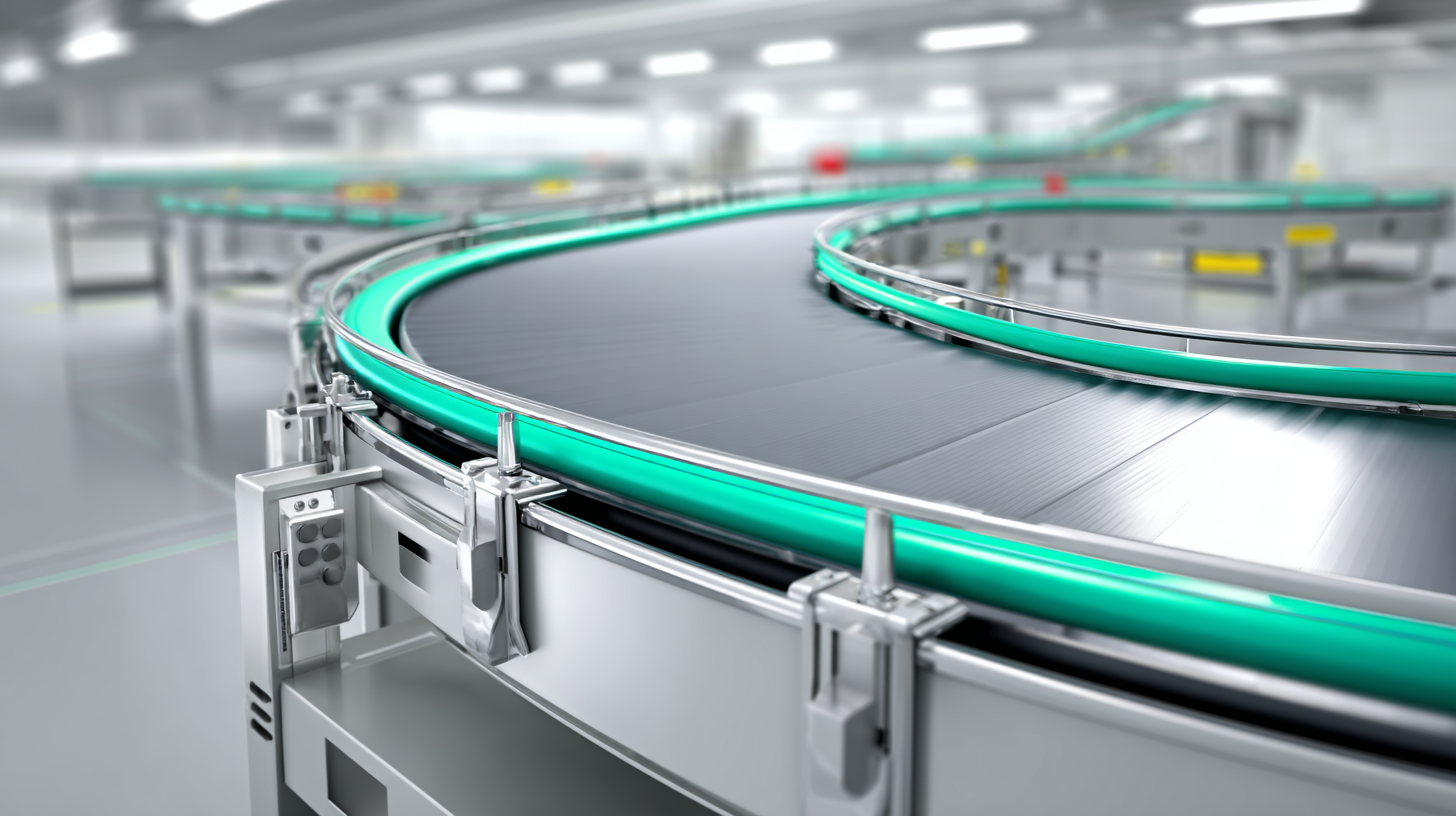
Picking the right conveyor belt really matters when it comes to keeping your business running smoothly and efficiently. At JIANGSU HUADA Metal Mesh Belt CO., LTD., we get how complex this decision can be—there are so many factors that can influence how well your equipment performs and how often you need maintenance. We've been in the game for a while, and our high-quality, precision-crafted Wire Mesh Belts and chain-driven systems have built us quite a reputation. We’ve served clients in more than20 countries across five continents, so we know a thing or two about what works. Our manufacturing facilities are ISO 9001 and CE certified, meaning you can count on getting top-notch belts that fit your specific needs. In this post, I’ll share seven handy tips to help you make a smart choice when selecting a conveyor belt. Just a few simple pointers to help you optimize your operations and boost your productivity—that's what it's all about.
Understanding Your Business Needs for Conveyor Belt Selection
When you're trying to pick out the right conveyor belt for your business, it’s really important to start with a clear understanding of what you actually need. Think about your production process—what kind of materials are you moving around? How much weight do you need it to handle? And don’t forget about the environment—things like temperature and humidity can make a big difference. Once you sort of have a grasp on these details, it’s way easier to narrow down your options and find something that can really boost your efficiency and get things running smoothly.
Speaking of the conveyor belt market, it’s pretty interesting. It’s expected to keep growing steadily—projected to go from around $1.1156 billion in 2025 to roughly $1.149144 billion by 2033. That’s a sign that investing in a solid, high-quality conveyor system is more important than ever, especially one that really fits your specific needs.
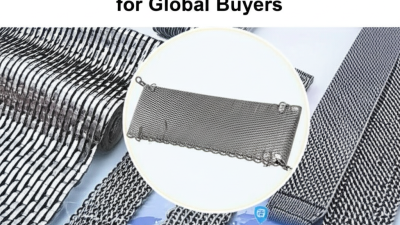
As a manufacturer with ISO 9001 and CE certifications, we focus on crafting precision-engineered wire mesh belts and chain-driven setups. Our goal is to give you products that are not only durable but also tailored to your industry’s demands. Basically, understanding these factors and making smart choices will help your operations thrive, even as the market evolves and becomes more competitive.
Exploring Different Types of Conveyor Belts Available in the Market
When you're trying to pick the right conveyor belt for your business, it’s pretty important to get a good handle on the different types out there. Honestly, conveyor belts come in all sorts of materials and designs, each one tailored for specific jobs. For example, did you know that, according to a report by Research and Markets, the global conveyor belt market is expected to hit around $6.39 billion by 2024? That just goes to show how crucial it is to choose the right type for smooth, efficient operations.
Usually, rubber conveyor belts are the ones you see everywhere—they’re tough, versatile, and perfect for hauling heavy stuff, especially in mining or construction. On the other hand, modular plastic belts are really catching on, especially in food processing. Why? Because they’re super easy to clean and can be customized to fit different needs. And then there are fabric belts—these are popular in warehouses and logistics centers because they handle lighter items well and give you a lot of flexibility.
Thanks to tech advances, we’re also seeing the rise of smart conveyor systems. These bad boys come with sensors and automation features that help optimize how materials move around. As more businesses realize how much automation can boost efficiency, we’re probably gonna see a big jump in demand for these smart systems. Knowing the ins and outs of these different types and what they’re best suited for can really make a difference—especially if your goal is to keep things running smoothly and meet industry standards without breaking the bank.
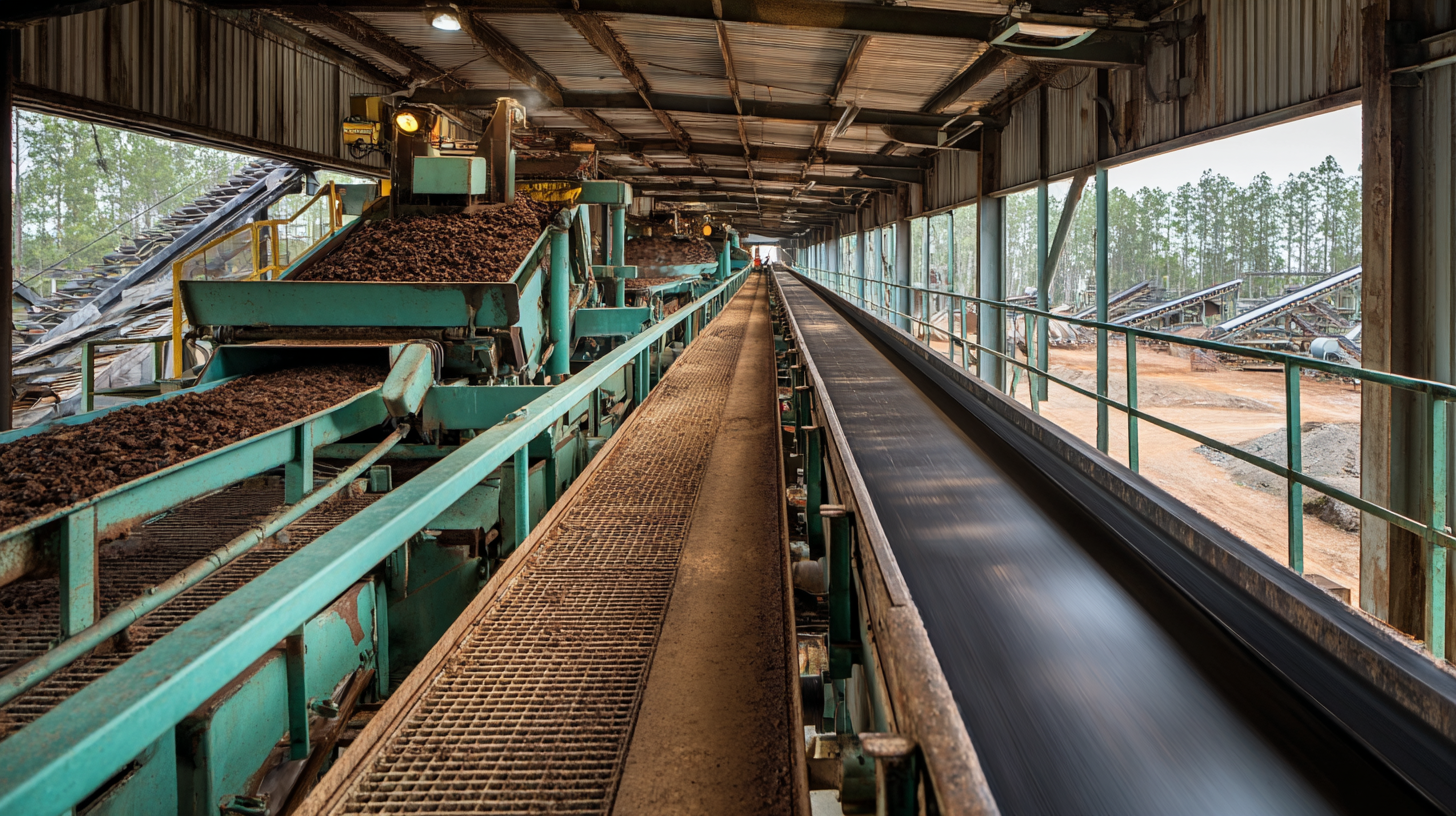
Key Factors to Consider: Material, Width, and Length of Belt
When you're picking out the right conveyor belt for your business, it’s pretty important to get a grip on a few key things — mainly the material, the width, and the length. Choosing the right material can really make a difference in how long your conveyor lasts and how well it works. For example, I read that, according to the Conveyor Equipment Manufacturers Association (CEMA), using the proper material can actually bump up the lifespan of a conveyor by up to 30%. Common materials include rubber, PVC, and metal — each has its own perks depending on what industry you're in. Like, rubber belts are great if you need something super durable for heavy-duty jobs, while PVC belts are often used in places where cleanliness matters — you know, easy to clean and hygienic.
And then there’s the size stuff — the width and length. It’s kind of a no-brainer, but according to the International Journal of Material Handling, your conveyor belt should be at least 1.5 times wider than the biggest items you're moving around. That way, you avoid jams and keep things running smoothly. As for length, it’s just as crucial — the Material Handling Industry of America (MHIA) points out that optimizing belt length can save you up to 20% on energy costs. So, yeah, thinking about these factors isn’t just about making things work — it can actually save you some money over time and boost overall efficiency.
Conveyor Belt Selection Factors
Evaluating the Environmental Conditions for Optimal Belt Performance
When you're picking out a conveyor belt for your business, it’s really important to think about the environment where it’ll be used. Different industries have different conditions—some might face super hot temperatures, while others deal with corrosive substances. A belt that works well in one setting might not hold up in another, so knowing exactly what your conveyor will face plays a big role in making the right choice. For example, if your place gets really hot, you’ll want a heat-resistant belt to avoid it breaking down too soon and to keep things running smoothly.
On top of that, things like humidity, dust, and chemicals can seriously impact how long your belt lasts and how well it works. If your operation involves wet or corrosive stuff, it’s worth looking into belts with special coatings or reinforcements to avoid damage. By taking a close look at these environmental details, you can pick a belt that’s just right for your needs—and that can handle the specific challenges of your workspace. In the end, making an informed choice based on a solid understanding of your environment helps boost productivity and keeps maintenance costs down over time.
Importance of Maintenance and Durability in Conveyor Belt Choice
When you're choosing a conveyor belt for your business, it's pretty clear that maintenance and durability really matter. Opting for a belt that's built to last not only means fewer replacements and repairs down the line, but it can also save you a ton of money in the long run. It's a good idea to go for belts made from high-quality materials, especially ones designed to handle the specific demands of your operation—whether you're dealing with heavy-duty stuff or just moderate workloads. Plus, keeping up with regular maintenance on your conveyor system can seriously extend the belt's lifespan, keeping everything running smoothly and avoiding those annoying unexpected downtimes.
On top of that, choosing a belt that's easy to maintain makes life a whole lot simpler. Features like modular designs and easy access points can make repairs and inspections less of a hassle, helping to foster a more proactive, no-stress maintenance routine. And if you're into tech gadgets, investing in systems that can detect faults early on is a game-changer—it helps you catch issues before they turn into big problems, keeping your operations running without a hitch. By keeping all this in mind, you can make smarter choices that not only meet your operational needs but also boost the overall productivity of your conveyor system.
7 Essential Tips for Choosing the Right Conveyor Belt for Your Business - Importance of Maintenance and Durability in Conveyor Belt Choice
| Tip | Description | Maintenance Frequency | Durability Rating |
| 1. Assessing Load Requirements | Determine the weight and type of material to be transported. | Monthly | High |
| 2. Understanding Conveyor Speed | Select belt material that allows for the required speed without issues. | Bi-weekly | Medium |
| 3. Evaluating Environmental Conditions | Consider temperature, humidity, and exposure to chemicals. | Seasonally | Low |
| 4. Selecting Appropriate Belt Material | Choose based on the type of materials being transported. | Monthly | High |
| 5. Considering Belt Width and Length | Ensure dimensions fit the space and load requirements. | Yearly | Medium |
| 6. Regular Inspections and Maintenance | Check for wear and tear regularly to prevent breakdowns. | Weekly | High |
| 7. Planning for Future Needs | Anticipate growth and changes in production volume. | Annually | Medium |
Cost Analysis: Budgeting for Conveyor Belt Investment and Long-Term Savings
When you’re planning to invest in a conveyor belt, it’s really important to take a step back and look at the big picture. Not just the initial cost, but also the long-term savings that come with it. From what industry experts say, putting money into a high-quality conveyor belt upfront can actually save you up to 30% on operational costs over its lifetime. That’s mainly because a better belt runs more efficiently and has less downtime. So, when you're making your decision, don’t just focus on the purchase price—think about how durable it is, how much maintenance it’ll need, and how much energy it’ll use. According to research from the Conveyor Equipment Manufacturers Association (CEMA), investing in a premium system can really cut down your total ownership costs over the long run.
Here’s a quick tip: make sure to consider what exactly you need your conveyor for. Different tasks call for different materials and belt designs, which can totally change the costs and how well it performs. For example, a belt built to handle heavy loads isn’t gonna be the same as one meant for delicate items—it all impacts your budget, so pick wisely.
On top of that, remember that savings aren’t just about the upfront costs. Reduced labor and faster production times can seriously boost your bottom line. The Material Handling Industry of America reports that automating processes using conveyor systems can bump up productivity by as much as 50%. That’s a huge deal when you’re talking about ROI.
And here’s another pro tip: don’t forget about your relationship with suppliers and service providers. Partnering with a trusted conveyor belt manufacturer isn’t just about getting a quality product; it can also lead to discounts on maintenance and service, which adds up to long-term savings and peace of mind.
FAQS
: The main types of conveyor belts include rubber conveyor belts, modular plastic belts, and fabric belts. Rubber belts are known for their durability and versatility, modular plastic belts are popular in the food processing sector for their easy sanitation, and fabric belts are efficient for lighter products in warehouse and logistics settings.
Rubber conveyor belts are preferred for heavy loads due to their durability and versatility, making them ideal for applications in the mining and construction industries.
Modular plastic belts offer easy sanitation and high customization, making them particularly suitable for the food processing industry.
Smart conveyor systems enhance material handling processes through the incorporation of sensors and automation features, optimizing efficiency and reducing operational costs.
Businesses should consider the upfront costs, durability, maintenance expenses, energy consumption, and the specific purpose of the conveyor system when budgeting for investments.
Investing in a high-quality conveyor belt can yield up to 30% savings on operational costs due to improved efficiency and reduced downtime throughout its lifespan.
Automation through conveyor systems can enhance productivity by up to 50%, positively influencing overall return on investment.
Maintaining strong relationships with reliable conveyor belt manufacturers can lead to product quality assurance and potential discounts on maintenance services, thereby enhancing long-term savings.
Businesses should evaluate the specific tasks their conveyor system will handle, as different materials and belt designs are required for different applications, impacting both cost and performance.
The global conveyor belt market is projected to reach $6.39 billion by 2024, indicating a significant demand for various conveyor solutions and the growing importance of choosing the correct type for efficient operations.
Conclusion
Picking the right conveyor belt really matters if you want to keep your business running smoothly and efficiently. Honestly, the first step is to look at what you actually need—knowing your specific requirements will help you choose the perfect type of belt for your industry. With so many options out there, it’s good to consider things like what material you need, how wide and long the belt should be, and of course, where it’ll be working. Don't forget, the environment where the belt will be used is super important too—if you get this right, your equipment will perform much better.
Also, keep in mind that durability and easy maintenance are key. Sometimes it might seem like going for a cheaper option is tempting, but investing a little more in quality can save you headaches and money in the long run. Oh, and if you’re looking for a reliable manufacturer, JIANGSU HUADA METAL MESH BELT CO., LTD. has some seriously well-made metal conveyor belts. They’re designed for a bunch of different uses, so you’re covered. By keeping these tips in mind, you’ll be able to make a smarter decision that helps meet your goals and boost your productivity. Trust me, a little extra effort now makes a big difference down the line.