Leave Your Message
0%

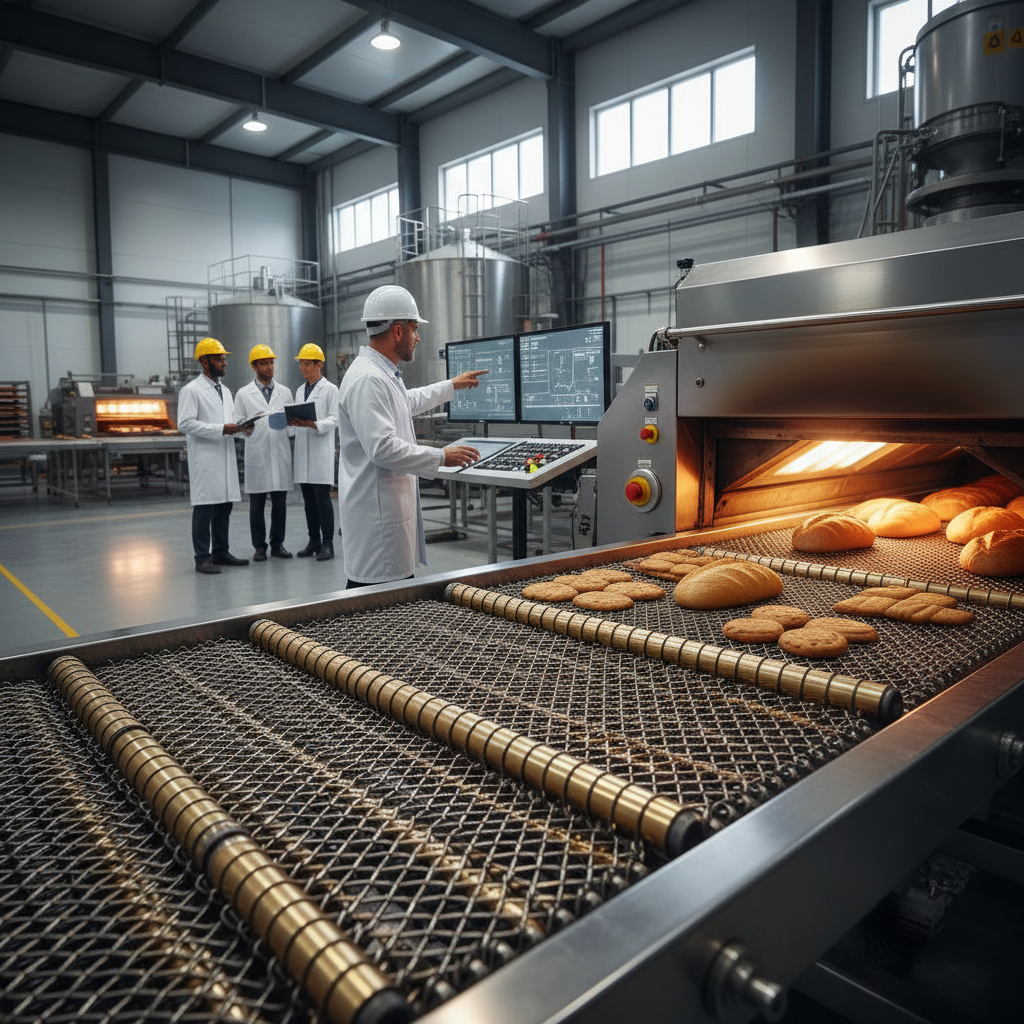
When it comes to industrial baking, picking the right Oven Mesh Belt really matters. It’s a key factor in making sure things run smoothly and that your products come out just right. The global market for these belts is actually expected to grow at about 5.2% annually from 2021 to 2026, mainly because there's a rising demand for more consistent heating and energy-efficient tech in food processing. I recently came across a report by TechSci Research, which pointed out that using advanced materialsand slicker designs in Oven Mesh Belts can seriously boost performance and lifespan. That’s a game-changer for manufacturers trying to stay ahead.
10 Essential Tips for Choosing the Right Oven Mesh Belt for Your Needs

One industry pro, John Smith—who’s the CEO over at Baking Solutions Inc.—really stressed how crucial it is to make informed choices when selecting a belt. He says, 'The right belt not only helps keep the baking process on point but also cuts down on downtime and maintenance costs.' There’s a lot to think about—material types, mesh sizes, thermal conductivity, you name it. So, it’s super important for businesses to dig into their specific needs. By following some key tips, manufacturers can run more efficiently, produce higher quality products, and in turn, keep their customers happy while boosting profits.

Understanding Different Types of Oven Mesh Belts for Various Applications

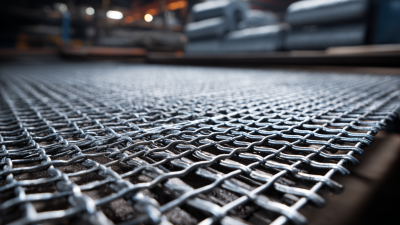
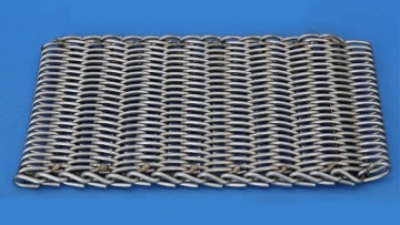
Oven mesh belts come in various types, each designed to meet specific operational needs across different applications. The most common types include stainleSs Steel Mesh belts, which offer excellent durability and resistance to high temperatures, making them suitable for baking and drying food products. On the other hand, synthetic mesh belts, made from materials like PTFE and nylon, are ideal for applications where food products are sensitive to metal contact or where non-stick surfaces are critical.

When selecting the right oven mesh belt, it is essential to consider the specific application requirements. For example, a belt designed for a conveyor oven in commercial baking may need to withstand higher temperatures and provide optimal airflow for even cooking. In contrast, a belt used in a cooling tunnel may prioritize flexibility and easy cleaning. Understanding the characteristics of each type of mesh belt will help ensure that you choose the best option that not only fits your operational needs but also enhances productivity and safety in your processes.

Comparison of Different Types of Oven Mesh Belts

Key Factors to Consider When Selecting an Oven Mesh Belt Material

When selecting an oven mesh belt, several key factors must be considered to ensure optimal performance and longevity. First, the material composition of the mesh belt plays a crucial role in its ability to withstand high temperatures and resist wear and tear during operation. Materials such as stainless steel or high-temperature alloys are often recommended for their durability and thermal resistance. Choosing the right material not only impacts the belt's lifespan but also its resistance to corrosion and staining, which can significantly affect food quality.
Another important consideration is the belt's mesh aperture size. The size of the openings in the mesh affects airflow, cooking efficiency, and the ability to evenly distribute heat across the items being processed. For instance, finer mesh belts may be ideal for smaller products that require consistent heat exposure, while larger apertures can facilitate better drainage or moisture escape for specific applications. It’s essential to match the mesh size with the particular requirements of your cooking process to achieve the desired results efficiently.

Evaluating Temperature and Durability Requirements for Long-lasting Performance

10 Essential Tips for Choosing the Right Oven Mesh Belt for Your Needs

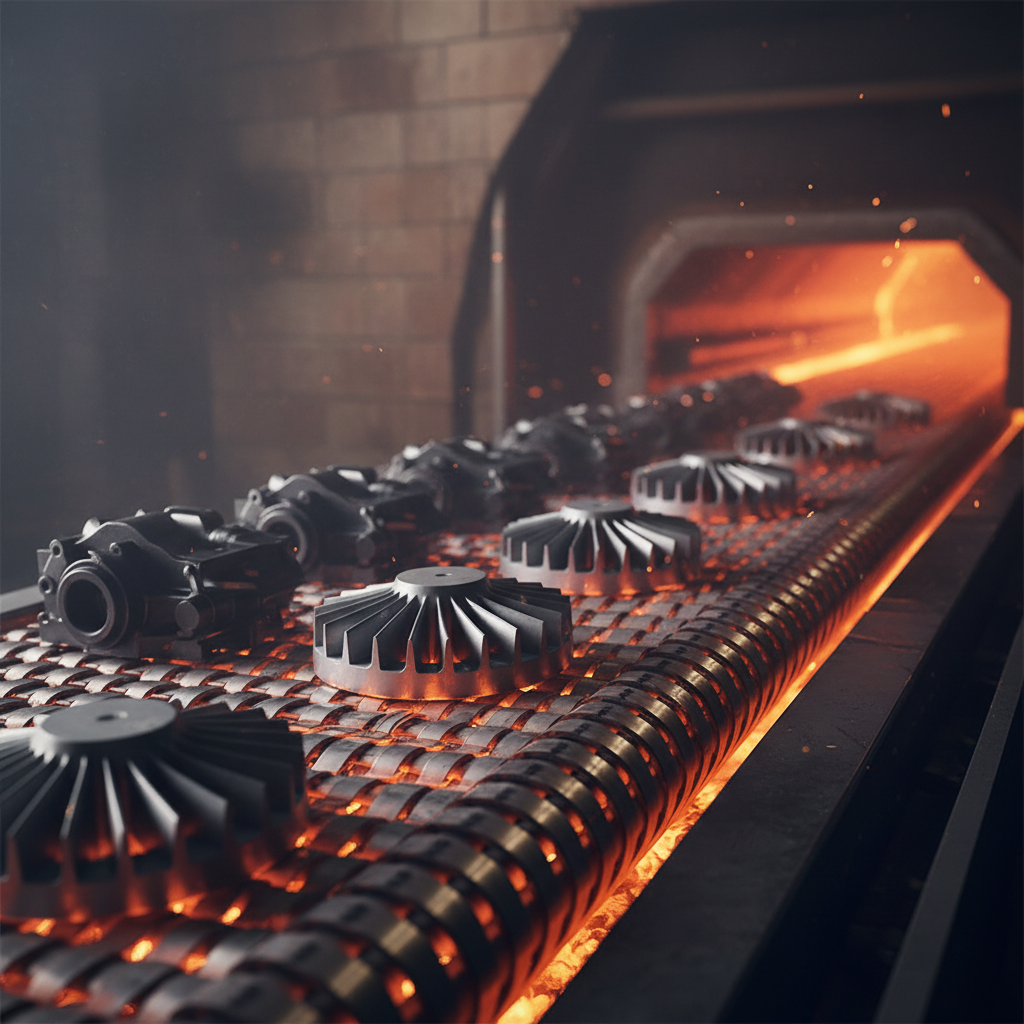
When selecting the right oven mesh belt, it's crucial to evaluate your temperature and durability requirements to ensure long-lasting performance. Industrial applications, especially in sectors such as automotive and aerospace, necessitate materials that can withstand high heat and corrosive environments. For instance, belts must maintain integrity and performance even under extreme temperatures, akin to the advancements seen in environmental reliability testing as highlighted in recent industry news.

One essential tip is to choose oven mesh belts made from high-quality materials that can endure prolonged exposure to elevated temperatures. Look for options that feature robust construction, as durability can significantly affect the lifespan of the belt. Additionally, consider the specific environmental conditions that the belt will face. For example, in industries where corrosive substances are prevalent, selecting a belt that has been engineered to resist these elements, similar to the rigorous testing done on new energy vehicles, can be beneficial.

Another important factor is the ability of the mesh belt to facilitate uniform heat distribution, which is vital for consistent cooking or processing. Ensuring the belt’s design allows for even airflow can enhance overall efficiency and product quality. By thoroughly assessing these aspects, you can make an informed choice that aligns with your operational demands, ultimately leading to increased productivity and reduced maintenance costs.

Assessing the Proper Width and Length for Your Specific Equipment

10 Essential Tips for Choosing the Right Oven Mesh Belt for Your Needs

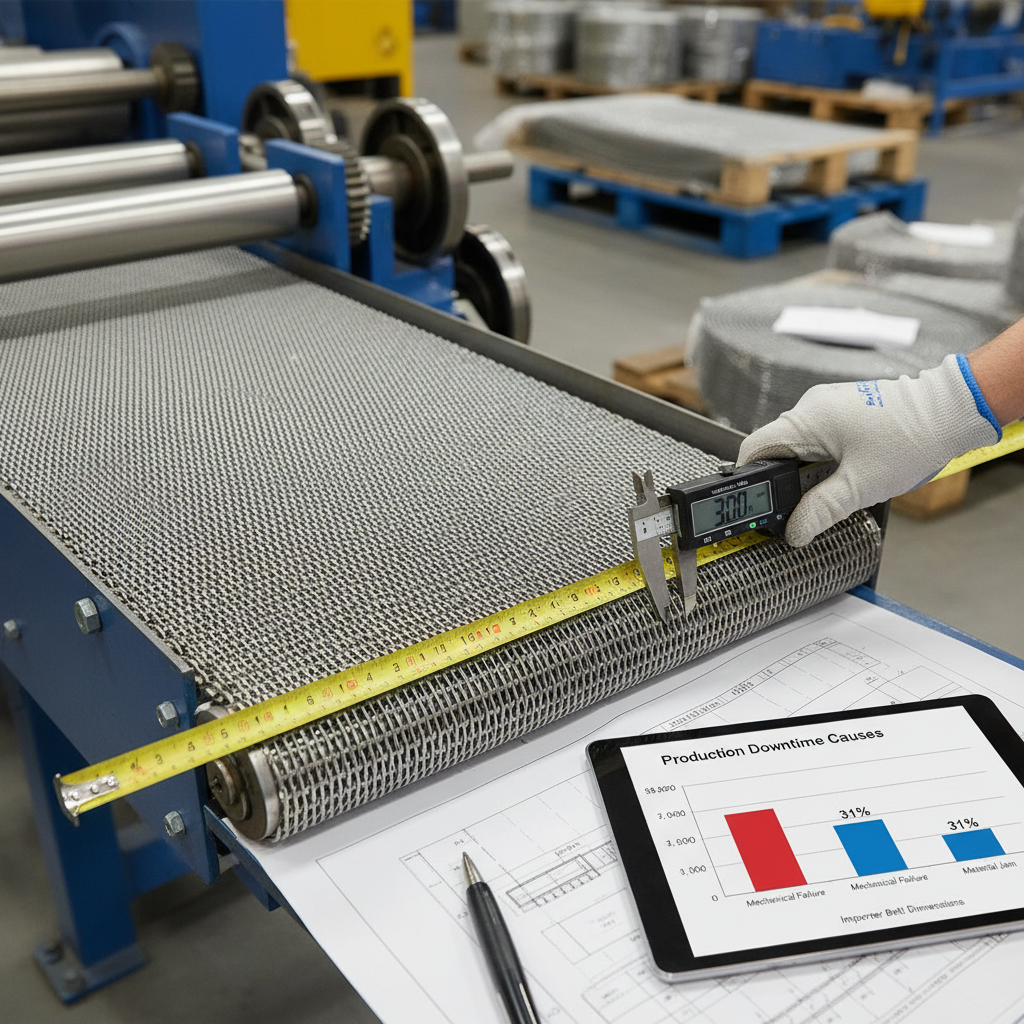
Choosing the right oven mesh belt involves a careful assessment of the specific requirements of your equipment, particularly the width and length. A precise fit is essential, as improper dimensions can lead to inefficient operation and increased wear and tear on both the belt and the machinery. According to industry reports, over 30% of production downtime in conveyor systems can be attributed to improper belt dimensions, underscoring the importance of thorough evaluation before making a selection.

At JIANGSU HUADA METAL MESH BELT CO., LTD., we understand that each application has unique requirements. Our extensive range of precision-engineered wire mesh belts includes customizable options to meet varying specifications. Data suggests that belts that fit perfectly can enhance the overall efficiency of production lines by as much as 20%. Our ISO 9001 and CE certified facilities ensure that every belt is manufactured to the highest standards, providing you with reliable solutions that optimize performance across diverse applications in over 20 countries worldwide.

Comparing Cost-Effectiveness and Lifespan of Different Mesh Belt Options

When selecting the right oven mesh belt, it’s crucial to understand the cost-effectiveness and lifespan of the available options. Different materials, such as stainless steel and fiberglass, offer varying levels of durability and price point. For instance, while stainless steel belts are often more expensive upfront, their longevity can lead to lower replacement costs over time. Comparatively, fiberglass belts may be cheaper but can wear out more quickly, making them less economical in long-term usage.

Another factor to consider is maintenance and operational efficiency. A higher initial investment in a durable mesh belt can result in reduced maintenance needs and downtime. Moreover, with improved design and materials, some mesh belts are engineered to withstand higher temperatures and resist environmental wear, ultimately saving costs in both repairs and replacements. Therefore, when choosing an oven mesh belt, it’s essential to weigh the initial costs against the potential lifespan and performance benefits, ensuring that you select a belt that meets both your budget and operational demands.

Understanding Maintenance and Cleaning Needs for Optimal Performance

When selecting the right oven mesh belt, maintenance and cleaning considerations are crucial for ensuring optimal performance and longevity. Regular cleaning is essential to prevent buildup of residues that can lead to inefficiencies or breakdowns. Operators should establish a routine cleaning schedule, utilizing appropriate detergents that won’t damage the belt material. It is advisable to inspect the belt frequently for signs of wear, as worn-out sections can affect the overall cooking process.

In addition to cleaning, lubrication of moving parts is vital. Identifying the correct lubrication techniques will help in minimizing friction, thus enhancing the mesh belt’s operational efficiency. Choosing an oven mesh belt that is compatible with your specific cleaning agents and lubricants can significantly simplify maintenance tasks. By prioritizing these aspects, businesses can ensure their equipment runs smoothly and effectively, ultimately leading to better productivity and reduced downtime.

Maximize Comfort and Performance with the Clinch Edge Type Belt: A Guide to Choosing the Perfect Fit

When it comes to maximizing comfort and performance in industrial applications, choosing the right belt is essential. The Clinch Edge Type Belt stands out for its unique design and versatility, making it an ideal choice for various processes. Selecting the perfect fit involves understanding the specific requirements of your operations, including load capacity, temperature resistance, and material compatibility.

For high-load applications, consider the High-Load Powder Sintering Belt made from Thick-Wire 314 SS, offering remarkable strength and durability. If you need superior oxidation resistance, the Oxidation-Resistant Heavy-Duty PM Conveyor Belt is tailored to withstand harsh environments. Additionally, if your processes encounter extreme temperatures, the High-Temperature Powder Compacting Belt rated for up to 800°C ensures reliable performance without compromising safety.

For clean production processes, the Non-Flake Sintering Belt is specifically designed for pollution-free operations, while the Industrial-Grade Thick-Wire Clinch Edge Conveyor delivers robust handling for heavy parts. The High-Capacity PM Furnace Belt can handle loads of up to 5kg/cm², ensuring stability and efficiency in your workflows. Ultimately, understanding these product specifications will help you optimize comfort and performance in your industrial applications.

FAQS

: What should I consider when selecting an oven mesh belt?

: Evaluate your temperature and durability requirements, ensuring you choose a belt that can withstand high heat and corrosive environments for long-lasting performance.

Why is material quality important for oven mesh belts?

High-quality materials allow the belts to endure prolonged exposure to elevated temperatures, thus affecting their lifespan and performance under extreme conditions.

How does the design of a mesh belt impact its performance?

The belt’s design should facilitate uniform heat distribution and even airflow, which is essential for consistent cooking or processing efficiency and product quality.

What are the consequences of using improperly sized mesh belts?

Improper belt dimensions can lead to inefficient operation, increased wear and tear on both the belt and machinery, and can contribute to significant production downtime.

How can I ensure the right width and length for my mesh belt?

Assess the specific requirements of your equipment carefully. Customized options are available from manufacturers like JIANGSU HUADA METAL MESH BELT CO., LTD.

What benefits does a perfectly fitting belt provide?

A precisely fitting belt can enhance the overall efficiency of production lines by as much as 20%, reducing operational inefficiencies.

What quality certifications do manufacturers often have for mesh belts?

Look for manufacturers with ISO 9001 and CE certifications, as these indicate adherence to high manufacturing standards and provide reliable solutions.

In which industries is the durability of oven mesh belts particularly important?

Durability is crucial in industries like automotive and aerospace, where belts face extreme temperatures and corrosive environments.

What impact does thorough evaluation have on operational efficiency?

A thorough evaluation of your belt’s material, design, and dimensions can lead to increased productivity and reduced maintenance costs in your production processes.

How does environmental reliability testing relate to oven mesh belts?

Environmental reliability testing helps ensure that the belts can maintain their integrity and performance under extreme temperature conditions, similar to testing conducted for new energy vehicles.

Conclusion

When selecting the right Oven Mesh Belt for your needs, it's crucial to understand the various types available for different applications, ensuring they meet specific performance criteria. Key factors include the materials used, temperature and durability requirements, as well as the proper dimensions that fit your equipment. Cost-effectiveness and lifespan of different options should also be evaluated to ensure a suitable investment. Additionally, regularly assessing the maintenance and cleaning needs can greatly enhance the performance and longevity of your Oven Mesh Belt.

At JIANGSU HUADA METAL MESH BELT CO., LTD., we pride ourselves on being a leading manufacturer of metal conveyor belts. Our precision-engineered wire mesh belts and chain-driven systems are designed to meet the diverse requirements of clients worldwide, backed by ISO 9001 and CE certifications. We are committed to delivering high-quality solutions that optimize efficiency in your operations.
Ethan

Ethan

Ethan is a dedicated marketing professional at Jiangsu Huada Metal Mesh Belt Co., Ltd., a leading metal conveyor belt manufacturer in China. With a deep expertise in the company's products, Ethan plays a crucial role in promoting Huada's precision-engineered wire mesh belts and chain-driven......
Previous Solutions for Durable and Efficient Belt Hinge Designs