Leave Your Message
In today’s fast-moving industrial world, picking the right Chain Conveyor Belt is pretty crucial if you want to boost your efficiency and get more done. A recent industry report mentioned thatfine-tuning conveyor systems can actually improve efficiency by as much as 30%. That really shows how much of a difference the right belt can make, not just in speed but also in saving costs. Here at JIANGSU HUADA Metal Mesh Belt CO., LTD., we’re proud to be one of China's leading makers of Metal Conveyor belts. We’re dedicated to designing solutions that meet a whole bunch of different needs across industries. With over 20 years under our belt and our products now serving more than 20 countries, ourISO 9001 and CE certifications mean you’re getting top-quality wire mesh belts and chain-driven systems every time. In this post, I’ll share five key tips to help you choose the perfect chain conveyor belt — making it easier for your business to make smart decisions that match your goals.
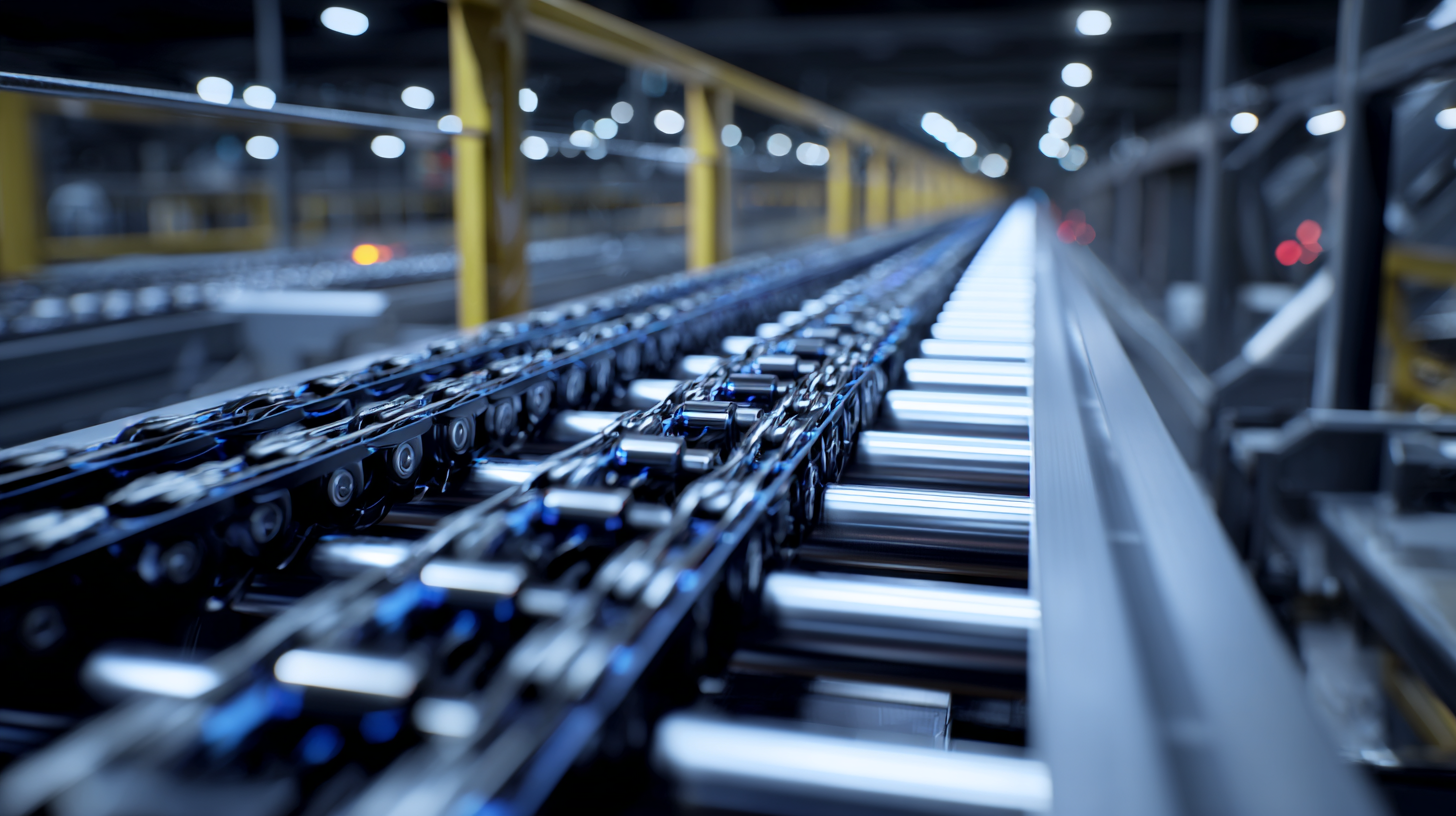
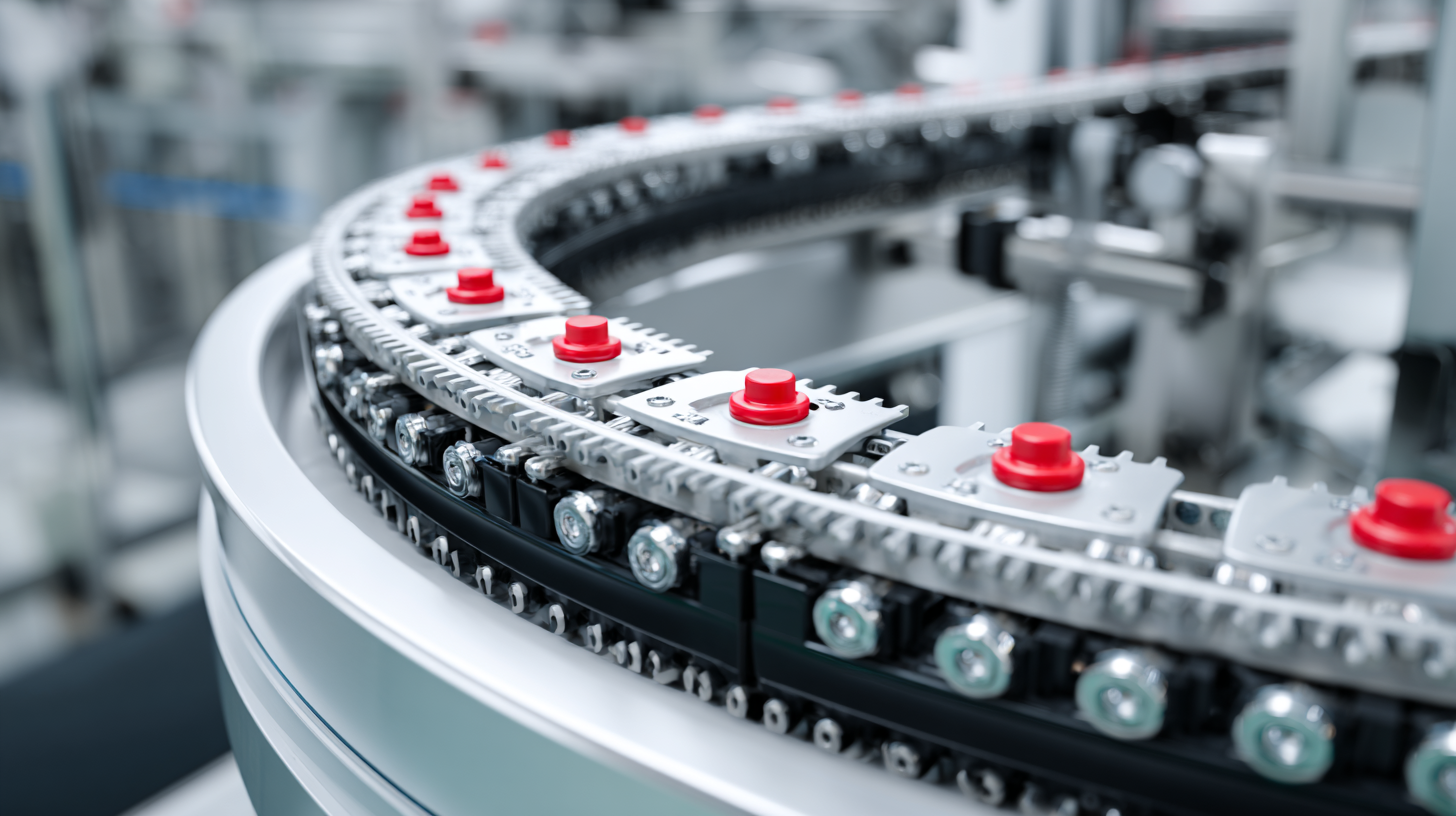
When you're trying to pick the right chain conveyor belt, it really helps to understand the different types out there. Each one has its own strengths and specific uses in various industrial settings. For example, plastic chain belts are super versatile and flexible—they’re great for navigating tight spaces and corners easily. They're usually used for lighter loads, like in assembly lines or packaging plants, where quick, smooth movement is key.
On the flip side, steel chain conveyor belts are the heavy hitters—they’re built tough and are perfect for really demanding jobs. These belts can handle extreme conditions, like high heat or working with abrasive materials, which is exactly what you need in industries like mining or metalworking. It’s pretty important to take a close look at what your operations actually require—choosing the wrong belt type can waste time and boost costs unnecessarily. Getting a good grasp of these differences isn’t just about making the right choice; it can seriously help boost your productivity too.
| Belt Type | Material | Load Capacity (kg/m) | Temperature Range (°C) | Typical Applications |
|---|---|---|---|---|
| Plastic Modular | Polypropylene | 50 | -20 to 60 | Food processing, packaging |
| Stainless Steel | Stainless Steel | 100 | -30 to 150 | Automotive, heavy industrial |
| Rubber Chain | Rubber | 80 | -10 to 90 | Agricultural, recycling |
| Steel Roller | Carbon Steel | 150 | -20 to 100 | Mining, construction |
| Double Pitch | Steel | 120 | -10 to 80 | Pallet handling, bulk material |
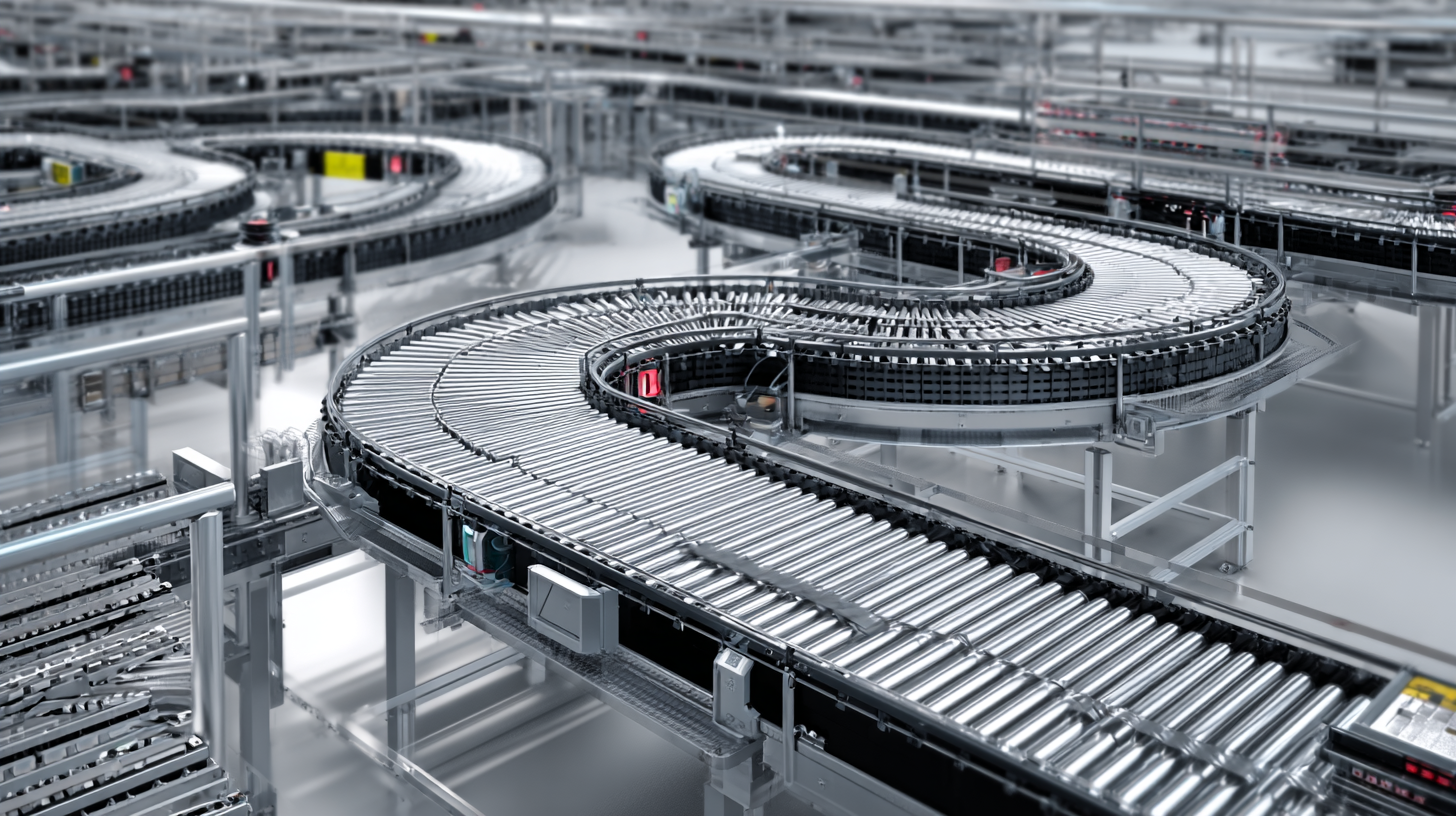
The efficient handling of materials in the food processing industry is crucial for maximizing production and operational effectiveness. Recent insights from industry reports indicate that advanced spiral conveyor belts offer significant advantages over traditional systems. For instance, the Food-Grade Spiral Freezer Belt, constructed from 316L stainless steel and compliant with FDA regulations, enhances hygiene and ensures safety in food handling processes. Such materials not only comply with strict industry standards but also provide durability and resistance to corrosion, which are essential in demanding environments.
Moreover, the Low-Temperature Spiral Conveyor Belt, rated for temperatures as low as -40°C, is a game-changer for the frozen food sector. Reports highlight that implementing energy-efficient spiral conveyor systems can reduce energy consumption by up to 30%, translating to substantial cost savings over time. Additionally, products like the Quick-Release Spiral Freezer Belt significantly simplify cleaning processes, which is vital for maintaining compliance with health regulations and minimizing downtime in production lines.
The emergence of specialized solutions, such as the Hygienic Spiral Freezer Mesh Belt for IQF processing and the Anti-Stick Spiral Conveyor for frozen seafood, reflects a trend towards customization in material handling. These innovations not only improve the efficiency of operations but also cater to specific industry needs, ultimately leading to enhanced performance and reliability in food processing logistics.
: The main types of chain conveyor belts are plastic chain conveyor belts, which offer modularity and flexibility for light to medium loads, and steel chain conveyor belts, known for their robustness and durability suitable for heavy-duty applications.
Plastic chain conveyor belts are most suitable for light to medium loads and are ideal for assembly lines and packaging industries, where they can easily navigate tight spaces and corners.
Steel chain conveyor belts are preferred in heavy-duty applications due to their robustness and durability, allowing them to withstand extreme conditions, high temperatures, and abrasive materials.
Maintenance practices that can extend the life of chain conveyor belts include regularly checking tension, ensuring proper lubrication, and inspecting for signs of wear.
Proper maintenance can enhance operational efficiency and potentially boost productivity by up to 30%, reducing the risks of costly downtime and replacements.
Effective maintenance strategies reduce the likelihood of conveyor malfunctions, thereby enhancing safety measures for employees and customers and decreasing the chances of accidents and damage claims.
Understanding the cost vs. performance balance is important as it helps unlock the full potential of the chain conveyor system, impacting operational productivity and efficiency significantly.
The European conveyor belt market is projected to reach USD 5.29 billion by 2033, growing at a CAGR of 6.07% from 2025 to 2033, indicating a rising demand for efficient and reliable conveyor systems.
The transition to autonomous supply chains is reshaping the market, with many supply chain executives anticipating significant automation, which will elevate the efficiency of chain conveyors further.
Companies that invest in quality chain conveyor systems can improve operational throughput, manage expenses effectively, and align with emerging technological advancements that drive long-term success.
Picking the right chain conveyor belt really matters if you want your operations to run smoothly and efficiently. There's a lot to consider—knowing the different types out there can help you figure out which one fits your needs best. Things like the material you choose, how you measure efficiency, and regular maintenance all play a big role in making sure your conveyor keeps working well and lasts longer.
And hey, don’t forget to find that sweet spot between cost and performance. You want something that’s a good deal without sacrificing quality. Also, proper installation and adjustments are key—they can make a huge difference in how well your conveyor operates.
At JIANGSU HUADA METAL MESH BELT CO., LTD., we’re all about delivering top-quality wire mesh belts and chain-driven systems. We’re proud to serve customers in over 20 countries and stick to strict standards like ISO 9001 and CE. Basically, we’re here to make sure you get reliable, high-quality products that get the job done.