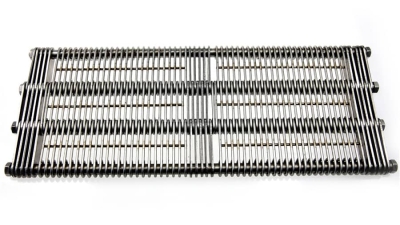
Alright, let's talk about what's happening in the industrial world today. There's a growing need for super-efficient and creative conveyor solutions, and honestly, it's all thanks to how much manufacturing processes are evolving. Plus, everyone’s really paying attention to reliability and precision nowadays.
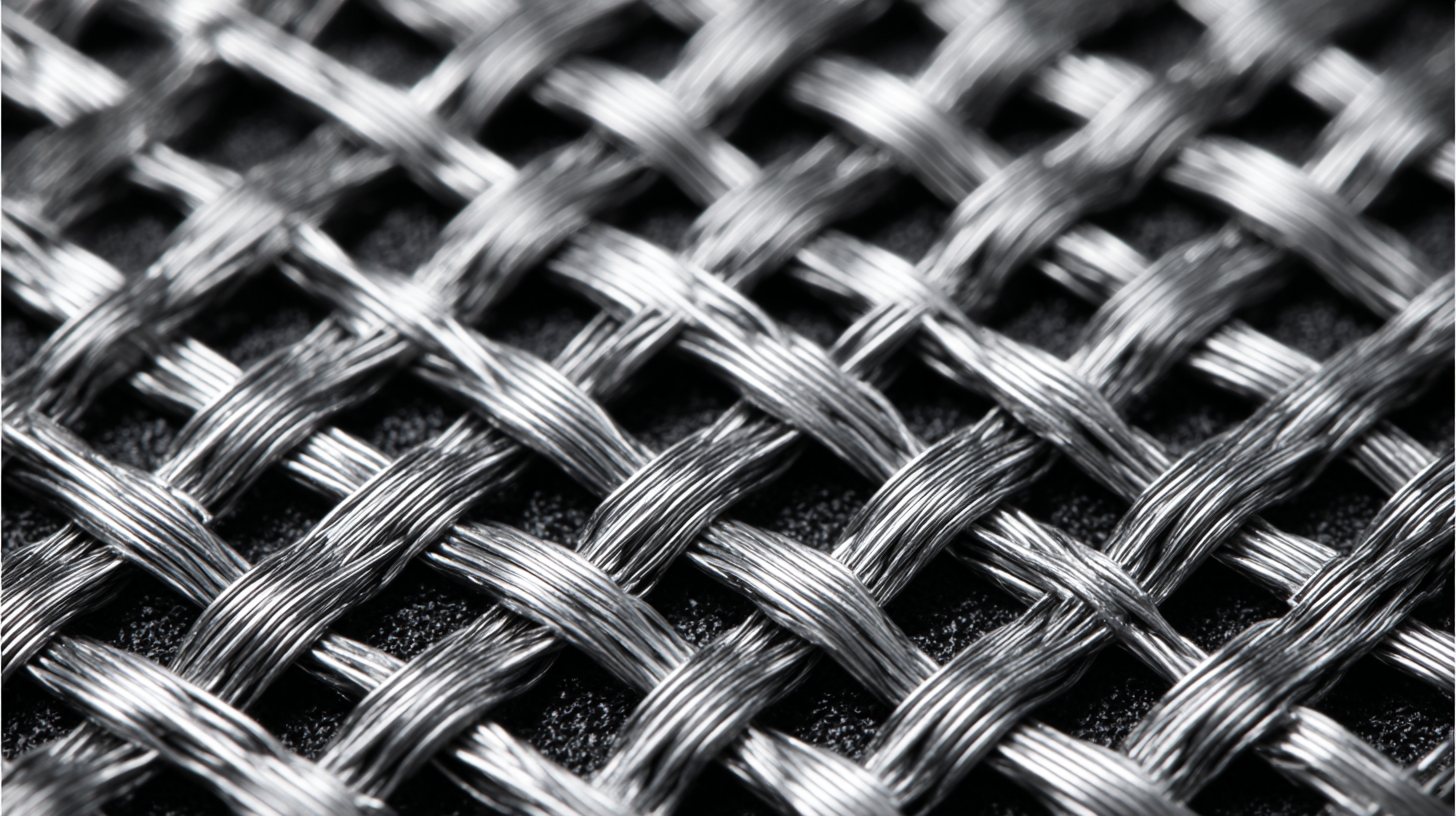
Enter Woven Wire Mesh! It’s becoming an essential part of the game, showing up in all sorts of sectors—think food processing, automotive, pharmaceuticals, you name it. According to some recent reports, the global Metal Mesh market is expected to see some serious growth, fueled by a thirst fordurable and high-performance materials. And leading the charge is JIANGSU HUADA Metal Mesh Belt CO., LTD., known as the trailblazer in China’s metal conveyor belt scene. With their production facilities rocking ISO 9001 and CE certifications, HUADA is rolling out top-notch wire mesh belts and chain-driven systems to over 20 countries around the globe. They’re really making waves when it comes to boosting operational efficiency and embracing sustainable practices.
In this blog, we're going to dive into some cool alternatives to traditional woven wire mesh solutions and shine a light on the latest trends and advancements in the industry. Stay tuned!
Understanding Woven Wire Mesh: Basics and Advantages
You know, woven wire mesh really has become a go-to choice in so many industries—it's just super versatile and strong! This stuff is made from interlaced wires, and it's got a ton of benefits. For starters, it's great at filtering things out, it's durable, and it doesn't rust easily. You'll find it in all sorts of places, from construction sites to farms. Honestly, understanding the basics of woven wire mesh can really help you figure out what you need, whether you’re using it for fencing, sieving, or even tackling some creative DIY projects.
Tip: When you're picking out woven wire mesh, don’t forget to think about the size of the mesh openings and the thickness of the wires. If you've got smaller openings, you'll get better filtration, and if the wires are thicker, they’ll hold up longer and be sturdier.
Besides its practical perks, woven wire mesh can also look pretty good! You can find it in all kinds of colors and finishes, which is awesome for architectural designs. This means it can really fit in with a building’s style while still doing its job, which is pretty neat.
Tip: Just make sure to check that your woven wire mesh meets industry standards when you're sourcing it. This way, you can be confident it’ll perform well and keep your project safe. It’s always better to double-check, right?
Innovative Materials: Alternatives to Traditional Woven Wire Mesh
You know, in the last few years, there’s been a real buzz around finding new materials that can step up to the plate against traditional woven wire mesh. With more industries putting the spotlight on sustainability and efficiency, folks are starting to look into alternatives like expanded metal, perforated sheets, and these cool composite mesh systems. A report from MarketsandMarkets even suggests that the global metal mesh market is set to hit a whopping USD 7.9 billion by 2025! That really shows it's not just a trend but a major pivot towards more flexible and diverse mesh solutions.
Take expanded metal, for instance. It’s got this awesome strength-to-weight ratio that's way better than woven wire mesh, which is especially handy where you need to cut down on weight—think aerospace and automotive industries. Then there are perforated sheets, which are pretty nifty because they help with airflow and drainage. That’s a big win in environmental applications, especially when it comes to filtration systems. According to a study in the Journal of Material Science, using innovative materials could actually slash production costs by up to 20%. That just goes to show how economically savvy these alternatives can be!
As we keep pushing the envelope in different industries, focusing on these new materials not only boosts performance but also hits those environmental targets. By embracing these fresh solutions, businesses aren’t just streamlining their operations; they’re also pitching in for a more sustainable future. Pretty exciting, right?
Comparing Durability: Woven Wire Mesh vs. Modern Alternatives
So, when you're looking at how durable woven wire mesh stacks up against newer alternatives, it’s super important to think about where and how these materials will actually be used. Woven wire mesh has been a go-to choice for ages, mainly because it’s tough and can handle a lot of stress, whether you’re talking about construction, farming, or all sorts of industrial jobs. It really holds up well against corrosion and general wear and tear, which is why so many people trust it to keep working reliably over the years.
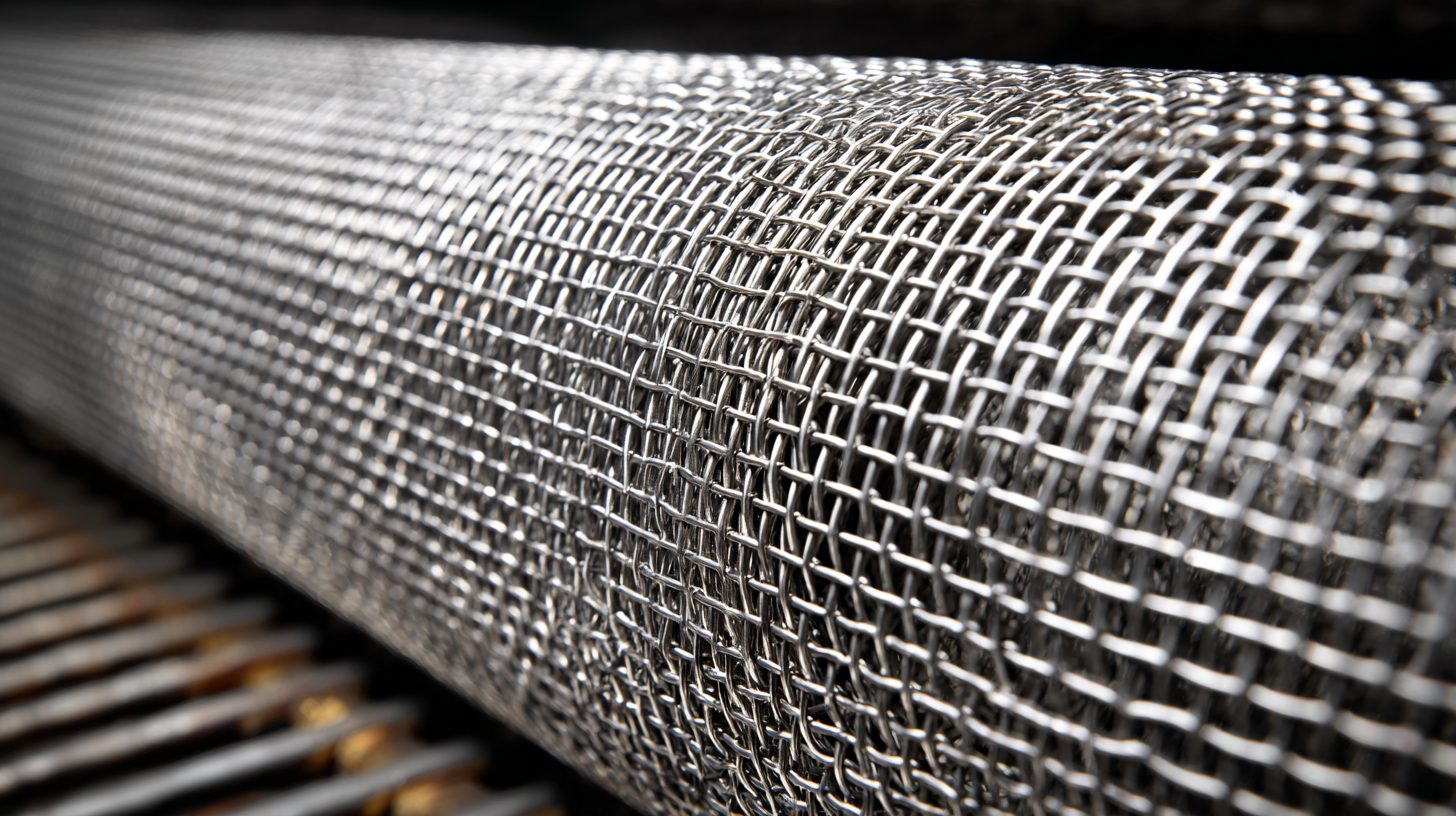
But here’s the thing: thanks to some pretty cool advancements in material science, there are now some fancy alternatives that can actually outshine traditional woven wire mesh in certain situations. Like, synthetic materials and composite wire meshes have come onto the scene, and they often have better strength-to-weight ratios and can resist stuff like UV rays and extreme temperatures much better. Not only do these modern options last longer, they also let you get creative with design to fit specific needs that woven wire mesh might not be able to handle as well. As industries keep changing and growing, it’s gonna be really important to get a handle on these differences so you can make the best choice for whatever project you’re working on.
Applications and Industries: Where to Use Innovative Mesh Solutions
Innovative woven wire mesh solutions have found diverse applications across various industries, thanks to their versatility and durability. In architectural design, these meshes can be utilized for both aesthetic and functional purposes, allowing for unique facades that enhance the building's energy efficiency while maintaining visual appeal. Additionally, in industrial sectors such as agriculture and mining, these meshes provide essential support for filtration and containment, ensuring products meet safety and quality standards.
**Tip:** When selecting a woven wire mesh solution, consider the specific environmental conditions it will face. Factors such as exposure to chemicals, temperature fluctuations, and mechanical stresses can influence the material's performance and lifespan.
In food processing, woven wire mesh plays a crucial role in maintaining hygiene and efficient production processes. By using innovative mesh designs, companies can improve airflow and heat distribution, resulting in better product quality. Furthermore, in the automotive and aerospace industries, these meshes contribute to lightweight designs that do not compromise strength, driving advancements in fuel efficiency and overall performance.
**Tip:** Always assess the mesh's specifications and certifications, especially in regulated industries, to ensure compliance with industry standards and to optimize the mesh's functionality for your specific application.
Exploring Innovative Alternatives to Best Woven Wire Mesh Solutions
| Application | Industry | Mesh Type | Material | Benefits |
| Filtration | Water Treatment | Stainless Steel Mesh | 304 Stainless Steel | High corrosion resistance |
| Construction | Building & Infrastructure | Expanded Metal | Aluminum | Lightweight and durable |
| Protective Barriers | Security | Welded Wire Fencing | Mild Steel | Cost-effective and strong |
| Aesthetic Design | Architecture | Decorative Mesh | Brass | Enhances visual appeal |
| Agricultural Screening | Agriculture | Plastic Mesh | UV-resistant Polyethylene | Flexible and lightweight |
Cost-Effectiveness: Evaluating Long-Term Savings with Alternatives
When you're looking into woven wire mesh solutions, one of the biggest things to think about is cost-effectiveness. I mean, sure, many industries tend to stick with the old-school options, but it can really pay off to check out some of the newer alternatives. You might be surprised to find that materials like polymer meshes or stainless steel can save you a good chunk of change in the long run. Not only do these materials often bring down the initial costs, but they also help to lower maintenance expenses as time goes by. Plus, they tend to be more durable, which means you won't have to worry about replacing them as often—how great is that?
So, if you're on the hunt for budget-friendly alternatives, one solid strategy is to do a life-cycle cost analysis. This way, you can get a good look at the total expenses tied to different materials over time. And don't forget to look for suppliers who offer trials! That way, you can test out the performance of those alternative meshes in real-life situations before you commit. Also, keep an eye on the energy savings that come with lighter materials—they can really help cut down on transportation costs and make installations a lot easier too.
Now, when it comes to picking out a woven wire mesh alternative, always remember to keep quality in the mix alongside cost. Sure, investing in a top-notch product might mean a bigger upfront expense, but it can lead to some pretty noticeable savings on operational costs and material replacements down the road. By weighing all these factors, you’ll be in a strong position to make smart decisions that benefit both your wallet and your operational efficiency.
Cost-Effectiveness: Evaluating Long-Term Savings with Alternatives
Choosing the Right Solution: A Guide to Mesh Material Selection
So, when you're on the hunt for the perfect woven wire mesh for your project, there are a few things you'll want to keep in mind that really impact how well it performs and lasts. Here at JIANGSU HUADA METAL MESH BELT CO., LTD., we totally get that picking the right material can make a huge difference—not just in how smoothly your operations run, but also in how long your conveyor systems will hold up. Whether it's for food processing or industrial manufacturing, every industry has its own quirks and needs. Some might need materials that can handle high heat, while others are all about resisting corrosion or needing a little flexibility.
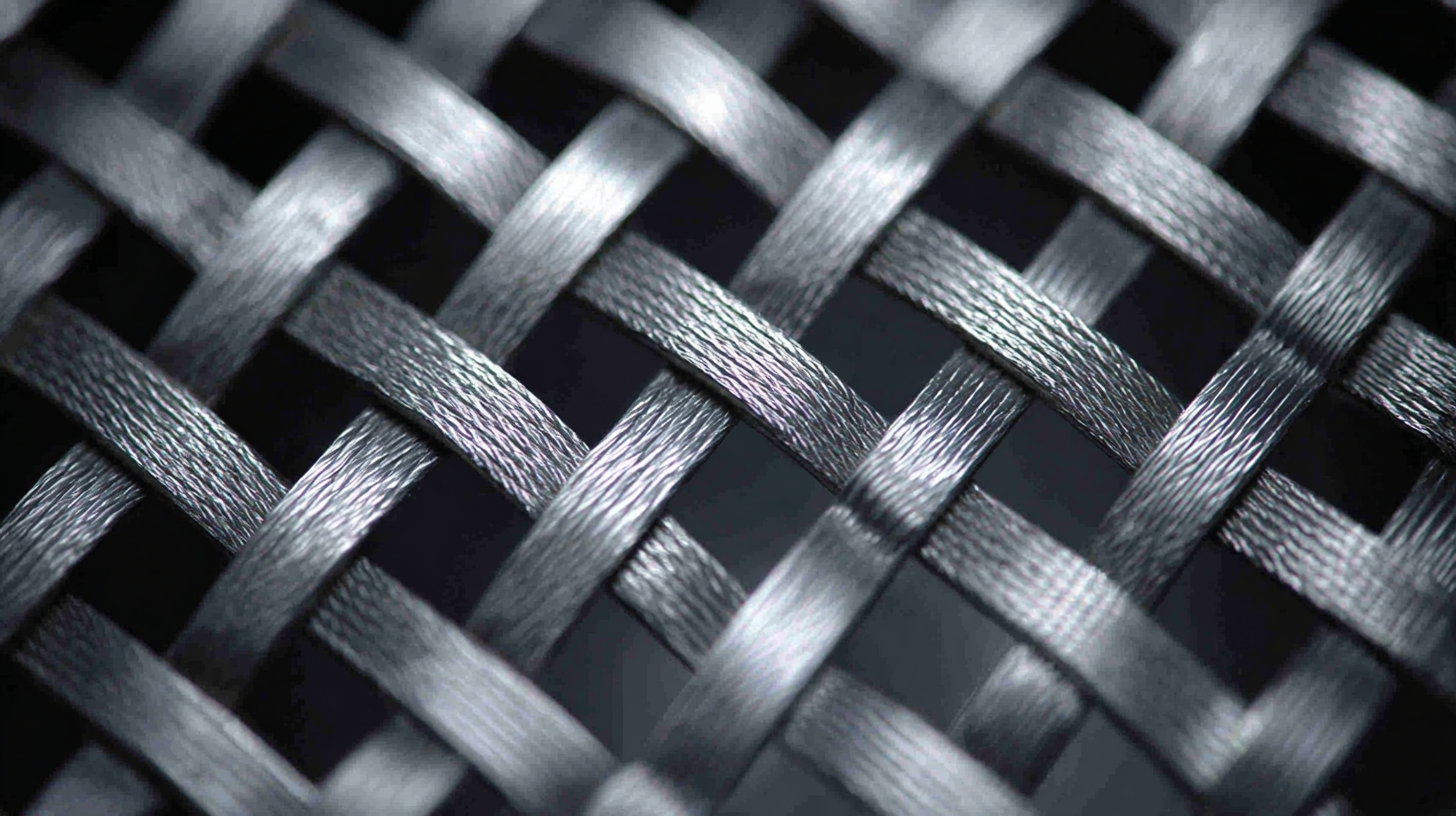
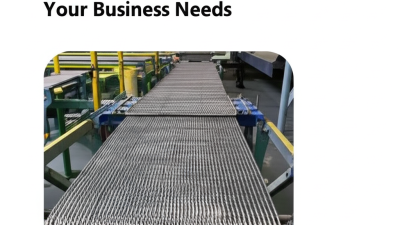
We've got your back with our precision-engineered wire mesh belts that cater to a whole range of requirements. We’ve come up with some cool alternatives that go beyond your usual woven wire solutions. Plus, with our production facilities rocking ISO 9001 and CE certifications, you can trust that what you get from us is top-notch quality and reliability. Whether you’re after standard mesh or something custom-made just for your needs, HUADA is all in on making sure you get exactly what you want. And hey, we’re pretty proud to say we ship to over 20 countries, so we’re definitely making waves in the metal conveyor belt scene, ready to help you find the mesh material that works best for your setup!
Elevate Your Style: How the Wire Ring Belt Transforms Any Outfit
Elevate your style with the innovative wire ring belt that seamlessly transforms any outfit while embodying functionality. The wire ring belt is not only a statement piece but also exemplifies versatility in its applications across various industries. Imagine a sleek, 316L stainless steel belt that can be the finishing touch to your outfit and serve as a high-performance solution for beverage bottling lines. Its anti-corrosion properties ensure durability, making it an essential accessory both for fashion and industrial use.
The beauty of the wire ring belt extends beyond aesthetics. Designed with food-grade materials, it is perfect for environments that demand cleanliness and safety, such as breweries and beverage production facilities. The CIP-ready feature allows for easy cleaning, ensuring that hygiene standards are met while maintaining a polished appearance. Additionally, options like the low-maintenance wire ring belt facilitate efficiency in operations, proving that style and practicality can coexist harmoniously. Whether you’re dressing up for a night out or streamlining production processes, the wire ring belt proves to be a transformative addition in both your wardrobe and workplace.
FAQS
: Woven wire mesh is a material made from interlaced wires, known for its versatility and strength, commonly used in various industries like construction and agriculture.
Woven wire mesh offers excellent filtration capabilities, durability, and resistance to corrosion, making it suitable for a wide range of applications.
When selecting woven wire mesh, consider factors such as the mesh opening size and wire diameter, as smaller openings provide better filtration, while thicker wires enhance strength and longevity.
Yes, woven wire mesh can be produced in various colors and finishes, allowing for aesthetic flexibility in architectural designs while delivering functional benefits.
Woven wire mesh is known for its resilience and corrosion resistance, but modern materials like synthetic and composite wire meshes may offer enhanced strength-to-weight ratios and better resistance to environmental factors.
Consider properties like heat resistance, corrosion resistance, and flexibility, as different industries have unique demands from mesh materials.
HUADA maintains ISO 9001 and CE certified production facilities to ensure that its products meet high standards of quality and reliability.
Yes, checking for compliance with industry standards is crucial to ensure that the material will perform adequately under expected conditions and enhance project safety.
Industries such as construction, agriculture, food processing, and industrial manufacturing benefit from using woven wire mesh due to its durability and functional properties.
Yes, woven wire mesh can be utilized in creative projects, offering versatility that goes beyond traditional industrial applications.