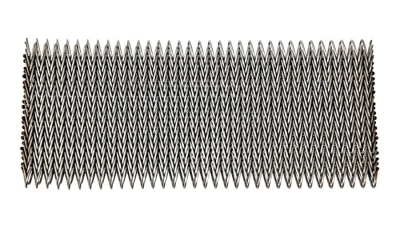
Hey there! In the fast-changing world of industrial manufacturing, picking the right conveyor system can really make a difference when it comes to boosting efficiency and getting things done smoothly. One name that keeps popping up in this space is the Furnace Mesh Belt — it’s a pretty cool solution known for its unique features and wide range of uses. At JIANGSU HUADA Metal Mesh Belt CO., LTD., we actually take pride in being one of China's first manufacturers of metal conveyor belts. We’ve shipped our precision wire Mesh Belts and chain-driven systems to over 20 countries across five continents. Our facilities areISO 9001 and CE certified, so we’re serious about keeping quality and reliability top-notch. In this blog, I’m planning to dive into what makes different types of Furnace Mesh Belts special and how they’re used in various industries. Whether you’re dealing with heat treatment, material handling, or other industrial processes, getting to know these innovative solutions can really help you make smarter choices for your operations.
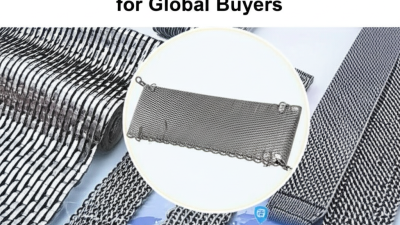
Identifying Common Issues with Different Furnace Mesh Belt Types
When you're looking into different types of furnace mesh belts, it's pretty important to know what common issues might pop up with each one. In the metal conveyor belt world, things like uneven wear, thermal expansion, and material compatibility can seriously mess with your efficiency. I came across a recent industry report that said nearly 30% of manufacturing downtime is due to conveyor belt problems — which really drives home how critical it is to pick the right furnace mesh belt to keep things running smoothly and avoid costly delays.
At JIANGSU HUADA METAL MESH BELT CO., LTD., we totally get these headaches. Our wire mesh belts are carefully designed to handle high temperatures without losing their strength or shape. To help avoid the usual problems, it’s a good idea to think about what your specific furnace application needs. For instance, choosing a belt that distributes heat evenly can prevent hot spots that might damage the belt early on, helping it last longer.
Pro tip: Regularly cleaning and maintaining your furnace mesh belts can really make a difference in how long they last. Also, double-check that the materials you're processing match well with the belt type to avoid unexpected breakdowns. And honestly, it’s always a smart move to chat with a trusted manufacturer like HUADA—they can help you find the perfect fit for your particular setup.
The Impact of Belt Material on Durability and Performance
When you're choosing a furnace mesh belt, the material you go with really makes a big difference in how tough and efficient it is. There are a few options out there—like stainless steel, carbon steel, and some fancy alloys—and each comes with its own perks. For example, stainless steel belts are pretty much the go-to if you need something resistant to rust and corrosion, especially in really hot environments. On the flip side, carbon steel tends to have better thermal conductivity, which can be handy for certain heating processes.
A little tip: When picking your belt material, think about the environment your furnace will be in. If there's a chance of chemical exposure, going with stainless steel might extend the belt’s lifespan. Also, double-check that the material can handle the max temperatures and loads your furnace will be subjected to.
Another thing to consider is the weave pattern of the mesh belt. A tighter weave can provide more stability for your products and help prevent deformation when things get heavy. But if you need better airflow—say, for specific heating techniques—a looser weave might do the trick.
Pro tip: It’s a good idea to weigh the need for airflow versus stability, depending on what your furnace requires. Don’t hesitate to chat with the manufacturers—they can help you find the perfect weave design that balances performance and product quality, so everything runs smoothly.
Comparing Temperature Tolerance in Various Furnace Mesh Belts
When you're choosing furnace mesh belts, it’s really important to get a good handle on their temperature tolerance. Different types of these belts are built to handle specific temperature ranges, so picking the right one depends a lot on what you’re using it for. For example, stainless steel mesh belts usually hold up well up to around 1200°F (650°C). But if you need something that can go even higher, specialized nickel alloys can withstand over 2000°F (1093°C). I came across a report from the Materials Research Society that highlighted how the thermal stability of these materials plays a big role in how long they last and how well they perform in really hot environments.
Oh, and here’s a little tip—when you’re selecting a mesh belt for high-temperature work, don’t just focus on the max temperature it can handle. You should also think about the environment it’ll be working in. Things like oxidation risks and exposure to corrosive elements can really make a difference in how well the belt holds up over time.
Another thing to keep in mind is the design of the mesh itself. An open mesh belt usually provides better airflow and heats up pretty quickly—perfect for drying, roasting, or processes where you need rapid temperature shifts. On the other hand, solid mesh belts are more sturdy, making them the go-to if you’re dealing with heavier items that need steady support at high temps. According to a study in the International Journal of Heat and Mass Transfer, choosing the right mesh design can make a real difference in saving energy and making sure your products come out just right.
And here’s a little professional advice—make sure to regularly check your furnace belts for any signs of wear and tear. Knowing how the materials respond to heat and understanding what kind of maintenance they need can really help them last longer and keep your operation running smoothly.
Exploring the Unique Features and Applications of the Best Furnace Mesh Belt Types for Global Buyers - Comparing Temperature Tolerance in Various Furnace Mesh Belts
| Belt Type | Material | Max Temperature (°C) | Thermal Conductivity (W/m·K) | Common Applications |
| Stainless Steel Mesh | Stainless Steel | 800 | 16 | Food Processing, Heat Treatment |
| Nickel Alloy Mesh | Nickel Alloy | 900 | 12 | Aerospace, Chemical Processing |
| Inconel® Mesh | Inconel | 1000 | 11 | High-Temperature Furnace Applications |
| PTFE Coated Mesh | PTFE | 260 | 0.25 | Baking, Snack Systems |
| Fiberglass Mesh | Fiberglass | 450 | 0.045 | Low-Temperature Applications |
Maintenance Challenges Associated with Different Belt Designs
When you're dealing with furnace mesh belts, it's really important to get a good grasp of the maintenance challenges that come with different belt designs—especially if you're a global buyer trying to navigate all this. You see, not all belts are created equal. For example, woven wire mesh belts tend to take a pounding under extreme heat, which often means more downtime for repairs or replacements. In fact, a recent report from the International Journal of Advanced Manufacturing Technology mentioned that nearly 30% of production halts in heat treatment plants are caused by belt failures or maintenance issues.
Another thing to watch out for is debris buildup on the belt surface, especially with more complex mesh designs. This can mess with the finished product’s quality and sometimes force you to redo work, which nobody wants. The key here is regular inspections and cleaning—staying on top of it can really save you from bigger headaches down the line.
**A few tips:** To handle these maintenance quirks better, setting up a preventive maintenance schedule tailored to your specific belt type is a smart move. Also, using vibration analysis can help catch potential failures early before they cause major downtime. And hey, investing in high-quality belts that are built to last might cost a bit more upfront, but it can save you a ton of trouble—and money—in the long run.
Case Studies: Real-World Problems Faced by Global Buyers
In today’s global marketplace, furnace mesh belts are pretty essential across a bunch of industries, like metal processing and food production. Customers often face some pretty tricky challenges that need custom solutions. Take, for example, a big manufacturer in Europe—they were dealing with belts that just couldn't withstand high temperatures, which meant frequent breakdowns and costly downtime. So, they teamed up with JIANGSU HUADA METAL MESH BELT CO., LTD., and together they came up with specially designed wire mesh belts that could handle the heat better. The result? Their operation ran smoother, way fewer maintenance issues, and they saved a ton of money.
On a similar note, a client over in North America was struggling with contamination because their filtration system wasn’t cutting it. Huada’s innovative chain-driven systems, which use advanced mesh designs, totally stepped in to solve the problem. Not only did it improve the quality of their products, but it also helped them stay in line with all the tough safety standards. As one of the top manufacturers of metal conveyor belts, Huada’s products—certified with ISO 9001 and CE—are really making a difference for buyers around the world. They get reliable, efficient solutions that are customized to fit their specific needs, no matter where they’re based.
Performance Comparison of Different Furnace Mesh Belt Types
This chart illustrates the heat resistance of various types of furnace mesh belts, which are critical for global buyers facing material selection challenges in extreme temperature applications. Understanding these properties helps in making informed purchasing decisions.
Innovative Solutions for Overcoming Furnace Mesh Belt Issues
Furnace mesh belts are pretty essential in a bunch of industrial settings, especially when it comes to high-temperature environments where you really need things to run smoothly and reliably. But, let’s be honest, they do face some pretty common issues — wear and tear, material breaking down, and efficiency problems, just to name a few. According to a recent market report I read, more than 60% of manufacturers have run into problems with how long these belts last, which then hits their production efficiency pretty hard (Source: Industry Insights Report 2023). Fortunately, there are some exciting new solutions popping up. With the advent of better materials and smarter designs, these belts not only last longer but actually work better overall.
One of the coolest advances lately is the use of high-temp resistant alloys and modular designs. This means it’s way easier to do maintenance and swap things out without shutting everything down for ages. Some studies point out that using composite materials can boost temperature resistance by around 30%, which makes a real difference in keeping things running smoothly (Source: Thermal Processing Journal 2023). Plus, more manufacturers are trying out advanced coating tech to cut down on friction and wear and tear — a big upgrade from the old-school belts. As companies around the world look for solutions to these long-standing issues, jumping on these new tech trends could really shake things up, making operations more seamless and improving product quality overall.
Elevate Your Style with the Versatile Compound Balance Weave Belt: The Perfect Accessory for Any Occasion
The versatility of the Compound Balance Weave Belt makes it an essential accessory for various industrial applications, much like a fashion staple that elevates any outfit. This innovative belt combines strength and adaptability, suitable for multiple sectors, including food processing, electronics, and automotive manufacturing. The belt’s robust design ensures it meets the demanding requirements of high-temperature environments, with our High-Temperature Compound Balance Weave Mesh able to withstand temperatures up to 800°C, making it ideal for heat-intensive processes.
In addition to its temperature resilience, the Compound Balance Weave Belt also offers features tailored to specific industry needs. For instance, the Food-Grade Compound Weave Belt is certified by the FDA and EHEDG, making it safe for direct contact with food products. Similarly, our Abrasion-Resistant Compound Weave Belt for Mining is designed to endure the harsh conditions of mineral processing, promising longevity and reliability. According to industry reports, using the right conveyor belt can improve operational efficiency by up to 30%, showcasing the importance of selecting the perfect balance weave belt for your operations.
Moreover, advanced designs such as the Anti-Static Compound Weave Belt for Electronics cater specifically to sensitive electronic components, preventing damage from static buildup. The rise in automation and the speed of sorting systems have led to an increased demand for High-Speed Compound Balance Belts, which can enhance throughput and reduce labor costs significantly. With a focus on quality and customization, each type of compound balance belt offers unique advantages, making it a perfect accessory for any industrial occasion.
FAQS
: When selecting a belt material, consider environmental factors such as chemical exposure, maximum temperatures, and loads your furnace will experience. Stainless steel is ideal for high-temperature and corrosive environments, while carbon steel offers better thermal conductivity for specific heating processes.
A tighter weave improves product stability and reduces deformation under heavy loads, while a looser weave enhances airflow, which is essential in certain heating processes. It's crucial to evaluate the balance between airflow and stability based on your furnace's requirements.
Stainless steel mesh belts can typically endure temperatures up to 1200°F (650°C). Other specialized materials, like nickel alloys, can withstand temperatures exceeding 2000°F (1093°C).
Factors such as oxidation potential and the presence of corrosive elements play a significant role in belt performance. Selecting a mesh belt becomes more crucial in high-temperature applications due to these influences.
Woven wire mesh belts are more susceptible to wear and tear under extreme heat, leading to increased downtime for maintenance and replacement. Accumulation of debris and contamination can also affect product quality.
Regular inspections help identify signs of wear and contaminants on the belt surface, which can extend the lifespan and improve operational efficiency by allowing for timely maintenance and cleaning.
Open mesh belts offer superior airflow and quick heat transfer, ideal for processes like drying and roasting. In contrast, solid mesh belts provide enhanced support for heavier items that require stability at high temperatures.
Consulting manufacturers can help you select the optimal weave design and material that align with your operational needs, ensuring efficient performance while maintaining product integrity.
Establishing a preventive maintenance schedule, employing vibration analysis to identify potential failures, and investing in high-quality belts can help mitigate maintenance challenges and reduce production downtime.
The right mesh design affects airflow and heat transfer efficiency, helping to optimize energy use and improve product quality during processing.